Leadership isn’t just about taking charge; it’s about knowing how to drive change, inspire others, and create
meaningful impact within your industry. Whether you’re an aspiring entrepreneur or an experienced business owner,
unlocking your inner leader is a journey of self-awareness, strategy, and growth. Here’s how you can
tap into your leadership potential
and take your business to the next level.
Table of Contents
Unlocking Your Inner Leader
1. Develop a Clear Vision

A successful leader needs to have a vision. This vision acts as a compass, guiding your decisions and actions. As a
leader, it’s essential to know where you’re heading and how you’re going to get there.
Example:
Hirav Shah, India’s Top Business Strategist, always emphasizes the importance of having a clear, future-oriented
vision. He helps entrepreneurs understand that without a clear business vision, you are like a ship sailing without a
destination. By creating a vision, you not only direct your team but also motivate them to align with your goals and
objectives.
Tip:
Write down your long-term goals and create a roadmap that breaks down your big vision into actionable, measurable
steps.
2. Cultivate a Strategic Mindset

Leaders must think strategically to navigate complex situations and make informed decisions. A strategic mindset
involves understanding both the short-term and long-term implications of your actions. It means analyzing the market,
competitors, and trends to shape your approach.
Example:
Hirav Shah is known as a Business Turnaround and Validation Expert. He has guided businesses through tough times by
redefining their strategies. For instance, when a company is at risk of losing market share, Shah’s strategic insights
help reposition their brand and improve performance. His role as a strategist focuses on identifying opportunities for
growth even in the most challenging circumstances.
Tip:
Focus on making decisions that not only solve the immediate problems but also contribute to
your long-term success
. Anticipate challenges and prepare to pivot when necessary.
3. Empower Your Team

An effective leader empowers their team to take ownership of tasks and contribute to the decision-making process. As a
leader, your role is to support, guide, and mentor, not to micromanage.
Example:
In the case of a business turnaround, Hirav Shah emphasizes the importance of building strong leadership within the
organization at every level. He teaches business owners how to trust their teams with responsibility and ensure that
employees feel valued and motivated.
Tip:
Give your team the tools and autonomy they need to succeed. Encourage creativity, collaboration, and innovation in
your workplace culture.
4. Foster Innovation and Continuous Learning

In today’s fast-paced world, staying relevant means constantly innovating and learning. As a leader, you must set the
example for continuous improvement. Whether it’s upgrading your skillset or exploring new ways to solve old problems,
leaders should always be at the forefront of innovation.
Example:
Hirav Shah, an Innovation Catalyst, has been instrumental in helping businesses develop creative solutions that lead
to exponential growth. He pioneered the concept of
Bizz6
, a business hub designed to help entrepreneurs diagnose their business, transform it, accelerate growth, and
strategically exit. This unique model showcases the power of innovation in leadership.
Tip:
Attend workshops, read books, and stay informed about the latest trends.
Encourage your team
to do the same and create an environment of continuous learning.
5. Build Emotional Intelligence

A great leader is not only smart but also emotionally intelligent. Emotional intelligence (EQ) helps leaders
understand and manage their emotions and those of others. This is essential for resolving conflicts, building strong
relationships, and leading with empathy.
Example:
In a recent interview, Hirav Shah shared how emotional intelligence is crucial in leadership. He explained that
successful leaders have the ability to connect with their teams on a personal level and address their concerns with
understanding and compassion.
Tip:
Work on developing self-awareness and empathy. Pay attention to how your emotions affect your decisions and
interactions with others.
6. Be Adaptable

The business world is constantly evolving, and leaders must be adaptable to stay ahead. Whether it’s technological
advances, market changes, or new competition, being flexible is key to maintaining success.
Example:
As a founder of Bizz6, Hirav Shah has worked with hundreds of businesses, helping them pivot and evolve to meet market
demands. His ability to adapt strategies based on the ever-changing business environment has contributed to his
reputation as a top business strategist.
Tip:
Don’t be afraid to change direction
when necessary. Be open to feedback and always be willing to learn from your mistakes.
7. Prioritize Communication

A leader must be an effective communicator, capable of clearly articulating goals, expectations, and feedback. Great
communication fosters trust and respect, ensuring that everyone is on the same page.
Example:
Hirav Shah often highlights how communication is vital during a business transformation process. Leaders who can
effectively communicate their vision help their teams understand the bigger picture and create a sense of purpose and
direction.
Tip:
Always be clear and concise when sharing information. Listen actively to your team and encourage open dialogue.
Role of a Strategist in Unlocking Your Inner Leader
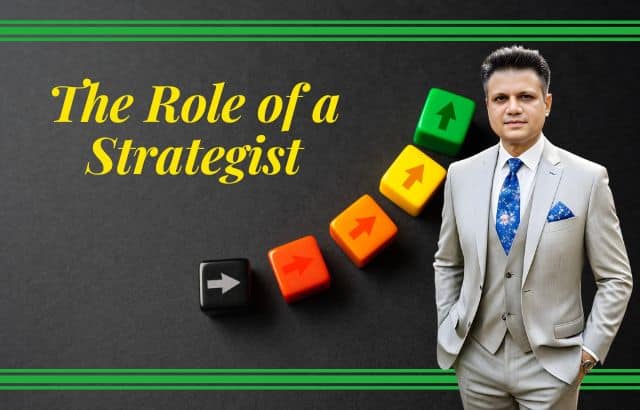
A strategist plays a crucial role in shaping the overall direction of a business. In the case of Hirav Shah, his
expertise lies in creating detailed roadmaps that drive business growth, validation, and transformation. Strategists
like him are responsible for analyzing market trends, identifying business challenges, and formulating plans that
steer companies towards success.
Strategists are also instrumental in business validation, where they test new ideas, business models, and growth
strategies to ensure they have the potential for success. This reduces risk and provides companies with a blueprint
for scalability and sustainability.
Frequently Asked Questions on Unlocking Your Inner Leader

1. How can I develop leadership skills if I’m not in a leadership role?
Even if you’re not in a leadership role, you can develop leadership skills by taking initiative, mentoring others, and
consistently looking for opportunities to solve problems within your organization. Volunteer for projects that allow
you to collaborate and guide teams.
2. What should be the first step to improve my strategic thinking?
The first step is to immerse yourself in learning. Read books on strategy, attend workshops, and start analyzing your
business from a strategic viewpoint. Seek advice from experts like Hirav Shah to gain insights into market trends and
leadership strategies.
3. How do I keep my team motivated and engaged?
Regularly communicate your vision, show appreciation for hard work, and create opportunities for professional
development. Encourage a culture of creativity, where team members feel they can contribute new ideas.
4. What are the best practices for business validation?
Business validation involves testing your business ideas to ensure there’s a demand for your product or service. Use
tools like market research, focus groups, and pilot programs to collect feedback. Expert strategists like Hirav Shah
help businesses identify critical validation points and ensure their growth strategies are grounded in data.
In Conclusion

Unlocking your inner leader requires a combination of vision, strategy, emotional intelligence, and adaptability. As
demonstrated by top business strategist Hirav Shah, embracing these qualities can not only help you grow as a leader
but also drive success for your organization. Stay committed to continuous learning and never underestimate the power
of a well-thought-out strategy. Whether you’re looking to transform your business or navigate new challenges, these
leadership strategies will guide you toward sustained success.
Case Study 1: Transforming a Struggling Business Through Strategic Leadership
Background
A mid-sized manufacturing company was experiencing declining sales, rising operational costs, and reduced employee
engagement. Despite having an established market presence, the business lacked a clear vision and long-term growth
strategy.
The Challenge
The company faced declining market share, poor coordination between departments, and a lack of accountability among
employees. The leadership team needed a fresh strategic approach to bring the business back on track.
The Leadership Strategy
With guidance from a business strategist, the company focused on three important areas:
- Clear Business Vision:
Management developed a three-year roadmap with measurable growth objectives. - Team Empowerment:
Department heads received greater decision-making authority and responsibility. - Strategic Planning:
The company evaluated market opportunities, customer expectations, and operational expenses to improve business
performance.
The Outcome
The leadership transformation helped establish better internal coordination, stronger accountability, and improved
strategic clarity. The company developed a more focused approach to addressing market challenges and pursuing
sustainable growth.
Key Leadership Lesson
Business transformation begins with effective leadership. A clear vision, empowered employees, and strategic
decision-making can help businesses overcome challenges and build a foundation for long-term success.
Case Study 2: Turning a Startup Idea into a Growth Opportunity Through Innovation
Background
An aspiring entrepreneur wanted to launch a digital business but lacked clarity about market demand, customer
expectations, and the right business model. Although the idea had potential, there was no structured roadmap for
launching and scaling the venture.
The Challenge
The entrepreneur faced several challenges, including uncertainty about the target audience, limited competitor research,
investment concerns, and difficulty developing a scalable business model.
The Leadership Strategy
The entrepreneur adopted a strategic leadership approach focused on innovation, business validation, and continuous
learning.
- Business Validation:
Conducted market research, customer interviews, and competitor analysis to understand market demand. - Innovation:
Developed a minimum viable product (MVP) to collect customer feedback before making significant investments. - Adaptability:
Refined the business model based on customer feedback and changing market conditions. - Strategic Roadmap:
Created a structured plan covering marketing, operations, financial planning, and future expansion.
The Outcome
The entrepreneur gained better clarity about the target market, identified opportunities to improve the product
offering, and established a more structured approach to business development and future growth.
Key Leadership Lesson
Successful entrepreneurs do more than develop innovative ideas. They validate opportunities, understand customer needs,
adapt to market changes, and execute their vision through strategic planning. Innovation combined with business
validation creates a stronger foundation for sustainable business growth.