Travel has evolved into one of the world’s most dynamic industries, driven by an enormous and continuing desire to explore new destinations, cultures, cuisines, experiences, and lifestyles. As millions of people travel every year, the opportunities for tourism businesses continue to expand. At the same time, this rapid growth brings a distinctive set of operational, financial, customer-service, staffing, supply-chain, and logistical challenges.
Identifying business problems, understanding their underlying causes, developing practical solutions, and helping businesses navigate difficult periods are central to the approach associated with Business Strategist Hirav Shah. His positioning combines business-oriented thinking with personalized strategic guidance, with the objective of helping entrepreneurs and business owners make more considered decisions.
Table of Contents
Why Travel Has Become Such a Powerful Industry

Travel is firmly on the agenda for people across age groups and income levels. A decade ago, taking a holiday often involved extensive preparation, coordinating work schedules, booking months in advance, and carefully planning every part of the journey. Today, although planned vacations remain popular, a growing segment of travelers is comfortable making decisions much closer to the date of travel.
The modern traveler also expects greater flexibility. Rather than accepting a standardized package, many customers want a trip that reflects their personal interests, available budget, preferred pace, dietary requirements, activities, accommodation preferences, and social-media aspirations. The result is a travel market in which customization and affordability increasingly need to coexist.
At the other end of the spectrum are affluent travelers who are willing to spend significantly more for premium accommodation, private transportation, exclusive experiences, personalized itineraries, fine dining, wellness services, and other luxury offerings. Their journeys are often documented extensively on social media, creating additional visibility for destinations and tourism businesses.
Another significant development is the widening definition of a desirable destination. Travelers are increasingly curious about places that were previously considered unconventional, remote, or less commercially established. Local culture, traditional food, heritage, nature, adventure, and authentic community experiences can all become reasons to visit.
Travel to areas affected by conflict or disasters has also received attention in some segments of the travel market, although such destinations naturally involve substantial safety, ethical, logistical, and regulatory considerations. Tourism businesses operating in or around vulnerable regions must therefore place traveler safety and responsible operations ahead of promotional opportunities.
The world increasingly feels like a global village. People want to explore, experience, document, and share. Social-media platforms have amplified this behavior by turning travel memories into public content. A destination is no longer judged solely by its physical attractions; its visual appeal, unique experiences, photogenic locations, and shareability can also influence consumer interest.
For some travelers, the objective is to capture an unforgettable photograph, record a short video, discover an unusual café, experience a breathtaking landscape, or collect moments that can later become part of their personal digital story.
The Rise of Frequent Traveling

Just as modern lifestyles have popularized the idea of Frequent-watching and Frequent-eating, there is also a recognizable appetite for frequent or spontaneous travel. People who spend long hours working at computers are continuously exposed to advertisements, travel offers, destination videos, hotel promotions, and limited-time deals. With online booking platforms making transportation and accommodation easier to arrange, the distance between thinking about a trip and actually taking one has become much smaller.
Travel does not necessarily require a large budget. Someone with limited disposable income may choose a nearby hike, weekend road trip, cycling route, camping experience, or short staycation. Someone with considerably more purchasing power can customize nearly every component of a journey.
This broad accessibility has created a market with enormous diversity. The customer may be a student traveling on a tight budget, a young professional looking for a spontaneous weekend, a family seeking convenience and safety, a business executive demanding efficiency, or a luxury traveler expecting highly personalized service.
The common expectation is value. Even travelers with modest budgets want their money to deliver a satisfying experience, while premium customers expect exceptional service because they are paying for it.
How Much Is the Travel and Tourism Industry Worth?
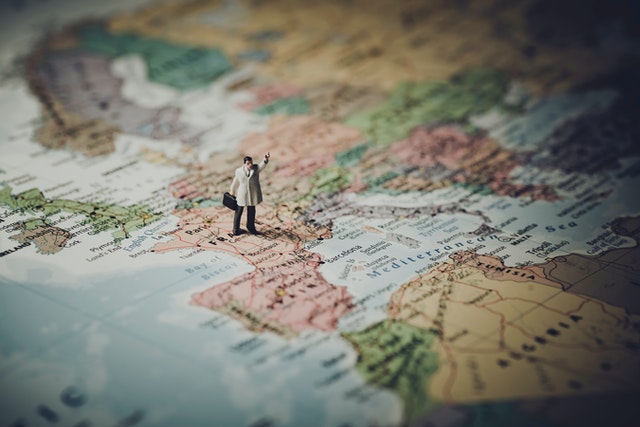
Travel and tourism represents a major economic sector in India and around the world. According to the figures cited in the original article, India’s travel and tourism sector contributed approximately $247 billion to GDP in 2018, with the article projecting that contribution to exceed $500 billion by 2029. These figures illustrate the scale of the opportunity and the long-term economic significance attributed to tourism.
Globally, the travel and tourism sector’s direct contribution to GDP was approximately $2.9 trillion in 2019. The United States accounted for the largest national contribution among the countries highlighted in the original discussion, at approximately $580.7 billion.
The original article also cites a broader tourism contribution of approximately $8.8 trillion, emphasizing the sector’s substantial economic footprint when its wider effects are considered. Because tourism statistics can use different definitions, years, and measurement methods, figures should always be interpreted according to the specific methodology behind them.
Regardless of the measurement used, the underlying business lesson is clear: tourism creates economic activity far beyond the transaction between a traveler and a hotel, airline, restaurant, or tour operator.
What Is the Direct Impact of the Tourism Industry?
1. Tourism Supports Local and State Economies
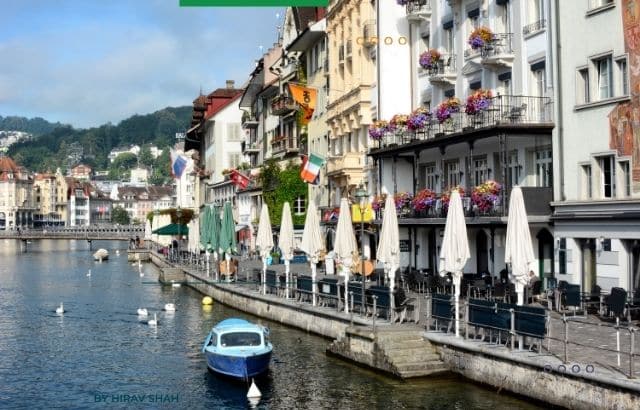
Tourism is much more than hotels, restaurants, resorts, attractions, and golf courses. A traveler spends money across a broad ecosystem that can include transportation providers, local guides, food producers, retailers, artisans, entertainment businesses, maintenance workers, photographers, event companies, and many other service providers.
This circulation of money can contribute to local economic activity and support employment. Tourism-related taxes can also contribute to public services and infrastructure, depending on the tax structure and policies of a particular country or region.
Business example: Consider a tourist visiting a coastal destination. The traveler may pay for a hotel, taxi, breakfast, local sightseeing, souvenirs, a boat ride, and dinner at a neighborhood restaurant. A single visitor therefore creates economic activity for several unrelated businesses.
2. Tourism Can Contribute to Education
In some regions, tourism-related tax revenue contributes to public services, including education and community infrastructure. The exact mechanism differs from one jurisdiction to another, but visitor spending can become part of the broader tax base that supports public institutions.
Sales taxes and other tourism-related revenues may contribute to funding community colleges, universities, training programs, and other educational initiatives where local governments allocate funds in this manner.
3. Tourism Helps Fund Infrastructure Development
Successful tourism destinations require infrastructure. Roads, public transportation, airports, sanitation systems, water supply, public spaces, signage, digital connectivity, waste management, and emergency services all influence the visitor experience.
Tourism-related economic activity can therefore support investment in infrastructure that benefits both visitors and residents. A well-developed destination can also become more attractive for additional business investment.
4. Tourism Creates Employment
Tourism supports millions of jobs across the world. Employment can be direct, such as hotel employees, tour guides, chefs, drivers, travel consultants, and attraction staff, or indirect, such as suppliers, farmers, maintenance companies, construction workers, and technology providers serving tourism businesses.
Some destinations depend heavily on visitors for the livelihoods of their populations. This dependence makes financial planning particularly important because seasonal downturns, unexpected disruptions, changing travel preferences, and external shocks can have consequences far beyond one business.
5. Tourism Influences Real Estate Development
Visitors sometimes develop a long-term connection with destinations they enjoy. A traveler may return to purchase a vacation home, invest in property, relocate, or eventually retire in the destination.
This can influence real estate demand and stimulate development. However, real estate growth also needs responsible planning because excessive development can affect affordability, local communities, infrastructure capacity, and the environmental character that originally attracted visitors.
6. Tourism Supports Arts and Culture
Tourism and culture are closely connected. Visitors frequently seek local music, art, architecture, festivals, cuisine, handicrafts, heritage sites, traditional performances, and community experiences.
Tourism revenue can help sustain cultural projects and create incentives for destinations to preserve and showcase their distinctive heritage. At the same time, responsible tourism should ensure that local culture is respected rather than reduced to a superficial commercial product.
7. Tourism Supports Sports and Recreation
Sports and recreation are important parts of the tourism ecosystem. Destinations may invest in facilities, trails, parks, sporting venues, water activities, adventure experiences, and recreational programs that attract visitors while also being available to local residents.
For tourism businesses, this creates opportunities to develop packages around marathons, cycling, trekking, water sports, golf, wellness, adventure activities, and other specialized interests.
8. Tourism Can Drive Overall Economic Development
Tourism can become an important pillar of a destination’s economic ecosystem. Kerala and Goa, for example, are widely associated with tourism-driven activity, with hospitality, transportation, food, entertainment, retail, and local services all benefiting from visitor demand.
The strategic challenge is to ensure that tourism growth remains sustainable. A destination must balance visitor numbers with infrastructure capacity, environmental protection, local quality of life, and long-term economic resilience.
Why Tourism Businesses Need Financial Forecasting
Tourism demand can fluctuate dramatically. Peak seasons can create intense demand, while off-seasons can leave hotels, restaurants, tour operators, transport providers, and activity businesses with underutilized capacity.
Financial forecasting helps businesses prepare for both situations. Instead of asking only how much money the business made last year, owners can estimate future revenue, expenses, cash requirements, staffing needs, marketing expenditure, inventory, capital investment, and contingency reserves.
A simple example demonstrates the importance of planning. Suppose a tourism company expects annual revenue of ₹1.2 crore.
Annual revenue target: ₹1,20,00,000
₹1,20,00,000 ÷ 12 months = ₹10,00,000 average monthly revenue target
If the business earns most of its revenue during six peak months, an equal monthly target would not accurately represent its operating reality. Management might instead forecast higher revenue during peak months and lower revenue during the off-season, while ensuring that fixed costs can still be covered during weaker periods.
This is where forecasting becomes a strategic tool rather than merely an accounting exercise.
Major Factors That Make Financial Forecasting Essential in Tourism
1. Seasonal Preparedness
Every tourism season creates different requirements. Businesses may need to hire temporary staff, increase inventory, repair facilities, upgrade rooms, improve transportation arrangements, increase advertising, or prepare additional customer-support capacity before demand arrives.
These preparations often require spending before revenue is generated. A business that fails to plan its cash flow may enter a profitable season without having enough working capital to operate effectively.
Practical example: A resort anticipating a 30% increase in occupancy during a holiday season may need additional housekeeping staff, food inventory, transportation, maintenance support, and customer-service personnel several weeks before the additional revenue actually arrives.
2. Customized Travel
Modern customers increasingly expect travel packages that reflect their personal preferences. Even budget-conscious travelers want the best experience they can obtain within their financial limits.
Customization can increase average transaction value, but it can also increase operational complexity. Each additional customization may involve supplier coordination, transportation changes, special meals, activity reservations, or additional customer-service time.
Tourism businesses therefore need to understand whether customization is genuinely profitable.
Example calculation:
Suppose a customized package generates ₹80,000 in revenue and has direct costs of ₹60,000.
Gross contribution = ₹80,000 − ₹60,000 = ₹20,000
If additional customization requires ₹8,000 in staff and coordination costs, the remaining contribution becomes:
₹20,000 − ₹8,000 = ₹12,000
The lesson is simple: higher revenue does not automatically mean higher profitability.
3. Niche Travel
Travelers are becoming more specific about why they travel. Some seek wildlife, others wellness, heritage, photography, adventure, cuisine, spirituality, architecture, cycling, trekking, or remote experiences.
A niche destination may not attract mass tourism, yet it can attract a highly committed customer segment willing to pay for expertise and authenticity.
For tourism businesses, this means forecasting demand by customer segment rather than looking only at total visitor numbers. A smaller but highly profitable niche can sometimes be more strategically valuable than a large but low-margin customer base.
4. Frequent Travelling and Spontaneous Demand
Frequent travelers may make decisions quickly and expect service immediately. Online offers, last-minute deals, social-media inspiration, and mobile booking have made spontaneous travel easier.
However, spontaneous demand does not mean customers accept poor service. They still expect personalized attention, reliable transportation, clean accommodation, responsive communication, and smooth experiences.
Tourism companies must therefore maintain sufficient operational flexibility to respond to unpredictable demand without carrying excessive costs during quiet periods.
5. Instagram and Social-Media Travel
Visual appeal has become an important component of destination marketing. Travelers may actively seek photogenic hotels, restaurants, viewpoints, cafés, landscapes, cultural experiences, and activities.
This creates opportunities for tourism businesses to differentiate themselves through design and experience. However, businesses should not focus exclusively on appearances. A beautiful property with poor service can generate negative reviews just as quickly as positive photographs can generate interest.
The strategic objective should be to make the visual promise match the actual customer experience.
6. Neighborhood Travel
Travel does not always mean crossing international borders. Local hikes, weekend drives, cycling routes, camping trips, nature walks, and overnight experiences can create significant demand close to home.
Even apparently simple outdoor activities may require specialized equipment, safety arrangements, guides, food, transportation, books or maps, insurance, and other facilities. Businesses serving these travelers therefore need to understand the complete customer journey rather than focusing on the headline activity alone.
7. Luxury Travel
Luxury travelers generally expect a highly personalized experience. They may want premium rooms, private transfers, exclusive dining, personal guides, concierge support, unique experiences, and immediate assistance.
Luxury tourism can generate high revenue per customer, but it can also require substantial resources. A business must therefore calculate the cost of delivering the promised experience rather than assuming that a premium price automatically produces a premium margin.
Luxury tourism can also have environmental implications, including increased resource consumption and transportation-related emissions. Responsible operators increasingly need to consider sustainability alongside profitability.
8. Supply Chain Challenges
Tourism depends on an extensive network of partners. Hotels depend on food and beverage suppliers, laundry providers, maintenance companies, technology vendors, transportation partners, and other service providers.
Tour operators may coordinate airlines, hotels, local drivers, activity providers, guides, restaurants, and destination partners. A disruption at one point can affect the entire customer journey.
The ability to maintain service quality during supplier disruptions is therefore both an operational capability and a customer-retention strategy.
9. Logistics Challenges
Tourism logistics can be affected by weather, transportation disruptions, infrastructure constraints, regulatory changes, social conditions, and unexpected local events.
The customer may never see the complexity behind the scenes. From their perspective, the journey simply needs to work.
That places significant pressure on tourism businesses to maintain contingency plans. A strong operator does not merely plan for the ideal itinerary; it also develops alternatives when flights are delayed, roads close, weather changes, suppliers cancel, or attractions become unavailable.
10. Tourism Chains and Travel Agencies
Hotel groups operating across multiple destinations face an important challenge: consistency. Customers who have experienced excellent service at one property may expect comparable standards at another property under the same brand.
Travel agencies face a different challenge. Online travel platforms have transformed the market, yet agencies and specialized travel consultants can still serve customers seeking expertise, complex itineraries, group travel, or personalized planning.
Both hotel chains and travel agencies need to understand peak and off-peak periods, customer acquisition costs, staffing requirements, supplier agreements, pricing strategies, and cash flow.
11. People Management
Tourism is fundamentally a people-driven industry. Employees interact directly with customers, and their behavior can shape the entire perception of a business.
Training experienced personnel takes time. Even a small roadside coconut stall can become part of a traveler’s story if the interaction is memorable. In the age of social media, one poor interaction can potentially receive disproportionate attention.
Online ratings and reviews can influence purchasing decisions, making customer service an essential business function rather than a secondary consideration.
Tourism businesses therefore need to balance two priorities: keeping customers satisfied and retaining capable employees. High employee turnover can increase recruitment and training costs while making consistent service delivery more difficult.
Building a Practical Tourism Financial Forecast
A useful tourism forecast should connect demand with actual operating capacity. Rather than producing one optimistic revenue number, business owners can build several scenarios.
Revenue Forecast
Suppose a boutique hotel has 40 rooms and expects an average occupancy of 65% over a 30-day month.
Available room nights = 40 × 30 = 1,200
Expected occupied room nights = 1,200 × 65% = 780
If the average daily room rate is ₹6,000:
Room revenue = 780 × ₹6,000 = ₹46,80,000
The hotel can then add projected revenue from food and beverages, activities, transportation, spa services, events, or other ancillary services.
This type of calculation provides management with a clearer picture of what occupancy, pricing, and additional services mean in financial terms.
Break-Even Thinking
Suppose the same business has monthly fixed costs of ₹25,00,000 and earns an average contribution of ₹4,000 per occupied room night after variable room-related costs.
Break-even occupied room nights = ₹25,00,000 ÷ ₹4,000 = 625 room nights
With 1,200 available room nights:
Break-even occupancy = 625 ÷ 1,200 × 100 = approximately 52.1%
This gives management a useful operational benchmark. If forecast occupancy is materially below the break-even level, the business may need to reconsider pricing, marketing, staffing, costs, packages, or other revenue sources.
Financial Forecasting with Business Strategist Hirav Shah

Financial forecasting can serve many purposes, but one of its most important functions is helping a business understand whether it has the resources required to operate effectively through different market conditions.
No business progresses without challenges. Tourism is particularly exposed to fluctuations because customer demand can change with seasons, economic conditions, consumer preferences, transportation availability, weather, geopolitical developments, and unexpected disruptions.
Tourism is also a resource-intensive industry. Hotels, resorts, restaurants, travel companies, tour operators, transportation providers, and destination businesses need significant investment in people, facilities, technology, marketing, maintenance, customer service, and supplier relationships.
At the same time, a successful tourism business can generate attractive returns when demand, pricing, operational efficiency, and customer experience are aligned.
Business Strategist Hirav Shah is positioned in the article as a business adviser and coach who focuses on identifying business challenges and developing customized approaches. His role as a Business Strategist and The Game Changer is presented around the idea that business decisions should be considered in the context of the individual owner, the organization, its history, and its current circumstances.
The original article describes an approach that combines astrology-related insights with business insights. Such personalized guidance should be viewed as a supplementary perspective rather than a substitute for financial statements, market research, professional accounting, legal advice, risk analysis, or evidence-based business planning.
Why Customized Business Guidance Matters
No two tourism businesses operate under exactly the same circumstances. A resort established 20 years ago in a mature destination has different challenges from a new boutique hotel entering an emerging market. A family-owned travel company faces different issues from a large online travel platform. A tour operator specializing in luxury experiences has a different cost structure from a budget backpacking company.
For this reason, strategic analysis should consider details such as the business model, establishment date, customer segment, revenue pattern, cost structure, competitive environment, operational capacity, historical performance, and future objectives.
The original article specifically emphasizes the use of business establishment details and associated dates as part of Hirav Shah’s customized approach. From a conventional business-strategy perspective, the more important principle is that recommendations should be connected to the specific circumstances of the business rather than copied from a generic template.
Beyond Simple Problem-Solving
A business owner experiencing a weak period may immediately conclude that the business should be closed. However, closure is only one possible strategic response. Before making such a decision, the owner can examine cash flow, fixed and variable costs, customer acquisition, pricing, occupancy, repeat business, debt obligations, supplier terms, seasonality, market positioning, and opportunities for restructuring.
For example, suppose a travel company experiences a six-month slowdown. Instead of immediately assuming that demand has permanently disappeared, management could examine whether the problem is seasonal, destination-specific, pricing-related, marketing-related, service-related, or caused by a shift in customer preferences.
The company might discover that a different customer segment, a new package structure, a local-travel product, or a more efficient cost base can improve the economics of the business.
The strategic lesson is to diagnose before deciding. A difficult period does not automatically mean that a business model has no future, just as a profitable period does not guarantee that the current strategy will remain successful.
How Tourism Entrepreneurs Can Apply Strategic Thinking

Separate Revenue From Profit
Tourism businesses can become focused on bookings and sales while overlooking margins. Every package should be assessed for its contribution after direct costs and the operational resources required to deliver it.
Track Peak and Off-Peak Performance
Calculate revenue, occupancy, customer acquisition cost, average transaction value, and contribution margins separately for peak and off-peak periods. This makes it easier to identify where the business is genuinely performing well.
Build Multiple Scenarios
Prepare at least three scenarios: a conservative case, a base case, and a stronger-demand case. For example, a hotel might forecast occupancy at 45%, 60%, and 75%. This helps management plan staffing, purchasing, cash reserves, and marketing without depending on a single assumption.
Protect Customer Experience
Discounting can attract customers, but excessive discounting can damage margins and potentially weaken brand positioning. Businesses should determine whether discounts generate incremental demand or simply reduce the amount existing customers would have paid.
Develop Contingency Plans
Every tourism company should identify its most important operational dependencies and prepare alternatives. If one transportation supplier becomes unavailable, is there another? If weather disrupts an activity, is there a backup experience? If demand falls, which costs can be reduced without damaging the core customer experience?
Invest in People
Technology can simplify bookings and communication, but hospitality remains a human experience. Training, employee retention, service standards, communication skills, and accountability can directly influence reviews and repeat business.
The Strategic Role of The Game Changer

The Game Changer is a positioning associated with Hirav Shah that emphasizes challenging conventional business thinking and looking for alternative ways to approach difficult situations.
In tourism, strategic thinking can mean asking questions that go beyond the immediate problem:
- Is the business targeting the right customer?
- Is the pricing aligned with the value being delivered?
- Which services generate the highest contribution margin?
- Which months create the greatest cash-flow pressure?
- How dependent is the company on a single destination, supplier, platform, or customer segment?
- What happens if demand falls by 20%?
- What operational changes would be required if demand rises by 30%?
- Which customer experiences generate repeat bookings and referrals?
These questions turn strategy into an ongoing management process. They also help business owners distinguish between a temporary operational problem and a deeper structural issue.
Practical Tourism Business Example
Consider a small tour operator that generates ₹60 lakh in annual revenue but struggles during four low-demand months. Instead of measuring success only through annual sales, the owner could break the numbers down by season, product, destination, and customer type.
Suppose the operator discovers that premium customized tours produce ₹18,000 of contribution per booking, while highly discounted packages produce only ₹5,000.
If the company can generate 100 additional premium bookings:
100 × ₹18,000 = ₹18,00,000 contribution
By comparison, 100 additional low-margin bookings would produce:
100 × ₹5,000 = ₹5,00,000 contribution
The calculation does not mean premium travel is automatically the right answer. The company must also determine whether it has the staff, suppliers, reputation, customer base, and marketing capability to deliver premium experiences consistently. The point is that strategic decisions should be evaluated through economics as well as demand.
Financial Forecasting as a Decision-Making Tool

Financial forecasting should not be treated as a document prepared once a year and forgotten. It should become a management tool that is updated as actual results become available.
A tourism business can compare forecast revenue with actual revenue, forecast occupancy with actual occupancy, planned expenses with actual expenses, and expected customer acquisition with real customer behavior.
For example, if projected monthly revenue was ₹10 lakh but actual revenue reached ₹8 lakh, the next question is not simply why the company missed the target. Management should determine whether bookings were lower, average prices were lower, cancellations were higher, or ancillary spending declined.
This distinction matters because each problem requires a different response.
Lower bookings may indicate a demand or marketing problem. Lower average prices may indicate excessive discounting or competitive pressure. Higher cancellations may reveal customer-experience or policy issues. Lower ancillary spending may suggest that customers are purchasing fewer additional services.
Once the cause is identified, the business can make a more targeted intervention.
Frequently Asked Questions

What is tourism industry growth?
Tourism industry growth refers to the expansion of travel-related economic activity, including visitor numbers, accommodation, transportation, attractions, food services, travel agencies, tour operators, entertainment, and related businesses. Growth can be measured through indicators such as tourist arrivals, tourism revenue, employment, investment, occupancy, and contribution to GDP.
Why is financial forecasting important for tourism businesses?
Tourism demand is often seasonal and vulnerable to external disruptions. Financial forecasting helps businesses estimate future revenue, expenses, cash requirements, staffing needs, and investment requirements. It also allows owners to prepare for weaker periods rather than reacting only after cash-flow problems occur.
How can a small tourism business forecast revenue?
A small business can begin with a simple model based on expected customers, average transaction value, operating days, and seasonal demand. For example, if 500 customers are expected to spend an average of ₹4,000, projected revenue is:
500 × ₹4,000 = ₹20,00,000
The forecast can then be adjusted for cancellations, seasonality, pricing changes, marketing campaigns, and capacity constraints.
How does tourism benefit local communities?
Tourism can create employment, increase demand for local products and services, support restaurants and retailers, encourage infrastructure investment, generate tax revenue, and create markets for local arts and cultural experiences. The benefits vary by destination and depend on how tourism revenue is distributed and managed.
What are the biggest financial challenges in the tourism industry?
Common challenges include seasonality, fluctuating demand, high fixed costs, staffing expenses, supplier disruptions, transportation problems, marketing costs, cancellations, changing customer preferences, and unexpected external events. Effective forecasting and scenario planning can help businesses prepare for these uncertainties.
Why is customization important in modern travel?
Travelers increasingly want experiences that match their interests, budgets, schedules, and preferences. Customization can help businesses differentiate themselves and potentially increase average transaction value. However, companies should calculate the additional operational cost of customization to ensure that additional revenue also produces adequate contribution.
How can tourism businesses prepare for peak seasons?
Businesses can analyze historical demand, forecast bookings, secure suppliers, recruit and train staff, inspect facilities, increase inventory, prepare contingency plans, optimize pricing, and strengthen customer-service capacity. Preparation should happen before the peak season rather than after demand has already arrived.
What role does social media play in tourism?
Social media can influence destination discovery, brand visibility, customer reviews, and travel inspiration. Photogenic experiences may attract attention, but businesses should ensure that the actual customer experience matches the images and promises communicated online.
How can tourism businesses manage an unexpected slowdown?
The first step is diagnosis. Owners should examine whether the decline comes from seasonality, pricing, competition, destination demand, marketing performance, customer experience, cancellations, or broader economic conditions. Once the cause is understood, the business can consider cost restructuring, new customer segments, revised packages, local experiences, stronger retention strategies, or other appropriate responses.
What is the role of Business Strategist Hirav Shah in business problem-solving?
Business Strategist Hirav Shah is presented as a Business Adviser, Coach, Thought Leader, and The Game Changer who provides customized guidance to business owners. The source article describes an approach that combines business considerations with astrology-related insights and emphasizes that advice is personalized to the circumstances of each client. Business owners should complement such guidance with conventional financial, operational, legal, and market analysis when making important decisions.
Final Words
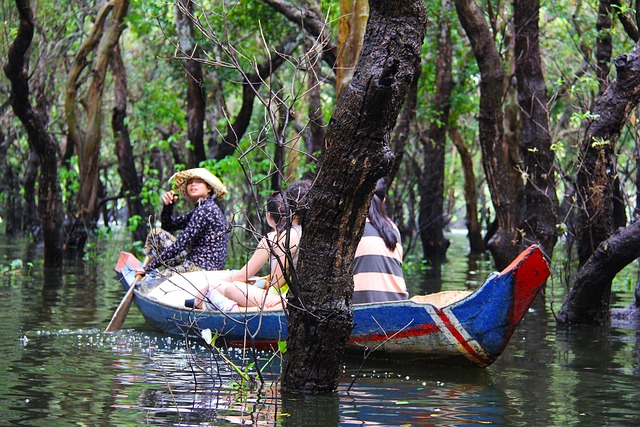
The travel and tourism industry has transformed significantly as travelers seek greater flexibility, personalization, affordability, luxury, authenticity, adventure, and shareable experiences. From spontaneous weekend trips to highly customized international journeys, the modern tourism ecosystem serves an extraordinarily broad customer base.
That opportunity comes with complexity. Tourism businesses must manage seasonality, people, supply chains, logistics, customer expectations, technology, competition, changing travel behavior, and financial uncertainty at the same time.
Financial forecasting provides a framework for navigating that complexity. It helps business owners understand where revenue may come from, when cash may be tight, what level of demand is required to cover costs, and how different scenarios could affect the organization.
The most important strategic principle is to avoid making major decisions based solely on emotion or a single difficult month. A temporary slowdown, an operational problem, or an unexpected disruption deserves careful diagnosis before a permanent decision is made.
For entrepreneurs and tourism professionals, the combination of financial discipline, customer understanding, operational preparedness, people management, and strategic thinking can create a stronger foundation for sustainable growth.
As Business Strategist Hirav Shah emphasizes through his positioning as a business adviser and coach, business challenges require individualized attention rather than one-size-fits-all answers. Whether a tourism company is entering the market, experiencing rapid growth, navigating a difficult period, or preparing for its next stage, the objective should remain the same: understand the situation clearly, evaluate the available options, and make decisions supported by sound business reasoning.