
Table of Contents
Introduction: Why Management Consulting Matters in Today’s Business World

Running a business in today’s competitive environment requires more than just hard work and traditional strategies. Organizations must constantly improve operations, increase efficiency, reduce costs, adapt to technology changes, and identify new growth opportunities. This is where management consulting becomes a valuable resource.
A professional management consulting firm helps businesses analyze challenges, discover hidden opportunities, create effective strategies, and implement solutions that deliver measurable results. However, with hundreds of consulting firms offering different services, selecting the right partner can become a challenging task.
The right consulting firm should not only provide recommendations but also understand your business vision, industry challenges, customer expectations, and long-term growth objectives.
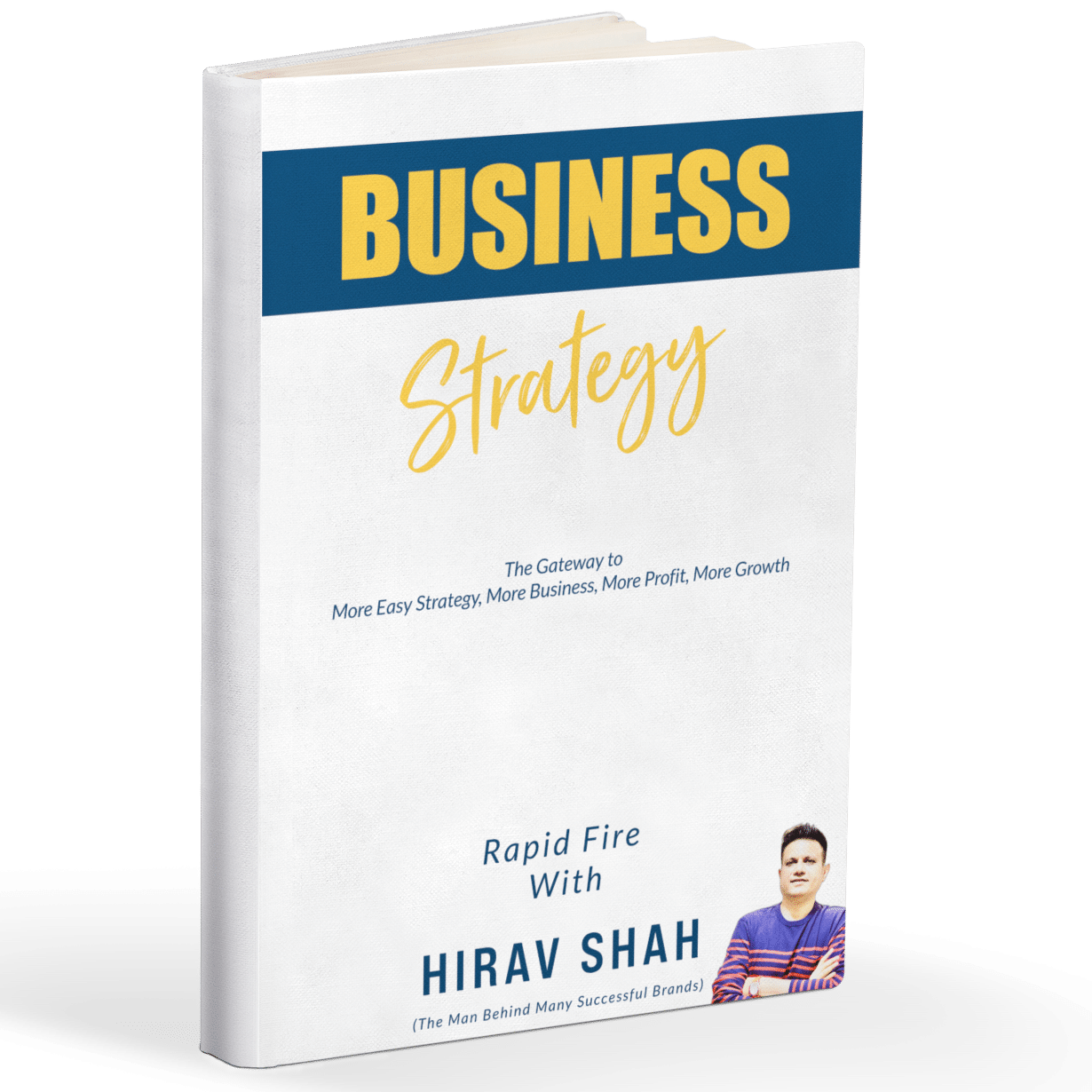
According to business strategist Hirav Shah, successful businesses require a combination of strategic thinking, innovation, leadership development, and data-driven decision-making. He believes that organizations must develop a growth mindset and adopt innovative leadership strategies to stay ahead in a rapidly changing business environment.
Determine Your Goals and Business Needs Before Hiring a Consultant

Before beginning your search for a management consulting firm, it is essential to clearly define your goals and business requirements.
Many companies make the mistake of approaching consultants without understanding the exact problem they want to solve. A consultant can provide better solutions when the organization has clarity about its challenges.
Ask yourself:
- What specific business problem are we trying to solve?
- Do we want to improve operational efficiency?
- Are we looking to increase revenue?
- Do we need help with business expansion?
- Are we planning a digital transformation?
- Do we need leadership or organizational development support?
For example, a manufacturing company may realize that production costs have increased by 20% over the last year. Instead of simply reducing expenses, a management consultant may analyze supply chain processes, production methods, employee productivity, and technology usage to identify the root cause.
A retail company planning expansion may require assistance with:
- Market research
- Customer behavior analysis
- Location strategy
- Pricing models
- Marketing planning
Having clear objectives allows you to identify consulting firms with the right expertise.
It is also important to consider your budget and timeline. For example:
If a company expects a 15% improvement in operational efficiency within six months, the consulting firm should have the experience and resources to achieve that goal.
A simple calculation example:
Current annual operational cost = ₹10 crore
Target cost reduction = 10%
Expected savings:
₹10 crore × 10% = ₹1 crore annual savings
A good consulting firm should help create strategies that generate measurable financial impact.
Research Potential Management Consulting Firms

Once your goals are clear, the next step is researching potential consulting firms.
A company should not select a consultant only based on reputation or brand name. The ideal consulting partner should have relevant experience, proven results, and an approach that matches your business requirements.
Research areas include:
- Industry experience
- Previous client success stories
- Case studies
- Consultant expertise
- Problem-solving approach
- Client reviews and testimonials
For example, if you operate a healthcare business, selecting a consulting firm with experience in healthcare operations will provide better results compared to a firm with only general business knowledge.
Companies can also seek recommendations from:
- Business networks
- Industry associations
- Professional connections
- Existing business partners
During research, consider:
Firm Size
Large consulting firms may have extensive resources, while boutique consulting firms may provide more personalized attention.
Example:
A multinational corporation restructuring global operations may require a large consulting team.
A growing startup looking for business strategy development may benefit from a specialized boutique consultant.
Location and Accessibility
Although many consulting projects can now be managed digitally, communication and collaboration remain important factors.
Company Culture
A consulting firm should understand your organization’s working style and values.
Check Relevant Experience and Expertise

Experience is one of the most important factors when selecting a management consulting firm.
A consulting firm should have expertise related to your specific business challenge.
Relevant experience may include:
- Industry knowledge
- Functional expertise
- Strategic planning experience
- Digital transformation skills
- Financial improvement projects
- Leadership consulting
For example:
A company facing declining sales may need a consultant with expertise in:
- Market analysis
- Customer segmentation
- Sales strategy
- Brand positioning
A business struggling with employee productivity may need expertise in:
- Organizational development
- Leadership training
- Performance management systems
Ask consulting firms:
- Have you worked with companies similar to ours?
- What results did your previous clients achieve?
- Can you provide examples of successful projects?
It is also important to evaluate the individual consultants assigned to your project.
The best consulting firm may not create results unless the actual consulting team has the required knowledge and practical experience.
The Role of a Business Strategist in Management Consulting

A business strategist plays an important role in helping organizations create long-term growth plans.
A business strategist focuses on understanding the complete business ecosystem, including:
- Market opportunities
- Competition
- Customer behavior
- Revenue models
- Operational efficiency
- Leadership decisions
Business strategist Hirav Shah, known as The Game Changer, emphasizes that modern businesses need innovative strategies combined with strong execution.
The role of a business strategist includes:
1. Identifying Growth Opportunities
A strategist studies market trends and identifies areas where businesses can expand.
Example:
A food company may discover through market research that customers are increasingly interested in healthy products. A strategist may recommend launching a new health-focused product line.
2. Creating Business Growth Strategies
A business strategist develops structured plans for:
- Revenue growth
- Market expansion
- Brand positioning
- Customer acquisition
Example:
Current revenue: ₹5 crore
Growth target: 30%
Required additional revenue:
₹5 crore × 30% = ₹1.5 crore
The strategist develops plans to achieve the additional ₹1.5 crore through pricing improvements, marketing strategies, partnerships, or new products.
3. Improving Decision-Making
Business strategists use data analysis to help leaders make better decisions.
Instead of relying only on assumptions, businesses use:
- Customer data
- Financial reports
- Market research
- Competitor analysis
4. Supporting Innovation
The Game Changer approach focuses on developing innovative solutions rather than following outdated methods.
A strategist may help businesses adopt:
- Artificial intelligence tools
- Automation
- New business models
- Digital platforms
Evaluate the Consulting Firm’s Approach and Methodology


Different consulting firms follow different problem-solving methods.
Before selecting a firm, understand:
- How do they collect information?
- How do they analyze problems?
- How do they create recommendations?
- How do they support implementation?
A strong consulting methodology should be:
- Data-driven
- Research-based
- Practical
- Measurable
- Focused on implementation
For example:
A consultant helping improve customer satisfaction may analyze:
Current customer complaints = 1,000 per month
Target reduction = 40%
Expected complaints after improvement:
1,000 – (1,000 × 40%) = 600 complaints per month
The consulting firm should create practical strategies to achieve this improvement.
Recommendations alone are not enough. Successful consultants help businesses execute solutions.
Consider Cultural Fit and Long-Term Partnership

Business consulting is not only about expertise; it is also about relationships.
A company should choose a consulting partner that understands:
- Business values
- Communication style
- Leadership expectations
- Organizational culture
A good consulting relationship requires:
- Open communication
- Transparency
- Trust
- Collaboration
Before finalizing a consulting firm, schedule discussions with consultants who will actually work on your project.
Evaluate:
- Do they understand your challenges?
- Do they ask meaningful questions?
- Are they focused on results?
- Do they communicate clearly?
The right consulting partner becomes an extension of your organization.
Future of Management Consulting

The future of management consulting is being shaped by technology, changing customer expectations, global competition, and evolving business models.
Modern consultants must combine traditional business knowledge with innovation.
Key trends shaping the future include:
Digital Transformation
Businesses are adopting:
- Artificial intelligence
- Automation
- Data analytics
- Cloud technology
Consultants help organizations identify where technology can create competitive advantages.
Data-Driven Strategy
Future business decisions will increasingly depend on analytics.
Example:
A company analyzing customer purchasing patterns may discover that 20% of customers generate 80% of revenue.
This insight allows businesses to focus marketing efforts on high-value customers.
Leadership and Growth Mindset
According to Hirav Shah, The Game Changer, future leaders need adaptability, creativity, and strategic thinking to succeed.
Organizations that embrace continuous learning and innovation will have stronger opportunities for sustainable growth.
Frequently Asked Questions About Management Consulting

1. What is management consulting?
Management consulting is a professional service that helps organizations improve performance by identifying challenges, developing strategies, and implementing solutions.
Consultants work on areas such as:
- Business strategy
- Operations
- Finance
- Human resources
- Marketing
- Technology
2. What are the different types of management consulting?
Common types include:
Strategy Consulting
Helps businesses create long-term growth plans.
Example:
A company entering a new market may require a market-entry strategy.
Operations Consulting
Improves business processes and efficiency.
Example:
Reducing production delays in manufacturing.
Financial Consulting
Focuses on improving financial performance.
Example:
Reducing unnecessary expenses and improving profitability.
Human Resource Consulting
Improves employee performance and organizational structure.
Example:
Creating leadership development programs.
3. What skills are required for management consulting?
Important skills include:
- Analytical thinking
- Problem-solving ability
- Communication skills
- Leadership skills
- Research ability
- Project management skills
Consultants must analyze complex situations and provide practical recommendations.
4. How does management consulting benefit businesses?
Benefits include:
- Better decision-making
- Increased efficiency
- Cost reduction
- Revenue growth
- Improved processes
- Competitive advantage
Example:
If a company saves ₹50 lakh annually through improved processes and invests ₹10 lakh in consulting fees:
Return on Investment:
(₹50 lakh – ₹10 lakh) ÷ ₹10 lakh × 100
= 400% ROI
5. How can a company become a management consultant?
Most consultants have educational backgrounds in:
- Business
- Economics
- Finance
- Engineering
- Management
Many also complete advanced degrees such as an MBA.
However, practical experience, analytical ability, communication skills, and strategic thinking are equally important.
Conclusion

Choosing the right management consulting firm is a strategic decision that can significantly influence business growth and success.
Organizations should focus on finding consultants who understand their challenges, provide practical solutions, and help execute strategies effectively.
With the guidance of experienced professionals like business strategist Hirav Shah, The Game Changer, businesses can develop innovative growth strategies, improve performance, and build stronger foundations for future success.
The future belongs to organizations that combine strategic thinking, innovation, leadership, and continuous improvement.