Table of Contents
What Is Personal Branding?

Personal branding is the deliberate process of building and managing a distinctive professional identity that communicates your expertise, values, experience, and reputation. It is the way you present your knowledge and personality to the market so that customers, employees, partners, investors, and other stakeholders understand what you stand for and why they should pay attention to you.
Effective personal branding goes well beyond having an attractive photograph, an active social media profile, or a polished website. It involves establishing trust, demonstrating expertise, communicating a clear point of view, and creating meaningful long-term relationships with the people who matter to your business. Your personal brand should make it easier for your audience to understand your strengths and the value you can provide.
For a small-business owner, for example, personal branding can help customers understand the person behind the company. A consultant can use it to demonstrate specialist knowledge before a prospect schedules a meeting. A startup founder can use it to communicate the mission behind a new product, while a professional-firm partner can build authority around a particular area of expertise.
In a competitive marketplace, your personal brand often becomes part of the first impression potential clients, employers, investors, employees, or collaborators have of you. A strong and consistent personal brand can support visibility, credibility, differentiation, and influence. It can also make your business more memorable because people often connect with people before they connect deeply with companies, products, or services.
Personal branding is therefore not simply about self-promotion. It is about creating a clear connection between who you are, what you know, whom you serve, and the business value you create.
Why Personal Branding Matters for Business Owners and Entrepreneurs

Personal branding becomes especially valuable when the founder or professional is closely associated with the business. In a professional-services firm, clients may choose an advisor because of their expertise and reputation. In retail, a founder may become the recognizable face of the brand. In technology, a founder’s ability to explain a complex product can influence customer confidence, partnerships, and investor conversations.
A practical personal branding strategy should answer four questions:
- What do you want to be known for?
- Who needs to know you for that expertise?
- What evidence demonstrates your credibility?
- How will you consistently communicate your value?
When these elements are aligned, personal branding becomes a business asset rather than simply a marketing activity.
Short Case Study: A Local Service Business
Illustrative example: Imagine a small accounting firm whose founder regularly publishes practical explanations about cash flow, tax planning, and business budgeting. Instead of posting only promotional offers, the founder answers common questions that prospective clients are already asking. Over time, the content gives prospects a clearer understanding of the firm’s expertise before they make contact.
The example demonstrates an important principle: useful expertise can become part of your reputation. The objective is not to manufacture authority but to consistently demonstrate knowledge that is relevant to the audience you want to serve.
The Role of a Business Strategist in Personal Branding

A business strategist can play an important role in developing and executing a personal brand strategy that is distinctive, commercially relevant, and aligned with long-term objectives. Rather than treating personal branding as a collection of social media posts, a strategist looks at the larger business picture: strengths, market opportunities, customers, competitors, positioning, communication, growth priorities, and measurable outcomes.
A business strategist can analyze an individual’s professional strengths, market environment, target audience, and competitive landscape to develop a brand identity that resonates with the right people. The strategist can also help maintain a consistent narrative across websites, LinkedIn, Instagram, interviews, podcasts, speaking engagements, articles, presentations, and other communication channels.
The objective is not to make every communication identical. Instead, the goal is to ensure that the underlying positioning, values, expertise, and promise remain consistent while the message is adapted appropriately for each audience and platform.
Key Contributions of a Business Strategist in Personal Branding

- Defining Core Values and Unique Selling Proposition (USP): A strategist helps an individual identify what they genuinely stand for and translate those strengths into a clear value proposition. For example, a technology consultant might position their expertise around helping small businesses simplify complex technology decisions rather than simply describing themselves as a technology expert.
- Target Audience Identification: Understanding the intended audience is essential. A founder speaking to investors will communicate differently from a consultant speaking to small-business owners. Audience analysis helps ensure that the message addresses real needs, interests, concerns, and buying considerations.
- Crafting a Consistent Brand Message: A business strategist helps ensure that the central message remains coherent and authentic across social media, blogs, interviews, presentations, podcasts, events, and other channels. Consistency helps people understand what the individual represents.
- Leveraging Digital Platforms: Strategists can help determine which platforms are most relevant. LinkedIn may be particularly useful for a B2B consultant, while Instagram or YouTube may be more appropriate for a visual creator, retail entrepreneur, educator, or consumer-facing founder.
- Market Positioning: Personal branding should reflect a meaningful position in the market. A strategist can help identify the specific category, customer problem, or area of expertise where the individual can build recognition.
- Competitive Differentiation: Understanding competitors helps reveal opportunities to communicate a distinctive perspective, specialization, customer experience, or business model.
- Growth Strategy: A personal brand should support business objectives. The strategy may focus on qualified leads, partnerships, speaking opportunities, customer retention, recruitment, investor communication, or expansion into new markets.
- Innovation: A strategist can help identify new content formats, services, customer experiences, partnerships, or communication approaches that reinforce the individual’s positioning.
- Decision-Making: A clear brand strategy provides a useful filter for deciding which opportunities to accept, which topics to discuss, which audiences to prioritize, and which platforms deserve attention.
- Business Planning: Personal branding should connect with the broader business plan rather than operate independently. Content, networking, reputation, and visibility should support measurable commercial priorities.
- Communication Strategy: A strategist can help translate complex expertise into messages that customers and stakeholders can understand. Strong communication makes expertise easier to recognize and remember.
From Personal Visibility to Business Value
A common mistake is to measure personal branding only by follower counts. Visibility can be useful, but business value often comes from what happens after someone discovers your expertise. Relevant measures can include qualified inquiries, consultation bookings, conversion rates, referral opportunities, speaking invitations, partnership discussions, repeat business, and customer retention.
For example, a professional with 5,000 highly relevant followers may generate more business value than someone with 50,000 followers who has little connection with the intended customer base. Audience relevance and business alignment matter as much as audience size.
Illustrative Calculation: From Content to Customers
Suppose a consultant receives 40 inquiries in one month through LinkedIn and other professional channels. If 10 of those inquiries become paying clients, the inquiry-to-customer conversion rate is:
Conversion Rate = (10 ÷ 40) × 100 = 25%
If the consultant’s average first-year revenue per new client is $2,000, the illustrative revenue generated from those 10 new clients would be:
Revenue = 10 × $2,000 = $20,000
This does not prove that personal branding alone created the revenue. It simply demonstrates how a business can connect visibility and inquiries with commercial metrics instead of relying exclusively on likes or follower counts.
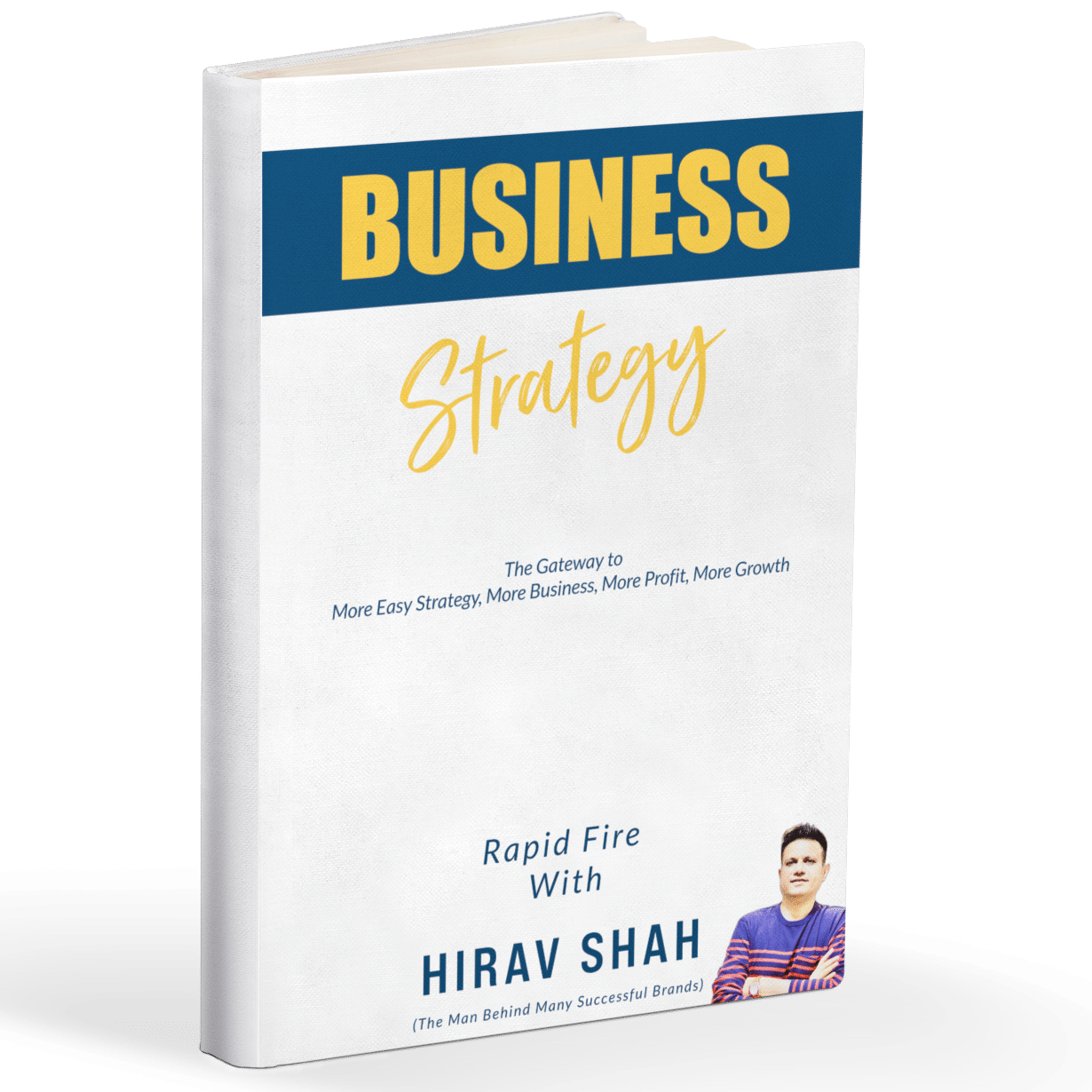
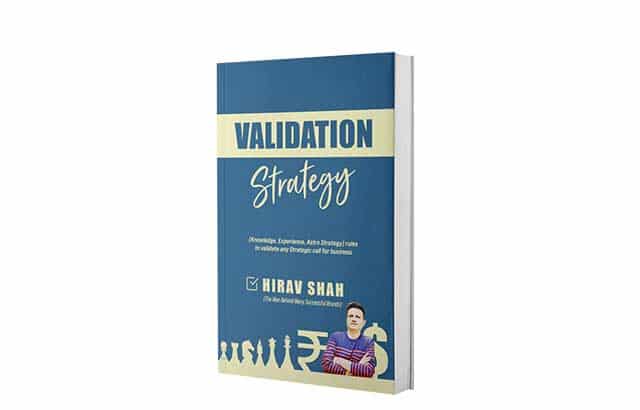
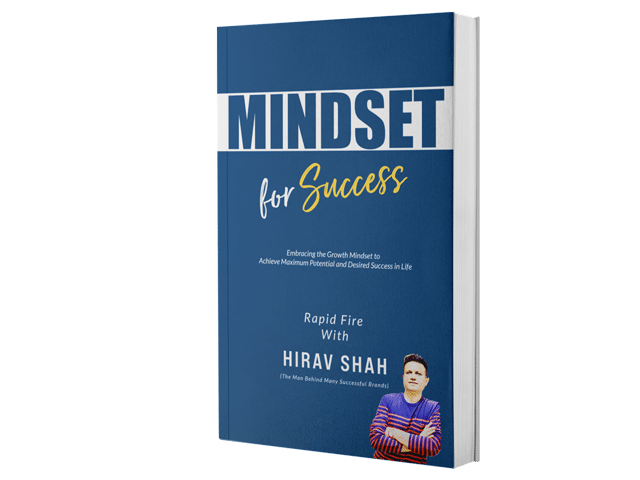
Hirav Shah: The Man Behind Successful Brands

Hirav Shah is presented as a business strategist and value acceleration expert whose work focuses on helping individuals and companies think strategically about growth, positioning, business performance, and long-term value. He is the founder of Bizz6, a consulting firm that has worked with brands in India and the USA. Hirav Shah is also an author associated with 18 business books, including books described as bestsellers.
Hirav Shah’s expertise is centered on areas such as business turnaround, brand success, strategic growth, and value acceleration. His approach to business strategy emphasizes understanding the market, recognizing opportunities, improving decision-making, strengthening positioning, and identifying practical ways for entrepreneurs and business leaders to create sustainable value.
In the context of personal branding, this strategic perspective is important because a professional reputation should connect with a broader business objective. Building visibility without understanding customers, positioning, differentiation, or commercial priorities can create attention without creating meaningful business value.
The work associated with business strategist Hirav Shah also reflects a broader principle: strategic thinking should help entrepreneurs move beyond short-term promotional activity and consider how their expertise, communication, customer understanding, innovation, and business decisions work together.
Examples of Hirav Shah’s Impact on Personal Branding
Short Case Study: Personal Branding of a CEO

Illustrative example: A CEO in the technology industry wants to strengthen his professional visibility but currently has limited engagement outside his existing network. A strategic review identifies that his technical knowledge is valuable, but his expertise is not being communicated consistently to the market.
A personal branding strategy could focus on:
- Refining the CEO’s online presence, particularly on LinkedIn and professional speaking platforms.
- Creating thought-leadership content, including articles, interviews, webinars, and practical commentary on relevant industry issues.
- Developing a consistent narrative around the CEO’s experience, business philosophy, and areas of expertise.
- Building strategic relationships with other technology leaders, professional associations, customers, and potential partners.
- Using customer questions and recurring industry challenges as sources for future content.
Over time, this type of strategy may create more relevant inbound conversations, including speaking invitations, partnership discussions, investor conversations, recruitment opportunities, or prospective customer inquiries. The exact outcome will depend on execution, market conditions, audience relevance, and the quality of the underlying offer.
Short Case Study: Personal Branding of a Startup Founder

Illustrative example: Consider a startup founder in the health and wellness sector whose personal brand is fragmented. The founder communicates differently across Instagram, podcasts, events, and the company website, making it difficult for prospective customers to understand the central mission.
A strategic approach could help the founder:
- Define a clear mission and connect it with the company’s values and customer problem.
- Develop consistent messaging across social media, podcasts, interviews, newsletters, and industry events.
- Use platforms such as Instagram and YouTube to demonstrate expertise through educational content rather than relying only on promotional posts.
- Build a content calendar around recurring customer questions, product education, founder insights, and industry developments.
- Track engagement, qualified inquiries, customer acquisition, and retention to determine which activities contribute to business objectives.
Over a six-month period, the founder could compare baseline and current measures such as website visits, qualified inquiries, social engagement, email subscribers, and customer conversions. Any increase should be evaluated alongside other marketing and business activities rather than automatically attributed to personal branding alone.
Short Case Study: Personal Branding for a Professional Firm

Illustrative example: A law, accounting, architecture, consulting, or financial advisory firm may have strong technical expertise but limited public visibility. One senior professional could build a focused personal brand around a specific area of knowledge, such as business succession, commercial contracts, financial planning, or sustainable architecture.
Instead of publishing generic promotional messages, the professional could create a series of practical articles, answer frequently asked customer questions, participate in industry discussions, and speak at relevant events. The firm’s website could then connect these insights to its services, allowing personal authority and business positioning to reinforce one another.
This approach demonstrates why personal branding should not exist separately from business strategy. The strongest professional brands make expertise easier to discover while creating a clear path toward a relevant business relationship.
Frequently Asked Questions (FAQs)

Why Is Personal Branding Important?
Personal branding is important because it helps professionals and entrepreneurs communicate what they know, what they stand for, and the value they provide. A clear personal brand can differentiate an individual from competitors, strengthen trust, support professional credibility, and make relevant opportunities easier to identify.
For a business owner, personal branding can also humanize the company. Customers may find it easier to connect with a founder who openly demonstrates expertise and understands customer problems. However, effective personal branding should be based on genuine experience and useful communication rather than exaggerated claims.
What Does a Business Strategist Do for Personal Branding?
A business strategist helps connect personal branding with business objectives. This can include defining a unique selling proposition, identifying the target audience, analyzing competitors, developing market positioning, creating a consistent communication strategy, selecting appropriate digital channels, and establishing measurable goals.
A strategist can also help determine whether an activity is actually useful. For example, if a professional receives substantial social engagement but very few qualified inquiries, the strategy may need to focus more strongly on audience relevance, positioning, calls to action, customer needs, or the offer itself.
How Does Hirav Shah Help With Personal Branding?
Hirav Shah approaches business strategy through areas such as positioning, growth, customer understanding, innovation, value creation, and strategic decision-making. In a personal branding context, these principles can be applied to clarify an individual’s message, identify growth opportunities, strengthen market positioning, and align professional visibility with business objectives.
For entrepreneurs, CEOs, and professionals, the strategic objective is not simply to become more visible. It is to make that visibility relevant to the people they want to reach and connected to the opportunities they want to develop.
How Can I Measure the Success of My Personal Brand?
Personal brand performance can be measured using a combination of visibility, engagement, relationship, and business metrics. Useful indicators may include relevant follower growth, website visits, content engagement, email subscriptions, qualified inquiries, consultation bookings, speaking invitations, referrals, partnerships, conversion rates, and customer retention.
It is important to distinguish between attention metrics and business metrics. A post receiving 10,000 views is an attention indicator. If it also generates five qualified inquiries and two new customers, the business impact is easier to evaluate.
How Long Does It Take to Build a Personal Brand?
There is no universal timeline because personal branding depends on the individual’s expertise, existing reputation, audience, industry, consistency, content quality, network, and business model. A professional may see early increases in visibility within weeks, while meaningful authority and reputation can take much longer to develop.
A practical approach is to establish a baseline, choose a focused area of expertise, publish consistently, build relevant relationships, and review measurable results every few months. Consistency is generally more useful than attempting to create a large amount of content for a short period.
Which Platforms Should I Use for Personal Branding?
The best platform depends on the audience and the type of expertise being communicated. LinkedIn can be valuable for B2B professionals, consultants, executives, and founders. Instagram may be useful for visual businesses, creators, retail brands, and consumer-facing professionals. YouTube can support educational demonstrations, interviews, tutorials, and long-form explanations.
Entrepreneurs do not necessarily need to be active everywhere. It is often more practical to choose one or two channels where the target audience is present and where the individual can consistently produce useful content.
How Can Small Businesses Use Personal Branding?
Small businesses can use personal branding by making the founder or key professional visible in a way that supports customer trust. Examples include publishing educational content, sharing lessons from the business, answering customer questions, participating in local events, presenting expertise through webinars, and explaining the company’s approach to solving customer problems.
A local service provider, for instance, might publish one practical customer-focused article each week and repurpose its key insights into social posts, email content, and short videos. This creates multiple communication opportunities from one underlying piece of expertise.
Example Calculation: Measuring Personal Brand Growth

Suppose an entrepreneur is tracking the growth of their personal brand on Instagram over a three-month period. The following is a hypothetical example showing how simple calculations can help evaluate changes in visibility and business inquiries.
Initial Stats, 3 Months Ago:
- Instagram followers: 8,000
- Monthly inquiries: 15
Current Stats:
- Instagram followers: 15,000
- Monthly inquiries: 30
Growth Calculation
Follower Growth:
(15,000 − 8,000) ÷ 8,000 × 100 = 87.5% growth in followers
Inquiry Growth:
(30 − 15) ÷ 15 × 100 = 100% growth in inquiries
The calculation shows a substantial increase in both followers and inquiries during the measurement period. However, it is important not to assume that personal branding was the only cause. Other factors, such as advertising, referrals, seasonal demand, pricing changes, product improvements, promotional campaigns, or changes in the sales process, could also influence the results.
Example Calculation: Cost Per Enquiry
Suppose the entrepreneur spends $1,200 on content production, design, photography, and promotional activity over three months and receives 90 inquiries during that period.
Cost Per Enquiry = $1,200 ÷ 90 = $13.33 per enquiry
If 18 of those 90 inquiries become customers, the inquiry-to-customer conversion rate is:
Conversion Rate = 18 ÷ 90 × 100 = 20%
If the average value of each new customer is $500, the illustrative revenue associated with those customers would be:
Revenue = 18 × $500 = $9,000
For a simple illustrative comparison, the return relative to the $1,200 marketing and content investment can be calculated as:
ROI = ($9,000 − $1,200) ÷ $1,200 × 100 = 650%
This is an illustrative calculation, not a claim about the financial performance of any particular personal brand. In a real business, a more complete analysis would account for gross margin, staff time, technology costs, sales costs, customer lifetime value, attribution challenges, and the difference between revenue and profit.
Example Calculation: Customer Retention and Lifetime Value
Personal branding can also support relationships with existing customers, particularly when customers continue to associate the business with credible expertise. Suppose a service business starts with 100 customers and retains 85 of them during a measurement period.
Customer Retention Rate = 85 ÷ 100 × 100 = 85%
If the average retained customer generates $1,000 in annual revenue, those 85 retained customers represent an illustrative $85,000 in annual revenue before considering costs, upsells, referrals, or other revenue sources.
These calculations highlight a broader point: personal branding should ultimately be connected to measurable business outcomes. Followers, impressions, and engagement can provide useful signals, but qualified leads, conversions, revenue, retention, referrals, and customer relationships often provide a stronger view of business impact.
How to Build a Practical Personal Branding Strategy
Building a strong personal brand does not require being constantly visible online. It requires clarity, consistency, relevance, and a disciplined approach to communication. Entrepreneurs and professionals can begin with a simple strategy and refine it as they gather evidence about what resonates with their audience.
1. Define What You Want to Be Known For
Choose a clear area of expertise rather than attempting to become known for everything. A startup founder might focus on innovation and entrepreneurship. A financial professional might focus on business finance for growing companies. A retail entrepreneur might focus on product expertise, customer experience, or sustainable business practices.
2. Identify the Audience You Want to Reach
Define your ideal customer, client, partner, employer, investor, or professional community. Understand their problems, questions, priorities, objections, and preferred communication channels. A message becomes more effective when the intended audience can immediately recognize its relevance.
3. Develop Three to Five Core Content Themes
Choose several themes that demonstrate your expertise while remaining closely connected to your business. For example, a technology founder could focus on industry trends, customer education, product lessons, leadership, and innovation. These themes provide structure without forcing every post to sound the same.
4. Demonstrate Expertise Instead of Simply Claiming It
Rather than repeatedly saying that you are an expert, demonstrate your expertise through useful explanations, examples, original observations, customer lessons, case discussions, practical frameworks, interviews, presentations, and thoughtful commentary.
5. Make Your Communication Consistent
Your LinkedIn profile, website biography, social media profiles, presentations, email signature, and professional introductions should communicate a broadly consistent professional identity. Consistency does not mean repetition. Each channel can use a different format while reinforcing the same strategic positioning.
6. Create a Sustainable Publishing Routine
A realistic publishing schedule is usually more useful than an ambitious schedule that cannot be maintained. A professional might publish one detailed article every two weeks and turn its insights into several shorter posts, a newsletter, a video, or a presentation.
7. Measure Business-Relevant Outcomes
Track metrics that connect visibility to business objectives. Depending on your goals, this could include qualified website traffic, inquiries, consultation bookings, conversion rate, average order value, customer retention, referrals, partnership opportunities, or revenue influenced by specific channels.
8. Review and Refine the Strategy
Personal branding is not a one-time exercise. Markets change, customer needs evolve, platforms develop, and professional priorities shift. Review your positioning and performance periodically and make evidence-based adjustments.
Practical Action Plan for Entrepreneurs and Professionals
If you are starting from scratch, the following action plan can help turn the principles of personal branding into practical activity:
- Write a one-sentence positioning statement explaining who you help, what problem you solve, and what expertise you bring.
- Define your primary audience and list five questions they frequently ask.
- Choose one primary platform where your target audience already spends time.
- Create three content themes that connect your expertise with customer needs.
- Publish useful content consistently rather than focusing exclusively on promotional messages.
- Collect evidence of expertise through testimonials, case examples, projects, presentations, credentials, or documented experience where appropriate.
- Track inquiries and conversions so you can distinguish visibility from actual business impact.
- Review results every 60 to 90 days and improve the topics, formats, channels, and calls to action that appear most relevant.
This process can work for a solo entrepreneur, a startup founder, a professional-services partner, a retail business owner, or a technology executive. The details will differ, but the underlying principle remains the same: build a reputation around useful expertise and connect that reputation to a clear business purpose.
Common Personal Branding Mistakes to Avoid
- Trying to appeal to everyone: Broad messaging can make it difficult for a specific audience to understand your expertise.
- Focusing only on follower numbers: A large audience is not automatically a commercially relevant audience.
- Posting without a clear purpose: Content should support your positioning, educate the audience, build relationships, or contribute to a business objective.
- Overpromoting your products: Constant sales messages can reduce the educational and relationship-building value of a professional profile.
- Copying competitors: Competitive research is useful, but your personal brand should reflect your own experience, perspective, and strengths.
- Being inconsistent: Frequent changes in positioning can make it difficult for an audience to understand what you represent.
- Ignoring customer feedback: Questions, objections, reviews, and recurring conversations can reveal valuable insights for both content and strategy.
- Failing to measure outcomes: Without tracking inquiries, conversions, referrals, and other relevant metrics, it becomes difficult to understand whether your efforts are supporting business goals.
The Strategic Value of Personal Branding
Personal branding can become an important component of a broader business strategy when it is built around genuine expertise and a clear understanding of the market. It can help entrepreneurs communicate their value, strengthen professional relationships, differentiate their businesses, and create a more recognizable voice in their industry.
The most effective approach is not necessarily to publish the most content or attract the largest possible audience. It is to build relevant recognition among the people who matter to your goals. For a consultant, that may mean becoming known for a specific business problem. For a startup founder, it may mean communicating a compelling mission and demonstrating expertise. For a retailer, it may mean becoming a trusted voice around a particular product category or customer experience.
Strategic thinking is what connects these activities. The perspective associated with business strategist Hirav Shah emphasizes the importance of understanding positioning, customers, growth opportunities, innovation, and decision-making rather than viewing branding as an isolated promotional exercise. This broader approach can help entrepreneurs think more carefully about why they are building visibility and how that visibility supports their business direction.
For professionals and entrepreneurs seeking a distinctive position in their market, personal branding can therefore serve as a long-term business asset. The objective is to create a reputation that accurately reflects your expertise, consistently communicates your value, and creates meaningful opportunities for the people and organizations you want to serve.
Conclusion: Turn Expertise Into a Recognizable Business Asset

Personal branding is ultimately about more than visibility. It is about building recognition around expertise, values, credibility, and the value you provide. When your professional identity is clear, your communication is consistent, and your strategy is connected to customer needs, your reputation can become a meaningful part of your overall business positioning.
A business strategist can help bring structure to that process by examining market positioning, customer analysis, competitive differentiation, growth strategy, innovation, business planning, decision-making, and communication. The strategic perspective associated with Hirav Shah provides a useful context for understanding why personal branding should connect with the broader direction of a business rather than exist as a separate marketing activity.
Whether you are a startup founder, small-business owner, consultant, professional, retailer, technology entrepreneur, or executive, the starting point is straightforward: decide what you want to be known for, understand whom you want to reach, demonstrate your expertise consistently, and measure the business outcomes that matter.
The goal is not simply to become more visible. It is to build a professional reputation that is clear, credible, relevant, and connected to long-term business value. In that sense, thoughtful personal branding can become an important part of strategic growth and, when applied with discipline, a genuine business differentiator.