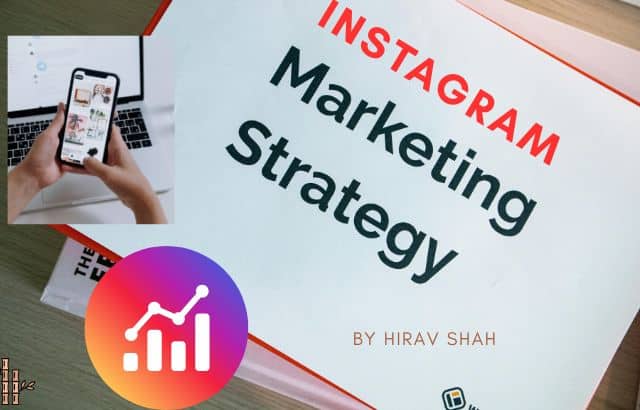
Instagram started as a simple photo-sharing platform where individuals uploaded snapshots of their daily lives. Over the years, however, it has transformed into one of the world’s most powerful marketing ecosystems. Today, businesses of all sizes—from startups and local retailers to multinational corporations—use Instagram to generate leads, build communities, increase brand awareness, and drive substantial revenue growth.
The evolution of Instagram reflects a broader shift in consumer behavior. People no longer rely solely on traditional advertisements to make purchasing decisions. Instead, they discover brands through social media content, influencer recommendations, user-generated experiences, stories, reels, and community interactions.
According to Business Strategist Hirav Shah, businesses that understand how to adapt to changing digital trends gain a significant competitive advantage. Marketing success on Instagram is no longer about posting attractive images alone. It is about creating meaningful engagement, building trust, and developing long-term relationships with audiences.
As consumer expectations continue to evolve, companies must rethink how they communicate, educate, and influence purchasing decisions through Instagram.
Table of Contents
Why Instagram Has Become a Business Growth Engine

Instagram’s influence extends far beyond social networking. It serves as a discovery platform, a communication channel, a customer service medium, and a sales funnel simultaneously.
When consumers encounter a brand on Instagram, they often move through multiple stages of the buying journey:
- Discovery
- Interest
- Consideration
- Trust Building
- Purchase
- Advocacy
This means a single Instagram profile can become an end-to-end customer acquisition system.
Consider a boutique fashion brand.
A potential customer may:
- Discover a reel through hashtags
- Visit the profile
- Watch stories
- Read comments
- View customer testimonials
- Click the website link
- Make a purchase
Every touchpoint contributes to conversion.
From a business strategist’s perspective, Instagram should not be viewed merely as a social platform. It should be treated as a business asset that directly contributes to customer acquisition and revenue generation.
The New Era of Instagram Marketing

Business Strategist Hirav Shah emphasizes that Instagram marketing has evolved from broadcasting messages to facilitating conversations.
Earlier, brands focused on posting promotional content and expecting customers to engage.
Today, successful brands:
- Listen actively
- Respond quickly
- Create interactive content
- Encourage participation
- Build communities
The focus has shifted from “talking at customers” to “engaging with customers.”
This transformation is the foundation of modern Instagram success.
Influencer Marketing: Leveraging Trust at Scale
Why Influencer Marketing Works
Influencer marketing has become one of the most effective Instagram growth strategies because it is based on trust.
Consumers are exposed to thousands of advertisements daily. As a result, traditional promotional messages often face skepticism.
Influencers solve this challenge by acting as trusted intermediaries.
Their followers:
- Respect their opinions
- Trust their recommendations
- Follow their lifestyle choices
- Seek guidance before making purchases
When an influencer recommends a product, it feels more authentic than a direct advertisement from a company.
Understanding the Psychology Behind Influencer Marketing

Influencers build credibility over time by consistently sharing valuable content.
Their audience develops:
- Familiarity
- Emotional connection
- Trust
- Loyalty
These factors significantly influence purchasing decisions.
Imagine a fitness influencer with 200,000 followers.
If the influencer shares a detailed review of a protein supplement and only 2% of followers make a purchase:
200,000 × 2% = 4,000 buyers
If the product costs ₹2,000:
4,000 × ₹2,000 = ₹80,00,000 revenue potential
This illustrates why influencer marketing can generate significant returns.
A Real-World Business Scenario
Consider a skincare startup launching a new organic face serum.
Instead of spending ₹10 lakhs on traditional advertising, the company collaborates with five beauty influencers.
Each influencer:
- Demonstrates product usage
- Shares personal experiences
- Answers follower questions
- Provides discount codes
The result is often:
- Increased trust
- Higher engagement
- Better conversion rates
- Faster brand recognition
From a strategic perspective, influencer marketing allows businesses to borrow trust from established personalities.
Choosing the Right Influencer

A common mistake businesses make is selecting influencers based solely on follower count.
A smarter framework involves evaluating:
Relevance
Does the influencer align with your industry?
Engagement
Are followers actively interacting?
Authenticity
Do recommendations appear genuine?
Audience Match
Does the influencer attract your target customers?
A niche influencer with 20,000 highly engaged followers can often outperform a celebrity influencer with millions of passive followers.
The Strategic Power of Hashtags

Why Hashtags Matter
Hashtags are among Instagram’s most powerful discovery tools.
They categorize content and help users find information aligned with their interests.
Without hashtags, content visibility becomes limited.
With strategic hashtags, brands can dramatically expand reach.
Think of hashtags as digital signboards directing users toward your content.
How Instagram Discovery Works
When users search for topics such as:
- Fitness
- Entrepreneurship
- Marketing
- Real Estate
- Interior Design
Instagram displays relevant content connected to those hashtags.
This creates opportunities for businesses to appear in front of people who may never have heard of the brand before.
Practical Example
Suppose a luxury furniture company posts a premium living room design.
Without hashtags:
Reach = Existing followers only
With hashtags such as:
- #LuxuryInteriors
- #ModernLiving
- #InteriorDesign
- #LuxuryHomes
The post becomes visible to audiences searching for these topics.
A Strategic Hashtag Framework
Business Strategist Hirav Shah recommends balancing hashtags across three categories:
Broad Hashtags
Examples:
- #Marketing
- #Business
- #Fashion
These provide large exposure but face high competition.
Niche Hashtags
Examples:
- #LuxuryInteriorDesign
- #OrganicSkincareIndia
These attract highly relevant audiences.
Brand Hashtags
Examples:
- #YourBrandName
- #YourCampaignName
These strengthen brand identity.
A balanced combination improves both reach and relevance.
Planning Content Strategically for Maximum Engagement

Why Content Planning Matters
Random posting creates inconsistent results.
Strategic content planning ensures that every post serves a purpose.
Successful brands create content ecosystems rather than isolated posts.
Every piece of content contributes to:
- Brand awareness
- Trust building
- Education
- Engagement
- Conversion
The 40-30-20-10 Content Framework
A useful framework for Instagram content planning is:
40% Educational Content
Teach customers something valuable.
Examples:
- Industry tips
- How-to guides
- Expert insights
30% Inspirational Content
Motivate audiences through stories and achievements.
Examples:
- Customer success stories
- Entrepreneur journeys
20% Engagement Content
Encourage interaction.
Examples:
- Polls
- Quizzes
- Questions
10% Promotional Content
Sell products and services.
Examples:
- Product launches
- Offers
- Discounts
This approach prevents audiences from feeling overwhelmed by constant sales messages.
A Case-Based Example
Imagine a real estate company.
Week 1:
Educational Post:
“5 Factors to Consider Before Buying Property”
Week 2:
Client Success Story:
“How a Family Found Their Dream Home”
Week 3:
Interactive Poll:
“Would You Prefer a Villa or Apartment?”
Week 4:
Promotional Offer:
“Special Property Consultation”
The audience remains engaged because content variety creates interest.
Thinking Like a Customer
One of the most important strategic principles is viewing content through the audience’s eyes.
Ask:
- Why would someone stop scrolling?
- What value does this provide?
- Does it educate?
- Does it entertain?
- Does it solve a problem?
Brands that consistently answer these questions create stronger engagement.
Creating High-Impact Instagram Stories

Why Stories Are So Effective
Instagram Stories occupy premium attention space.
When users open Instagram, stories appear immediately at the top.
This placement gives businesses direct access to audience attention.
Stories feel personal, immediate, and authentic.
As a result, users often engage with stories more frequently than traditional posts.
What Businesses Should Post in Stories
Stories can include:
- Product updates
- Behind-the-scenes content
- Team introductions
- Customer testimonials
- Industry insights
- Polls
- Quizzes
- Countdown timers
- Product launches
A Practical Business Scenario
A restaurant launching a new menu can create a sequence of stories:
Story 1:
Chef preparing dishes
Story 2:
Ingredients showcase
Story 3:
Customer tasting reaction
Story 4:
Special launch offer
This storytelling approach creates curiosity and drives action.
Story Engagement Formula
The most successful stories often contain:
- Visual appeal
- Clear messaging
- Interactive elements
- Strong call-to-action
For example:
“Vote for your favorite design”
or
“Swipe to learn more”
These interactions increase audience participation.
Building Conversations Instead of Audiences

The Strategic Shift
Business Strategist Hirav Shah frequently emphasizes the importance of conversation-driven marketing.
Many businesses focus solely on gaining followers.
However, follower count alone does not generate revenue.
Engagement generates revenue.
A profile with:
10,000 engaged followers
can outperform one with:
100,000 inactive followers.
Practical Example
Business A:
100,000 followers
0.5% engagement
Business B:
15,000 followers
8% engagement
Business B often generates stronger business results because the audience is actively involved.
Engagement Activities That Work
Businesses should:
- Reply to comments
- Respond to direct messages
- Conduct polls
- Ask questions
- Host live sessions
- Feature customer content
These actions transform followers into loyal community members.
Measuring Instagram Marketing Success

Key Metrics Every Business Should Track
Strategic decision-making requires data.
Important Instagram metrics include:
Reach
Number of unique users who viewed content.
Engagement Rate
Formula:
Engagement Rate = (Likes + Comments + Shares + Saves) ÷ Reach × 100
Website Clicks
Measures traffic generated.
Lead Generation
Tracks inquiry volume.
Conversion Rate
Measures actual sales.
Example Calculation
Suppose a post receives:
- 600 likes
- 150 comments
- 100 shares
- 150 saves
Total Engagement = 1,000
Reach = 20,000
Engagement Rate:
1,000 ÷ 20,000 × 100
= 5%
A 5% engagement rate generally indicates healthy audience interaction.
Common Instagram Marketing Mistakes Businesses Must Avoid

Posting Without a Strategy
Random content creates random results.
Ignoring Analytics
Data should guide decisions.
Being Overly Promotional
Constant selling reduces engagement.
Inconsistent Posting
Irregular activity weakens audience connection.
Ignoring Community Management
Failing to respond to followers damages relationships.
The Business Strategist’s Perspective on Long-Term Instagram Growth

The most successful brands treat Instagram as a long-term business investment rather than a short-term marketing tactic.
Business Strategist Hirav Shah believes that businesses should focus on building digital assets that continue creating value over time.
Every:
- Post
- Story
- Reel
- Comment
- Conversation
contributes to the overall perception of the brand.
The objective is not merely visibility.
The objective is influence.
Brands that consistently provide value become trusted authorities in their industries.
Trust eventually converts into sales, referrals, partnerships, and sustainable growth.
Frequently Asked Questions (FAQ)

How often should a business post on Instagram?
Consistency matters more than frequency.
For most businesses:
- 3–5 feed posts weekly
- Daily stories
- Regular reels
provide strong results.
Is influencer marketing suitable for small businesses?
Yes.
Micro-influencers often provide excellent ROI because of their highly engaged communities.
How many hashtags should I use?
Quality matters more than quantity.
Use a mix of broad, niche, and branded hashtags relevant to the content.
What type of content performs best?
Content that educates, entertains, inspires, or solves problems generally performs best.
Should every post include a sales message?
No.
A balanced content strategy prioritizes value before promotion.
How long does Instagram marketing take to show results?
Organic growth typically requires several months of consistent effort.
Businesses focused on community building often experience stronger long-term results.
Can Instagram generate direct sales?
Absolutely.
Many businesses use Instagram as a direct revenue channel through product showcases, stories, influencer collaborations, and conversion-focused campaigns.
What is the biggest Instagram marketing mistake?
Focusing solely on followers rather than engagement and customer relationships.
Final Thoughts

Instagram has evolved into one of the most influential business growth platforms in the digital economy. Success on Instagram is no longer determined by attractive visuals alone. It is driven by strategy, consistency, engagement, trust, and audience understanding.
Businesses that embrace influencer marketing, leverage hashtags intelligently, plan content strategically, utilize stories effectively, and prioritize meaningful conversations position themselves for sustainable success.
As Business Strategist Hirav Shah often highlights, digital platforms reward businesses that evolve with changing consumer behavior. Brands that continuously learn, adapt, and engage authentically will not only increase visibility but also create lasting customer relationships that translate into measurable business growth.
The Instagram journey is never truly complete. Like every successful business, it continues to evolve, expand, and strengthen its connection with its audience. Organizations that commit to this ongoing process will be best positioned to achieve long-term relevance, authority, and profitability in the digital age.