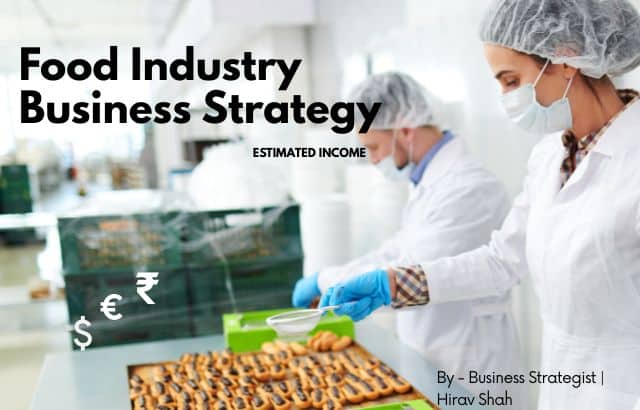
The food industry is one of the largest and most dynamic sectors in the global economy. Every day, millions of businesses—from farmers and food processors to restaurant chains, cloud kitchens, exporters, retailers, wholesalers, and multinational food manufacturers—work together to feed billions of consumers.
Unlike many industries, however, the food business operates under constant pressure. Products have limited shelf lives, customer preferences change rapidly, supply chains span multiple regions, regulations continue evolving, and external factors such as weather, transportation, labor availability, inflation, and geopolitical events can disrupt operations overnight.
While food itself is perishable, businesses built around food are expected to generate sustainable, long-term profits.
This creates one of the most fascinating challenges in business.
How do food businesses consistently generate profits despite operating in an industry filled with uncertainty?
The answer lies in strategic planning, financial forecasting, operational efficiency, risk management, and informed decision-making.
Many businesses rely solely on consultants who often recommend industry-standard solutions. While these recommendations may improve efficiency, every food business has its own ecosystem of suppliers, customers, competitors, workforce, financial strengths, and market positioning.
This is why personalized business strategy becomes invaluable.
Business Strategist Hirav Shah is widely recognized for offering customized strategic direction tailored to the unique circumstances of each business. Rather than relying on generic recommendations, his approach considers business dynamics, leadership decisions, market realities, timing, financial planning, and long-term sustainability.
The objective is not simply solving today’s problems.
It is building tomorrow’s success.
Table of Contents
Why the Food Industry Holds Such Strategic Importance
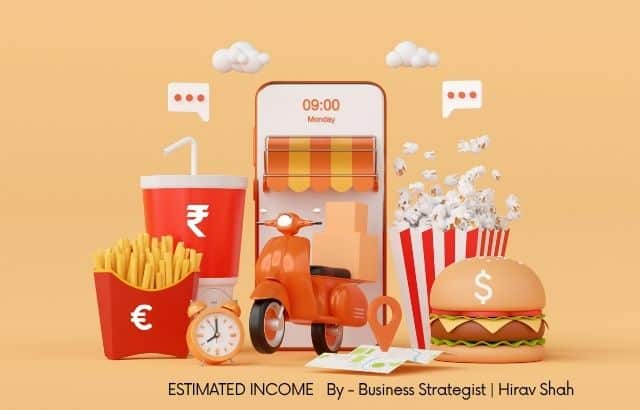
The phrase “Roti, Kapada Aur Makaan” has symbolized life’s three essential necessities for generations. Among these three basic needs, food comes first, forming the very foundation of human survival and economic activity.
Every individual, irrespective of geography, income level, or lifestyle, depends on food every single day. This universal and recurring demand makes the food industry one of the world’s largest and most influential economic ecosystems.
Modern consumer behavior has transformed food from a basic necessity into a complete experience. Today’s consumers no longer purchase food simply to satisfy hunger. Instead, they seek multiple factors that enhance their overall dining and purchasing experience, including:
- Convenience
- Health and nutrition
- Superior taste
- Attractive presentation
- Speed of delivery
- Sustainability
- Brand value
- Digital accessibility
- Memorable customer experiences
The rapid growth of food delivery platforms, cloud kitchens, gourmet dining, organic farming, premium packaged foods, international cuisines, meal subscription services, health-focused products, and ready-to-cook meals has completely reshaped the industry. Businesses are no longer competing solely on the quality of their food—they are competing on convenience, innovation, customer engagement, technology, and overall experience.
A Business Strategist’s Perspective
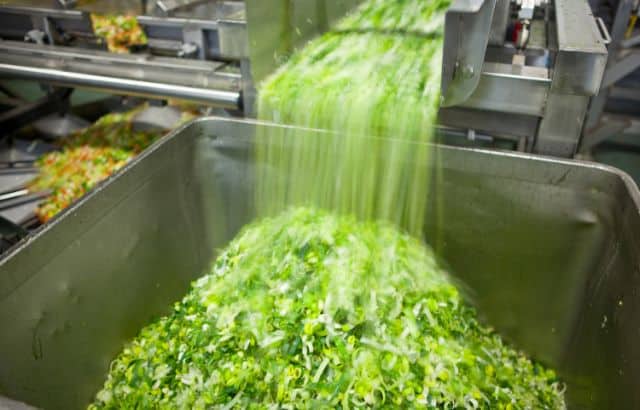
From a business strategist’s perspective, this transformation presents both tremendous opportunities and significant complexities.
Every new consumer trend opens doors for innovation and market expansion. At the same time, each opportunity brings increased competition, evolving customer expectations, operational challenges, and the need for continuous investment in technology, branding, and supply chain efficiency.
For example, the rise of cloud kitchens has lowered entry barriers for entrepreneurs while simultaneously increasing competition among restaurants. Similarly, the growing demand for organic and healthy food has created new market segments but has also introduced stricter quality standards and sourcing challenges.
Businesses that continuously monitor market trends, innovate their offerings, and adapt their business models are far more likely to maintain a competitive advantage.
On the other hand, organizations that resist change or rely solely on traditional business practices often struggle to retain customers, protect profitability, and sustain long-term growth in an increasingly competitive marketplace.
Understanding the Entire Food Industry Ecosystem
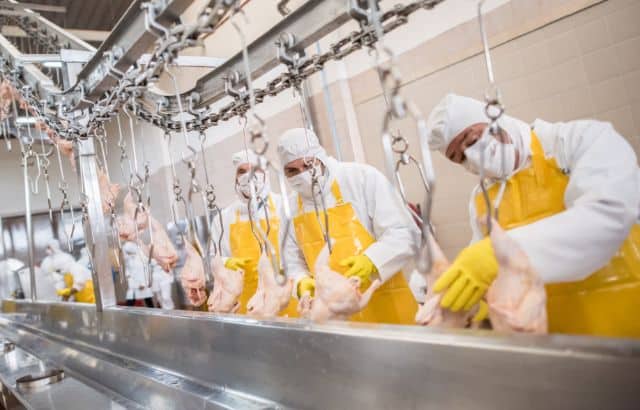
The food industry is much larger than restaurants or packaged food companies.
It represents an interconnected value chain where every participant influences another.
Agriculture
Everything begins with agriculture.
Farmers cultivate grains, vegetables, fruits, spices, herbs, livestock, dairy products, poultry, and seafood.
Weather patterns, irrigation, pest management, soil quality, climate change, government subsidies, and technology significantly influence agricultural productivity.
For example, an unexpected drought reducing tomato production immediately impacts ketchup manufacturers, restaurant chains, pizza brands, food processors, exporters, wholesalers, and retailers.
A business strategist views agriculture not merely as production but as the foundation of business continuity.
Agricultural Manufacturing
Agriculture depends heavily upon supporting industries.
These include:
- Farm equipment
- Irrigation systems
- Fertilizers
- Agricultural chemicals
- Seeds
- Greenhouse technologies
- Cold storage equipment
- Precision farming technologies
Without innovation in these supporting sectors, agricultural productivity cannot expand efficiently.
Food Processing
Food processing converts raw agricultural products into value-added goods.
Examples include:
- Milk into cheese
- Wheat into flour
- Tomatoes into sauces
- Fruits into juices
- Corn into snacks
Processing increases shelf life, improves convenience, maintains quality, and creates branding opportunities.
However, it also introduces manufacturing risks, quality control challenges, regulatory compliance requirements, and inventory management complexities.
Marketing and Brand Positioning
Today’s consumers often purchase brands before they purchase products.
Packaging design, storytelling, nutritional information, certifications, advertising campaigns, influencer marketing, digital promotions, and customer reviews heavily influence buying decisions.
For example, two brands may sell identical honey.
The premium-priced brand often wins because consumers trust its branding more than the actual product differentiation.
This demonstrates why marketing has become an essential investment rather than an optional expense.
Logistics and Distribution
The journey from farm to consumer involves transportation, warehouses, distributors, retailers, wholesalers, cold chain infrastructure, inventory systems, and delivery partners.
Even a small transportation delay can create substantial financial losses.
For perishable goods, time directly translates into money.
Food Services
Restaurants, cafés, hotels, caterers, cloud kitchens, supermarkets, food trucks, online delivery businesses, and institutional catering collectively represent the customer-facing side of the industry.
Their success depends upon delivering consistent quality while maintaining operational profitability.
Regulations and Compliance
Food businesses operate under numerous regulations governing:
- Food safety
- Hygiene
- Packaging
- Labeling
- Advertising
- Import-export
- Storage
- Certifications
- Consumer protection
Compliance failures can damage both reputation and profitability.
Research, Innovation and Education
Food technology continues advancing rapidly.
Research helps improve:
- Shelf life
- Nutrition
- Flavor consistency
- Packaging innovation
- Preservation methods
- Sustainability
Educational institutions, consultants, industry experts, and strategic advisors contribute significantly to continuous innovation.
Financial Services
Banks, insurers, investors, venture capital firms, and credit institutions support food businesses with funding, insurance coverage, expansion capital, and working capital solutions.
Without robust financial planning, operational growth becomes extremely difficult.
The Strategic Benefits of the Food Industry

One of the World’s Largest Employment Generators
The food industry creates employment across every skill level.
- Farm workers.
- Scientists.
- Truck drivers.
- Machine operators.
- Chefs.
- Quality inspectors.
- Engineers.
- Marketers.
- Sales professionals.
- Retail workers.
- Export specialists.
- Executives.
- Technology developers.
The industry’s economic contribution extends far beyond food itself.
Safer Food Through Processing
Many raw foods naturally contain harmful microorganisms or toxins.
Food processing helps eliminate risks through pasteurization, sterilization, dehydration, freezing, fermentation, irradiation, and preservation technologies.
For example, pasteurized milk dramatically reduces bacterial contamination compared to untreated milk.
Year-Round Food Availability
Consumers today enjoy products throughout the year regardless of seasonal availability.
Mango pulp, frozen peas, imported berries, processed vegetables, canned fruits, frozen seafood, and preserved meat products illustrate how modern supply chains overcome seasonal limitations.
Research Improves Product Quality
Continuous innovation helps companies maintain:
- Taste consistency
- Texture
- Aroma
- Shelf stability
- Nutritional value
For multinational brands, maintaining identical taste across multiple countries is itself a remarkable strategic achievement.
Strong Distribution Networks
Efficient supply chains enable products manufactured hundreds or thousands of kilometers away to reach consumers quickly.
Large retailers, distributors, and logistics companies make this possible.
Global Culinary Exchange
Food businesses have introduced regional cuisines across international markets.
- Japanese sushi.
- Italian pizza.
- Indian curries.
- Mexican tacos.
- Thai cuisine.
- Korean food.
- Middle Eastern delicacies.
Consumers now enjoy global flavors because businesses successfully expanded across borders.
Rising Demand for Health Foods
Today’s consumers increasingly prioritize:
- Organic food
- Plant-based alternatives
- Functional foods
- High-protein products
- Sugar-free options
- Gluten-free products
- Low-carb diets
Businesses adapting quickly often gain competitive advantage.
Why Financial Forecasting Is Essential in the Food Industry
Financial forecasting allows businesses to prepare for uncertainty before uncertainty becomes a crisis.
Business Strategist Hirav Shah consistently emphasizes proactive planning over reactive decision-making.
Forecasting is not about predicting the future with certainty.
It is about preparing intelligently for multiple possible outcomes.
Major Business Challenges Facing the Food Industry
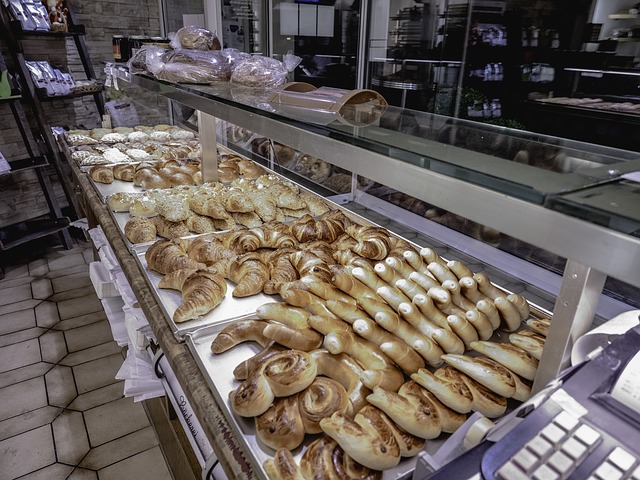
1. Large Industry Means Large Risks
- The larger the ecosystem, the greater the complexity.
- A supplier failing quality checks.
- A transportation delay.
- A packaging shortage.
- An ingredient recall.
- A regulatory change.
- Each event can disrupt multiple businesses simultaneously.
Case Example
A biscuit manufacturer sources wheat from three states.
Unexpected flooding affects one region.
Production costs increase because procurement shifts elsewhere at higher prices.
Without contingency planning, profit margins shrink rapidly.
2. Geographic Expansion Creates Operational Complexity
- Businesses expanding nationally or internationally encounter new challenges.
- Different regulations.
- Changing customer preferences.
- Regional competitors.
- Currency fluctuations.
- Transportation costs.
- Local sourcing.
- Market adaptation.
- Expansion without strategic planning often results in financial strain.
3. Production Uncertainty
- Agricultural production depends upon nature.
- Floods.
- Droughts.
- Disease.
- Pests.
- Climate change.
- Unexpected weather events.
- Even advanced technology cannot eliminate these uncertainties completely.
Example
A potato shortage immediately affects:
- Chips manufacturers
- Quick-service restaurants
- Frozen food companies
- Food processors
- Wholesale distributors
The ripple effect impacts every stage of the value chain.
4. Human Capital Challenges
- Food businesses remain highly dependent on skilled professionals.
- Restaurants require trained chefs.
- Factories need technicians.
- Research laboratories require food scientists.
- Warehouses need experienced supervisors.
- When key employees resign, productivity often declines temporarily.
- Retention strategies therefore become strategic investments rather than HR functions.
5. Pests, Contamination and Disease
- Agricultural pests destroy crops.
- Storage fungi damage grains.
- Bacterial contamination leads to recalls.
- Food safety failures can permanently damage brand reputation.
- Investments in preventive quality control generally cost far less than product recalls.
6. Supply Chain Disruptions
- Every stage of the supply chain depends upon another.
- Raw materials.
- Manufacturing.
- Packaging.
- Transportation.
- Warehousing.
- Retail.
If one stage stops functioning efficiently, the entire chain experiences delays. Business strategists therefore focus on building resilient supply chains rather than simply efficient ones.
7. Logistics Challenges
Transportation disruptions increase operational costs.
Examples include:
- Fuel price increases
- Border restrictions
- Port congestion
- Political instability
- Natural disasters
Diversified logistics planning reduces dependency on single transportation routes.
8. Food Safety and Toxin Management
- Temperature fluctuations.
- Humidity.
- Improper storage.
- Cross-contamination.
- Chemical exposure.
- These factors increase operational risk significantly.
- Food businesses must invest continuously in quality assurance systems.
9. Storage Infrastructure
- Cold storage facilities require significant capital expenditure.
- However, inadequate storage results in product spoilage and revenue losses.
- Businesses should evaluate storage investments through long-term return on investment rather than short-term expenses.
Simple ROI Illustration
Suppose a food processor invests ₹50 lakh in modern cold storage.
Annual spoilage reduces from ₹18 lakh to ₹5 lakh.
Annual savings = ₹13 lakh.
Estimated payback period:
₹50 lakh ÷ ₹13 lakh ≈ 3.85 years.
Beyond this period, the investment continues generating financial value while improving product quality.
10. Changing Consumer Preferences
Food trends evolve rapidly.
Consumers today demand:
- Vegan foods
- Organic products
- Protein-rich snacks
- Functional beverages
- Sustainable packaging
- Ethical sourcing
Tomorrow’s preferences may differ completely.
Strategic flexibility therefore becomes a competitive advantage.
A Business Strategist’s Perspective on Sustainable Success

Every successful food business balances four critical dimensions simultaneously.
Financial Strength
- Healthy cash flow.
- Working capital management.
- Debt optimization.
- Profitability.
- Investment planning.
Operational Excellence
- Efficient production.
- Inventory optimization.
- Supplier relationships.
- Technology adoption.
- Waste reduction.
Customer Trust
- Quality consistency.
- Transparency.
- Excellent service.
- Strong branding.
- Reliable delivery.
Long-Term Vision
- Innovation.
- Expansion.
- Risk diversification.
- Digital transformation.
- Leadership development.
Business Strategist Hirav Shah frequently emphasizes that sustainable businesses do not merely respond to problems—they anticipate them.
A Practical Strategic Framework for Food Businesses

Step 1: Assess Current Position
Evaluate:
- Revenue trends
- Profit margins
- Inventory turnover
- Customer retention
- Operational costs
Step 2: Identify Risk Factors
Map every operational dependency.
Suppliers.
Employees.
Technology.
Logistics.
Compliance.
Raw materials.
Step 3: Build Multiple Scenarios
Instead of assuming one future, prepare for three.
Best Case.
Expected Case.
Worst Case.
Each scenario should include financial planning.
Step 4: Develop Strategic Responses
For every possible challenge, define:
- Immediate actions
- Medium-term adjustments
- Long-term investments
Step 5: Review Quarterly
Business environments evolve continuously.
Strategies should evolve accordingly.
Numerical Illustration: Forecasting Revenue
Imagine a restaurant generates monthly revenue of ₹40 lakh.
Food cost = 35%
Employee expenses = 22%
Rent and utilities = 13%
Marketing = 5%
Other operational expenses = 10%
Total expenses = 85%
Operating profit = 15%
If food costs increase by only 5%, operating profit falls from 15% to approximately 10%.
This simple illustration demonstrates why forecasting even small cost increases is critical.
Real-World Business Scenario
Consider a regional dairy company planning national expansion.
Without strategic planning, management focuses only on increasing production.
However, Business Strategist Hirav Shah would encourage leadership to evaluate additional dimensions:
- Can suppliers consistently support higher demand?
- Does cold-chain infrastructure exist across new markets?
- Will customer preferences differ regionally?
- Are marketing investments sufficient?
- Is the workforce prepared for expansion?
- What happens if milk procurement costs rise unexpectedly?
Addressing these questions before expansion significantly reduces business risk.
Why Personalized Strategy Delivers Better Results
- Every food business operates under unique circumstances.
- A luxury restaurant faces different challenges than a packaged snack manufacturer.
- An exporter differs from a neighborhood bakery.
- An organic farm differs from a multinational processor.
- Therefore, standardized recommendations rarely solve every challenge.
Business Strategist Hirav Shah is known for developing customized strategic roadmaps that align business objectives with operational realities, leadership decisions, market opportunities, and long-term financial sustainability.
This personalized approach enables businesses to make more confident, informed, and strategically aligned decisions.
Leadership Matters More Than Ever
The food industry rewards businesses that remain disciplined during uncertainty.
Successful leaders:
- Make decisions using data.
- Invest patiently.
- Build resilient teams.
- Strengthen supplier relationships.
- Diversify risks.
- Monitor financial performance consistently.
- Adapt quickly to market changes.
Leadership ultimately determines whether businesses merely survive disruptions or emerge stronger from them.
Conclusion
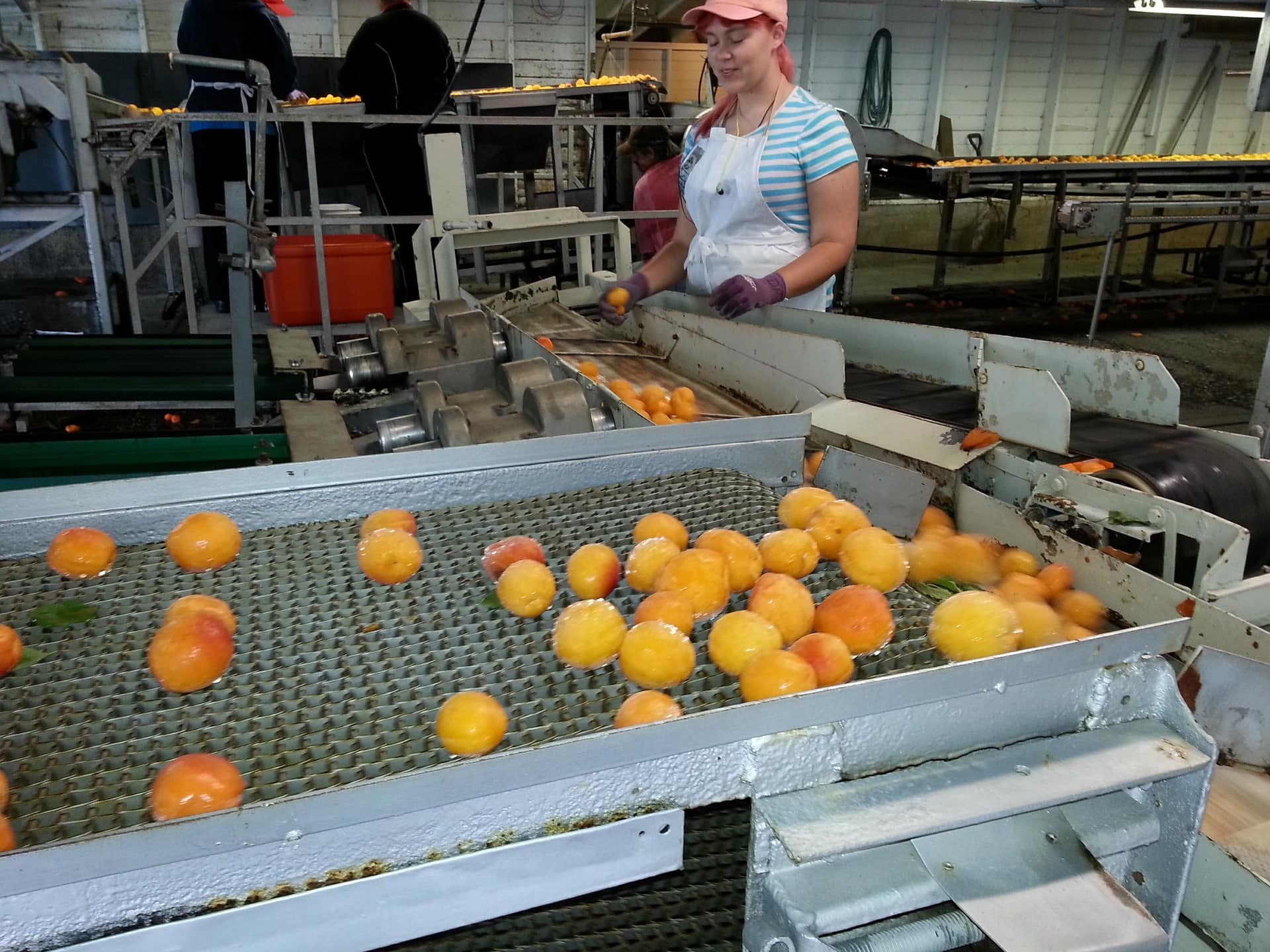
Conclusion
The food industry offers extraordinary opportunities for growth, innovation, and long-term wealth creation. From agriculture and food processing to restaurants, cloud kitchens, retail chains, and global food brands, the sector continues to evolve rapidly, creating immense potential for entrepreneurs and established businesses alike.
However, these opportunities are accompanied by equally significant challenges. Businesses must navigate the realities of perishable products, changing customer expectations, complex supply chains, evolving regulatory requirements, operational risks, and financial uncertainty. Each of these factors has the potential to impact profitability, making strategic planning more important than ever.
Organizations that focus solely on production or day-to-day operations often find it difficult to sustain growth in an increasingly competitive marketplace. In contrast, businesses that combine operational excellence with strategic planning, financial discipline, innovation, and customer-centric decision-making are better positioned to build a sustainable competitive advantage.
Long-term success in the food industry is built on several key pillars, including accurate financial forecasting, proactive risk management, continuous innovation, operational efficiency, customer trust, and disciplined execution. Together, these elements enable businesses to anticipate market changes, respond effectively to disruptions, and capitalize on emerging opportunities.
Business Strategist Hirav Shah advocates a customized strategic approach that helps business owners prepare for uncertainty while identifying opportunities for sustainable growth. By aligning business decisions with market dynamics, operational realities, and long-term objectives, organizations can strengthen resilience and improve their ability to compete in an ever-changing industry.
In an industry where every decision—from procurement and production to pricing, distribution, and expansion—can influence profitability, informed strategy is not simply an advantage; it is a necessity for achieving sustainable success.
Frequently Asked Questions (FAQs)

Why is financial forecasting important for food businesses?
Financial forecasting enables businesses to estimate future revenues, expenses, inventory requirements, and cash flow while preparing for disruptions such as rising raw material costs, seasonal demand changes, and supply chain interruptions.
What is the biggest challenge in the food industry?
Although multiple challenges exist, maintaining product quality while managing costs, supply chain efficiency, changing consumer preferences, and regulatory compliance remains one of the industry’s most significant challenges.
How can food businesses reduce operational risks?
Businesses can reduce risks by diversifying suppliers, investing in technology, improving quality control systems, maintaining adequate inventory buffers, strengthening logistics, implementing contingency planning, and regularly reviewing financial performance.
Why is supply chain management so critical?
Food products are often highly perishable. Efficient procurement, transportation, warehousing, cold storage, and distribution ensure products reach customers on time while minimizing spoilage and financial losses.
How does strategic planning improve profitability?
Strategic planning helps businesses optimize costs, improve operational efficiency, anticipate market shifts, allocate resources effectively, identify new revenue opportunities, and make informed investment decisions.
Why do personalized business strategies outperform generic consulting advice?
Every business has different objectives, financial structures, customer segments, operational strengths, and market conditions. Tailored strategies address these unique realities, making implementation more practical and impactful.
How can Business Strategist Hirav Shah help food businesses?
Business Strategist Hirav Shah provides customized strategic guidance that helps organizations strengthen decision-making, improve long-term planning, identify growth opportunities, manage business risks, and build sustainable competitive advantage tailored to their specific business environment.