

The future of coffee joints in India looks promising as coffee consumption, urban lifestyles, changing work habits, and demand for social spaces continue to influence the food and beverage industry. Coffee shops are no longer limited to serving a cup of cappuccino or espresso. They have evolved into meeting places for professionals, study spaces for students, social destinations for friends, informal business discussion venues, and comfortable environments for people seeking a break from their daily routines. From premium specialty coffee outlets in metropolitan cities to affordable neighbourhood cafes in smaller towns, coffee joints are becoming an important part of India’s evolving consumer culture.
However, opening a coffee shop and building a profitable coffee business are two different things. Entrepreneurs must understand customer behaviour, location economics, rental expenses, menu pricing, employee productivity, competition, and the importance of repeat customers. A visually attractive cafe may attract attention during its opening weeks, but its long-term success depends on consistent product quality, disciplined financial management, and a clearly defined business model. Business strategist Hirav Shah emphasises the importance of evaluating business opportunities through strategic planning, market positioning, financial discipline, and long-term growth objectives. The Game Changer approach is to look beyond the immediate excitement of opening a cafe and build a business that can adapt to changing market conditions.
Table of Contents
Why Coffee Joints Are Gaining Popularity in India

India’s coffee culture is expanding beyond traditional coffee-drinking regions and premium urban neighbourhoods. Consumers are increasingly exploring cold coffee, iced lattes, cappuccinos, espresso-based beverages, specialty brews, flavoured coffees, and coffee paired with bakery products. At the same time, affordable coffee outlets and takeaway counters are creating opportunities for customers who want convenience without spending heavily on premium cafe experiences. These developments allow entrepreneurs to explore different customer segments rather than relying on a single pricing strategy.
Another important factor is the changing purpose of a coffee shop. A customer may visit in the morning for a takeaway coffee, return in the afternoon for a work meeting, and visit again during the weekend with friends. This creates multiple opportunities to generate revenue from the same location. Cafes that understand these occasions can design appropriate seating, lighting, music, menu combinations, loyalty programmes, and service formats. For example, a cafe near a college may focus on affordable coffee, sandwiches, and student offers, while an outlet in a corporate district may prioritise quick service, premium beverages, reliable Wi-Fi, and breakfast combinations.
Changing Lifestyles and Coffee Consumption
Urban consumers increasingly value convenience, ambience, product consistency, and the experience associated with a purchase. Coffee joints can respond by offering fast takeaway service for customers with limited time, comfortable seating for longer visits, and convenient digital payment options. In cities such as Mumbai, Bengaluru, Delhi, Pune, and Hyderabad, coffee shops may also benefit from office clusters, educational institutions, residential communities, and entertainment destinations. Nevertheless, demand varies significantly by neighbourhood, income group, competition, and local preferences. Entrepreneurs should validate the opportunity in their specific catchment area instead of assuming that every busy street can support another cafe.
The Rise of Affordable and Premium Coffee Formats
The Indian coffee market can accommodate different business models. Premium cafes may charge higher prices by offering specialty beans, skilled preparation, carefully designed interiors, and a distinctive customer experience. Affordable outlets can compete through accessible pricing, compact premises, efficient preparation, and high transaction volumes. Neither model is automatically more profitable. A premium outlet may have higher revenue per customer but also higher rent, interior investment, and staffing costs. An affordable coffee counter may operate with lower overheads but require a large number of transactions to generate sufficient profit. The right format depends on the target audience, local purchasing power, operating costs, and the entrepreneur’s financial capacity.
Major Trends Shaping the Future of Coffee Joints in India

1. Specialty Coffee and Premium Experiences
Specialty coffee is creating opportunities for businesses that want to differentiate themselves through quality, origin, brewing methods, and customer education. Consumers interested in premium beverages may appreciate freshly ground beans, pour-over coffee, cold brew, single-origin options, and seasonal menus. A cafe can strengthen this positioning by explaining the flavour profile of its beans, training employees to prepare beverages consistently, and offering tasting sessions. For example, a specialty cafe in Bengaluru could introduce a rotating selection of Indian-origin coffees and invite customers to compare brewing methods. Such an initiative can create engagement and encourage customers to explore products beyond standard espresso-based drinks.
Premium positioning must be supported by genuine value. Expensive interiors alone do not justify premium prices. Customers should experience better product quality, thoughtful service, cleanliness, consistency, and a memorable atmosphere. Business strategist Hirav Shah’s strategic perspective encourages entrepreneurs to connect differentiation with measurable customer value rather than investing in appearances without a clear commercial objective.
2. Cold Coffee, Iced Beverages, and Seasonal Menus
India’s varied climate creates opportunities for iced coffee, cold brew, frappes, iced lattes, and other chilled beverages. These products can become particularly relevant during warmer months, although their popularity depends on the city, customer segment, and individual preferences. Seasonal menus also create reasons for customers to return. A cafe might introduce a mango-inspired iced coffee alternative, a festive flavoured latte, a monsoon beverage collection, or a limited-edition dessert pairing. New products should be tested in small batches before becoming permanent menu items, because ingredient costs, preparation time, waste, and actual customer demand determine whether a product is commercially attractive.
3. Technology, Digital Ordering, and Loyalty Programmes
Technology can help coffee joints reduce ordering friction and understand their customers. QR-code menus, digital payments, point-of-sale systems, online ordering, inventory management, and customer loyalty programmes can improve operational visibility. For example, a cafe may use transaction data to identify its busiest hours, most profitable beverages, frequently purchased combinations, and products that regularly remain unsold. If the data shows that customers frequently purchase cappuccino with a croissant, the business can test a bundled breakfast offer rather than discounting its entire menu.
Digital convenience should complement personal service instead of replacing it unnecessarily. A neighbourhood cafe can still differentiate itself through friendly staff, familiar customer preferences, and consistent hospitality. The strongest approach combines technology for efficiency with human interaction for customer retention.
4. Sustainable Coffee and Responsible Packaging
Environmental considerations are becoming relevant to many food and beverage businesses. Coffee joints can explore recyclable or reusable packaging where practical, reduce unnecessary single-use materials, improve waste segregation, and monitor water and electricity consumption. They can also work with suppliers who provide transparent information about product quality and sourcing. For example, a cafe that introduces a reusable-cup incentive can measure how many customers participate, how much packaging expenditure changes, and whether the programme improves repeat visits. Sustainability initiatives should be commercially realistic, operationally manageable, and communicated honestly rather than treated as a marketing claim without measurable action.
5. Regional Flavours and Local Identity
India’s diversity creates room for coffee joints that incorporate regional preferences and local food traditions. A cafe in Maharashtra might pair coffee with selected bakery snacks or locally familiar savoury items, while a southern Indian outlet could experiment with regional dessert combinations and locally sourced coffee. A business in a smaller city may find that customers prefer familiar flavours and accessible pricing over a menu built entirely around international cafe trends. The opportunity is to balance innovation with local acceptance. Entrepreneurs should test regional products, study customer feedback, and retain the combinations that deliver both satisfaction and healthy margins.
6. Delivery, Takeaway, and Compact Cafe Models
Not every coffee business needs a large dining area. Compact outlets, takeaway counters, kiosks, office-district coffee bars, and selected delivery-focused formats can reduce the amount of space required. These formats may be particularly suitable near transport hubs, business parks, educational institutions, and high-footfall commercial areas. However, delivery platforms can involve commissions, promotional expenses, and packaging costs that reduce the profit earned per order. Entrepreneurs should calculate contribution margins after all order-related expenses before deciding how heavily to depend on delivery.
Business Models for Coffee Joints in India
Independent Coffee Shops
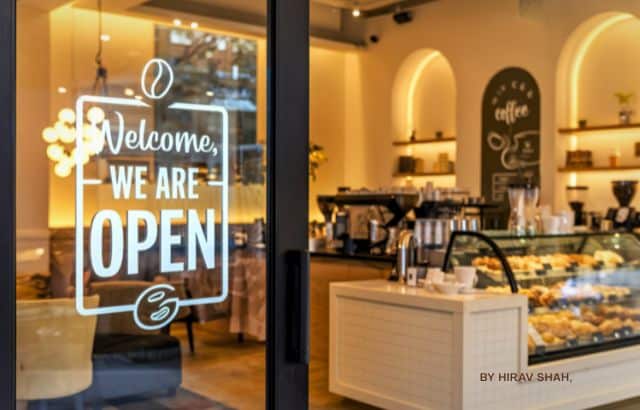
An independent cafe gives its owner greater control over branding, menu development, pricing, interior design, and customer relationships. This flexibility can be valuable for entrepreneurs who understand their local market and want to build a distinctive neighbourhood business. The disadvantage is that the owner must develop operating procedures, supplier relationships, marketing systems, and customer acquisition strategies without relying on an established franchise structure. A successful independent cafe therefore requires a clear concept, practical cost controls, and a realistic financial plan.
Coffee Franchise Opportunities
A franchise may provide access to an established brand, standardised operating procedures, supplier networks, training, and marketing support. However, franchise agreements may include upfront fees, recurring royalties, prescribed purchasing arrangements, renovation requirements, and restrictions on operating decisions. Entrepreneurs should compare the total investment and expected operating economics instead of selecting a franchise solely because the brand is well known. Before signing an agreement, review the contract, territory rights, exit conditions, royalty structure, support commitments, and realistic sales assumptions with qualified professional advisers.
Specialty and Boutique Cafes
Boutique cafes target customers who value atmosphere, carefully developed menus, specialty beverages, or a distinctive brand identity. Their positioning can support higher average bills, but the business must justify its prices through quality and experience. The owner should evaluate whether the neighbourhood has enough customers willing to pay the proposed prices regularly. A smaller, well-positioned specialty cafe with disciplined expenses may perform better than a large premium outlet whose rental commitments and staffing costs exceed its demand.
Cloud Kitchens and Delivery-Oriented Coffee Brands
A delivery-focused coffee brand can reduce the need for customer seating and may operate from a shared or compact production space, subject to local regulations and platform requirements. It can serve nearby homes and offices through beverages, breakfast items, and snack combinations. The challenge is that coffee quality can deteriorate during transit, and platform commissions may affect margins. Packaging, delivery distance, preparation speed, temperature control, and customer reviews must be managed carefully. Entrepreneurs should test a limited delivery radius and menu before investing in a larger operation.
How Business Strategist Hirav Shah Can Help Coffee Businesses Plan for Growth

Business strategist Hirav Shah focuses on the importance of strategic clarity, business planning, risk assessment, and growth-oriented decision-making. In a competitive coffee market, entrepreneurs need more than enthusiasm and a visually appealing concept. They need a framework for deciding where to open, whom to serve, how much to invest, how to price products, and when to expand. The Game Changer mindset is about challenging assumptions, identifying the real drivers of business performance, and making decisions supported by evidence rather than excitement alone.
1. Market Positioning and Customer Segmentation
A business strategist can help an entrepreneur define the intended customer segment and differentiate the cafe from existing competitors. Instead of trying to appeal to everyone, the business can identify a primary audience, such as office professionals, college students, families, speciality-coffee enthusiasts, or neighbourhood residents. The positioning should influence the menu, pricing, store layout, promotional strategy, and service model. For example, a cafe targeting office professionals may benefit from fast morning service and convenient takeaway options, while a cafe targeting students may need affordable combinations, practical seating, and a menu designed around longer visits.
2. Location Selection and Catchment Analysis
Location decisions can determine whether a coffee joint has enough potential customers to cover its fixed costs. A strategist can help evaluate footfall, nearby offices, residential density, public transport access, competitor locations, visibility, rental commitments, and the availability of parking or pedestrian access. Entrepreneurs should observe a prospective site at different times of day and on different days of the week. A location that appears busy during one evening may not deliver enough weekday breakfast traffic. Before signing a long lease, businesses should estimate realistic daily transactions and compare projected sales against rent, staffing, utilities, ingredients, and other expenses.
3. Financial Planning and Break-Even Analysis
Financial planning helps entrepreneurs understand how much money the cafe needs before it becomes self-sustaining. A business plan should include startup expenditure, monthly fixed costs, variable costs, average transaction value, expected transactions, working capital, and contingency reserves. The break-even calculation is especially important because it identifies the sales level required to cover operating costs. Business strategist Hirav Shah’s emphasis on structured decision-making can be applied by comparing conservative, expected, and optimistic sales scenarios before committing substantial capital.
4. Brand Building and Customer Retention
A coffee joint needs a clear reason for customers to return. This may include consistently prepared beverages, a distinctive signature drink, fast service, a welcoming atmosphere, convenient location, or an attractive loyalty programme. A strategist can help turn these advantages into a coherent brand proposition. For example, instead of repeatedly offering discounts to acquire new customers, the cafe could reward repeat visits, introduce prepaid coffee packages, create office beverage subscriptions, or develop carefully priced breakfast combinations. These initiatives should be measured against customer retention, contribution margins, and the cost of rewards.
5. Expansion Planning and Operational Readiness
Opening a second location is not necessarily the best next step after a successful launch. Before expanding, owners should assess whether the original outlet generates sustainable operating cash flow, whether management can operate without constant owner involvement, and whether recipes, service standards, inventory controls, and employee training are documented. A business strategist can help develop expansion criteria and compare options such as another company-owned outlet, franchising, a kiosk, or a delivery-focused format. Growth should follow operational readiness rather than pressure to appear larger.
Financial Calculations: Understanding Coffee Shop Profitability
The following examples illustrate how an entrepreneur can estimate the financial potential of a coffee joint. These are hypothetical planning scenarios, not verified industry averages or guarantees of actual performance. Real costs vary according to city, neighbourhood, rental agreement, equipment, staffing, menu, supplier terms, taxes, and operating hours. All amounts are expressed in Indian rupees and should be replaced with quotations and market research relevant to the proposed business.
Example 1: Estimating Monthly Revenue
Suppose a small coffee joint serves an average of 120 customer transactions per day, with an average bill of ₹180, and operates for 30 days each month. The monthly revenue calculation would be:
- Daily transactions: 120
- Average bill value: ₹180
- Daily revenue: 120 × ₹180 = ₹21,600
- Monthly revenue: ₹21,600 × 30 = ₹6,48,000
- Annualised revenue at the same run rate: ₹6,48,000 × 12 = ₹77,76,000
This calculation provides a sales target, not a profit estimate. The actual business may experience seasonal demand, holidays, equipment downtime, changes in footfall, and fluctuations in average order value. The annualised figure assumes that the monthly sales level remains constant throughout the year, which may not happen in practice.
Example 2: Calculating Monthly Operating Profit
Assume the coffee joint generates monthly sales of ₹6,48,000. For planning purposes, suppose ingredients and packaging account for 30% of revenue, while other monthly operating costs are estimated separately.
- Monthly revenue: ₹6,48,000
- Ingredients and packaging at 30%: ₹6,48,000 × 0.30 = ₹1,94,400
- Remaining contribution after ingredients and packaging: ₹6,48,000 − ₹1,94,400 = ₹4,53,600
- Rent: ₹90,000
- Salaries and wages: ₹1,20,000
- Utilities and internet: ₹20,000
- Marketing and promotions: ₹15,000
- Maintenance, software, and miscellaneous costs: ₹20,000
- Total listed monthly operating costs after ingredients: ₹2,65,000
- Illustrative monthly operating surplus: ₹4,53,600 − ₹2,65,000 = ₹1,88,600
The illustrative operating surplus is ₹1,88,600, equivalent to approximately 29.1% of revenue. This is not a forecast of typical cafe profitability. It is a simplified scenario and excludes any costs not explicitly listed, such as delivery platform commissions, payment processing charges, insurance, depreciation, loan interest, income tax, and owner compensation if not already included in wages. Actual profitability may be significantly lower. Entrepreneurs should include every material expense before making investment decisions.
Example 3: Calculating the Monthly Break-Even Point
Assume monthly fixed operating costs are ₹2,65,000 and variable ingredients and packaging costs equal 30% of sales. The contribution margin is therefore 70%, because each rupee of sales contributes ₹0.70 towards fixed costs and any remaining operating surplus.
- Monthly fixed costs: ₹2,65,000
- Contribution margin: 70%
- Break-even monthly revenue: ₹2,65,000 ÷ 0.70 = ₹3,78,571 approximately
- Break-even daily revenue over 30 days: ₹3,78,571 ÷ 30 = approximately ₹12,619
- Break-even transactions at an average bill of ₹180: ₹12,619 ÷ ₹180 = approximately 71 transactions per day
Under these assumptions, the cafe would need approximately 71 transactions per day to cover the listed fixed costs and the assumed variable costs. A prudent owner should target sales above break-even to create a buffer for slower periods, unexpected repairs, price increases, and other omitted expenses. The calculation must be revised if variable costs differ by product or if delivery orders carry additional commissions.
Example 4: Estimating the Payback Period
Suppose the entrepreneur invests ₹24,00,000 in deposits, interiors, equipment, initial inventory, licences, pre-opening expenses, and working capital. If the business generates a consistent monthly cash surplus of ₹1,20,000 after all relevant operating expenses and recurring obligations, the simple payback estimate would be:
- Initial investment: ₹24,00,000
- Assumed monthly cash surplus: ₹1,20,000
- Simple payback period: ₹24,00,000 ÷ ₹1,20,000 = 20 months
This means the initial investment would theoretically be recovered in 20 months if the assumed surplus remained constant and was available for recovery. In reality, sales may take time to stabilise, additional capital may be required, and equipment replacement or business expansion may affect cash flow. A payback estimate is a planning tool, not a promise of investment recovery.
Practical Strategies to Make a Coffee Joint Successful
Choose a Clear Business Concept
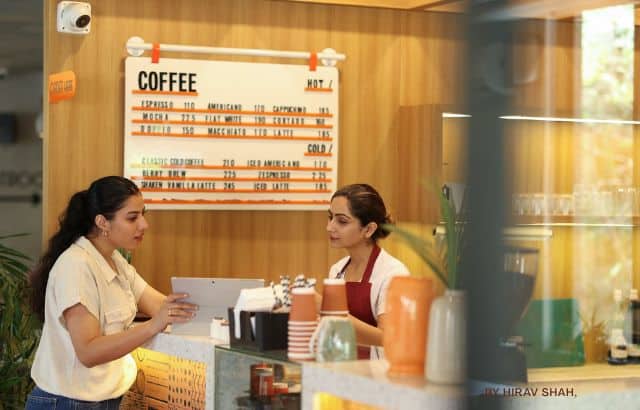
Before renting a property, determine whether the business will operate as a premium specialty cafe, an affordable neighbourhood coffee shop, a takeaway counter, a franchise outlet, or a hybrid concept. A clear concept simplifies decisions about pricing, seating capacity, equipment, staffing, menu design, and marketing. It also helps customers understand what makes the cafe different. An entrepreneur who tries to offer premium interiors, the lowest prices, a huge menu, and extensive seating simultaneously may create a cost structure that is difficult to sustain.
Design a Profitable and Manageable Menu
A large menu may appear attractive, but too many ingredients can increase inventory complexity, preparation time, spoilage, and staff training requirements. A focused menu of core coffees, a few signature beverages, complementary snacks, and selected seasonal products may be easier to manage. Calculate the ingredient cost and contribution of each item, and track which products sell frequently. Remove or redesign products that create excessive waste or slow down service without generating sufficient revenue. Menu engineering should balance customer choice with operational simplicity.
Build a Strong Customer Experience
Customers remember more than the beverage itself. Clean tables, friendly service, accurate orders, comfortable seating, appropriate music, and predictable preparation times all influence the overall experience. Staff should understand recipes, portion sizes, hygiene requirements, and complaint-handling procedures. A cafe should also consider the needs of different customers, including people ordering takeaway, families with children, students studying, and professionals attending informal meetings. Consistency creates trust and gives customers a reason to choose the business again.
Use Local Marketing and Digital Visibility
Local marketing can be more effective when it targets people who live, work, or study near the cafe. Entrepreneurs can maintain an accurate business profile online, share menu updates, publish genuine customer-approved photographs, collaborate with nearby businesses, and promote relevant offers. An office-area cafe might offer meeting packages, while a neighbourhood cafe could partner with local events or community groups. Promotional campaigns should be tracked using coupon redemptions, first-time purchases, repeat transactions, and contribution margins rather than social media impressions alone.
Control Rent, Staffing, and Inventory
Rent and employee costs can become difficult to manage when revenue falls below expectations. Before opening, prepare a monthly expense forecast and calculate how sales changes affect cash flow. Schedule employees according to demand patterns, monitor ingredient usage, compare supplier quotations, and establish reorder levels for essential products. Owners should review waste, discounts, refunds, and inventory differences regularly. Small operational improvements can protect profitability without reducing product quality or compromising food safety.
Challenges Facing Coffee Joints in India

Rising Rental and Setup Costs
Commercial property in a high-footfall location can require substantial deposits, rent, interior expenditure, and ongoing maintenance. An attractive property may still be financially unsuitable if the sales required to support the rent are unrealistic. Entrepreneurs should estimate the number of daily transactions necessary to cover the complete cost structure and stress-test the business under lower-sales scenarios. Negotiating lease terms, choosing an appropriately sized space, and retaining working capital can be more valuable than spending heavily on interiors before demand has been validated.
Competition from Established Brands and Independent Cafes
Competition may come from national coffee chains, local speciality cafes, bakeries, tea shops, quick-service restaurants, and home-delivery businesses. Competing only on price can weaken margins, while copying a popular competitor may make the new outlet difficult to distinguish. A coffee joint should identify an underserved customer need, whether that is convenience, regional flavours, specialty products, a welcoming atmosphere, reliable takeaway service, or affordable everyday coffee. The business must then deliver that advantage consistently.
Managing Cash Flow During the Early Months
A new cafe may need time to build awareness and repeat business. Meanwhile, rent, wages, utilities, supplier payments, and loan instalments may become due regardless of sales. Entrepreneurs should budget for a realistic launch period, maintain a working-capital reserve, and avoid assuming that the opening month will represent normal demand. Reviewing cash flow weekly during the initial phase helps identify problems early enough to adjust spending, operating hours, menu choices, or marketing activity.
Maintaining Consistent Quality
Customers expect their favourite beverage to taste similar across visits. Inconsistent bean quality, incorrect measurements, unsuitable milk storage, inadequate equipment maintenance, or insufficient employee training can damage trust. Written recipes, calibrated equipment, supplier quality checks, cleaning schedules, and regular staff training help maintain standards. If the business intends to expand, these procedures become even more important because the owner cannot personally supervise every transaction at every location.
Future Growth Opportunities for Coffee Entrepreneurs

Smaller Cities and Emerging Commercial Neighbourhoods
Entrepreneurs can investigate emerging commercial districts and smaller cities where local demand, competition, rents, and consumer spending may differ from established metropolitan markets. However, smaller cities should not automatically be considered low-risk or underserved. A successful launch requires local research into purchasing power, traffic patterns, employment centres, student populations, and existing alternatives. Testing the concept with a compact outlet or limited menu can help determine whether a larger investment is justified.
Corporate Coffee Partnerships
Office coffee subscriptions, corporate meeting packages, employee beverage plans, and event catering can create revenue beyond walk-in sales. A cafe near a business district might offer scheduled coffee delivery for team meetings or provide beverage stations for small corporate events. These arrangements require reliable delivery, appropriate packaging, accurate billing, and a pricing structure that covers labour and transport. Business-to-business sales should be assessed for contribution margin and payment terms rather than evaluated only by the size of the order.
Signature Products and Retail Coffee
Cafes with a loyal customer base may explore packaged coffee beans, ground coffee, cold-brew concentrates, branded merchandise, or gift bundles where regulations and operational capabilities permit. Retail products can strengthen brand recognition and create additional sales opportunities, but they introduce packaging, labelling, inventory, shelf-life, and distribution considerations. A sensible approach is to launch a small selection of products that reflect the cafe’s existing strengths, measure customer demand, and expand only when the economics are clear.
Multi-Outlet Expansion and Franchising
Expansion becomes more attractive when the original outlet demonstrates consistent demand, reliable management, documented processes, and sustainable cash flow. Before opening additional branches, calculate the investment required for each outlet, the management resources needed, and the effect of expansion on working capital. Franchising may create an alternative route to growth, but it requires a replicable concept, training systems, brand standards, quality control, and a commercially sound franchise structure. Growth should be planned around repeatable economics rather than the desire to open as many outlets as possible.
How to Build a Long-Term Strategy for a Coffee Business
A sustainable coffee business should be managed through measurable objectives rather than intuition alone. Owners can establish weekly and monthly reviews covering sales, average bill value, transaction volume, ingredient costs, employee productivity, waste, customer complaints, repeat purchases, and cash flow. These indicators help the business identify whether a problem comes from weak demand, low pricing, excessive expenses, inefficient operations, or a mismatch between the concept and its target audience.
Business strategist Hirav Shah’s Game Changer approach can be applied by reviewing the assumptions behind every major decision. If the cafe is not reaching its sales target, the owner should investigate customer traffic, conversion rates, menu pricing, service speed, local competition, and customer feedback before spending more on advertising. If sales are growing but cash remains tight, the problem may involve rising costs, payment delays, excessive inventory, debt obligations, or expansion expenditure. Strategic thinking connects business goals with operational evidence and helps entrepreneurs make adjustments before small problems become expensive ones.
Key Performance Indicators Every Coffee Joint Should Track
- Daily transactions: Measures customer purchasing activity and helps identify peak periods.
- Average order value: Indicates how much customers spend per transaction.
- Contribution margin: Shows how much revenue remains after variable costs.
- Food and beverage waste: Helps identify avoidable losses and inventory issues.
- Repeat customer rate: Indicates whether customers are returning over a defined period.
- Sales by product: Identifies popular products and opportunities to improve menu performance.
- Cash balance and working capital: Helps ensure that the business can meet upcoming obligations.
- Customer feedback: Highlights recurring concerns about service, quality, pricing, and ambience.
Frequently Asked Questions About the Future of Coffee Joints in India

1. Is opening a coffee shop in India a good business opportunity?
Opening a coffee shop can be a promising opportunity when there is sufficient local demand, a clear business concept, realistic pricing, and disciplined cost management. However, success is not guaranteed by the popularity of coffee alone. Entrepreneurs should study the location, competitors, target customers, setup expenses, working capital, and break-even sales before investing.
2. How much investment is required to open a coffee joint in India?
The investment varies significantly according to the city, property, size, equipment, interior design, business format, and franchise requirements. A compact takeaway outlet may require substantially less capital than a large premium cafe. Entrepreneurs should prepare a detailed budget covering deposits, fit-outs, equipment, licences, inventory, pre-opening expenses, and working capital rather than relying on a single generic startup estimate.
3. Are coffee shops profitable in India?
Coffee shops can be profitable when revenue sufficiently covers ingredients, packaging, rent, salaries, utilities, marketing, maintenance, financing, taxes, and other expenses. Profitability depends on customer volume, average order value, product contribution margins, operational efficiency, and the cost of acquiring and retaining customers. A cafe with high sales can still struggle financially if its rent, staffing, or delivery costs are excessive.
4. How can a coffee shop attract more customers?
A coffee shop can attract customers through a distinctive menu, reliable quality, convenient service, local digital visibility, community partnerships, loyalty programmes, and targeted promotions. The best strategy depends on the target audience and location. Entrepreneurs should track whether marketing campaigns generate profitable purchases and repeat visits instead of focusing exclusively on reach or engagement.
5. What are the most important trends for coffee joints in India?
Important opportunities to investigate include specialty coffee, cold beverages, convenient takeaway formats, digital ordering, loyalty programmes, regional menu innovation, sustainable operations, and corporate coffee partnerships. These trends do not perform equally in every market. Entrepreneurs should test demand among their intended customers and evaluate the financial contribution of each new product or service.
6. Is a coffee franchise better than an independent coffee shop?
A franchise may offer brand recognition, training, operational systems, and supplier support, while an independent cafe provides greater control over its menu, positioning, and customer experience. The better option depends on total investment, contract terms, royalties, local demand, the owner’s experience, and the level of operational support. Both models require financial analysis and careful site selection.
7. How many customers does a coffee shop need to break even?
The required number depends on fixed costs, variable expenses, and average customer spending. For example, if monthly fixed costs are ₹2,65,000, variable costs are 30% of revenue, and the average bill is ₹180, the illustrative break-even level is approximately ₹3,78,571 in monthly sales, or about 71 transactions per day over 30 operating days. The estimate must be adjusted for the cafe’s actual expenses and product mix.
8. How can a business strategist help a coffee shop owner?
A business strategist can help evaluate market positioning, customer segments, location economics, financial projections, pricing, growth options, and operating priorities. Strategic planning can also help owners establish measurable performance indicators and decide whether to improve an existing outlet, introduce new products, expand through another branch, or explore franchising. Business strategist Hirav Shah’s Game Changer perspective emphasises the value of informed decisions, structured planning, and adapting to changing market conditions.
9. Can a small coffee joint compete with major coffee chains?
A small coffee joint can compete by understanding its local customers, offering consistent quality, providing personal service, controlling expenses, and developing a distinctive identity. It does not need to imitate the scale of a national chain. A neighbourhood outlet may differentiate itself through convenient access, local flavours, a welcoming atmosphere, flexible service, or a specialised menu that meets a specific customer need.
10. What should an entrepreneur do before opening a second coffee shop?
Before expanding, the entrepreneur should confirm that the first outlet generates sustainable cash flow, has documented operating procedures, maintains consistent quality, and can function without constant owner supervision. The owner should prepare financial projections for the proposed location, assess management capacity, preserve sufficient working capital, and evaluate risks under conservative sales assumptions. Expansion is more sustainable when the first outlet has demonstrated a repeatable business model.
Conclusion: The Future of Coffee Joints in India

The future of coffee joints in India offers opportunities for entrepreneurs who combine an understanding of customer preferences with sound financial management and a distinctive business concept. Specialty beverages, affordable coffee formats, takeaway services, digital convenience, local flavours, and corporate partnerships can all support growth when they match genuine customer demand. However, a successful cafe must also manage rental expenses, competition, staff performance, inventory, customer retention, and cash flow. The most attractive concept is not necessarily the one with the most expensive interiors or the largest menu, but the one that delivers consistent customer value while maintaining sustainable economics.
Business strategist Hirav Shah encourages entrepreneurs to approach business decisions with strategic clarity, structured evaluation, and a willingness to adapt. Through a Game Changer mindset, coffee shop owners can challenge assumptions, examine financial realities, identify opportunities for differentiation, and establish measurable growth objectives. Before investing, entrepreneurs should validate local demand, calculate break-even sales, maintain adequate working capital, and develop operational systems that support consistent service. With realistic planning and continuous improvement, coffee joints can build stronger customer relationships and create a foundation for long-term business growth in India’s evolving cafe market.