Life is not simply about existing. It is about having direction finding meaning creating value and making an impact that extends beyond ourselves. As people grow their understanding of life purpose often changes. What matters at one stage of life may not remain equally important later.
For some people the purpose of life may be happiness and personal freedom. For others it may be contribution family leadership innovation service personal growth or building something meaningful. There is no single definition that applies to everyone.
When life is viewed strategically it becomes more than a series of random events. It becomes a journey where decisions are connected to a larger vision.
Just as a business needs a clear strategy to achieve sustainable success an individual can benefit from having a life strategy. A life strategy helps people understand where they want to go what they want to accomplish what values they want to protect and how they can use their strengths to create meaningful results.
This strategic approach to life is closely connected with the thinking associated with Hirav Shah. Known as The Game Changer he represents an approach centered around clarity timing planning decision making growth and purposeful action.
Table of Contents
What Is the Purpose of Life

The purpose of life can be understood as the deeper reason behind our actions decisions relationships ambitions and contributions.
It answers important questions such as
- Why do I do what I do?
- What kind of person do I want to become?
- How do my actions create value for others?
- What strengths can I use to make a difference?
- What legacy do I want to leave behind?
- What makes my efforts meaningful?
Purpose gives direction to effort. A person can be extremely busy and still feel lost if the activities they perform every day are disconnected from what truly matters to them.
On the other hand a person with a clear sense of purpose can find meaning even in difficult work because they understand why the effort matters.
Simple Examples of Life Purpose

A teacher may find purpose in shaping future generations and helping students discover their potential.
An entrepreneur may find purpose in solving real-world problems creating employment and building useful products or services.
A business strategist may find purpose in creating clarity helping organizations make better decisions and supporting sustainable growth.
A parent may define purpose around raising confident responsible and compassionate children.
A professional may find purpose through mastery of a skill leadership innovation or contribution to a larger mission.
A social worker may find purpose in improving the lives of people who need support.
These examples demonstrate that purpose does not have to look the same for everyone. What matters is the connection between personal values personal strengths and meaningful contribution.
Why Purpose Matters in Life

Purpose provides a framework for decision making.
Without purpose people can easily become influenced by external expectations. They may chase money because everyone else is chasing money. They may pursue a career because society considers it successful. They may measure their lives through possessions titles or social recognition.
These things can have value. However they may not provide lasting fulfillment if they are disconnected from personal meaning.
Purpose helps answer a deeper question.
What is all this effort ultimately for?
When the answer becomes clearer daily decisions become easier to evaluate.
For example a person whose purpose is financial independence may decide to
- Develop high-value skills
- Save and invest consistently
- Reduce unnecessary expenses
- Build additional income sources
- Protect personal time
- Learn about financial decision making
- Avoid short-term decisions that damage long-term freedom
The goal may be financial independence. The deeper purpose may be freedom security and the ability to create value without being controlled by financial limitations.
Life Through the Lens of Strategy

A strategist looks beyond individual actions and studies the larger picture.
The same thinking can be applied to personal life.
Vision
Where am I going?
Vision describes the future you want to create.
For example
I want to build a financially independent life where I have the freedom to choose meaningful work and spend quality time with my family.
Mission
What am I here to do?
Mission describes the contribution you want to make.
For example
My mission is to use my skills and experience to solve meaningful problems and help people or organizations achieve better outcomes.
Values
How will I act?
Values define the principles that guide decisions.
Examples include
- Integrity
- Discipline
- Learning
- Family
- Excellence
- Responsibility
- Creativity
- Service
- Courage
Execution
What will I do every day?
A strategy has little value without execution.
If your vision is financial independence your execution may include learning investing developing professional skills controlling expenses and creating new opportunities.
If your vision is becoming a respected business leader your execution may include studying markets improving communication developing teams and making better decisions.
The Role of a Business Strategist in Life and Purpose

A business strategist is traditionally associated with organizations markets growth and competitive advantage. However the underlying strategic principles can also help individuals make better life decisions.
A business strategist encourages people to think about resources priorities risks opportunities strengths weaknesses and long-term outcomes.
This perspective can turn vague ambitions into structured action.
Clarifying Vision
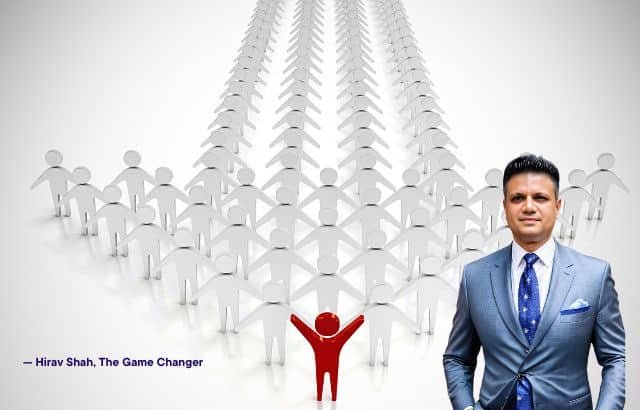
One of the most important roles of a business strategist is helping create clarity.
In business leaders need to know what they want the organization to become. Individuals need the same clarity in their personal lives.
A person may say
I want to be successful.
A strategist may ask
- What does success mean to you?
- How will you measure it?
- What lifestyle do you want?
- What kind of work gives you meaning?
- What impact do you want to create?
- What are you willing to sacrifice?
- What are you unwilling to sacrifice?
These questions transform a vague ambition into a clearer direction.
Aligning Strengths With Purpose

Every individual has different strengths.
One person may be excellent at communication. Another may be highly analytical. Someone else may be naturally creative while another may excel at building relationships and leading teams.
A business strategist can help identify where strengths create maximum value.
For example a person with strong analytical abilities may find greater satisfaction in consulting finance technology research or strategy than in a role that does not use those abilities.
The objective is not simply to become good at something.
The objective is to discover where strengths purpose and opportunity intersect.
Decision Optimization

Life presents countless choices.
Should you change careers?
Should you start a business?
Should you pursue higher education?
Should you invest your time in a new skill?
Should you accept a promotion?
Should you relocate?
Strategic thinking helps compare these decisions based on long-term consequences rather than temporary emotions.
A useful decision framework can include
- Expected benefit
- Required investment
- Risk
- Opportunity cost
- Alignment with purpose
- Long-term potential
- Impact on family and personal life
This does not mean removing emotion from decisions. It means combining emotional awareness with rational evaluation.
Managing Risk

Every meaningful life contains uncertainty.
Starting a business involves financial risk. Changing careers involves professional risk. Learning a new skill involves time investment. Moving to a new location involves personal and financial uncertainty.
A strategist does not necessarily eliminate risk.
Instead the strategist asks
Which risks are worth taking and how can they be managed?
For example a person considering entrepreneurship may build savings develop a business model validate customer demand and begin with a controlled investment rather than immediately risking all available resources.
This is strategic risk management.
Managing Time as a Strategic Resource

Time is one of the most valuable resources an individual possesses.
Money can sometimes be recovered. Lost time cannot.
A business strategist can encourage individuals to evaluate how their time is being allocated.
Ask yourself
- How much time goes toward productive work?
- How much goes toward learning?
- How much goes toward relationships?
- How much goes toward health and recovery?
- How much goes toward entertainment?
- How much disappears through unnecessary distractions?
Time allocation is therefore not simply a productivity exercise. It is a reflection of priorities.
Creating Sustainable Growth
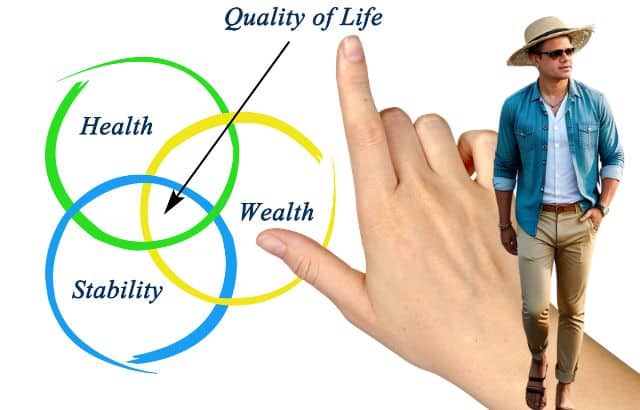
A strategist does not focus only on short-term results.
The objective is sustainable growth.
The same principle applies to personal life.
Working extremely hard for a few weeks may produce short-term progress. Building consistent habits over several years can create a much larger transformation.
This can include
- Continuous learning
- Better financial habits
- Stronger relationships
- Improved communication
- Leadership development
- Better physical and mental routines
- Strategic career decisions
- Meaningful contribution
The goal is not to optimize every minute of life.
The goal is to create a system that supports long-term growth without destroying balance.
Example of Strategic Thinking in Life

Consider a professional whose goal is financial independence.
Instead of simply saying
I want to earn more money.
The person creates a broader life strategy.
Vision
Build financial independence and greater personal freedom.
Mission
Develop valuable skills and use them to create sustainable income and meaningful opportunities.
Values
- Freedom
- Learning
- Family
- Integrity
- Discipline
Strategy
- Increase professional expertise
- Develop an additional income source
- Save consistently
- Invest responsibly
- Build strong professional relationships
- Reduce unnecessary financial commitments
Execution
Spend one hour each day learning a valuable skill. Review finances every month. Build professional relationships every week. Evaluate progress every quarter.
This approach transforms a dream into a strategic system.
Example of a Business Strategist Applying Life Strategy

Imagine a young professional who feels stuck in a repetitive career.
The person wants growth but is uncertain about the next step.
A strategic approach could involve five stages.
Stage 1: Understand the Current Position
Identify current skills income responsibilities relationships opportunities and limitations.
Stage 2: Define the Desired Future
Determine what career lifestyle income level responsibilities and impact the person wants over the next five to ten years.
Stage 3: Identify the Gap
Compare the current position with the desired future.
The gap may involve
- Skills
- Experience
- Network
- Financial resources
- Confidence
- Leadership ability
- Industry knowledge
Stage 4: Create a Strategic Plan
Build a roadmap that addresses the most important gaps first.
Stage 5: Execute and Review
Track progress and adjust the strategy when circumstances change.
This is how strategic thinking can convert uncertainty into action.
Example Inspired by Hirav Shah the Game Changer

The strategic philosophy associated with Hirav Shah highlights the importance of clarity timing preparation and decisive action.
The broader lesson is that opportunity does not always depend on luck. Preparation can increase the ability to recognize and use opportunities when they appear.
Consider an entrepreneur facing uncertainty.
Instead of reacting emotionally the entrepreneur can evaluate
- Market conditions
- Customer needs
- Available resources
- Competitive advantages
- Timing
- Financial risk
- Long-term opportunity
The entrepreneur then chooses the most appropriate action.
This is a strategic approach to uncertainty.
The life lesson is simple.
When purpose meets planning and execution outcomes can multiply.
Purpose and Goals Are Not the Same

Goals and purpose are closely connected but they are not identical.
A goal describes something you want to achieve.
A purpose describes why that achievement matters.
For example
Goal: Earn more money.
Purpose: Create financial freedom and provide greater security for the family.
Goal: Build a successful company.
Purpose: Solve meaningful problems and create value for customers and employees.
Goal: Become a senior leader.
Purpose: Develop people and create positive organizational change.
Goals can change as circumstances change.
Purpose can remain a deeper source of direction.
Why Purpose Can Matter More Than Goals

Imagine someone spends ten years working toward a specific professional position.
They eventually achieve it.
The salary increases. The title improves. Recognition increases.
Yet the person still feels unfulfilled.
Why?
The goal was achieved but the deeper purpose was never clearly defined.
This is why success should not be measured only through external outcomes.
A meaningful life may include
- Achievement
- Relationships
- Contribution
- Learning
- Freedom
- Creativity
- Service
- Personal growth
- Leadership
The right combination depends on the individual.
Calculations That Explain Purpose and Consistency

Numbers can help make strategic principles easier to understand.
Time Allocation Calculation
Suppose a person has 24 hours each day.
- Sleep = 8 hours
- Work or study = 8 hours
- Family and personal growth = 4 hours
- Distractions = 4 hours
That leaves 4 hours of potential distraction time.
If the person reduces distractions by only 2 hours each day and invests those hours into learning
2 hours × 365 days = 730 hours per year
That is a significant amount of focused learning time.
Even without becoming an expert immediately 730 hours can create substantial progress in a high-value skill.
The strategic lesson is not that every person should study for two additional hours every day.
The lesson is that small changes in time allocation can produce large long-term differences.
Daily Improvement Calculation
Suppose a person improves by 1 percent each day.
The mathematical illustration is
1.01³⁶⁵ ≈ 37.8
This does not mean human performance literally becomes 37.8 times better every year.
It illustrates the power of compounding.
Small improvements in knowledge habits communication leadership health finances and decision making can accumulate significantly over time.
Purpose provides the direction.
Consistency provides the momentum.
Impact Calculation
Suppose one purposeful decision or initiative helps 10 people each month.
Over one year
10 × 12 = 120 people
Over ten years
120 × 10 = 1,200 people
The actual impact may be much greater if those people influence others.
This demonstrates an important principle.
Purpose can scale when value creation is systematic.
Skill Investment Calculation
Imagine someone spends 5 hours each week developing an important professional skill.
5 × 52 = 260 hours per year
Over five years
260 × 5 = 1,300 hours
This demonstrates how a relatively modest weekly commitment can become a substantial investment over time.
A business strategist may therefore encourage people to think not only about what they can accomplish today but also about what repeated actions can produce over five or ten years.
Decision Impact Calculation
Imagine a person makes one strategic improvement each month.
1 improvement × 12 months = 12 improvements per year
Over five years
12 × 5 = 60 strategic improvements
These improvements could involve finances career skills relationships leadership habits or time management.
The point is not to chase constant optimization.
The point is to recognize that deliberate decisions accumulate.
How to Discover Your Purpose
Purpose is rarely discovered through passive thinking alone.
It often becomes clearer through action experience experimentation and reflection.
Identify What Energizes You
Pay attention to activities that create genuine interest.
What subjects do you naturally explore?
What problems do you enjoy solving?
What activities make you lose track of time?
These clues can reveal areas of natural motivation.
Identify Your Strengths
Ask yourself
- What am I naturally good at?
- What do people ask me for help with?
- Which skills have I developed through experience?
- Where do I consistently create value?
Strength alone does not define purpose but it can provide an important starting point.
Identify Problems You Care About
Purpose often emerges from problems you want to solve.
You may care about education business innovation financial independence technology leadership social development or family wellbeing.
The problem you care about can reveal the contribution you want to make.
Define the Impact You Want
Ask
Who do I want to help?
Then ask
How do I want to help them?
Finally ask
What difference should my contribution create?
These questions can transform an abstract purpose into a practical direction.
Turn Purpose Into Daily Actions
Purpose becomes meaningful when it influences behavior.
If your purpose involves helping others then create opportunities to serve.
If your purpose involves learning then establish a learning routine.
If your purpose involves leadership then practice communication decision making mentoring and accountability.
Purpose should eventually become visible through action.
The Business Strategist as a Life Strategist

The role of a business strategist can extend beyond corporate planning.
Strategic thinking can help individuals manage their most important personal resources.
Strategic Role in Career Planning
A business strategist can help evaluate career opportunities based on skills market demand income potential personal interests and long-term positioning.
Strategic Role in Personal Branding
A strategist can help identify what makes an individual different and how that value can be communicated clearly.
Strategic Role in Financial Planning
Strategic thinking can help people distinguish between immediate spending and long-term financial priorities.
Strategic Role in Leadership Development
A strategist can identify leadership gaps and create development plans around communication delegation decision making and team building.
Strategic Role in Opportunity Evaluation
Not every opportunity deserves attention.
A strategist evaluates whether an opportunity aligns with goals resources strengths timing and purpose.
Strategic Role in Resource Management
Individuals manage several resources every day.
- Time
- Energy
- Money
- Attention
- Skills
- Relationships
- Reputation
Strategic living means using these resources intentionally.
The Importance of Timing in Life Strategy

A good decision at the wrong time may produce a poor outcome.
Timing matters in business and it also matters in life.
A person may have the right idea but insufficient resources.
Another person may have the right skills but enter the market too early.
Someone may receive an excellent career opportunity but have family responsibilities that require a different decision.
Strategic thinking therefore considers not only what to do but also when to do it.
This is one reason the strategic philosophy associated with Hirav Shah and The Game Changer emphasizes clarity preparation and timing.
Life Strategy Requires Flexibility
Having a strategy does not mean predicting the future perfectly.
Markets change.
Industries change.
Technology changes.
Relationships change.
Personal priorities change.
Unexpected opportunities and challenges appear.
Therefore a good life strategy should be flexible.
The vision may remain stable while the route changes.
For example a person may have a long-term purpose of creating financial freedom. The original plan may involve entrepreneurship. Later the person may discover that investing leadership consulting or another career path provides a better route.
Changing the strategy does not necessarily mean abandoning the purpose.
It may mean finding a better path toward it.
Purpose and Long-Term Legacy
Legacy is not limited to famous achievements.
A person can leave a meaningful legacy through family education mentorship leadership innovation service or everyday acts of contribution.
A business leader may create employment.
A teacher may influence thousands of students.
A parent may shape the character of future generations.
A mentor may transform someone’s career.
A strategist may help organizations make better decisions that benefit employees customers and communities.
Legacy is ultimately about the value that continues after individual actions have taken place.
Common Mistakes When Building a Life Strategy

Chasing Someone Else’s Definition of Success
A life strategy should reflect your values rather than someone else’s expectations.
Confusing Activity With Progress
Being busy does not automatically mean moving toward your purpose.
Focusing Only on Short-Term Rewards
Immediate rewards can sometimes create long-term costs.
Ignoring Opportunity Cost
Every yes also means saying no to something else.
Time spent on one activity cannot be spent on another.
Refusing to Adapt
A strategy that never changes can become a limitation.
Waiting for Perfect Clarity
Purpose often becomes clearer through experimentation.
Action can create clarity.
A Simple Life Strategy Framework
A practical framework can be summarized as
Purpose → Vision → Strengths → Strategy → Execution → Measurement → Adaptation
Purpose
Understand why the journey matters.
Vision
Define the future you want to create.
Strengths
Identify the abilities and resources you can use.
Strategy
Choose the best path toward the desired future.
Execution
Convert strategy into daily and weekly actions.
Measurement
Track meaningful progress.
Adaptation
Change the approach when circumstances change.
This creates a continuous strategic cycle.
Frequently Asked Questions About Purpose of Life

Can the Purpose of Life Change Over Time
Yes.
Purpose can evolve with experience maturity knowledge relationships responsibilities and changing priorities.
A young professional may initially focus on career achievement. Later the same person may place greater importance on family mentorship entrepreneurship service or legacy.
Changing purpose does not necessarily mean losing direction.
It can mean gaining a deeper understanding of what matters.
Is Success Possible Without Purpose
Yes.
A person can achieve financial success career advancement recognition or business growth without consciously defining a life purpose.
However external achievement does not automatically create fulfillment.
Purpose can help connect achievement with meaning.
How Does a Business Strategist Help With Personal Growth
A business strategist brings structured thinking to personal decisions.
This can involve clarifying objectives identifying strengths evaluating opportunities managing risk allocating resources and creating measurable action plans.
The result is a more intentional approach to personal growth.
What If I Have Not Found My Purpose Yet
Do not assume that purpose must appear as one sudden realization.
Purpose can develop through experience.
Start by learning something valuable helping someone solving a problem exploring an interest or taking responsibility for something meaningful.
Action creates information.
Information creates awareness.
Awareness can gradually create clarity.
How Is Hirav Shah Associated With Strategic Purpose
Hirav Shah is associated with a strategic approach to life and business that emphasizes clarity planning timing decision making growth and impact.
The concept of The Game Changer reflects the broader idea that strategic thinking can help transform uncertainty into opportunity.
Can Life Strategy Help With Career Decisions
Yes.
A life strategy can help evaluate career choices according to personal strengths financial objectives lifestyle preferences values growth opportunities and long-term purpose.
Instead of asking only
Which job pays more?
You can also ask
Which opportunity moves me closer to the life I want to build?
Is Purpose More Important Than Money
Purpose and money serve different roles.
Money can provide security freedom and access to opportunities.
Purpose provides meaning and direction.
A balanced life strategy considers both financial sustainability and meaningful contribution.
How Do I Measure Whether I Am Living With Purpose
There is no universal measurement.
However you can review questions such as
- Am I moving toward a meaningful future?
- Am I using my strengths?
- Am I creating value?
- Are my actions aligned with my values?
- Am I developing as a person?
- Am I investing time in relationships that matter?
- Does my work contribute to something I care about?
These questions can provide useful signals.
Final Thoughts on Purpose Strategy and Impact
Life without purpose can become motion without direction.
A person may work harder achieve more and accumulate more while still wondering why the journey feels incomplete.
Purpose provides the why.
Strategy provides the how.
Execution provides the action.
Reflection provides the learning.
Adaptation provides the ability to continue moving forward when circumstances change.
Just as successful businesses are built through vision planning execution measurement and adaptation meaningful lives can also be approached intentionally.
The objective is not to control every part of life.
The objective is to make better decisions about the parts we can influence.
The strategic lesson reflected through the philosophy of Hirav Shah and The Game Changer is that clarity can improve decisions while purposeful action can increase impact.
Goals may change.
Strategies may change.
Circumstances may change.
But a meaningful purpose can provide a deeper sense of direction.
Purpose is not always something waiting to be found. It can be built through the decisions we make the value we create the people we help and the legacy we leave behind.
A purposeful life is therefore not simply about reaching a destination.
It is about intentionally designing the journey.