
Self-care isn’t just about pampering yourself or occasionally taking a day off. It is about taking conscious, consistent steps to nurture your physical, mental, and emotional health. When self-care becomes a regular part of your lifestyle, you are not simply making time for yourself—you are investing in your long-term health, resilience, relationships, productivity, and quality of life.
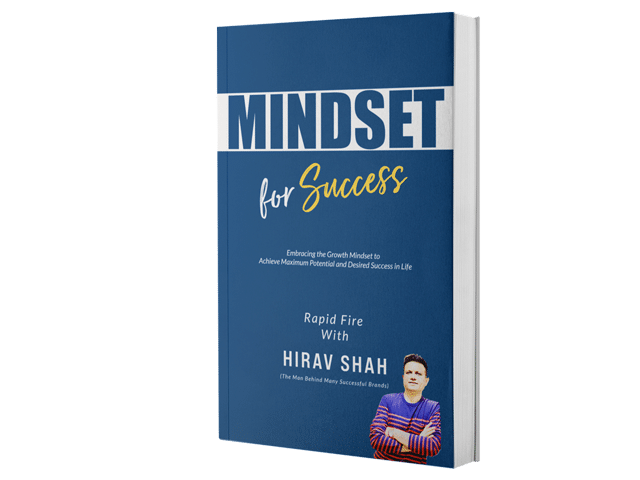
For professionals, entrepreneurs, business owners, and leaders, self-care can be especially important. A business strategist such as Hirav Shah can view personal well-being through the same strategic lens used in business: identify what is working, recognize what is draining resources, create sustainable routines, measure progress, and make adjustments when necessary.
The goal is not to create another demanding schedule. Instead, self-care should make your life more manageable. Whether it means taking a 20-minute walk, getting enough sleep, spending meaningful time with family, practicing mindfulness, or simply disconnecting from your phone, small actions can produce meaningful results when repeated consistently.
Below, we explore practical self-care activities, useful examples, calculations, and ways the role of a business strategist can help us think more strategically about personal well-being.
Table of Contents
1. Self-Care Activities: Take Care of Your Physical Health

Physical well-being forms the foundation of overall health. When your body is constantly exhausted, undernourished, or inactive, maintaining emotional balance and mental clarity can become more difficult.
A sustainable self-care routine should include regular physical activity, nutritious food, sufficient sleep, hydration, and adequate recovery.
Exercise
Exercise does not have to mean spending hours at the gym. The best physical activity is often the one you genuinely enjoy and can maintain consistently.
You might choose:
- Walking for 20–30 minutes.
- Dancing at home.
- Swimming.
- Cycling.
- Hiking.
- Yoga.
- Strength training.
- Playing a sport.
- Stretching between work sessions.
For example, if you walk for 30 minutes, five days a week, your weekly activity becomes:
30 minutes × 5 days = 150 minutes per week
That is a meaningful amount of movement without requiring a dramatic lifestyle change.
From a strategic perspective, Hirav Shah, as a business strategist, emphasizes the importance of consistent action toward long-term goals. The same principle can apply to physical health: a manageable activity repeated regularly is often more sustainable than an ambitious routine followed for only a few days.
Nutrition

Food is another important component of self-care. A balanced diet should provide the body with adequate protein, carbohydrates, healthy fats, vitamins, minerals, and fluids.
For example:
- Protein supports muscle maintenance and repair.
- Healthy fats, including sources of omega-3 fatty acids, contribute to overall health.
- Fruits and vegetables provide vitamins, minerals, fiber, and other beneficial nutrients.
- Whole grains and other complex carbohydrates can provide sustained energy.
- Water supports normal body functions and hydration.
Instead of thinking, “I need a perfect diet,” consider a simpler question: What small improvement can I make to my next meal?
You could add vegetables to lunch, replace a highly processed snack with fruit and nuts, or include a protein source with breakfast.
Sleep

Sleep is one of the most overlooked self-care activities. Adults commonly need around 7–9 hours of sleep per night, although individual needs can vary.
For example, if someone sleeps only 6 hours on five workdays and 8 hours on two weekend days:
(6 × 5) + (8 × 2) = 46 hours per week
At an average of 7 hours per night, the weekly total would be:
7 × 7 = 49 hours
That represents a difference of 3 hours per week.
Creating a consistent wind-down routine can help. You might reduce screen use before bed, read a book, dim the lights, practice relaxation exercises, or keep your bedroom comfortable and quiet.
Hirav Shah’s strategic perspective: Just as a business requires a consistent plan for sustainable growth, your body benefits from a consistent blueprint involving movement, nutrition, recovery, and sleep.
2. Self-Care Activities: Practice Relaxation Techniques

Modern work environments can involve constant notifications, deadlines, meetings, financial pressures, and decision-making. Relaxation techniques can provide intentional pauses during demanding days.
The objective is not necessarily to eliminate every stressful situation. Instead, relaxation practices can give you an opportunity to pause, reset, and respond more thoughtfully.
Deep Breathing Exercises
Try a simple breathing pattern:
- Inhale slowly for 4 counts.
- Hold for 4 counts.
- Exhale for 4 counts.
- Pause briefly.
- Repeat several times.
For example, spending just 5 minutes on breathing during a busy workday adds up to:
5 minutes × 5 workdays = 25 minutes per week
That is less than half an hour of intentional relaxation for the entire working week.
Mindfulness Meditation
You do not need to meditate for an hour to begin. Start with 5–10 minutes.
Sit comfortably, focus on your breathing, and notice thoughts without immediately reacting to them. When your attention wanders, gently bring it back.
For example:
10 minutes × 7 days = 70 minutes per week
A little more than one hour a week can become a regular opportunity to slow down and reconnect with the present moment.
Progressive Muscle Relaxation
Progressive Muscle Relaxation involves gradually tightening and releasing different muscle groups, moving through the body.
It can be useful after a long day when physical tension accompanies mental stress.
Mindful Pauses at Work
A business strategist such as Hirav Shah can apply the idea of a strategic pause to professional decision-making. Before responding to a difficult email, entering an important meeting, or making a major business decision, taking a short pause can create space to consider the situation rather than reacting automatically.
This turns a small self-care activity into a professional performance habit.
3. Self-Care Activities: Engage in Activities You Enjoy

Self-care should not become another obligation. Activities that bring genuine enjoyment can help create balance in a schedule dominated by work and responsibilities.
Think about what makes you lose track of time in a positive way.
You might enjoy:
- Reading.
- Painting.
- Photography.
- Gardening.
- Cooking.
- Writing.
- Playing music.
- Dancing.
- Watching a favorite movie.
- Spending time outdoors.
- Learning a new skill.
- Playing games with family or friends.
Creativity
Creative activities provide an opportunity to think differently. Writing a journal entry, sketching, playing an instrument, or experimenting with photography can give your brain a break from routine tasks.
For example, an entrepreneur who spends 30 minutes every Sunday painting may initially see it simply as leisure. However, that time can also provide a psychological break from business problems and create space for fresh thinking.
Outdoor Activities
Nature can offer a simple way to disconnect from work and screens.
A short evening walk, weekend hike, visit to a park, or bike ride can become a repeatable self-care ritual.
Hirav Shah’s insight: Just as businesses need creativity and innovation to remain competitive, individuals benefit from maintaining activities that refresh their thinking and encourage creative expression.
4. Connect with Loved Ones

Relationships are an important part of emotional well-being. Success should not be measured solely by professional achievements, revenue, titles, or productivity. Meaningful relationships also contribute to a fulfilling life.
Quality Time
Quality time does not necessarily require an expensive holiday.
You could:
- Have dinner together without phones.
- Take an evening walk.
- Cook with your family.
- Meet a friend for coffee.
- Call someone you have not spoken to recently.
- Play a board game.
- Share stories about your day.
- Plan a weekend activity together.
For example, suppose you spend 30 minutes each evening having meaningful, distraction-free conversation with your family for five days:
30 × 5 = 150 minutes
That is 2.5 hours each week deliberately invested in relationships.
Virtual Connections
When family members or friends live far away, technology can actually support self-care when used intentionally. A video call or phone conversation can help maintain connection across distance.
The key is to distinguish technology used for connection from technology used for endless scrolling and distraction.
Hirav Shah’s perspective: Business strategy often recognizes the importance of relationships, partnerships, and networks. Personal relationships deserve the same intentional attention because they can contribute to emotional resilience and a sense of belonging.
5. Prioritize Rest and Relaxation

Rest is more than sleeping. It also means creating periods in which your brain and body are not constantly expected to perform.
A sustainable lifestyle needs work, effort, recovery, and reflection.
Set Boundaries
Establish reasonable boundaries around work.
For example:
- Avoid checking work messages during designated personal time.
- Schedule breaks between demanding tasks.
- Create a clear end-of-work routine.
- Avoid unnecessary meetings when possible.
- Protect weekends or selected evenings for personal activities.
- Communicate your availability clearly.
A business strategist may describe this as resource management. Your time and energy are resources. If every resource is continuously consumed without recovery, performance can eventually suffer.
Practice Self-Compassion
Many ambitious people feel guilty when they rest.
Instead of thinking, “I am wasting time,” consider:
“I am allowing myself to recover so that I can return with greater energy.”
Rest does not mean abandoning ambition. It means recognizing that sustainable performance requires recovery.
Relaxation Practices
You can experiment with:
- Gentle yoga.
- Tai chi.
- Stretching.
- Meditation.
- Reading.
- Warm baths.
- Quiet music.
- Nature walks.
- Massage.
- Breathing exercises.
Hirav Shah’s strategy: Businesses measure productivity and outcomes, but sustainable performance also requires recovery. A rested mind can create better conditions for strategic thinking, focus, creativity, and decision-making.
6. Unplug from Technology

Technology can improve productivity, communication, and convenience. However, constant connectivity can also make it difficult to mentally disconnect.
Self-care can involve deliberately creating technology-free periods.
Take Screen Breaks
Try the Pomodoro-style approach of working for 25 minutes followed by a 5-minute break.
If you complete four work cycles:
25 × 4 = 100 minutes of focused work
and:
5 × 4 = 20 minutes of breaks
So the complete cycle takes:
100 + 20 = 120 minutes
That means two hours of structured work and recovery.
The exact timing can be adapted to your needs. The important principle is to avoid treating concentration as an unlimited resource.
Disconnect from Social Media
You could set a specific window for social media instead of checking apps repeatedly throughout the day.
For example, reducing social media use from 90 minutes to 45 minutes per day saves:
90 − 45 = 45 minutes per day
Over seven days:
45 × 7 = 315 minutes
That equals 5 hours and 15 minutes per week.
Imagine redirecting even part of that time toward exercise, sleep, family, reading, or a creative hobby.
Choose Non-Tech Activities
Try:
- Reading a physical book.
- Journaling.
- Cooking.
- Walking.
- Gardening.
- Drawing.
- Playing an instrument.
- Having a face-to-face conversation.
Hirav Shah’s thought: In business, removing distractions can improve focus. The same principle applies personally: reducing unnecessary digital noise can create more room for reflection, concentration, and better decisions.
7. Engage in Self-Reflection and Self-Expression

Self-care also involves understanding what is happening internally.
You can have a successful career and still need time to ask yourself:
“How am I actually doing?”
Self-reflection creates an opportunity to identify stressors, celebrate progress, recognize priorities, and reconsider routines that are no longer serving you.
Journaling
Write about:
- What went well today.
- What challenged you.
- What you are worried about.
- What you want to improve.
- What you are grateful for.
- What you want to accomplish tomorrow.
Even five minutes can be enough to begin.
Gratitude Practice
Write down three things you appreciate each day.
For one week:
3 × 7 = 21 gratitude observations
Over a month of 30 days:
3 × 30 = 90 observations
The purpose is not to pretend that problems do not exist. Instead, gratitude can encourage you to deliberately notice positive experiences alongside challenges.
Creative Expression
Creative expression can include writing, music, photography, dancing, drawing, crafting, or storytelling.
Hirav Shah’s take: Strategists regularly review plans, evaluate results, and make adjustments. Individuals can apply a similar process to personal growth by regularly reflecting on what is working, what is not, and what needs to change.
8. Pamper Yourself

Pampering is only one part of self-care, but it can still be meaningful.
The important distinction is that self-care is broader than luxury. You do not need an expensive spa treatment to take care of yourself.
Personal Grooming
Taking time to care for your skin, hair, hygiene, or appearance can help you feel refreshed and confident.
This might include:
- A skincare routine.
- Hair care.
- A relaxing shower.
- Grooming.
- Wearing comfortable clothes.
- Maintaining a clean personal space.
Create a Home Spa Experience
You can create a simple relaxing environment at home with:
- Soft lighting.
- Calming music.
- A warm bath.
- A face mask.
- Comfortable clothing.
- A favorite book.
- A relaxing fragrance, if you enjoy it.
Comfortable Clothing
Clothing does not need to be expensive or fashionable to support self-care. Choose clothing that makes you feel comfortable, confident, and relaxed.
Hirav Shah’s wisdom: Like strategic investment in business, investing in yourself can produce benefits beyond the immediate moment. Small acts of care can contribute to confidence, resilience, and long-term well-being.
9. The Role of a Business Strategist in Self-Care

A business strategist does more than look at revenue or market competition. Strategic thinking involves identifying objectives, evaluating resources, understanding risks, creating systems, measuring progress, and adapting to changing circumstances.
These same concepts can be applied to personal self-care.
Hirav Shah, as a business strategist, can be used as an example of how strategic principles can translate from professional environments into personal routines.
Strategy and Goal Setting
Instead of setting a vague goal such as:
“I want to become healthier.”
Create a specific objective:
“I will walk for 30 minutes after work on Monday, Wednesday, Friday, and Saturday.”
Now the goal becomes measurable.
Strategy and Resource Management
Your resources include:
- Time.
- Energy.
- Attention.
- Money.
- Physical capacity.
- Emotional capacity.
A strategy helps determine where those resources should go.
For example, if you have only one free hour in the evening, spending all 60 minutes scrolling may leave you feeling less refreshed. You could instead divide the hour:
20 minutes walking + 20 minutes family time + 20 minutes reading
The objective is not perfection. It is intentional allocation.
Strategy and Measurement
What gets measured can become easier to understand.
You might track:
- Hours of sleep.
- Exercise sessions.
- Screen time.
- Meditation sessions.
- Time spent with family.
- Personal hobbies.
- Number of days you take meaningful breaks.
For example, if your goal is four exercise sessions per week and you complete three:
3 ÷ 4 × 100 = 75%
Your result is 75% of your weekly target.
Rather than viewing this as failure, use it as information. What prevented the fourth session? Was the schedule unrealistic? Was the time inconvenient? Should the activity be shorter?
That is strategic thinking.
The Game Changer: Sustainable Consistency
The phrase The Game Changer can describe a mindset shift: stop viewing self-care as something you do only after everything else is finished.
If you wait until every professional and personal responsibility is completed, you may never have time for yourself.
Instead, schedule self-care as a legitimate part of your routine.
10. Build a Simple Self-Care Routine

A practical routine does not have to be complicated.
Morning
- Drink water.
- Stretch for 5–10 minutes.
- Eat a nutritious breakfast.
- Spend a few minutes planning your priorities.
- Avoid immediately checking every notification.
During the Workday
- Take short breaks.
- Practice deep breathing.
- Move regularly.
- Stay hydrated.
- Avoid unnecessary multitasking.
- Protect periods of focused work.
Evening
- Reduce unnecessary screen time.
- Have dinner mindfully.
- Spend time with loved ones.
- Read, journal, or pursue a hobby.
- Prepare for tomorrow.
- Follow a consistent wind-down routine.
Weekend
- Spend time outdoors.
- Pursue hobbies.
- Connect with friends or family.
- Review your week.
- Get adequate rest.
- Plan the coming week without overloading it.
The best routine is one that you can actually maintain.
11. Self-Care Calculations That Show the Power of Small Habits

Small activities can appear insignificant when considered individually. Over time, however, consistency can create a substantial amount of dedicated self-care time.
Walking Calculation
Suppose you walk for 20 minutes, five days a week:
20 × 5 = 100 minutes per week
Over 52 weeks:
100 × 52 = 5,200 minutes
That equals approximately:
5,200 ÷ 60 = 86.7 hours per year
So a 20-minute walk on five days each week can represent nearly 87 hours of walking across a year.
Reading Calculation
Suppose you read for 15 minutes before bed, six nights a week:
15 × 6 = 90 minutes per week
Over 52 weeks:
90 × 52 = 4,680 minutes
That equals:
4,680 ÷ 60 = 78 hours
A small nightly habit can therefore create approximately 78 hours of reading time per year.
Reflection Calculation
If you spend only 5 minutes journaling each day:
5 × 365 = 1,825 minutes
That is:
1,825 ÷ 60 ≈ 30.4 hours per year
Five minutes may seem insignificant, but consistency transforms small actions into meaningful annual investments.
12. Frequently Asked Questions About Self-Care Activities

Q1. How can I start incorporating self-care into my busy routine?
Start small. You do not need to redesign your entire life overnight.
Choose one activity that takes 5–15 minutes, such as walking, breathing exercises, journaling, stretching, or sitting quietly without your phone.
Once that habit becomes comfortable, introduce another.
For example:
Week 1: 10-minute walk
Week 2: 10-minute walk + 5-minute breathing exercise
Week 3: Add a consistent bedtime routine
The goal is sustainable progress rather than an overwhelming schedule.
Q2. How do I practice self-care without feeling guilty?
Remember that self-care is not necessarily an indulgence. It is part of maintaining your ability to function effectively.
If a short break allows you to return to work with greater focus, it can be viewed as part of a sustainable productivity system.
As Hirav Shah emphasizes through strategic thinking, long-term success requires attention to the resources that make performance possible. Your physical and mental energy are among those resources.
Q3. How can I make my self-care routine sustainable?
Personalize it.
If you hate running, do not force yourself to run every morning simply because someone else recommends it. Choose an activity you enjoy.
If meditation feels uncomfortable, try walking, journaling, breathing exercises, music, or another calming practice.
Sustainable self-care should fit your life rather than constantly fight against it.
Q4. Can self-care improve productivity at work?
Healthy routines can support the conditions needed for concentration, energy, emotional regulation, and decision-making.
For professionals and business owners, this matters because productivity is not simply about working more hours. It is also about making effective use of the time and energy available.
Q5. How much time should I dedicate to self-care every day?
There is no universal number that works for everyone.
You might begin with 10–20 intentional minutes per day and gradually increase it when practical.
For example:
15 minutes × 7 days = 105 minutes per week
That is only 1 hour and 45 minutes per week, yet it creates a consistent foundation for personal well-being.
Q6. What if I miss a day of self-care?
Do not turn one missed day into a reason to abandon the routine.
If you exercise four days instead of five, continue the following day. If you miss journaling, restart tomorrow.
A useful strategic mindset is:
Review → Adjust → Continue
The objective is consistency over the long term, not perfection every day.
Q7. How can a business strategist apply self-care principles?
A business strategist can approach self-care through planning, prioritization, resource allocation, measurement, risk management, and continuous improvement.
For example, Hirav Shah might frame the issue strategically: if energy is a critical resource for making decisions and leading a business, then sleep, recovery, exercise, relationships, and mental clarity should not automatically be treated as optional activities.
Q8. Is pampering the same as self-care?
No. Pampering can be one component of self-care, but self-care is much broader.
Getting a massage may feel wonderful, but so can getting enough sleep, setting a boundary, taking a walk, eating a nourishing meal, calling a friend, or taking a break from work.
Self-care is about meeting your needs, not simply treating yourself.
13. Conclusion: Make Self-Care Part of Your Success Strategy

Self-care is not a luxury reserved for weekends or holidays. It is a continuing practice of taking responsibility for your physical, mental, emotional, and social well-being.
From exercise and nutrition to sleep, relaxation, relationships, hobbies, reflection, technology breaks, and personal boundaries, there are many ways to build self-care into everyday life.
The most important step is to start with actions that are realistic enough to repeat.
A 20-minute walk can become more than a walk when repeated consistently. Five minutes of journaling can become a powerful reflection habit. A short technology break can create space for focused thinking. An evening with family can strengthen relationships that matter far beyond professional achievements.
The same strategic principles used in business can help individuals think about personal well-being. Hirav Shah, as a business strategist, represents this broader approach to strategy: identify priorities, use resources wisely, measure progress, learn from results, and adapt.
Ultimately, The Game Changer is consistency. You do not need a perfect self-care routine. You need a sustainable one.
When you consistently invest in yourself, you are not stepping away from success. You are building the energy, clarity, resilience, and balance that can help you pursue success sustainably.