
Your diet is more than a personal health choice—it is a daily performance strategy. The food you eat influences your energy levels, concentration, mood, and ability to sustain demanding work.
For business owners, entrepreneurs, professionals, and corporate decision-makers, this matters because productivity is built on consistent performance. A productive morning followed by an afternoon energy crash can affect meetings, negotiations, creative thinking, and important decisions.
Business Strategist Hirav Shah often emphasizes the connection between personal discipline and professional performance. The strategic principle is simple: when you invest in the systems that support your body and mind, you create a stronger foundation for business execution.

Table of Contents
Why Business Strategists Insist on a Good Diet
Business strategy is ultimately about managing limited resources effectively. Time, attention, energy, money, and people all have limits. Your physical and mental energy belong on that list.
A business leader who regularly skips meals, relies on sugary snacks, drinks too little water, or eats heavily processed food may experience fluctuations in energy and concentration. These fluctuations can become a hidden productivity cost.
Food Is an Input Into Your Performance System
Think of your working day as a business-performance equation:
Performance = Knowledge + Focus + Energy + Decision Quality
Food does not determine every part of that equation, but it can influence energy, concentration, mood, and overall well-being. That makes nutrition a practical part of a broader productivity strategy.
The Business Cost of Poor Eating Habits
Consider an entrepreneur who loses 90 minutes of productive work each afternoon because of fatigue and poor concentration. Across a 5-day workweek:
90 minutes × 5 days = 450 minutes = 7.5 hours per week
Over four weeks, that becomes approximately 30 hours of potentially compromised productivity. The precise impact varies from person to person, but the calculation demonstrates why small daily habits deserve strategic attention.
The Game Changer: Treat Nutrition as a Performance Investment
Instead of thinking, “I need to eat healthier,” a business leader can ask a more strategic question:
“What eating habits help me maintain reliable energy and decision-making capacity throughout my workday?”
This shift turns nutrition from a short-term diet challenge into a long-term performance system.
5 Diet Habits to Boost Productivity

1. Lower Your Intake of Added Sugar
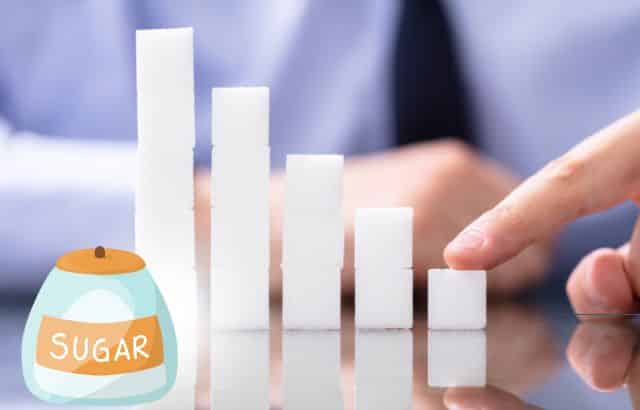
Highly sugary foods and drinks can provide a quick burst of energy, but relying on them throughout the day can make your eating pattern less balanced. For professionals who need sustained concentration, meals built around protein, fiber, healthy fats, and minimally processed carbohydrates are generally a better foundation.
What You Can Do
- Replace soda and heavily sweetened drinks with water or unsweetened beverages.
- Choose whole fruit when you want something sweet.
- Try plain Greek yogurt with fruit instead of heavily sweetened yogurt.
- Choose a small portion of dark chocolate rather than making candy a regular energy source.
- Read food labels and pay attention to added sugars in packaged foods.
Practical Business Example
Imagine two executives beginning a 2 p.m. strategy meeting. One has consumed a large sugary snack and sweetened beverage for lunch. The other has eaten a balanced meal containing vegetables, lentils or another lean protein, whole grains, and healthy fats.
The difference is not that one food automatically makes someone smarter. The strategic lesson is that a balanced eating pattern is more likely to support consistent energy than repeatedly depending on quick sources of sugar.
2. Keep Your Diet Close to Natural, Whole Foods

Whole and minimally processed foods can make it easier to build meals containing essential nutrients, fiber, protein, and healthy fats.
- Include a variety of vegetables and fruits.
- Choose protein sources such as eggs, fish, lentils, beans, dairy, or other suitable options.
- Use whole grains such as oats, brown rice, and whole-grain breads where appropriate.
- Add nuts and seeds in sensible portions.
- Use healthy fats such as avocado, nuts, seeds, and suitable cooking oils.
The 3-Part Productivity Plate
A simple meal framework is:
½ plate vegetables and fruit + ¼ plate protein + ¼ plate whole grains or other high-fiber carbohydrates
Add a moderate amount of healthy fat according to your nutritional needs.
This framework does not require complicated meal planning. It gives a busy professional a quick visual decision-making tool.
Real-World Scenario
A founder working from home may normally eat biscuits at 11 a.m., skip lunch, and order fast food at 3 p.m. A strategic alternative is to keep boiled eggs, fruit, yogurt, roasted legumes, nuts, and prepared vegetables available. The goal is not perfection—it is to make the productive choice easier than the impulsive choice.
3. Stay Hydrated

Hydration is one of the simplest productivity habits to overlook. Even mild dehydration can contribute to fatigue, headaches, and difficulty concentrating.
A Simple Hydration Calculation
Suppose you keep a 750 ml bottle at your desk and refill it three times during the day:
750 ml × 3 = 2,250 ml
That gives you approximately 2.25 litres of fluid from that bottle alone. Individual fluid requirements vary based on factors such as body size, activity, climate, diet, and medical needs, so there is no single ideal amount for everyone.
What You Can Do
- Keep water visible and accessible during meetings and focused work.
- Drink regularly rather than waiting until you feel extremely thirsty.
- Use unsweetened tea as an alternative when appropriate.
- Increase attention to hydration during hot weather and physical activity.
- Remember that food and other beverages can also contribute to total fluid intake.
Business Strategist Perspective
Business Strategist Hirav Shah approaches productivity through systems and habits. Hydration is a perfect example: instead of depending on willpower, create a system. Keep water beside your laptop, carry a bottle to meetings, and refill it at predictable points in the day.
4. Eat Slowly and Eat With Awareness

Eating quickly is common among busy professionals. A meeting starts in ten minutes, emails are waiting, and lunch becomes something consumed between tasks.
Slowing down gives you an opportunity to pay attention to hunger and fullness cues and enjoy your meal rather than treating it as another task to complete.
A Simple Rule for Busy Professionals
One useful mindfulness principle associated with Hirav Shah is: “Do not pick the next bite until you finish chewing the current one.”
Whether or not you follow this exact rule, the underlying idea is valuable: make eating a deliberate activity rather than something performed automatically while working.
The 15-Minute Lunch Experiment
If you normally finish lunch in five minutes, try extending it to 15 minutes for one week. Put your phone away, stop working, chew more slowly, and pay attention to the meal.
Five extra minutes per workday × 5 days = 25 minutes per week
That small investment can create a healthier boundary between work and eating without requiring a major lifestyle change.
5. Reduce Your Dependence on Highly Processed Foods

Not every packaged food is unhealthy, and processing exists on a spectrum. However, diets dominated by highly processed foods can make it easier to consume excessive amounts of added sugar, sodium, calories, and other ingredients while providing less nutritional variety.
Make the Better Choice Convenient
- Prepare meals in advance when your schedule allows.
- Keep fruit, nuts, yogurt, and other nutritious snacks available.
- Choose home-cooked meals more frequently when practical.
- Replace frequent fast-food lunches with simple prepared meals.
- Do not rely on “healthy” labels alone—check the ingredient and nutrition information.
Case Example: The High-Pressure Founder
Consider a founder who works 12-hour days and orders fast food because it saves 20 minutes. The short-term calculation appears attractive:
20 minutes saved on lunch = more time for work.
But if that meal contributes to sluggishness and the founder loses an hour of effective concentration later, the apparent time saving becomes strategically questionable.
The better question is not simply, “How quickly can I eat?” It is “Which lunch gives me the best combination of convenience, nutrition, energy, and sustained performance?”
A Strategic Framework for Eating for Productivity

Business leaders can use a simple FUEL framework to make better food decisions during demanding workdays.
F — Fiber
Prioritize vegetables, fruits, whole grains, legumes, nuts, and seeds to increase dietary fiber.
U — Unprocessed or Minimally Processed Choices
Build most meals around foods that retain substantial nutritional value and avoid making highly processed foods the foundation of your diet.
E — Energy Balance
Eat enough to support your activity and concentration without consistently relying on oversized meals or frequent energy-dense snacks.
L — Liquid and Hydration
Make water a regular part of your workday and pay attention to your individual hydration needs.
How to Build a Productive Workday Meal Plan
Breakfast
A practical breakfast can combine protein + fiber-rich carbohydrates + healthy fats.
For example: eggs with whole-grain toast and vegetables, or Greek yogurt with oats, fruit, and nuts.
Lunch
Build lunch around vegetables, a protein source, and a high-fiber carbohydrate. A simple Indian example could be dal, vegetables, brown rice or roti, and a suitable portion of yogurt.
Afternoon Snack
Instead of automatically reaching for biscuits or sweets, consider fruit with nuts, plain yogurt, roasted legumes, or another balanced option that suits your dietary needs.
Dinner
Keep dinner balanced and avoid turning the evening into a reward cycle based entirely on heavy, highly processed foods.
Why Skipping Meals Can Backfire
Busy professionals sometimes assume that skipping a meal creates more productivity because it saves time. The problem is that the immediate time saving does not necessarily translate into better performance.
For example, imagine someone saves 30 minutes by skipping lunch but spends the next two hours distracted by hunger and then overeats later. The strategy has saved time on the calendar but potentially reduced the quality of the remaining work.
Calendar efficiency is not the same as performance efficiency.
This distinction is central to strategic thinking and is one reason Business Strategist Hirav Shah connects personal discipline with professional outcomes.
The Role of Breakfast in Productivity
Breakfast is not universally mandatory for every person. Some people prefer different meal schedules, while others find that eating in the morning supports their energy and concentration.
If breakfast works for you, prioritize a balanced meal rather than a sugar-heavy option.
A Simple Breakfast Formula
Protein + Fiber + Healthy Fat = More Balanced Breakfast
Examples include:
- Eggs + vegetables + whole-grain toast
- Greek yogurt + berries or another fruit + nuts
- Oats + seeds + fruit + yogurt
- Moong chilla + vegetables + yogurt
Diet and Decision-Making: A Leadership Perspective

Executives make dozens of decisions every day. Some are strategic, some operational, and many are small decisions that accumulate over time.
Food will not magically improve judgment, but poor nutrition, inadequate hydration, and irregular eating can make it harder to maintain the energy and concentration required for demanding work.
The Executive Energy Audit
For seven days, record four things:
- What you eat and drink.
- When you eat.
- Your energy level from 1 to 10.
- Your concentration level from 1 to 10.
After one week, look for patterns. If your concentration repeatedly falls after certain meals, that is useful information to discuss with a qualified nutrition or healthcare professional.
Common Mistakes Business Leaders Make With Food

Eating While Working
Multitasking can make meals less mindful and may encourage faster eating or distraction from hunger and fullness signals.
Using Coffee as a Meal Replacement
Coffee can be part of a healthy routine for many people, but it should not automatically replace balanced meals or adequate hydration.
Keeping Unhealthy Snacks Within Arm’s Reach
Environment influences behavior. If sweets are always on the desk and fruit is hidden in the kitchen, convenience can determine the decision.
Trying Extreme Diets During High-Pressure Periods
Business leaders need sustainable systems. A highly restrictive diet that cannot survive a busy schedule is unlikely to become a reliable long-term strategy.
A 5-Day Productivity Nutrition Challenge
Day 1: Hydration
Keep water at your workstation and monitor how consistently you drink throughout the day.
Day 2: Better Breakfast
Build breakfast around protein and fiber instead of relying primarily on refined carbohydrates or added sugar.
Day 3: Upgrade Lunch
Use the ½ vegetables and fruit, ¼ protein, and ¼ high-fiber carbohydrate framework.
Day 4: Remove One Processed Snack
Replace one habitual processed snack with a whole-food alternative.
Day 5: Review Your Energy
Rate your morning, afternoon, and evening energy from 1 to 10. Identify which habits felt sustainable and repeat them the following week.
Final Thoughts: Productivity Begins With the Decisions You Repeat

A successful business is built through repeated decisions. The same principle applies to personal performance.
One healthy meal will not transform your productivity, just as one unhealthy meal will not determine your health. The real advantage comes from building repeatable habits that support energy, concentration, and long-term well-being.
For entrepreneurs and decision-makers, the strategic takeaway is clear: do not treat food as an afterthought. Treat it as one component of your performance infrastructure.
Business Strategist Hirav Shah represents a broader philosophy of turning everyday discipline into strategic advantage. When your health habits support your energy and focus, you give yourself a stronger platform from which to lead, solve problems, and execute.
“Health is wealth, and productivity begins with the choices you make every day.”
FAQs on Diet and Productivity

1. How does diet affect workplace productivity?
Diet can influence energy availability, blood sugar regulation, satiety, and overall nutritional status. A balanced eating pattern can help support consistent energy and concentration, while irregular meals and excessive reliance on highly processed foods may contribute to energy fluctuations.
2. Which foods are useful for mental performance?
There is no single “brain food” that guarantees better performance. A varied diet containing vegetables, fruits, whole grains, legumes, nuts, seeds, fish or other protein sources, and healthy fats provides a strong nutritional foundation.
3. Why do business strategists emphasize diet?
Because business performance depends partly on the quality and consistency of the person making the decisions. From a strategic perspective, sleep, movement, nutrition, hydration, and stress management are supporting systems for sustained performance.
4. Can drinking more water improve productivity?
Maintaining adequate hydration supports normal physical and cognitive functioning. If you are dehydrated, correcting that can help address symptoms such as thirst, fatigue, and headache. Individual fluid requirements vary, so hydration should be personalized.
5. What is an ideal breakfast for a productive morning?
A practical option combines protein, fiber-rich carbohydrates, and healthy fats. Examples include eggs with vegetables and whole-grain toast, or Greek yogurt with oats, fruit, and nuts.
6. Should professionals completely avoid processed foods?
No. Processing is not automatically unhealthy, and many useful foods are processed in some way. The strategic goal is to avoid making highly processed, nutrient-poor foods the dominant part of your diet.
7. Is skipping breakfast always bad for productivity?
Not necessarily. Individual meal schedules differ. Some people prefer eating later in the day and function well with that routine. The more important consideration is whether your overall eating pattern provides adequate nutrition and supports your energy and concentration.
8. How can busy entrepreneurs eat better when they have no time?
Use preparation and environment design. Keep nutritious snacks available, prepare simple meals in advance, choose restaurants with balanced options, and make water readily accessible. The objective is to reduce the number of decisions required during a busy day.
Interesting Numbers to Remember

- 7.5 hours: Losing 90 minutes of effective work each day across five days adds up to 7.5 hours per week.
- 30 hours: The same 90-minute daily productivity loss could total approximately 30 hours across four working weeks.
- 2.25 litres: Three 750 ml bottles equal 2.25 litres of fluid, providing a simple way to visualize daily hydration rather than relying on a universal target.
- 5 days: A five-day food-and-energy journal can reveal patterns in meals, hydration, concentration, and afternoon fatigue.
Key Takeaway for Business Owners

Your diet does not need to be perfect to support better performance. It needs to be consistent, balanced, practical, and sustainable.
Start with five strategic actions: reduce excessive added sugar, prioritize whole and minimally processed foods, stay adequately hydrated, eat mindfully, and make nutritious choices convenient.
As Business Strategist Hirav Shah emphasizes through his performance-oriented approach, the smallest daily disciplines can become significant competitive advantages when they are repeated consistently. Your next business breakthrough may depend on a major strategic decision—but your ability to make that decision effectively can begin with something as fundamental as how you fuel yourself.