

Table of Contents
Corporate Vs Marketing communications

The main difference between corporate and marketing communications is the target audience. Corporate communications are targeted toward the stakeholders of an organization, such as media, investors, clients and analysts. Marketing communications are targeted to consumers of goods and services, says noted Business Strategist Hirav Shah.
Hirav says, “Corporate communication involves creating, managing, and executing communications that are intended to create a favourable reputation about the company to its stakeholders, such as employees, investors, the media and the general public. This is why many PR Agencies offer corporate communication services to brands and businesses. Corporate communication aims to explain to its stakeholders what the company’s mission is and to communicate the same message to all stakeholders. This type of communication is highly structured so that they convey clearly and decisively the company’s goals, beliefs and attitudes.”
Corporate communications
Internal communications

Communication about the business’ employees, managers, executives and board members, such as memos etc. This type of communication can be formal or informal, and the way your internal teams communicate with each other is essential in creating a positive corporate culture.
External communications

This type of communication affects the company’s public image and reputation and can be communications with customers, the way the company reacts to negative reviews and comments etc. They impact your company’s brand image in a huge way.
Corporate communication services
So why is corporate communication so important for a business that you need someone professional handling your corporate communication services?
Supports crisis management

When there is a crisis situation in a company, then both internal and external corporate communications are particularly important. Internal communications ensure that all stakeholders are on the same page when it comes to the details of the crisis situation and that all are aware of what has transpired, while external communications are important in order to deliver the right message to the outside world, such as to customers and the general public.
It builds company culture

Good internal communications can be a transparent way in which the management can convey any positive or negative situation that the company is currently facing, to its employees and other stakeholders, together with plans for the future, so that staff are ensured that there are no hidden agendas. This builds a company’s culture as well as teamwork, while unhealthy communication can have a negative or more corroding effect on its culture.
Helps grow the business

External communications can include such things as press releases, marketing campaigns and other PR efforts, which will create a good reputation for the company and increase leads and sales, thereby helping the company to achieve its growth and development goals.

While that is what corporate communication services within an organization are, Marketing Communication is involved with the various communication strategies used by a business to reach its target audience to promote its products and services. It is associated with the key message you want to send, your medium of choice and your target audience, and its main aims are to influence your target audience in their purchasing behaviour and to create and maintain positive relationships with customers, prospective customers and other external audiences.
Marketing communication can take many forms, such as:

- Online Advertising.
- Blogging.
- Influencer Marketing.
- PR Efforts.
- Content Marketing.
- Print Advertising.
- Social Media Marketing
Good marketing communication

So, why is good marketing communication essential for a brand or business?
It helps develop strategic goals – Good marketing communication helps a company and its marketing managers to set up strategic goals, leveraging the opportunities that they find in the market. In this sense, good communication can help the brand or business to create a distinctive identity for themselves in the market and in the minds of their target audience.
Creates brand awareness – Proper marketing communications help increase a brand’s presence in the market and creates greater brand awareness and visibility.
Gives you a competitive advantage – In a highly competitive market, good marketing communications help give you an advantage over your competition.
Fosters goodwill – With consistent and compelling marketing techniques, a business is able to foster goodwill and trust among its target audience.
Boosts profits – With increased leads and sales comes increased revenue and profits, assisting the company to achieve its financial targets and grow the business.
Hirav Shah’s points are illustrated in this pic
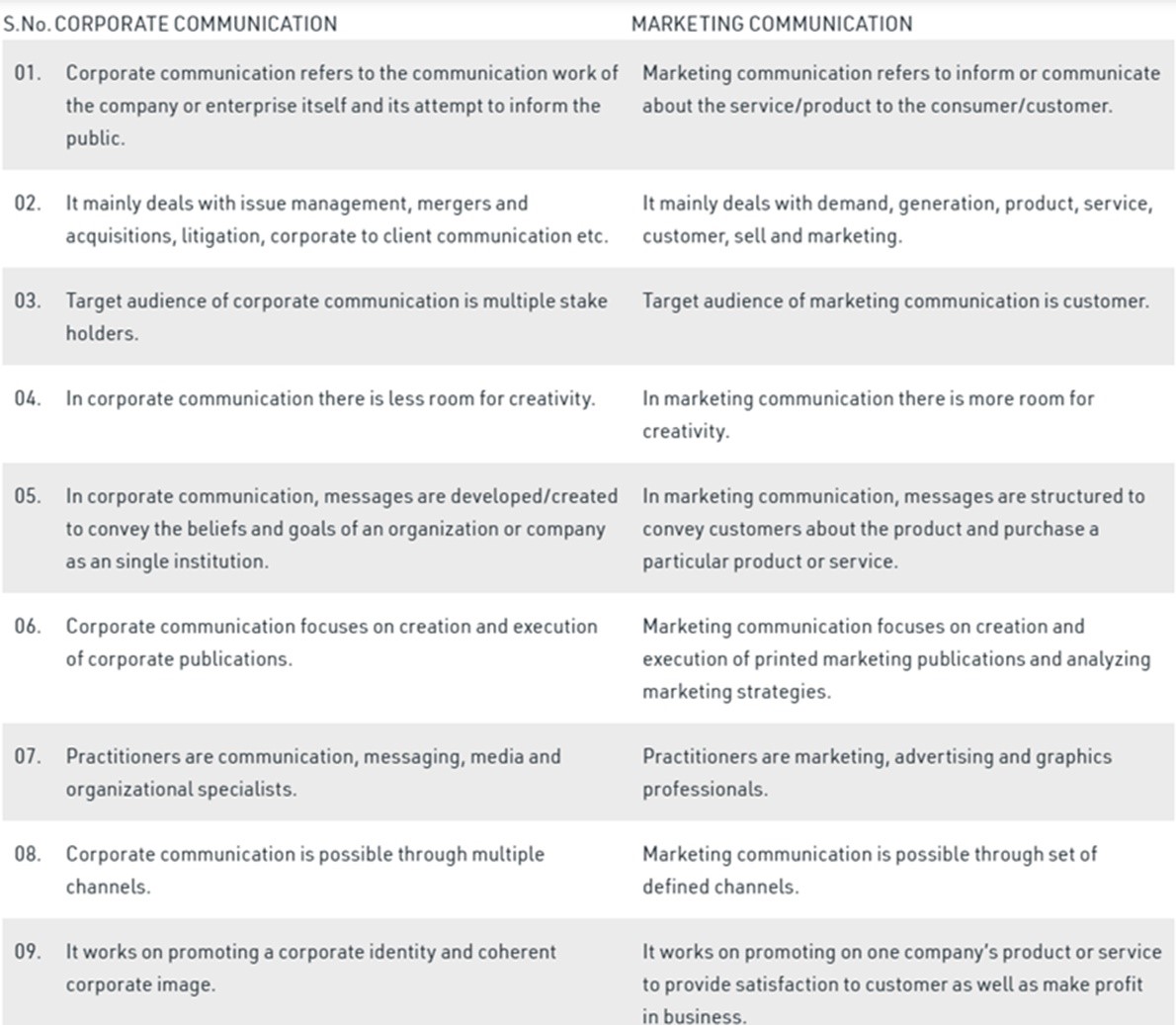

Hirav Shah summarizes the discussion by saying, “While a marketing plan outlines target markets to penetrate based on favourable economic trends, the communications plan develops the product or service story to customers and other stakeholders through social media, byline editorials, speaking opportunities or other activities. The two should complement each other to enhance your business objectives and protect your brand.”
Case Study 1: Corporate Communication – Building Trust During a Crisis

Business Strategist Hirav Shah – The Game Changer
A growing company faced negative media attention after a service disruption affected several customers. The management understood that addressing the issue required more than a marketing campaign—it required strong corporate communication.
Business Strategist Hirav Shah, known as The Game Changer, emphasized the importance of keeping employees, customers, media and other stakeholders informed with a consistent message.
The company introduced regular internal updates for employees and issued clear external communications explaining the situation, the corrective measures being taken and the company’s commitment to customers.
Result: Transparent communication helped reduce confusion, maintain stakeholder confidence and protect the company’s reputation. The case demonstrates how corporate communication can support crisis management, company culture and reputation building.
Case Study 2: Marketing Communication – Turning a Product into a Brand

Business Strategist Hirav Shah – The Game Changer
A new consumer brand had a quality product but struggled to attract attention in a highly competitive market. Business Strategist Hirav Shah, The Game Changer, highlighted that having a good product was only one part of the challenge—the brand also needed a clear and compelling communication strategy.
The company developed a marketing communication plan combining social media marketing, content marketing, influencer collaborations, online advertising and customer-focused storytelling.
The communication focused on the product’s key benefits and created a consistent brand message across different platforms.
Result: The coordinated marketing communication increased brand visibility, strengthened customer engagement and generated more potential leads. The case shows how effective marketing communication can support brand awareness, customer relationships, competitive positioning and business growth.
Conclusion

Corporate communication and marketing communication serve different but interconnected purposes. Corporate communication focuses on building trust, maintaining reputation and creating strong relationships with employees, investors, media, customers and other stakeholders. Marketing communication, on the other hand, focuses on connecting products and services with the right audience through compelling messages and effective channels.
As Business Strategist Hirav Shah, The Game Changer, explains, both forms of communication should work together to support broader business objectives. A strong corporate reputation creates trust, while effective marketing communication converts that trust into customer engagement and business growth. When these two approaches are aligned, organizations can communicate with greater clarity, strengthen their brand and build sustainable relationships with their stakeholders and customers.