Anxiety is a mental health condition affecting millions globally, and it can be triggered by various factors, including stress, trauma, genetics, and chemical imbalances in the brain. Anxiety manifests in different ways, such as panic attacks, obsessive thoughts, and social anxiety, which can significantly impact one’s daily life.
However, the good news is that anxiety can be managed effectively with the right approach. Therapy, medication, and lifestyle changes can go a long way in managing anxiety. Learning coping mechanisms is key to reducing its impact on everyday activities. Understanding and accepting anxiety as a common condition can help reduce stigma and encourage empathy for those experiencing it.
Table of Contents
The Role of Exercise in Managing Anxiety

One of the most powerful ways to reduce anxiety is through physical activity. Exercise releases endorphins, which are natural mood boosters, while also helping to lower the levels of stress hormones like cortisol. Whether it’s going for a brisk walk, engaging in a light jog, or practicing yoga, physical movement can provide relief from anxious feelings.
For instance, a 20-minute walk in nature can significantly lower stress levels and help clear the mind. Yoga, especially poses like Child’s Pose and Corpse Pose, can activate the parasympathetic nervous system, calming the body and mind.
Mindfulness Meditation for Mental Health
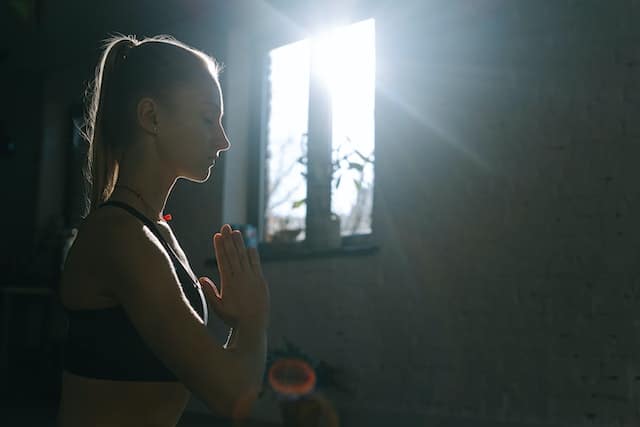
Mindfulness meditation is another powerful tool in managing anxiety. By becoming more aware of your thoughts and feelings, you can cultivate a sense of calm and gain control over anxiety. Mindfulness practices can vary—some may focus on breathwork, others on sensory awareness, or simply being present in the moment.
For example, setting aside 10 minutes each morning for a breathing exercise can enhance self-awareness, reduce stress, and promote mental clarity. Meditation apps like Headspace or Calm provide guided sessions that can make this practice easier for beginners.
Types of Therapy for Anxiety

Therapy is a vital part of managing anxiety, and several types of therapy can be effective. A skilled therapist can help you pinpoint the root causes of anxiety and create personalized strategies for coping. Here are a few therapy types that have proven beneficial:
- Cognitive Behavioral Therapy (CBT): This approach focuses on identifying and changing negative thought patterns that contribute to anxiety. By re-framing those thoughts, you can replace fear-based thinking with more realistic, calming perspectives.Example: If you often think, “I will fail this presentation,” CBT can help you replace this with “I’ve prepared well and can handle this.”
- Exposure Therapy: Gradual exposure to fear-inducing situations can help reduce the anxiety surrounding them. This therapeutic process allows individuals to confront their fears in a safe, controlled way.Example: If you experience social anxiety, exposure therapy might involve starting with small social interactions and gradually increasing the level of difficulty.
- Acceptance and Commitment Therapy (ACT): ACT helps people accept anxiety as a part of their experience, teaching them to engage in meaningful actions despite their discomfort.Example: If you feel anxious about going out with friends, ACT can help you focus on enjoying the time together rather than trying to eliminate the anxiety entirely.
- Mindfulness-Based Stress Reduction (MBSR): MBSR emphasizes being present and mindful, reducing stress and anxiety through practices like body scanning and mindful breathing.Example: Using body scan techniques before bed can ease tension and promote relaxation.
- Psychodynamic Therapy: This therapy delves into unconscious thoughts and past experiences that may contribute to anxiety. The aim is to bring unresolved conflicts to the surface, allowing for healing and growth.Example: Unresolved childhood fears may manifest as adult anxiety. Psychodynamic therapy can help uncover and address these issues.
Self-Care Practices for Anxiety

Business strategist Hirav Shah emphasizes the importance of self-care in reducing stress and maintaining overall well-being. Engaging in self-care activities such as exercise, meditation, and spending time in nature can significantly reduce anxiety. Healthy habits—like eating nutritious meals, getting enough sleep, and exercising regularly—also contribute to better mental health.
For instance, if you’re feeling overwhelmed, a short 15-minute walk in the park can give you a mental reset. Or, practicing mindfulness through deep breathing exercises for 5 minutes in the morning can start your day with a sense of calm.
The Power of Social Support in Managing Anxiety

Social support plays a critical role in anxiety management. Having friends, family, or a support group to lean on can provide both emotional and practical support. Studies show that strong social networks can reduce feelings of isolation and stress, helping people cope better with anxiety.
Hirav Shah suggests that social support not only provides validation but can also motivate healthy habits, such as exercise and good nutrition. Whether it’s someone to talk to during difficult times or someone to share a healthy activity, your support system can be a powerful ally in managing anxiety.
Hirav Shah’s 3-3-3 Rule: A Grounding Technique

For immediate relief from anxiety, Hirav Shah recommends the 3-3-3 Rule. This simple grounding exercise involves engaging three of your senses to bring you into the present moment and distract your mind from anxious thoughts:
- Sight: Look around and name three things you see.
- Example: “I see a plant, a coffee mug, and a laptop.”
- Sound: Identify three sounds you can hear.
- Example: “I hear birds chirping, a car passing by, and my fan running.”
- Touch: Move three parts of your body.
- Example: “I’ll wiggle my fingers, rotate my shoulders, and tap my foot.”
Combining this technique with deep breathing can help calm the mind and body. It’s especially useful when you’re feeling overwhelmed or panicked. Practicing it regularly can improve your ability to handle stress in real-time.
Other Coping Strategies Suggested by Hirav Shah

If you’re struggling with anxiety even after using the 3-3-3 Rule, Hirav Shah recommends a few additional strategies:
- Remove Yourself from Stressful Situations: If possible, step away from the environment that’s causing anxiety. Take a short walk, find a quiet space, or listen to calming music.
- Hydrate and Eat Well: Dehydration and poor nutrition can exacerbate anxiety. Make sure to drink water and avoid alcohol or caffeine, which can increase anxiety.
- Practice Mindful Breathing: Focus on your breath for a few minutes, inhaling deeply through your nose, holding for a moment, and exhaling slowly through your mouth. This can activate the parasympathetic nervous system, reducing anxiety.
- Gentle Movement: Activities like yoga or tai chi can help release pent-up tension and reduce anxiety. Even simple stretches can help calm the nervous system.
FAQs: Managing Anxiety

Q1: What is the most effective way to reduce anxiety quickly?
A: Engaging in grounding exercises like the 3-3-3 Rule, practicing mindful breathing, and removing yourself from stressful situations can provide immediate relief.
Q2: How can exercise help with anxiety?
A: Exercise releases endorphins, which boost mood and reduce stress hormones like cortisol. Even a short walk or gentle yoga can make a significant difference.
Q3: Can therapy really help with anxiety?
A: Yes, therapy, especially approaches like CBT, Exposure Therapy, and ACT, can help identify and address the root causes of anxiety, and teach effective coping strategies.
Q4: How can I build a supportive social network?
A: Start by reaching out to friends and family you trust. Consider joining a support group or engaging in activities that help foster meaningful connections.
Q5: What role does self-care play in managing anxiety?
A: Self-care activities such as exercise, meditation, and ensuring good sleep hygiene can help regulate your mood, reduce stress, and prevent burnout.
Conclusion: Managing Anxiety with Practical Tools
Anxiety can be a challenging condition to deal with, but with the right strategies, it can be managed effectively. By incorporating exercise, mindfulness, therapy, self-care, and strong social support into your routine, you can significantly reduce anxiety and improve your overall mental health.
With insights from business strategist Hirav Shah, you can learn to navigate the ups and downs of anxiety and develop a toolkit for long-term well-being. Whether through grounding techniques like the 3-3-3 Rule or regular self-care, taking action can make a real difference in your life.