
Developing a better personality is a lifelong journey of self-improvement and personal growth. Developing a better personality is a personal journey, and change takes time. Be patient with yourself and celebrate your progress along the way. Here are some steps you can take to develop a better personality
Self Improvement by Developing a Good Personality
Does a good personality really help in the first impression?
Celebrated Strategist cum Business coach Hirav Shah says, “Yes, of course, it does help. But, what does it means when we say that someone has a good personality?
It simply means that they are pleasant and amiable to be with, and they have this energy force that will attract you. Have you encountered one before? In contrast, have you met someone that you will shun off at the time you see him? This is the magic of developing a better personality, and it is critical to your success and happiness in your life.
Since there is a limitation to enhancing our looks, we should start exploring deeper into our inner self to improve our personality to the fullest.”
Hirav Shah’s 6 Empowering ways or techniques to improve personality
Table of Contents
Examples: How to Develop a Better Personality

1. Be More Interested Than Interesting
Example: During a networking event, instead of talking about his own achievements, *Rahul* asked the person next to him, *“What inspired you to start your career in design?”* This sparked a meaningful conversation and made Rahul memorable—not for what he said, but for how he listened.
2. Confidence is Silent; Insecurities are Loud
Example: In a team meeting, *Sarah* didn’t interrupt or speak over others. She waited, offered thoughtful input, and didn’t seek validation. Her calm confidence made others respect her opinions, even though she said less.
3. Kindness is a Language the Deaf Can Hear and the Blind Can See
Example: *Jon* noticed his co-worker seemed overwhelmed and offered to help complete a small task. She didn’t ask for help—but his *act of kindness* created trust and strengthened their professional relationship.
4. You Become What You Consistently Do
Example: Every evening, *Meera* writes down three moments in her day where she practiced patience or positivity. Over time, this reflection helped her naturally respond more calmly during stressful moments.
5. Vulnerability is Not Weakness—It’s Power in Raw Form
Example: When *Jason* was asked why he missed a deadline, he replied honestly: *“I took on too much and didn’t manage my time well—I’m working on improving that.”* Instead of judgment, he received support and respect for his honesty.
Techniques to improve personality
1. Read more and share

The more you read and learn new things; you will look more appealing to others. Also, sharing and putting value into other people definitely attracts others to associate with you more.
2. Have a positive attitude & thoughts

Always have a positive attitude and be the type of person who brings light to wherever you go with your energy. Do it by employing the GST (Greet, Smile, and Thank) technique and also look into the good of others, rather than focusing on their bad points. Always put this point in mind, “Who wants to be around someone who is always full of complaints, surrounded by a negative aura, no value in whatever they share?” So we must have none of these elements, as people like to mingle with positive thinkers.
3. Care for Others

Caring and support are definitely critical factors that you must cultivate in your personality. We must learn to be the pillar of support for people in need and be someone who is encouraged to pick people up when they are down.
4. Be true and respect others
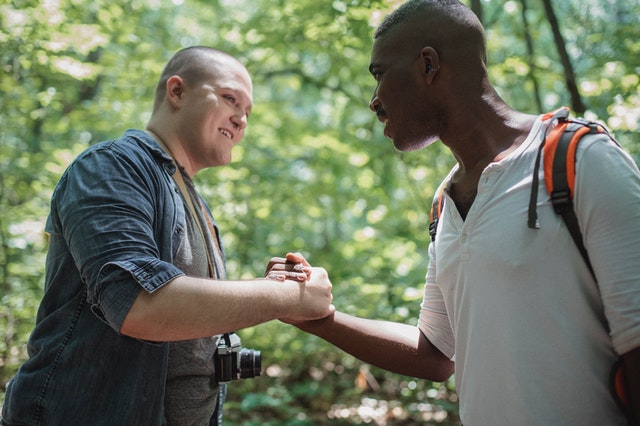
Who will like to be connected to a liar? Of course, no one, so we must always treat people with a genuine heart and show respect for others and ourselves.
5. Learn to be a better listener

We must always open our ears to listen to others’ opinions and make them feel that they are important by making eye contact.
6. No one is perfect

This includes you! If we are too hard on ourselves or others, we can often create more harm than good.
One’s personality is the outcome of his experience and the result of his responses to life’s happenings as they come and go.
Strategy:
Practice active listening by asking open-ended questions and reflecting back what you hear.
Execution:
Next time you’re in a conversation, resist the urge to talk about yourself. Instead, say: “That’s interesting—can you tell me more about that?”
5 Timeless Quotes That Will Instantly Improve Your Personality
Discover how powerful mindset shifts and simple daily habits can help you become more confident, kind, and authentic—starting today.
“Confidence is silent; insecurities are loud.”
Explanations: True confidence doesn’t need validation or attention. A calm, composed demeanor signals inner strength and security.
Strategy:
Build quiet confidence through self-awareness and daily self-affirmations.
Execution:
Start each morning with three positive affirmations. Example: “I am capable, I am enough, I bring value wherever I go.”
“Kindness is a language the deaf can hear and the blind can see.”
Explanations: Being kind is a universal trait that transcends barriers. It instantly uplifts your personality and leaves a lasting impression.
Strategy:
Make kindness a habit, not a reaction. Look for small, daily opportunities to be compassionate.
Execution:
Hold the door open, give a compliment, or simply smile at someone today. Small acts lead to big shifts in how you’re perceived.
“You become what you consistently do.”
Explanations: Personality is shaped by *repetition*, not intention. Who you are is the sum of your habits and behaviors.
Strategy:
Identify 3 positive traits you want to develop (e.g., patience, assertiveness, optimism) and create daily actions around them.
Execution:
Use habit stacking: After I brush my teeth, I’ll take 1 minute to reflect on a positive experience from today.
“Vulnerability is not weakness—it’s power in raw form.”
Explanations: Sharing your authentic self, even with flaws, builds deeper relationships and emotional strength.
Strategy:
Start embracing emotional honesty—be open about how you feel without fear of judgment.
Execution:
In a conversation this week, express something real: “Honestly, that really made me feel unsure, but I’m working on it.”
FAQs on How to Develop a Better Personality

Q1: Can personality really be changed or improved?
A: Yes, personality traits can evolve over time. While core temperament may be stable, habits, attitudes, and behaviors—which define personality—can be intentionally developed through self-awareness, practice, and feedback.
Q2: What are the key traits of a good personality?
A: Some universally admired traits include **confidence**, **kindness**, **emotional intelligence**, **humility**, and **a sense of humor**. Being authentic, a good listener, and showing empathy also significantly enhance personality.
Q3: How can I become more confident?
A: Start by working on *small wins*. Set achievable goals, speak positively to yourself, and practice stepping slightly outside your comfort zone. Over time, consistent effort builds lasting confidence.
Q4: How important is body language in personality development?
A: Body language plays a huge role. *Non-verbal cues* like eye contact, posture, hand gestures, and tone of voice can convey confidence, openness, or nervousness. Mastering your body language can significantly enhance how others perceive you.
Q5: What daily habits help build a better personality?
A: – Practice *gratitude* – Listen more, talk less – Reflect on your interactions – Read to expand your thinking – Engage in regular self-assessment
Small, consistent actions create long-term personality growth.
Q6: Can introverts develop a strong personality?
A: Absolutely. A strong personality doesn’t mean being loud or outgoing. It means being *authentic, confident, and grounded*. Introverts often shine through deep thinking, empathy, and meaningful conversations.
Q7: How long does it take to see change in personality?
A: It varies. Some changes, like improving listening skills or posture, can happen quickly with effort. Deeper personality shifts, such as becoming more optimistic or emotionally resilient, may take weeks or months of consistent practice.
Conclusion

Hirav Shah concludes by saying, “Do not get upset or give up if you face anything upsetting in your life. Developing a better personality is not a one-day activity. It takes time depending on our commitment, and most importantly is to take the first step out.
Unleash the power within you with the Secrets of Self Empowerment and self-improvement with the empowering techniques.”
It has long been accepted that people can’t change their attributes, which are largely steady and inherited. But a review of recent research in personality science points to the possibility that personality traits can change through persistent engagement and major life events.