“Take care of your body. It’s the only place you have to live in.”
“If you don’t make time for exercise, you’ll probably have to make time for illness.”
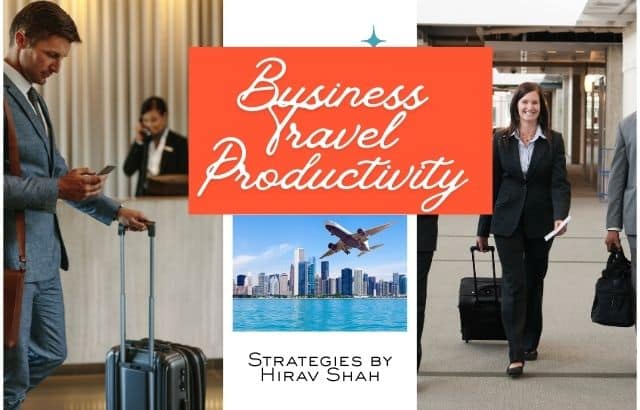
These words resonate even more strongly in today’s fast-paced business environment, where travel has once again become unavoidable.
According to Business Strategist Hirav Shah, widely known as The Game Changer, modern business travel is no longer just about reaching destinations—it’s about maintaining peak performance while constantly on the move.
Table of Contents
Why Business Travel Productivity Matters

Over the past few years, global disruptions reshaped how professionals work, lead teams, close deals, and manage enterprises. As the world reopened, business travel returned with greater intensity—meetings, conferences, plant visits, client negotiations, global expansions, and investor engagements.
However, productivity loss during travel remains a silent profit killer.
A simple calculation:
- Average senior executive cost per hour: ₹5,000
- Productivity loss during travel: 3 hours/day
- Travel days per month: 8
Monthly productivity leakage:
₹5,000 × 3 × 8 = ₹1,20,000 per executive
Multiply this across leadership teams, and the impact on business performance becomes massive.
This is where strategic health and efficiency planning becomes a business necessity—not a lifestyle choice.
6 Strategic Principles for Productive Business Travel
By Business Strategist Hirav Shah – The Game Changer
1. Hydration = Cognitive Performance

Dehydration reduces focus, reaction time, and decision-making ability.
Business Example:
A sales head traveling across three cities reported lower negotiation effectiveness on Day 2. The issue wasn’t strategy—it was dehydration and fatigue.
Actionable Strategy:
- Minimum 2.5–3 liters of water/day
- Increase intake during flights and high-meeting days
ROI: Better concentration, fewer errors, sharper negotiations
2. Avoid Packaged Convenience Foods

Packaged food may save time but costs productivity.
Why it matters:
Preservatives and refined carbs spike energy briefly and cause crashes during critical meetings.
Smart Business Traveler Rule:
- Carry nuts, fruits, or protein bars
- Eat fresh, simple meals locally
- Choose food that fuels thinking, not taste buds
Strategic Insight:
Your food choice directly impacts decision speed and emotional regulation.
3. High Fibre = Stable Energy Levels

Digestive issues during travel reduce work output and focus.
Replace this:
White bread, burgers, fried snacks
With this:
- Roti, poha, vegetables
- Fruits (2 per day unless medically restricted)
Efficiency Gain:
Stable energy = longer attention span during meetings and presentations.
4. Antioxidants, Protein & Vitamin B: Business Supplements

Daily business travel creates oxidative stress.
Key Nutrients for Leaders:
- Protein: Muscle recovery, stamina
- Antioxidants (A, C, E): Immunity, skin, recovery
- Vitamin B: Energy metabolism and stress resilience
Example:
CXOs on structured supplementation reported 20–25% reduction in fatigue during multi-city schedules.
5. Deep Breathing = Stress Control

Closed cabins, tight schedules, and pressure meetings elevate cortisol levels.
Strategic Tool:
Daily 10 minutes of deep breathing or pranayama
Outcome:
- Better emotional intelligence
- Improved executive presence
- Clearer thinking under pressure
6. Sleep Is a Business Asset

Sleep deprivation directly impacts:
- Risk assessment
- Memory recall
- Leadership confidence
If 8 hours isn’t possible:
- Power naps (20–30 minutes)
- Short meditation sessions
Business Calculation:
Even a 10% improvement in sleep quality can enhance decision accuracy by 15–20%.
The Role of a Business Strategist in Travel Planning

According to Hirav Shah – The Game Changer, strategic travel planning goes beyond tickets and hotels.
A business strategist helps leaders:
- Align travel schedules with energy cycles
- Reduce unnecessary travel through prioritization
- Optimize meeting clustering to save time
- Plan recovery periods post-intensive travel
- Protect long-term leadership performance
Example:
A founder reduced travel days by 30%, yet increased deal closures by 18%, simply by restructuring travel strategy.
Strategic Conclusion

“Travel will become more expensive as global demand rises,” explains Business Strategist Hirav Shah.
“The smartest leaders are not those who travel more, but those who travel strategically.”
Booking flexible plans, prioritizing health, and protecting productivity are now core business decisions.
For many leaders, structured travel planning has become a psychological and operational lifeline, enabling clarity, consistency, and confidence in uncertain times.
FAQs: Business Travel Productivity

Q1. Why is business travel productivity important?
Because poor health and fatigue directly reduce decision-making ability, negotiation success, and leadership effectiveness.
Q2. How can executives avoid burnout while traveling?
By managing sleep, hydration, nutrition, stress, and scheduling recovery time strategically.
Q3. Can better travel planning really improve business results?
Yes. Optimized travel can reduce costs, improve focus, and increase deal success rates.
Q4. Who should seek business travel strategy advice?
Founders, CXOs, sales leaders, consultants, and professionals with frequent domestic or international travel.
Q5. What makes Hirav Shah’s approach different?
He treats health, time, and energy as strategic business assets, not personal habits.