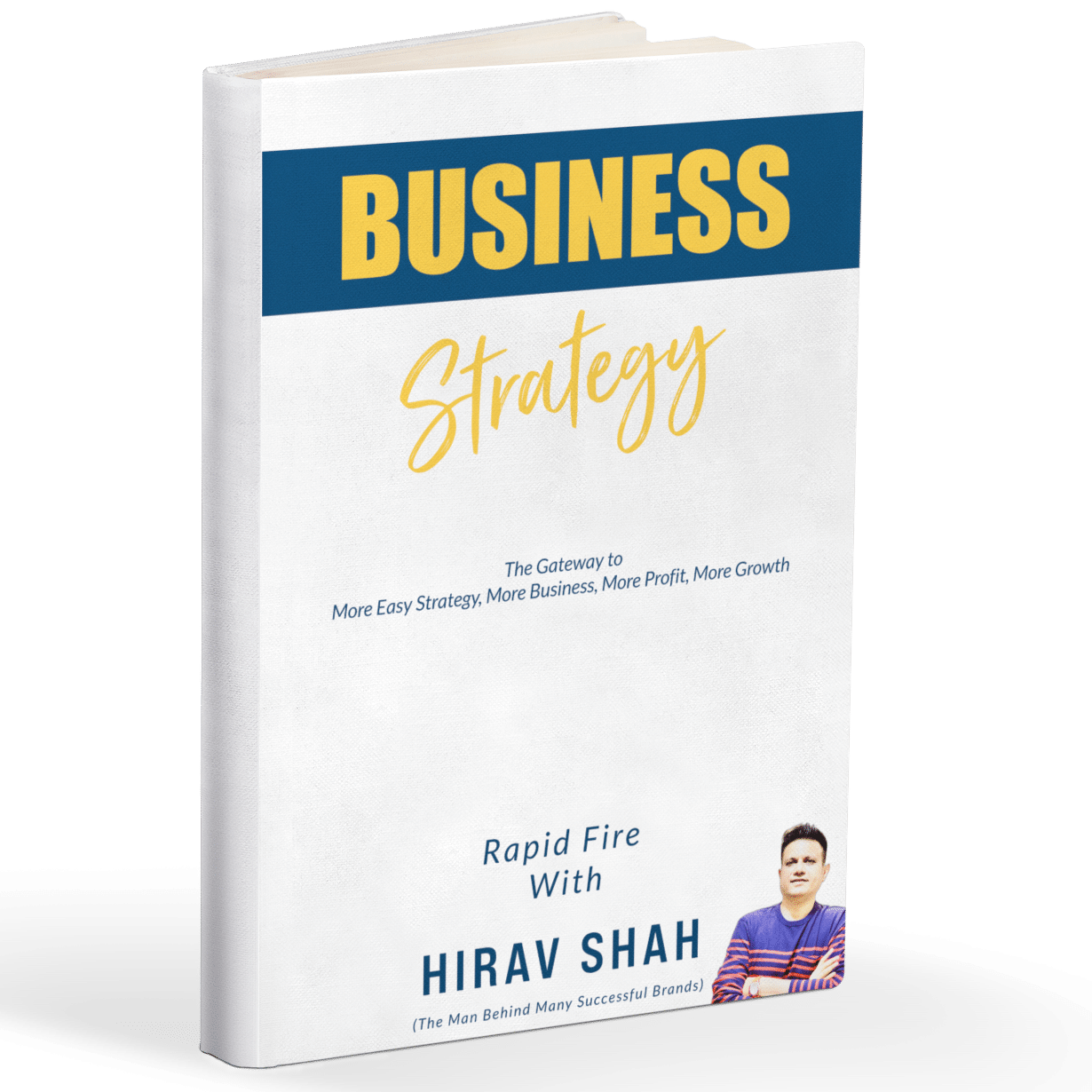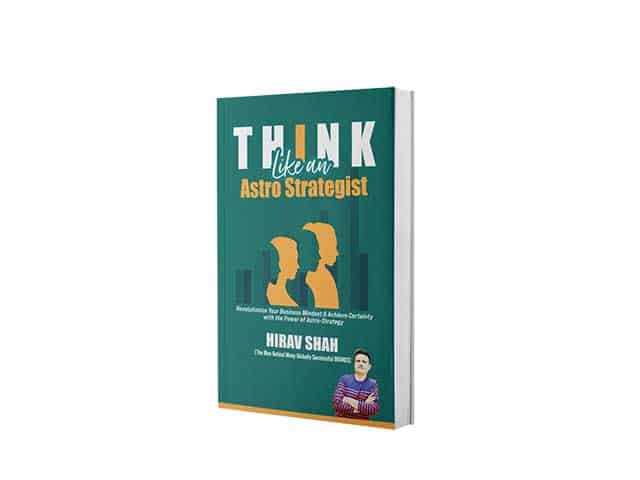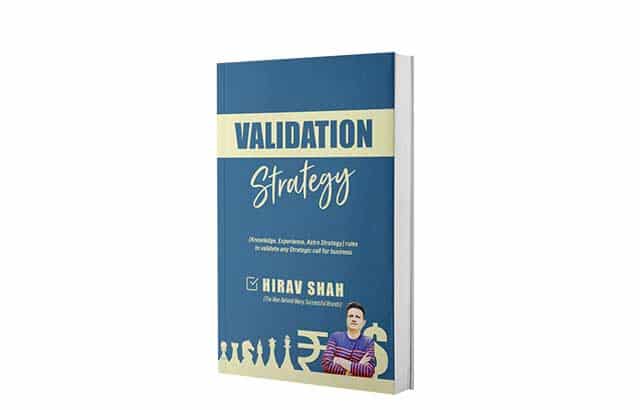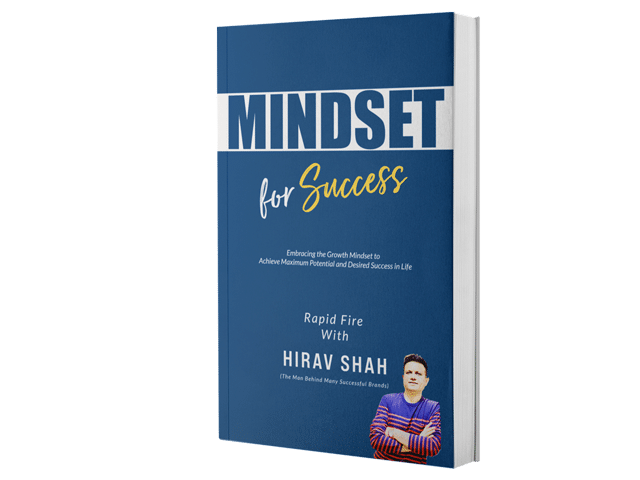

By Business Strategist Hirav Shah
Embarking on a journey of personal and professional growth often requires more than just ambition—it requires clarity, strategy, and the right guidance. Many individuals struggle not because they lack talent, but because they lack direction and structured support.
This is where The Game Changer approach, inspired by Business Strategist Hirav Shah, plays a transformative role. This comprehensive guide explores life coaching, business coaching, and strategic thinking—helping you understand how the right mentor can unlock your true potential and deliver measurable results.
Table of Contents
What is a Coach?

A coach is a trained professional who helps individuals or organizations achieve specific goals, improve performance, and overcome challenges. Coaching is applicable across various domains such as personal development, business, career, health, and leadership.
Key Aspects of Coaching:
1. Goal-Oriented Guidance

Coaches help define clear, realistic, and actionable goals.
Example:
A working professional sets a goal to switch careers within 6 months and receives a structured roadmap to achieve it.
2. Support and Motivation

Coaches provide continuous encouragement and keep clients focused.
Example:
An individual trying to build a daily routine stays consistent due to regular coaching sessions.
3. Skill Development

Coaches enhance specific skills like leadership, communication, and decision-making.
Example:
A manager improves team handling skills and becomes a more effective leader.
4. Feedback and Reflection

Constructive feedback helps individuals improve continuously.
Example:
Analyzing past business decisions helps avoid repeating costly mistakes.
5. Accountability

Coaches ensure clients stay committed to their plans.
Example:
Weekly tracking ensures a client completes tasks on time.
6. Collaborative Approach

Coaching is a partnership where both coach and client actively participate.
7. Non-Directive Method

Instead of giving direct answers, coaches help clients discover solutions themselves.
Understanding a Life Coach

A life coach focuses on helping individuals achieve personal goals, improve well-being, and navigate life transitions effectively.
Unlike therapy, which often deals with past issues, life coaching is future-focused and action-driven.
A life coach is a professional who works with individuals to help them achieve personal goals, make life changes, and improve overall well-being. Unlike therapists or counselors who focus on mental health issues or past trauma, life coaches typically concentrate on the present and future, assisting clients in setting and achieving specific goals in various areas of life.
What Does a Life Coach Do?
1. Goal Setting
Helps clarify what you truly want in life.
Example:
A person unsure about their career identifies a clear direction and sets measurable goals.
2. Action Planning
Breaks goals into achievable steps.
Example:
Starting a business is divided into daily, weekly, and monthly tasks.
3. Accountability
Ensures consistent progress.
4. Support and Encouragement
Provides motivation during challenges.
5. Personal Development
Builds confidence, clarity, and resilience.
6. Work-Life Balance
Helps create harmony between personal and professional life.
What is a Business Coach?

A business coach helps entrepreneurs, professionals, and organizations improve performance and achieve business success.
A business coach is a professional who works with individuals or teams within organizations to help them improve their performance and achieve specific business goals. The role of a business coach is multifaceted:
Key Responsibilities:
- Strategic planning
- Leadership development
- Decision-making support
- Productivity improvement
- Revenue growth strategies
Role of a Business Strategist: The Game Changer
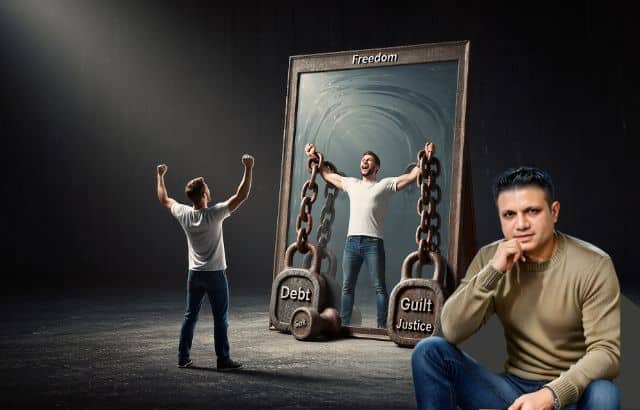
A Business Strategist like Hirav Shah goes beyond traditional coaching. As The Game Changer, the focus is on long-term vision, data-driven decisions, and scalable growth.
Core Roles:
1. Strategic Planning
Designing clear and actionable business roadmaps.
Example:
A startup restructures its strategy and achieves 40% growth in revenue within a year.
2. Market Positioning
Identifying the right audience and competitive advantage.
Example:
A local brand repositions itself and successfully enters the premium market segment.
3. Risk Management
Helping avoid costly mistakes.
Example:
A wrong investment decision is avoided, saving ₹10,00,000.
4. Growth Optimization
Improving efficiency and scalability.
Example:
A company increases output by 30% without increasing manpower.
5. Decision Clarity
Providing structured thinking for better decisions.
Real-Life Impact Examples
- Career Growth:
Income increases from ₹5 LPA to ₹12 LPA within 2 years. - Business Growth:
Revenue grows from ₹50 lakh to ₹1.5 crore annually. - Health Transformation:
A client loses 10 kg in 6 months with guided discipline. - Relationship Improvement:
Better communication leads to stronger personal connections.
Simple Calculations: Measuring Success

Example 1: Salary Growth
Before Coaching: ₹5,00,000/year
After Coaching: ₹8,00,000/year
Increase = ₹3,00,000 (60% growth)
Example 2: Business ROI
Investment in Coaching: ₹1,00,000
Business Gain: ₹6,00,000
ROI = 6X return
Example 3: Productivity Improvement
Before: 5 productive hours/day
After: 8 productive hours/day
Increase = 60% productivity boost
Key Benefits of Life Coaching

1. Clarity in Purpose
Gain a clear understanding of your goals.
2. Effective Leadership
Develop strong leadership qualities.
3. Better Health and Lifestyle
Build sustainable habits.
4. Improved Relationships
Enhance communication and understanding.
Building Success: FAQs Answered by Hirav Shah

What does a life coach do?
A life coach helps individuals set goals, create action plans, and achieve personal and professional growth.
How can coaching benefit me?
It improves clarity, confidence, decision-making, and overall success.
What areas can coaching cover?
Career, business, health, relationships, and personal development.
How long does coaching last?
Typically ranges from a few months to a year depending on goals.
Is coaching confidential?
Yes, all sessions are private and follow ethical standards.
How often are sessions conducted?
Usually weekly or bi-weekly.
Can coaching help in business growth?
Yes, especially with a strategic approach focused on measurable outcomes.
How do I choose the right coach?
Look for proven experience, results, and alignment with your goals.
Conclusion

Success is not accidental—it is planned, guided, and executed with the right strategy. Coaching acts as a powerful catalyst in this journey.
With The Game Changer approach by Business Strategist Hirav Shah, individuals and businesses gain clarity, direction, and measurable growth. Whether your goal is personal transformation or business success, the right guidance can turn your vision into reality.