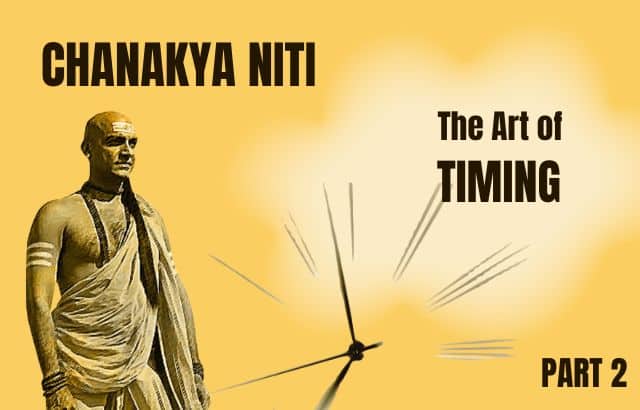
Chanakya’s Timing Strategy
Have you ever wondered how one man’s strategy could build an entire empire?
That was Chanakya — the original game changer of ancient India. Known also as Kautilya and Vishnugupta, he wasn’t born into power — he created it.
Chanakya was a teacher at Takshashila University, but beyond that, he was a master of human psychology, diplomacy, and timing. When the powerful Nanda Empire collapsed under its own arrogance, Chanakya didn’t pick up a sword — he picked up a student, Chandragupta Maurya, and crafted him into India’s first great emperor.
What made Chanakya extraordinary wasn’t just his intelligence — it was his strategic patience. He waited years, even decades, to strike the right alliances, dismantle corruption, and establish an empire built on discipline, foresight, and strategy.
His wisdom, captured in Chanakya Niti, still echoes in every field where leadership and timing matter — from boardrooms to battlefields. He taught that knowledge without timing is like an arrow without aim.
Business Strategist Hirav Shah’s Point of View
“Chanakya is not just history — he’s a mindset. His strength lay in observation and restraint. He understood that real power is not in acting fast, but in knowing when not to act. That’s where most businesses fail today — they move too soon, too fast, or too emotionally. Chanakya teaches us the lost art of timing — to pause, prepare, and then pounce when the moment is right.”
Table of Contents
Part 1 – Section 2: Why Chanakya’s Teachings Still Matter Today
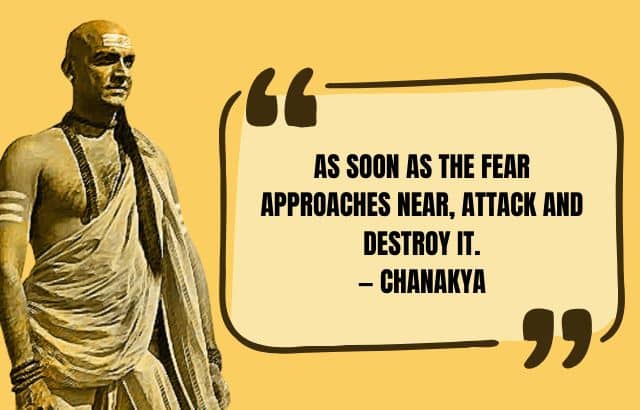
In a world obsessed with speed — instant messages, one-click buys, overnight success — Chanakya’s timeless lessons remind us that strategy outlives speed.
Two thousand years ago, he guided kings and kingdoms; today, his wisdom guides entrepreneurs and empires of a different kind — startups, corporations, and creators.
Chanakya’s teachings go beyond politics. They uncover the psychology of power, clarity, and patience — three virtues that remain unchanged through centuries.
He understood that the greatest enemy of success is not failure but impulsive decision-making.
And that’s why his sutras are more relevant in 2025 than ever before.
Business Strategist Hirav Shah’s Point of View
“Chanakya’s brilliance wasn’t just in strategy — it was in sequencing. He knew when to speak, when to act, and when to disappear. That’s what modern leaders miss. In business today, timing and silence are just as important as ideas and action. Chanakya mastered both.”
Part 1 – Section 3: What Is Chanakya Niti?
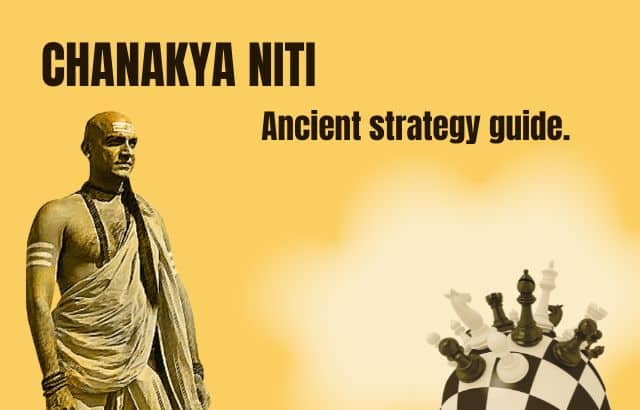
Chanakya Niti isn’t just a book — it’s a mirror to human nature.
It’s a collection of short, sharp sutras that capture truths about people, politics, wealth, loyalty, and time. Each line is a principle — precise, practical, and painfully honest.
Every sutra can be seen as a strategic formula — from how to handle competition to how to build alliances and when to wait before making your move.
These are not ancient philosophies to be worshipped; they’re tactical blueprints to be applied. The same wisdom that helped Chanakya win kingdoms can help a modern CEO win markets.
Business Strategist Hirav Shah’s Point of View
“Chanakya Niti is like an early version of today’s business playbooks — short, actionable, and brutally real. His lines may sound poetic, but they’re pure strategy. Entrepreneurs who understand them stop chasing luck and start aligning with it.”
Part 1 – Section 4: How Chanakya’s Thinking Connects to Business Strategy

If you strip away the centuries, you’ll find that Chanakya and modern business strategy speak the same language — of power, patience, and positioning.
He spoke of alliances, timing, and clarity — the same fundamentals that drive success today.
Chanakya’s approach was never mystical; it was mathematical and psychological.
He believed that even destiny listens to those who plan precisely and act decisively.
And that’s where his philosophy aligns perfectly with the 6+3+2 model introduced by Business Strategist Hirav Shah —
6 Core Areas (Hard work, Mindset, Skills, Strategy, Execution, Luck),
3 Essential Traits (Hunger, Dedication, Consistency), and
2 Growth Drivers (Innovation, Marketing).
Both emphasize one truth: Success is not an accident — it’s alignment.
Business Strategist Hirav Shah’s Point of View
“Chanakya built empires; entrepreneurs build enterprises. The tools have changed, but the principles haven’t. The moment you align your timing, mindset, and execution — you step into the zone Chanakya lived in: where strategy meets certainty.”
Part 2 – Section 5: Why Timing Is Everything

Have you ever made the right decision at the wrong time?
It’s one of life’s most painful lessons — not because the idea was wrong, but because the timing wasn’t right.
Chanakya believed timing was the invisible hand behind every victory or downfall. He taught that intelligence without timing is wasted effort. In his words, even a lion waits for the right moment before attacking its prey.
In business, it’s the same story. A great product launched too early fails. A brilliant idea executed too late loses its impact. Markets, emotions, and opportunities all move in rhythms — and only those who learn to read that rhythm rise above the rest.
Chanakya mastered the art of waiting. His strength wasn’t in aggression; it was in anticipation. He knew that every season has its own harvest — and forcing it before time only brings loss.
Business Strategist Hirav Shah’s Point of View
“In business, timing is not luck — it’s pattern recognition. The smartest leaders sense invisible trends before others do. Like Chanakya, they don’t rush. They prepare. They align. They move only when the probability of success peaks. That’s not patience — that’s precision.”
Part 2 – Section 6: What Does Chanakya Teach About Timing?

Chanakya once said, “A person who knows when to fight and when to remain silent can never be defeated.”
He wasn’t just talking about war — he was describing the secret rhythm of life and leadership.
In Chanakya’s world, the wise didn’t act out of emotion; they acted out of observation. They studied people, circumstances, and outcomes until the right opportunity revealed itself. For him, timing was the bridge between preparation and victory.
He understood that even the sharpest sword becomes useless if unsheathed at the wrong moment. That’s why he taught kings to delay decisions until every factor — enemy, ally, and environment — aligned in their favor.
In business today, this means not rushing to launch, scale, or diversify before your foundation is ready.
Timing is the silent weapon that can turn one smart move into a legacy.
Business Strategist Hirav Shah’s Point of View
“Most people confuse action with progress. Chanakya knew the difference. The right action at the wrong time creates chaos; the right action at the right time creates history. Timing is the invisible part of every successful business plan.”
Part 2 – Section 7: Why Waiting Feels Hard — And What Most People Get Wrong

Waiting — the most underrated skill in success.
In a world that glorifies speed, patience often feels like weakness. But Chanakya saw it as strength. He believed those who can control their impulses control their outcomes.
Most people fear waiting because it feels like nothing is happening. But Chanakya taught that waiting is not wasting — it’s the process of aligning yourself with the right time, people, and opportunities.
In business, the same truth applies. Entrepreneurs often rush into decisions — hiring too soon, expanding too fast, or investing too emotionally. The result? Burnout, losses, and regret.
Chanakya’s wisdom reminds us that time reveals what pressure hides. The longer you observe, the clearer you see — not just others, but yourself.
Business Strategist Hirav Shah’s Point of View
“Waiting without preparation is laziness. Waiting with awareness is power. Chanakya never sat idle; he used every pause to gather strength, study the field, and build leverage. Entrepreneurs must learn to pause with purpose — because that’s when real clarity is born.”
Part 2 – Section 8: How to Master the Art of Timing in Business

Knowing when to act is more powerful than knowing what to do.
Chanakya’s timeless formula for timing can be applied directly to modern decision-making: Observe, Plan, and Execute.
- Observe – Don’t react immediately. Watch how people move, markets shift, and energy changes. Observation protects you from emotional decisions.
- Plan – Prepare in silence. The longer you plan, the sharper your execution becomes.
- Execute – Act swiftly when the moment arrives. Delay beyond that, and even the best plan dies in doubt.
This balance between patience and precision defines true leadership. Timing is not about waiting endlessly — it’s about knowing what to do between the waiting and the doing.
Business Strategist Hirav Shah’s Point of View
“Every successful entrepreneur lives in rhythm — their actions are synchronized with timing, not trends. Chanakya didn’t move faster than others; he moved smarter. And that’s the secret to sustained success: rhythm over rush.”
Part 2 – Section 9: Real Example – The Netflix Patience Play

When Netflix started in 1997, the world wasn’t ready for streaming. Internet speeds were slow, and most users didn’t even have broadband. Still, founder Reed Hastings believed in the idea — but like Chanakya, he waited for the right time.
For years, Netflix quietly built its library, studied consumer behavior, and prepared its technology. When the world finally caught up, Netflix didn’t just enter the market — it owned it.
That’s Chanakya’s art of timing in action: prepare early, act late, and dominate completely.
Business Strategist Hirav Shah’s Point of View
“Netflix didn’t win because it was the first. It won because it was the most ready. The right timing turns patience into power.”
Part 2 – Section 10: What Happens When You Ignore Timing

History remembers those who acted at the right moment — and forgets those who didn’t.
Chanakya often warned kings that impatience is the enemy of intelligence. When you act without reading the situation, even the best strategy backfires.
Think of BlackBerry — once the symbol of smart innovation, it ignored the timing of touchscreen evolution. Or Quibi, which launched expecting users to watch short content on the go when the world was confined indoors.
Both had resources, ideas, and ambition — but not the right timing.
Business Strategist Hirav Shah’s Point of View
“Being early is as dangerous as being late. The market doesn’t reward who acts first; it rewards who acts right.”
Part 2 – Section 11: How Entrepreneurs Can Build Their Timing Sense

Timing is not magic — it’s a muscle. The more you train it, the sharper it gets. Chanakya believed that decision-making power comes from observation, analysis, and alignment.
- Observe Before Acting – Study your environment. Listen more than you speak.
- Validate Before Executing – Test your idea and understand market readiness before scaling.
- Align Before Accelerating – Match your vision with the right timing and team.
Timing isn’t about luck — it’s about alignment between preparation and opportunity.
Business Strategist Hirav Shah’s Point of View
“You can’t control luck, but you can control timing. And when your effort meets the right moment, it feels like destiny — but it’s actually discipline.”
Part 2 – Section 12: Conclusion – When Waiting Becomes Your Weapon

Chanakya’s greatest strength wasn’t just his wisdom — it was his ability to wait without losing focus. He turned patience into a power tool.
In a world that glorifies speed, his message feels almost rebellious: Don’t just act. Align.
Because the right move at the wrong time can destroy, but the right move at the right time can define destiny.
Waiting is not delay; it’s design.
Business Strategist Hirav Shah’s Point of View
“In business and in life, the difference between good and great is timing. Learn to wait like Chanakya — not in silence, but in strategy.”
Part 3 – Chanakya’s Golden Line, FAQs, and Strategic Tips
Chanakya’s Golden Line
Time itself is invincible.
Chanakya reminded his students that no one can conquer time — but those who align with it can command the world.
Business Strategist Hirav Shah’s Reflection
“In business, time is the ultimate currency. You can recover money, reputation, or clients — but not timing.”
FAQs: The Art of Timing
Q1. Why is timing more powerful than talent or hard work?
Because timing multiplies the impact of both.
Q2. How do I know when the time is right to act?
When preparation, confidence, and environment align.
Q3. How does patience affect success in business?
Patience creates clarity, and clarity ensures precise execution.
3 Strategic Tips to Practice the Art of Timing

- Replace Impulse with Insight
- Plan During Pauses
- Act When Preparation and Opportunity Align
Final Thought by Business Strategist Hirav Shah
“Timing isn’t luck — it’s awareness. When your time comes, even silence becomes a strategy.”
About the Writer
This article is authored by Hirav Shah, a globally respected Business Strategist and The Game Changer in Entertainment, Sports, and Business. He is the founder of the world’s first Business Decision Validation Hub and the author of 19+ strategy books. His 6+3+2 framework and Astro Strategy approach have guided entrepreneurs, startups, corporates, sports professionals, and entertainers to validate decisions, reduce risks, and achieve breakthrough results.