
We count on our smartphones for work, school, and our personal and social lives. Think about it—when was the last time you left home without your phone and still continued your day without going back for it? The internet has seamlessly woven itself into our daily routines, and alongside it, social media has become equally indispensable. Its influence spans across teens, working professionals, entrepreneurs, and even older generations, shaping behaviors, communication styles, and decision-making processes.
Multitasking is now glorified. Social media often showcases people juggling multiple responsibilities—running businesses, managing personal lives, building brands—all at once. While this appears admirable, it also creates a pressure-driven narrative that may not always reflect reality.
Everything in life comes with duality: advantages and disadvantages, opportunities and obstacles, strengths and weaknesses, positives and negatives. Social media is no exception. Most people today cannot imagine a world without it, and many don’t even remember a time when it didn’t exist. Such is the magnitude of its impact—arguably one of the most transformative communication revolutions in human history.
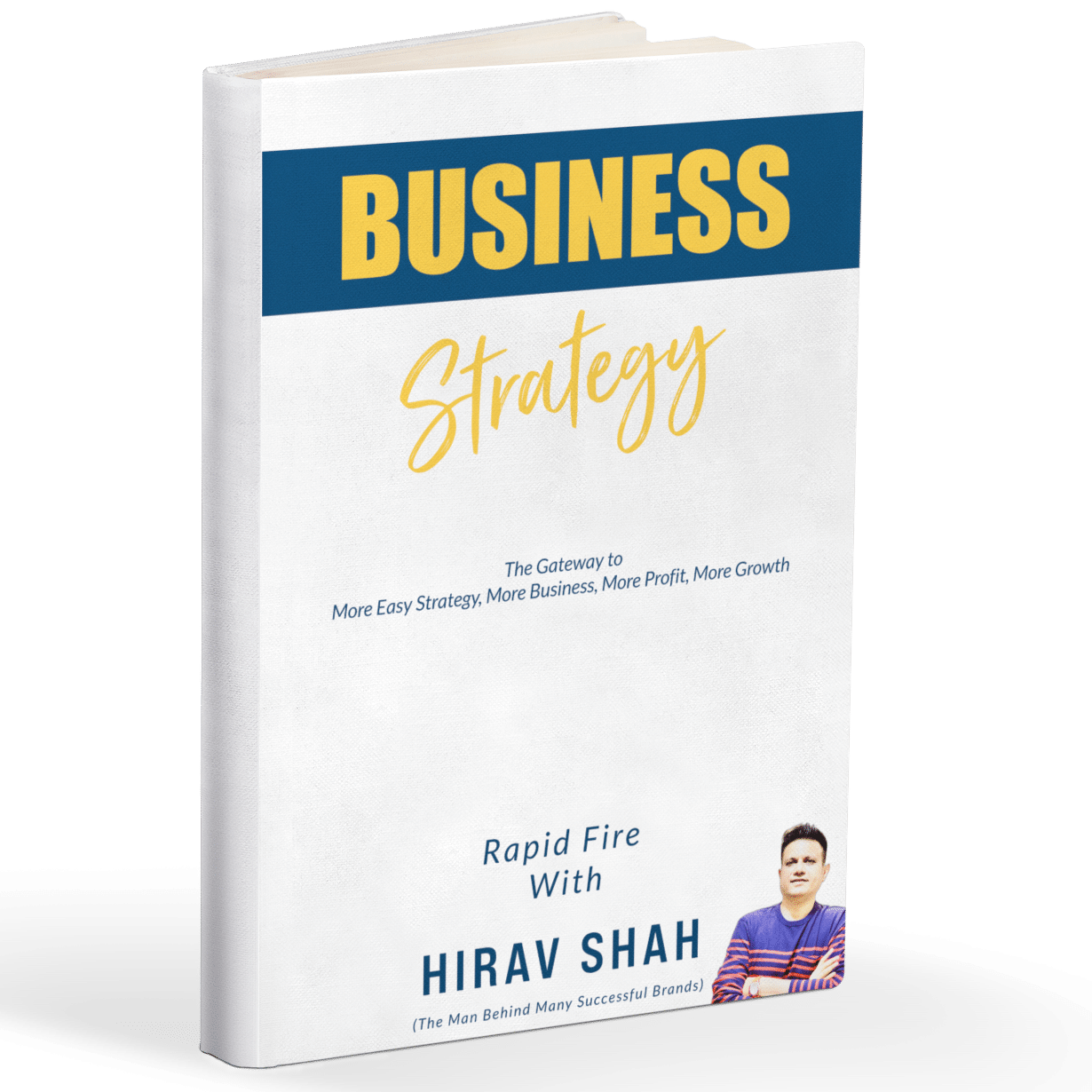
Business Strategist Hirav Shah, often called The Game Changer, shares a deep and practical understanding of how social media affects affluent individuals and how it can be leveraged strategically.
Table of Contents
Social Media for the Wealthy – Pros
1. Global Communication

Social media enables seamless global connectivity. A wealthy entrepreneur in Mumbai can pitch an idea to an investor in New York or collaborate with a designer in Milan—all without stepping out of their office.
Example:
A luxury real estate developer can connect with NRI investors through LinkedIn and close deals worth crores purely via digital interaction.
Business Strategist’s Role:
Hirav Shah emphasizes using targeted communication strategies. Instead of random outreach, he advises segmenting audiences and crafting personalized messaging to increase conversion rates.
Simple Calculation:
If a campaign reaches 100,000 users and even 1% convert into leads → 1,000 leads
If 10% of those leads convert into clients → 100 clients
If each deal is worth ₹10 lakh → ₹10 crore revenue potential
2. Connection on Their Own Terms

Affluent individuals value control—over time, communication, and relationships. Social media allows them to interact when and how they choose.
Example:
A CEO may respond to messages at midnight or schedule posts in advance, maintaining presence without constant engagement.
Business Strategist’s Role:
Hirav Shah advises creating structured engagement calendars—deciding when to post, when to respond, and when to stay silent. Strategic absence can also build exclusivity.
3. Freedom to Articulate Thoughts

Unlike real-time conversations, social media allows users to carefully craft their messaging.
Example:
A business leader announcing a merger can refine their message multiple times before publishing, ensuring clarity and impact.
Business Strategist’s Role:
Hirav Shah suggests aligning messaging with brand positioning. Every post should reflect authority, clarity, and purpose.
4. Staying Ahead of Trends

Social media acts as a real-time intelligence system.
Example:
A fashion entrepreneur noticing a viral trend on Instagram can launch a similar product line within weeks and capitalize on demand.
Business Strategist’s Role:
Trend analysis is critical. Hirav Shah recommends monitoring engagement metrics, hashtags, and competitor activity to anticipate market shifts.
Quick Insight Calculation:
If a trend grows 20% weekly and you enter early, your visibility can double within 3–4 weeks compared to late adopters.
5. Opportunity for Business Growth

a. Instagram
Ideal for visually-driven industries like fashion, luxury, travel, and lifestyle.
Example:
A luxury watch brand using short reels can generate millions of impressions.
b. Facebook
Perfect for community building and customer engagement.
Example:
A premium gym chain can create a members-only group to boost loyalty and referrals.
c. LinkedIn
Best for professional networking and high-value deals.
Example:
A consultant can secure international clients through thought leadership posts.
Business Strategist’s Role:
Hirav Shah emphasizes platform-specific strategies rather than a one-size-fits-all approach.
Social Media for the Wealthy – Cons
1. Desperation for Attention

Social media often showcases curated “highlight reels,” creating unrealistic comparisons.
Example:
An entrepreneur posting luxury vacations may actually be leveraging debt or sponsorships.
Strategic Insight:
Hirav Shah warns against chasing validation metrics like likes and followers. Real success lies in ROI, not vanity metrics.
2. Hacking Risks

High-profile individuals are prime targets for cyberattacks.
Example:
A hacked account can lead to financial fraud or reputational damage.
Business Strategist’s Role:
Implementing digital risk management—two-factor authentication, limited data sharing, and cybersecurity audits.
3. Cyberbullying

Public figures often face criticism, trolling, and negativity.
Example:
A CEO announcing layoffs may face backlash regardless of business necessity.
Strategic Advice:
Hirav Shah recommends emotional detachment and professional handling of criticism.
4. Misleading Information

Fake news spreads rapidly, often without verification.
Example:
A false rumor about a company can impact stock prices or brand trust overnight.
Business Strategist’s Role:
Crisis management strategies—quick clarification, official statements, and transparency.
5. Addiction

Constant checking of notifications reduces productivity.
Example:
A business owner spending 3 hours daily on social media loses 90 hours per month.
Calculation:
90 hours/month × ₹5,000/hour value of time = ₹4,50,000 potential loss
Strategic Advice:
Hirav Shah suggests time-blocking and limiting usage to productive activities.
Frequently Asked Questions (FAQs)

1. What are the benefits of social media for wealthy individuals?
Social media enhances personal branding, expands networks, and creates access to exclusive opportunities globally.
2. What are the potential drawbacks?
Privacy risks, negative public perception, misinformation, and addiction are major concerns.
3. How can the wealthy protect their privacy?
By using strict privacy settings, avoiding oversharing, and implementing cybersecurity measures.
4. Can social media improve networking opportunities?
Yes, it connects individuals with influential figures and facilitates high-value collaborations.
5. Are there unique risks for affluent individuals?
Yes, including targeted scams, impersonation, and unwanted media attention.
6. How should a business strategist approach social media?
By focusing on ROI-driven strategies, audience targeting, brand positioning, and risk management.
Final Thoughts

Everything in life carries both opportunities and risks. Social media is a powerful tool—it can elevate influence, create wealth, and open global doors. But it can also distract, mislead, and expose vulnerabilities if used carelessly.
Business Strategist Hirav Shah, The Game Changer, emphasizes one core principle:
Don’t use social media to impress—use it to impact.
A thoughtful, strategic approach ensures that social media becomes an asset rather than a liability