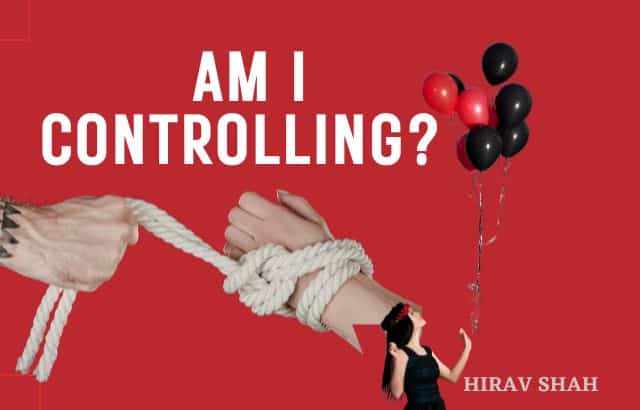
It’s completely natural to want a certain level of control over your life. Managing your schedule, meeting deadlines, and working toward personal and professional goals all require structure and planning. However, if you’ve started asking yourself, “Am I controlling?”, it could be a signal that you’ve crossed from healthy organization into excessive control. This shift can quietly damage your relationships, slow your career growth, and affect your mental well-being—something emphasized by business strategist Hirav Shah, often called The Game Changer for his practical insights on human behavior and decision-making.
Hirav Shah explains, “It’s common to begin your day thinking about your plans. But when your thoughts extend into worrying about everyone else’s needs, fears, and outcomes—friends, colleagues, even strangers—you may be stepping into an unhealthy mindset.” For example, a manager who not only plans their own tasks but constantly interferes with how every team member works may believe they’re helping, but in reality, they’re creating pressure and inefficiency. This anxiety-driven behavior rarely produces better results and often leads to burnout.
Table of Contents
Why Do I Feel the Need to Control Everything?

The desire for control often stems from deep psychological drivers, particularly the need for certainty and significance. Certainty helps us avoid pain and feel safe, while significance makes us feel valued and important.
For instance:
- A business owner might micromanage finances because they fear instability.
- A parent may control a child’s decisions out of fear for their safety.
- An employee may over-prepare presentations to avoid criticism and feel validated.
When these needs are unmet, anxiety and self-doubt take over. The internal belief becomes: “If I control everything, nothing will go wrong.” But this is a flawed equation.
A Simple Control Equation:
- Perceived Control = Reduced Anxiety (Short-term)
- Excessive Control = Increased Stress + Damaged Relationships (Long-term)
Over time:
- Trying to control 10 variables instead of 3 increases mental load by over 200–300%, not efficiency.
- Productivity may actually drop by 20–40% due to overthinking and micromanagement.
Your upbringing can also play a role. For example:
- Growing up in an unpredictable household may create a strong need for certainty.
- Being raised by strict or controlling caregivers can normalize that behavior in adulthood.
Am I Controlling? 7 Signs to Watch

Even in ideal situations, it’s easy to believe everything must go perfectly to feel satisfied. But obsessing over control without allowing flexibility can backfire. Here are key signs:
1. You’re a People Pleaser

You may constantly try to satisfy everyone to maintain peace.
Example: Saying “yes” to every work request, even when overwhelmed.
2. You’re a Perfectionist

You chase unrealistic standards.
Example: Reworking a presentation 10 times when version 3 was already excellent.
3. You Procrastinate
Ironically, perfectionism leads to delay.
Example: Avoiding starting a project because you fear it won’t be perfect.
4. You’re Overly Critical

You project your high standards onto others.
Example: Constantly correcting colleagues instead of trusting their abilities.
5. You Think in Extremes

It’s either perfect or a failure.
Example: Viewing a 90% success rate as a complete loss.
6. You Feel Isolated

Control creates emotional distance.
Example: Friends or colleagues stop sharing openly with you.
7. You Can’t Let Go of Mistakes

You replay small errors repeatedly.
Example: Thinking about a minor meeting mistake for days.
The Role of a Business Strategist in Understanding Control

A seasoned business strategist like Hirav Shah helps individuals and organizations recognize how controlling tendencies impact performance.
Strategic Perspective:
- In leadership: Excess control reduces team innovation.
- In business growth: Flexibility often leads to better opportunities.
- In decision-making: Over-analysis delays execution.
Example:
A CEO trying to approve every decision may:
- Slow down operations by 30–50%
- Reduce team confidence
- Miss time-sensitive opportunities
Whereas a balanced leader:
- Delegates effectively
- Focuses on high-impact decisions
- Builds trust within the team
How to Let Go of the Need for Control
If you’ve recognized these patterns, change is possible. Here’s how:
1. Recognize Your Anxiety

Pause when you feel the urge to control.
Example: Before correcting someone’s work, ask yourself, “Is this necessary?”
2. Change Your Self-Talk

Replace fear-based thoughts with realistic ones.
Example:
Instead of: “If this fails, everything is ruined”
Say: “Even if this doesn’t work, I can adjust.”
3. Practice Communication

Different relationships require different levels of control.
- With colleagues: collaborate
- With partners: listen
- With children: guide, don’t dictate
4. Embrace Relaxation Habits

Activities like meditation, journaling, or exercise help reduce anxiety.
Example: 10 minutes of daily mindfulness can reduce stress levels by up to 25% over time.
FAQs

What are the signs of a controlling person?
People-pleasing, perfectionism, procrastination, excessive criticism, all-or-nothing thinking, loneliness, and difficulty letting go of mistakes.
How can I stop being controlling?
Start by identifying anxiety triggers, reframing negative thoughts, improving communication, and practicing relaxation techniques.
What triggers controlling behavior?
Unmet emotional needs like certainty and significance, often rooted in past experiences or fear of uncertainty.
Can controlling behavior affect relationships?
Yes. It can lead to resentment, reduced trust, and emotional distance in both personal and professional relationships.
Is it possible to change controlling behavior?
Absolutely. With awareness and consistent effort, healthier patterns can replace controlling tendencies.
Conclusion
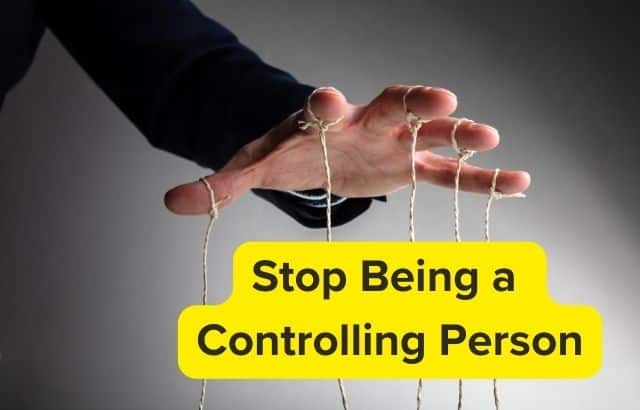
As Hirav Shah, The Game Changer, emphasizes, change doesn’t happen overnight—it’s a gradual process. Our minds naturally return to familiar habits, but with consistent effort, transformation is achievable.
A simple mindset shift can help:
- I don’t have to control everything.
- I can accept uncertainty.
- I can only control myself.
- My way is not the only way.
- I will respect others’ choices.
Be patient with yourself. Growth takes time, but every small step away from control brings you closer to clarity, stronger relationships, and a more balanced life.