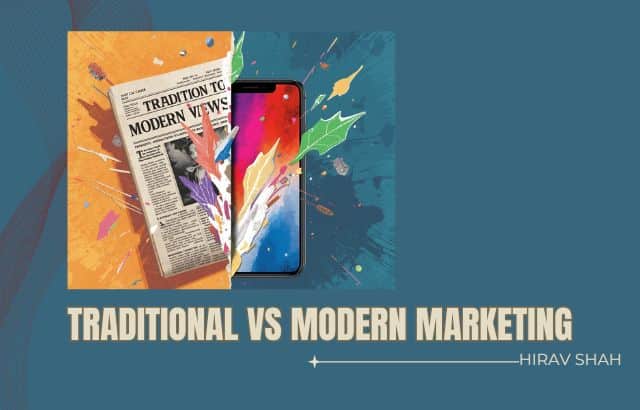
Marketing has always been a cornerstone of business success, but the strategies have evolved significantly over the years. While traditional marketing methods still hold value, the growing shift toward modern marketing has changed the way businesses reach and engage with their audiences. According to business strategist Hirav Shah, understanding the distinction between traditional and modern marketing is crucial for businesses seeking to thrive in a rapidly evolving marketplace.
Table of Contents
The Shift: Traditional Marketing to Modern Marketing

Traditional marketing, once the backbone of promotional efforts, is now being supplemented—and in some cases replaced—by digital solutions. Hirav Shah highlights that traditional marketing often focuses on product promotion, while modern marketing places a stronger emphasis on customer satisfaction and engagement.
For example, let’s take flyer distribution—a traditional marketing method that, despite its age, is still used by businesses today. While many would dismiss it as outdated, Shah points out that flyer distribution can still be highly effective when strategically targeted.
Example of Traditional Marketing: Flyer Distribution
Flyer distribution is one of the oldest, most affordable, and simplest forms of marketing. In its classic form, a business prints flyers, often in black and white, and distributes them to a targeted audience.
Hirav Shah explains, “Flyer distribution might seem basic, but when you target the right audience in a specific area, it can be remarkably effective.” For instance, businesses looking to promote a local event or product can use flyers to reach individuals in a particular geographic area, like a busy downtown district. With minimal investment, this form of marketing allows for immediate results and can generate real-time feedback.
Though often considered a traditional tactic, flyer distribution still holds its place in the marketing toolkit due to its affordability and local reach.
The Advantages of Traditional Marketing

- Targeted Precision: Traditional methods like flyer distribution can be highly effective if you know your audience. By identifying where your target customers are, businesses can tailor campaigns to reach specific demographics.Example: A local gym distributing flyers at a nearby park or fitness center can attract individuals already interested in fitness.
- Immediate Results: Traditional marketing methods, including flyers and posters, can provide immediate feedback. If you distribute flyers and see an uptick in customer inquiries or purchases, you know your campaign is working.Example: A restaurant offering a discount coupon on a flyer may quickly see an increase in foot traffic and sales on the day of distribution.
- Easy to Understand: Even those with minimal technical knowledge can understand and respond to traditional marketing tactics. Flyers, posters, and radio ads are familiar to most consumers, ensuring your message reaches a broad audience.Example: A local bakery handing out flyers offering a free item with purchase attracts both tech-savvy and non-tech-savvy customers alike.
- Local Reach: Traditional marketing methods often focus on specific local areas, making them ideal for small businesses looking to build a community presence. Radio ads or flyers can immediately communicate your message to a localized audience.Example: A local real estate agency might air radio ads during peak drive-time hours to reach potential homebuyers in the community.
The Rise of Modern Marketing

In contrast, modern marketing is dominated by digital tools and platforms that offer businesses a global reach and more interaction with their customers. Social media, email marketing, and content creation are some of the major components of modern marketing.
According to Hirav Shah, “The key to successful modern marketing is interaction and engagement with your audience. Social media platforms, for example, allow businesses to connect with their customers directly, creating a two-way conversation.”
Example of Modern Marketing: Social Media Engagement
A prime example of modern marketing is the use of social media platforms like Instagram and Facebook to engage with customers. Brands can post content that not only promotes products but also encourages audience participation through polls, reviews, and direct messages.
Example: A clothing brand might use Instagram stories to conduct a poll asking followers to vote on new designs. This type of interaction helps build trust and creates a sense of involvement in the brand’s journey.
Benefits of Modern Marketing

- Customer Interaction: Modern marketing strategies emphasize two-way communication. Social media, email campaigns, and live chats enable businesses to communicate with customers and build relationships.Example: A cosmetics company engaging customers via Instagram comments, asking for feedback on new product launches, helps foster brand loyalty.
- Cost-Effective: Modern marketing, particularly digital marketing, tends to be more affordable than traditional methods. While paid ads may require a budget, organic strategies like SEO and social media marketing can offer significant returns at a fraction of the cost.Example: A small business using social media ads can target specific demographics based on age, interests, and location, maximizing ad spend.
- Global Reach: Unlike traditional methods, digital marketing enables businesses to reach a broader, often international audience. A well-designed website or blog can attract visitors from across the globe.Example: An online clothing store can use digital ads to target potential customers in multiple countries, expanding its market reach beyond local limitations.
- Data-Driven Insights: Modern marketing allows for more precise tracking of performance. Businesses can measure customer engagement, conversion rates, and return on investment (ROI) through analytics tools.Example: Google Analytics can show how many people visited a website after clicking on a Facebook ad, helping businesses optimize future campaigns.
The Role of a Business Strategist in Marketing

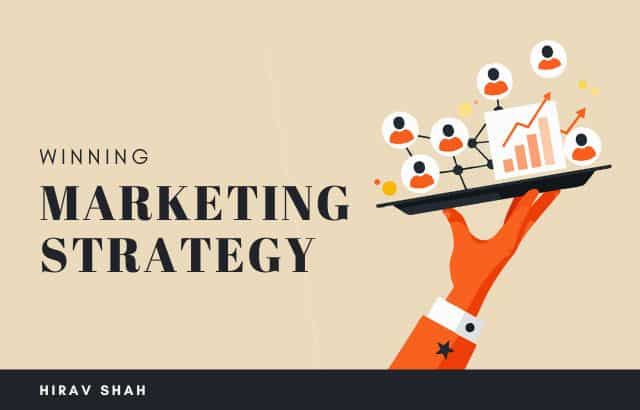
Business strategists like Hirav Shah play a pivotal role in guiding companies through the complex world of marketing. They help businesses identify the most effective marketing channels based on their goals, budget, and audience.
Shah explains, “It’s not about choosing one over the other. Traditional and modern marketing should work in tandem, creating a well-rounded marketing strategy that maximizes both reach and engagement.”
Example: A business strategist might advise a company to use flyer distribution to engage local customers while also running targeted social media ads to increase brand visibility on a larger scale.
FAQs: Understanding Marketing Strategies
Q1: Can traditional marketing still work in the digital age?
Yes, traditional marketing methods like flyer distribution, posters, and radio ads can still be effective, especially for targeting local audiences. The key is to use these methods strategically.
Q2: How do modern marketing tactics differ from traditional marketing?
Modern marketing focuses more on customer engagement through digital platforms like social media, email marketing, and SEO. Traditional marketing relies more on mass communication methods like flyers, TV, and radio ads.
Q3: Should I use traditional or modern marketing?
Both strategies can complement each other. Traditional marketing can help you build a local presence, while modern marketing can expand your reach and foster direct interaction with your audience.
Q4: What is the role of a business strategist in marketing?
A business strategist helps companies define their marketing goals, identify target audiences, and create a balanced marketing strategy that leverages both traditional and modern marketing methods.
Conclusion
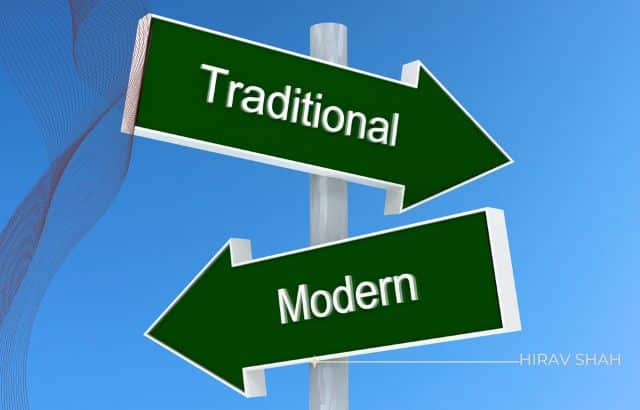
While marketing has come a long way, the principles of effective marketing remain the same: understanding your audience, delivering a compelling message, and building lasting relationships. As Hirav Shah concludes, “Traditional and modern marketing should not be viewed as opposing forces. When used together, they create a robust strategy that can drive success in both local and global markets.”
By understanding the strengths of each approach, businesses can craft a marketing strategy that is both relevant and effective in today’s fast-changing world.