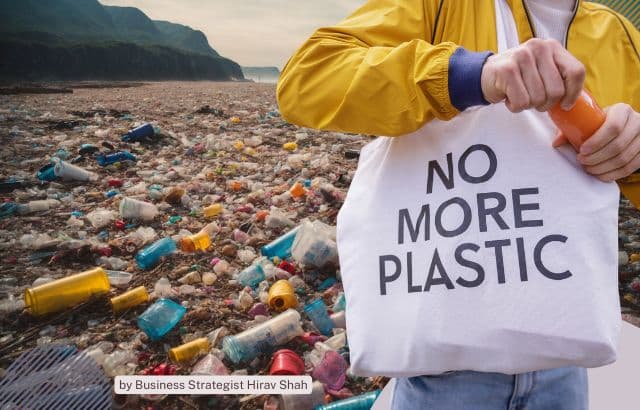
While the entire world is fighting climate change, India has taken a decisive step toward sustainability by banning single-use plastic. Plastic, being non-biodegradable, toxic, and harmful to humans, animals, and soil, has long been one of the biggest environmental enemies.
Under the leadership of Prime Minister Narendra Modi, this initiative aligns with the vision of the Father of the Nation, Mahatma Gandhi, through the “Swachh Bharat Abhiyan” (Clean India Mission). Though the ban initially creates challenges—especially for people associated with the plastic industry—it also opens the door to new-age, sustainable, and profitable business opportunities.
To understand how entrepreneurs can turn this challenge into growth, we spoke with Hirav Shah, Business Strategist & The Game Changer, who shared insights on future-ready businesses that can flourish after the plastic ban.
Table of Contents
Understanding Restricted Single-Use Plastics
Before exploring alternatives, it’s essential to understand what’s restricted:
Banned Plastic Items in India
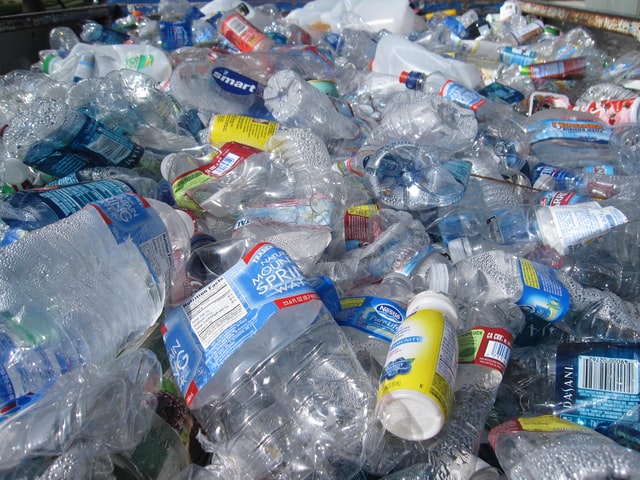
- PET/PETE bottles below 200 ml
- Plastic mineral water pouches
- Plastic carry bags used in local markets
- Polystyrene products: plates, cups, bowls, spoons, forks
- Plastic food packaging used by hotels and street vendors
- Plastic straws
- Plastic-based decorative items
Knowing these restrictions helps entrepreneurs identify replacement opportunities.
What Can Replace Single-Use Plastic? (With Examples)
1. Bottles & Containers
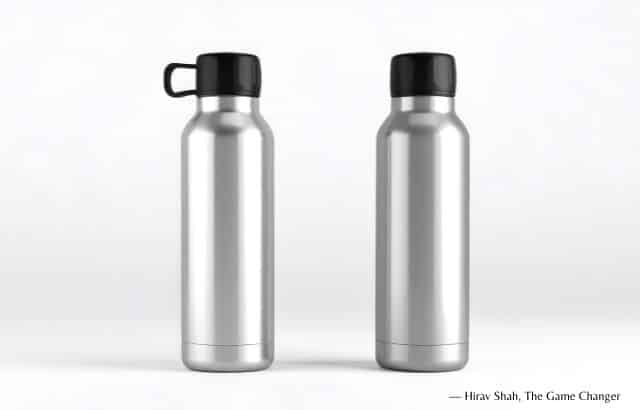
Alternatives:
- Stainless steel bottles
- Copper bottles
- Clay or ceramic bottles
- Plant-based or multi-layer reusable bottles
Example:
A local railway vendor replacing ₹10 plastic bottles with ₹120 steel bottles earns higher margins and repeat customers.
2. Carry Bags
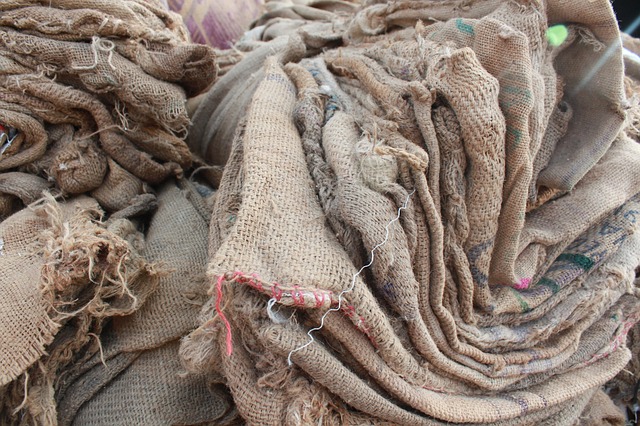
Alternatives:
- Cloth bags
- Jute bags
- Canvas bags
Example:
A kirana store branding jute bags with its logo gains free marketing and customer loyalty.
3. Crockery & Cutlery
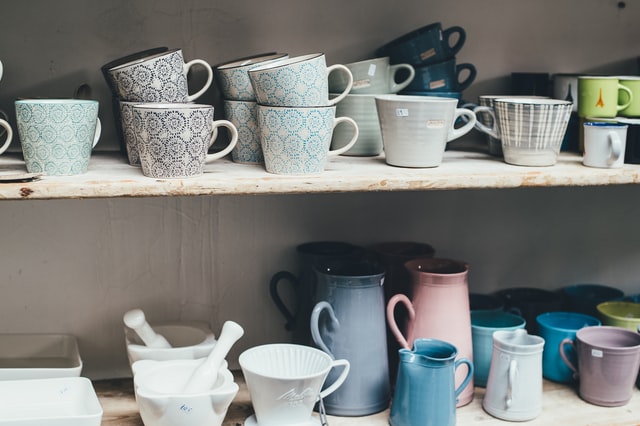
Alternatives:
- Stainless steel utensils
- Wooden spoons & bowls
- Ceramic plates
Example:
Restaurants switching to steel thalis save recurring costs within 3–4 months.
New Business Opportunities After Plastic Ban
1. Manufacturing Multi-Layer Reusable Plastic Products
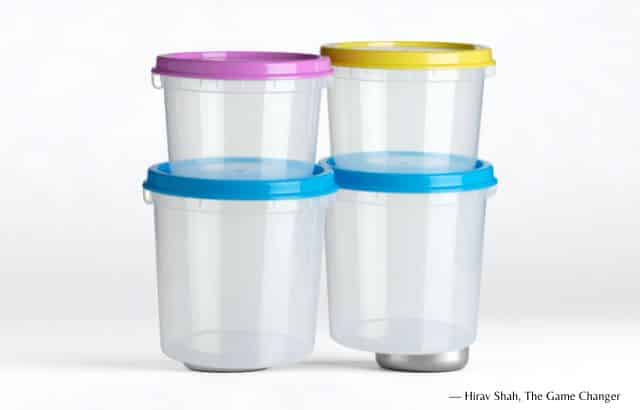
Though single-use plastic is banned, durable, reusable plastic is still allowed.
Investment Example:
- Machinery modification: ₹3–5 lakhs
- Monthly production profit: ₹1.2–1.5 lakhs
Strategist Insight (Hirav Shah):
“Don’t shut factories—repurpose them. The future belongs to adaptive manufacturers.”
2. Porcelain & Ceramic Products Business
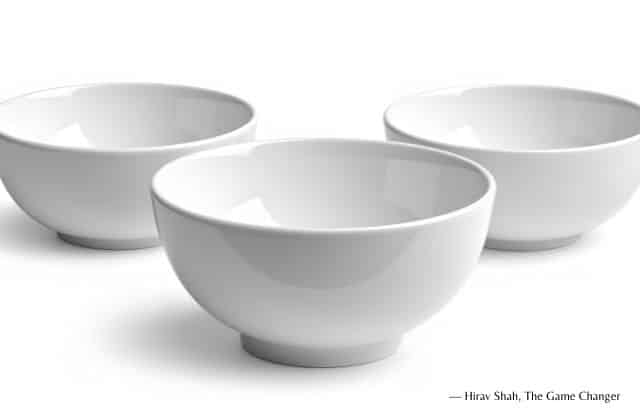
Demand for porcelain plates, cups, and bowls is rapidly increasing.
Example:
A small ceramic unit supplying cafes can earn ₹80,000–₹1,20,000/month.
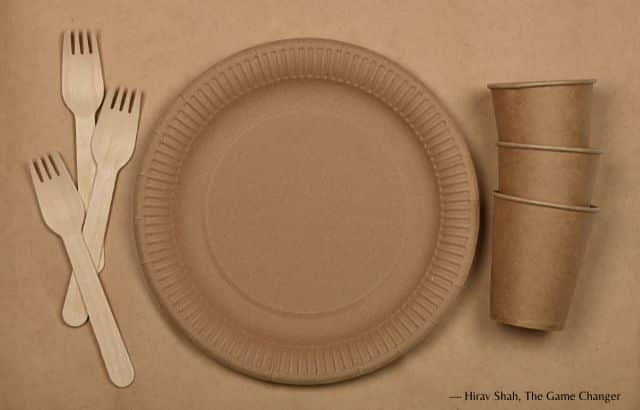
3. Sustainable Paper Cups & Plates Manufacturing
Perfect replacement for plastic disposables.
Simple Calculation:
- Cost per paper cup: ₹1.20
- Selling price: ₹2.50
- Profit per cup: ₹1.30
- 50,000 cups/month = ₹65,000 profit
4. Plant-Based Crockery (Dona, Pattal, Banana Leaf Products)
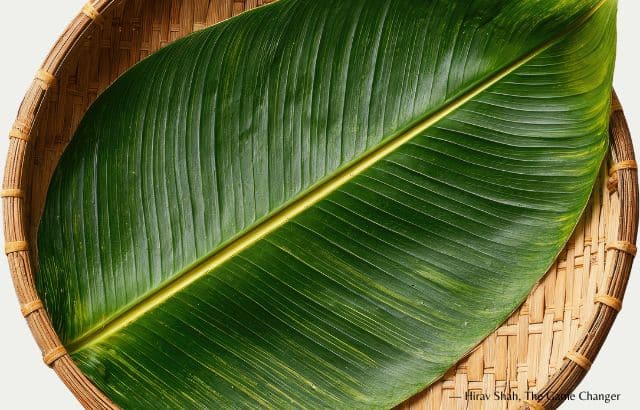
Products made from:
- Banana leaves
- Sal leaves
- Areca palm
Why it works:
- Low investment
- High demand at temples, weddings, and food stalls
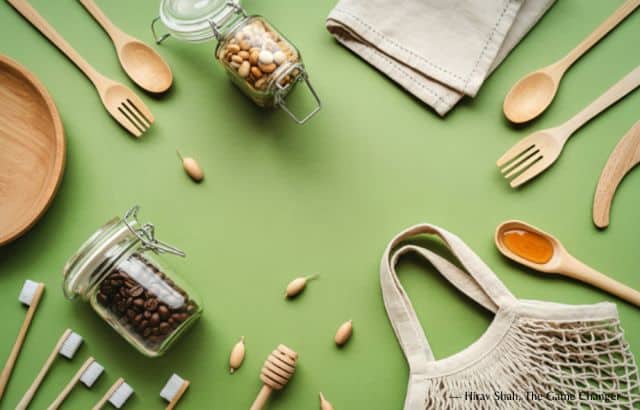
5. Wooden Utensils Manufacturing
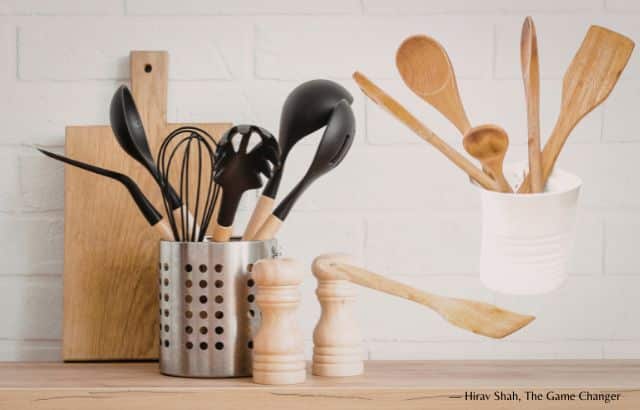
Reusable, biodegradable, and premium-looking.
Example:
Wooden spoons & bowls selling online earn higher margins due to eco-conscious buyers.
6. Steel Utensils Rental Business
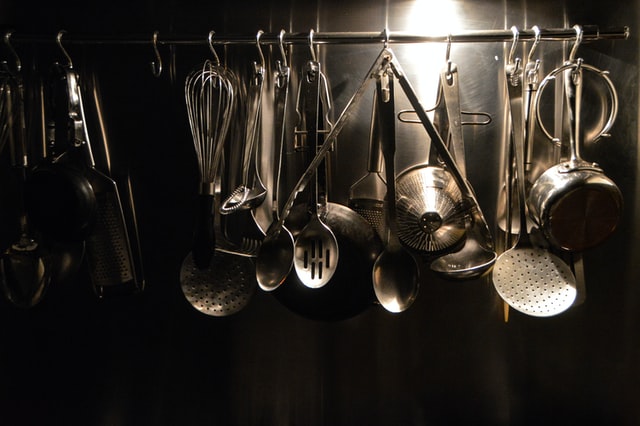
Ideal for weddings, events, and catering.
Calculation:
- Initial investment: ₹3 lakhs
- Rent per event: ₹15,000
- 10 events/month = ₹1.5 lakhs revenue
7. Biodegradable Plastic Bags Manufacturing
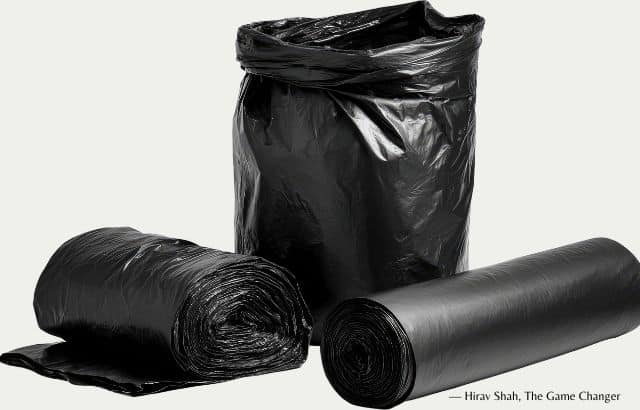
Made from compostable raw materials.
Strategist Role:
Hirav Shah advises aligning products with future compliance laws to avoid repeat bans.
8. Reusable Bags Business
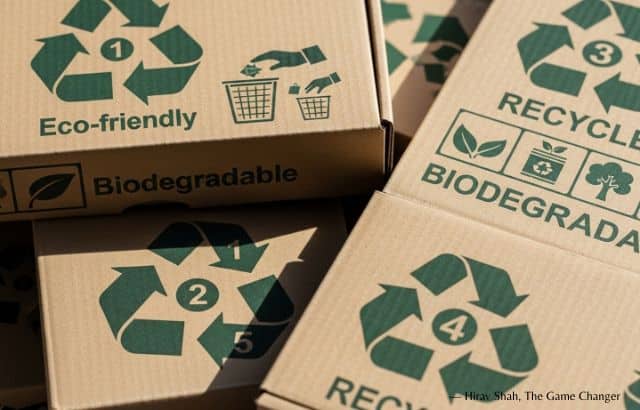
Cloth and jute bags with branding have massive demand.
Example:
Corporate gifting orders can bring bulk profits with low production costs.
9. Eco-Friendly Food Packaging Products
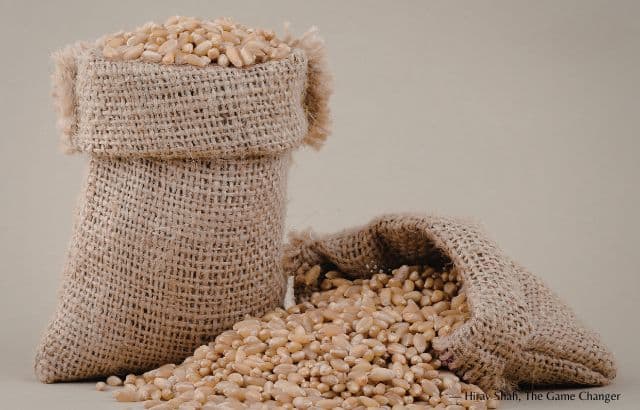
Alternatives to plastic containers:
- Paper bowls
- Bagasse containers
Restaurants and cloud kitchens are consistent bulk buyers.
10. Paper Decoration & Event Skirting Business
Plastic décor replaced by:
- Colored paper cuttings
- Paper flowers
- Recyclable banners
Low-cost, creative, and high seasonal demand.
Role of a Business Strategist in This Transition

According to Hirav Shah – Business Strategist & The Game Changer:
- Identifies future-proof industries
- Helps businesses pivot instead of shutting down
- Reduces risk through scalable and compliant models
- Aligns profit with sustainability
“A ban is not an end—it’s a redirection toward smarter business.”
FAQs

Q1. Is the plastic ban permanent in India?
Yes, single-use plastic is being phased out permanently.
Q2. Can small manufacturers survive this change?
Absolutely. Many alternatives require low to moderate investment.
Q3. Which business is most profitable after the plastic ban?
Reusable bags, steel rentals, and food packaging alternatives show high returns.
Q4. Do these businesses need government approval?
Most require basic MSME registration and local permissions.
Conclusion
Hirav Shah concludes:
“This government initiative will generate new employment opportunities. If you act now, you won’t just earn—you’ll contribute to saving the planet.”
Starting your own business may feel intimidating, but with the right strategy, it’s achievable.
As Shah Rukh Khan famously said:
“Koi dhanda chhota ya bada nahi hota… soch badi honi chahiye!”
The plastic ban isn’t a setback—it’s India’s green business revolution.