
Table of Contents
Introduction
Your website is far more than a digital brochure—it is your most dedicated salesperson, brand ambassador, and marketing executive working around the clock. Unlike employees who work fixed hours, your website represents your business 24 hours a day, 7 days a week, 365 days a year. Every visitor forms an opinion about your company within seconds of landing on your website, making every design element, especially color, critically important.
Business is fundamentally about understanding the psychology of human needs. Products and services solve problems, but brands succeed when they create emotional connections with customers. While quality, pricing, and customer service remain essential, visual communication often determines whether a visitor stays on your website or leaves within moments.
Today’s customers are smarter, more informed, and more selective than ever before. Before contacting your business, they research online, compare competitors, read reviews, and analyze your website. Features and benefits alone are no longer enough to persuade modern consumers. Businesses must understand customer psychology and communicate trust, credibility, and professionalism from the very first interaction.
According to Business Strategist Hirav Shah, popularly known as The Game Changer, successful businesses don’t simply sell products—they build emotional confidence through strategic branding. Every design decision, including the colors used on a website, influences buying decisions.
Whether you operate in manufacturing, healthcare, retail, hospitality, technology, education, finance, consulting, or professional services, your website often becomes the first meeting point between your business and a potential customer.
Imagine two websites offering identical services:
- Website A uses inconsistent colors, poor contrast, and confusing navigation.
- Website B uses carefully selected brand colors, clean layouts, and consistent branding.
Most visitors naturally trust Website B—even before reading a single line of content.
That is the power of color psychology.
Why Your Website Matters More Than Ever

A website performs multiple roles simultaneously:
- Brand representative
- Digital showroom
- Sales executive
- Customer support assistant
- Lead generation machine
- Marketing platform
- Trust-building tool
Unlike traditional advertising, your website never sleeps.
For example:
A customer searching for “best interior designer” at 11:30 PM may discover your website and submit an enquiry while your office is closed.
A manufacturer may receive an export enquiry from another country during the night.
A hospital may receive appointment requests outside business hours.
A law firm may receive consultation requests during weekends.
No employee can remain available 24×7—but your website can.
That is precisely why every visual element deserves strategic planning.
Does Color Really Matter?

Absolutely.
Color is among the most powerful psychological triggers in marketing.
Business Strategist Hirav Shah explains that colors influence emotions before words are processed. Visitors subconsciously associate colors with trust, excitement, security, luxury, innovation, energy, or reliability.
Studies across marketing and consumer psychology consistently show that first impressions are strongly influenced by visual appearance, and color plays a major role in brand recognition.
Consider these examples:
- Banks often use blue because customers associate it with trust and security.
- Eco-friendly businesses frequently use green because it symbolizes nature and sustainability.
- Luxury brands often choose black or purple to communicate exclusivity and sophistication.
- Food brands commonly use red because it stimulates excitement and appetite.
When businesses understand these emotional associations, they make smarter branding decisions.
The Role of a Business Strategist in Website Branding
Many companies focus only on website development.
Very few focus on business strategy before design.
This is where Business Strategist Hirav Shah, known as The Game Changer, emphasizes the importance of aligning branding with business objectives.
A business strategist helps organizations:
- Define their core brand identity.
- Understand customer psychology.
- Identify target audiences.
- Select colors that match business values.
- Improve customer trust.
- Increase brand recall.
- Create consistency across all marketing channels.
- Improve lead conversion through better visual communication.
A beautiful website may attract visitors.
A strategically designed website converts visitors into customers.
That is the difference between design and business strategy.
Recognize Your Brand Color
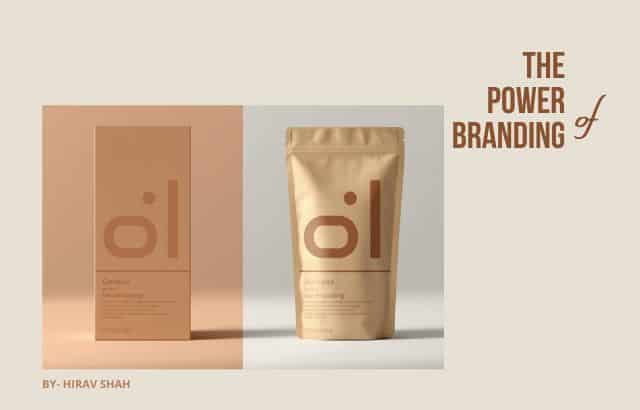
Before selecting colors, define your brand personality.
Ask yourself:
- What emotions should customers feel?
- What values define your company?
- What impression should people remember?
The six primary and secondary colors on the color wheel each communicate different emotions.
Choose the color that best represents your business rather than simply selecting your favorite color.
Example 1
A cybersecurity company should communicate:
- Trust
- Intelligence
- Safety
- Reliability
Blue becomes a natural choice.
Example 2
A children’s toy company wants to communicate:
- Happiness
- Fun
- Energy
- Creativity
Yellow, red, and orange become stronger choices.
Example 3
A luxury jewelry brand wishes to communicate:
- Prestige
- Exclusivity
- Royalty
Purple combined with black or gold creates the desired perception.
Example 4
Google successfully combines four colors:
- Blue
- Red
- Yellow
- Green
Each color reflects innovation, diversity, creativity, and simplicity while maintaining instant global recognition.
Understanding Color Psychology for Business Websites

Red
Red symbolizes:
- Power
- Passion
- Confidence
- Urgency
- Determination
- Action
- Energy
Ideal industries include:
- Food
- Entertainment
- Sports
- Retail
- E-commerce
Examples include:
- Coca-Cola
- Netflix
- Target
- Adobe
- YouTube
- LEGO
- Virgin
Use red carefully because excessive use may create visual fatigue.
Blue
Blue represents:
- Trust
- Intelligence
- Stability
- Security
- Professionalism
- Integrity
- Reliability
Ideal industries include:
- Banking
- Insurance
- Technology
- Healthcare
- Consulting
Examples include:
- IBM
- Intel
- Ford
- Walmart
- Citi
- Pfizer
- Nokia
Blue remains one of the most preferred corporate colors worldwide because customers naturally associate it with confidence.
Yellow
Yellow symbolizes:
- Positivity
- Optimism
- Creativity
- Joy
- Innovation
- Energy
Popular examples include:
- IKEA
- Ferrari
- Shell
- National Geographic
- Hertz
Yellow is excellent for highlighting important calls-to-action but should be balanced with neutral colors.
Green
Green represents:
- Nature
- Growth
- Wellness
- Healing
- Prosperity
- Sustainability
- Freshness
Examples include:
- Starbucks
- Whole Foods
- Fidelity
- John Deere
- The Body Shop
Green works exceptionally well for agriculture, wellness, healthcare, finance, and sustainability-focused brands.
Orange
Orange communicates:
- Confidence
- Productivity
- Creativity
- Determination
- Youthfulness
- Enthusiasm
Examples include:
- Fanta
- JBL
- Harley-Davidson
- Nickelodeon
- Home Depot
Orange attracts attention without appearing as aggressive as red.
Purple
Purple symbolizes:
- Luxury
- Royalty
- Wisdom
- Creativity
- Success
- Ambition
Examples include:
- Cadbury
- Yahoo!
- Hallmark
- Thai Airways
- FedEx (accent color)
Purple is commonly used by premium brands wishing to create an image of exclusivity.
Apply Your Brand Color Consistently
Selecting the right color is only the first step.
Consistency creates brand recognition.
Business Strategist Hirav Shah recommends maintaining a uniform color identity across every customer touchpoint.
Your brand colors should appear on:
- Website
- Logo
- Business cards
- Social media
- Email signatures
- Packaging
- Company presentations
- Advertisements
- Brochures
- Product catalogues
- Exhibition stalls
Consistency strengthens memory and improves customer trust.
Real Business Example
Suppose two accounting firms offer identical services.
Firm A
- Random colors
- No branding
- Different logo colors across platforms
Firm B
- Professional blue theme
- Consistent branding
- Uniform typography
- Consistent visual identity
Which firm appears more trustworthy?
Most customers naturally prefer Firm B.
Perception influences purchasing decisions.
Simple Business Calculations

Example 1: Lead Improvement
Monthly website visitors = 10,000
Current conversion rate = 2%
Leads generated:
10,000 × 2% = 200 leads
After improving branding and website colors:
Conversion rate increases to 3%.
New leads:
10,000 × 3% = 300 leads
Additional leads:
300 − 200 = 100 extra leads every month
Example 2: Revenue Impact
Average sale value = ₹50,000
Additional customers = 10
Revenue generated:
10 × ₹50,000 = ₹5,00,000 additional revenue
A seemingly small improvement in website performance can significantly impact annual business growth.
Best Practices for Choosing Website Colors
- Define your brand personality first.
- Study your target audience.
- Understand color psychology.
- Keep your color palette simple.
- Maintain consistency.
- Ensure accessibility and readability.
- Use contrasting colors for call-to-action buttons.
- Test different color combinations.
- Review competitor branding.
- Keep user experience at the center of every design decision.
Final Thoughts

In today’s competitive digital marketplace, a professionally designed website is no longer optional—it is a strategic business necessity.
Every color, image, button, and layout decision influences how customers perceive your business. Colors help create trust, improve recognition, reinforce your brand identity, and encourage visitors to take action.
Business Strategist Hirav Shah, widely recognized as The Game Changer, believes that businesses achieve sustainable growth when branding decisions are driven by strategy rather than personal preference. Selecting the right colors is not merely a design choice—it is a business decision that directly impacts customer perception, engagement, and conversions.
Your website is your most committed employee. It promotes your business every hour of every day without taking a break.
Make sure it represents your brand with the right colors, the right strategy, and the right message.
Frequently Asked Questions (FAQs)
1. Why are website colors important for businesses?
Colors influence customer emotions, improve brand recognition, and create stronger first impressions, all of which affect purchasing decisions.
2. Which color builds the most trust?
Blue is widely associated with trust, security, professionalism, and reliability, making it popular among banks, technology companies, and healthcare organizations.
3. Can changing website colors increase sales?
Yes. Improved visual branding can enhance user engagement, increase conversion rates, reduce bounce rates, and contribute to higher revenue when combined with a strong user experience.
4. Should every business use the same color?
No. The ideal color depends on your industry, target audience, brand values, and the emotions you want customers to associate with your business.
5. How many colors should a website use?
Most successful websites use one primary brand color, one or two secondary colors, and neutral shades such as white, gray, or black to maintain visual balance.
6. What is the role of a Business Strategist in website branding?
A Business Strategist helps align branding, customer psychology, marketing goals, and website design so that every visual element supports long-term business growth.
7. Can colors improve brand recall?
Yes. Consistent use of brand colors across websites, social media, packaging, and marketing materials makes businesses more memorable and recognizable.
8. How often should businesses review their website branding?
A complete review every two to three years—or whenever there is a major business transformation, rebranding initiative, or shift in customer expectations—is generally recommended.
9. What common mistakes should businesses avoid?
Avoid using too many colors, poor contrast, inconsistent branding, unreadable text, and choosing colors based solely on personal preference instead of customer psychology.
10. What is the biggest takeaway?
Your website is a 24×7 business asset. Strategic use of colors, guided by a clear understanding of your brand and customer psychology, can strengthen trust, improve user experience, and contribute to measurable business growth.