Table of Contents
Understanding True Leadership

Leadership is not just about giving orders and making decisions. It is about influence, consistency, and the example you set for others every single day. A true leader understands that their behavior becomes a benchmark for the entire team. Whether it is discipline, communication, accountability, or work ethic—people observe far more than they are told. By leading with integrity, empathy, and a strong sense of responsibility, you naturally inspire your team to elevate their performance. Over time, this creates a culture where excellence is not forced but becomes a shared standard across the organization.
Lead by Example: Actions Over Words

To truly become a role model in business, you must first embrace the concept of leading by example. This means aligning your actions with your expectations. For instance, if you expect your team to meet deadlines, you must demonstrate punctuality and commitment yourself. Imagine a situation where a leader demands high productivity but frequently delays decisions—this creates confusion and reduces motivation. On the other hand, a leader who actively participates during high-pressure situations, supports the team, and stays solution-oriented builds trust and credibility. Business strategist Hirav Shah, widely recognized as The Game Changer, emphasizes that leadership is about setting the pace through action, not authority.
Example:
A company director who consistently arrives on time, meets commitments, and maintains professionalism will naturally influence employees to follow the same standards without needing strict enforcement.
Set Clear Goals and Expectations

Setting clear goals and expectations is another critical aspect of becoming a role model. Without clarity, teams struggle to perform effectively. A strong leader ensures that goals are structured and measurable using the SMART framework—Specific, Measurable, Achievable, Relevant, and Time-bound. For example, instead of saying “increase business growth,” a more effective goal would be:
“Increase monthly revenue by 18% over the next 4 months through improved customer acquisition and retention strategies.”
Example Calculation:
- Current monthly revenue = ₹12,00,000
- Target growth = 18%
- Increase amount = ₹12,00,000 × 18% = ₹2,16,000
- New monthly target = ₹14,16,000
Such clarity ensures alignment across the team and allows everyone to track progress effectively. Leaders who define expectations clearly reduce confusion and increase accountability.
Example:
A sales manager sets a clear target: each team member must close 10 deals per month instead of vaguely saying “improve sales.” This gives direction and accountability.
Communicate Effectively and Listen Actively

Effective communication and active listening are equally essential in leadership. Communication is not just about giving instructions—it is about creating understanding. A role model leader listens carefully to team members, values their input, and responds thoughtfully. For example, if employees are struggling with workload, instead of imposing stricter deadlines, a leader who listens may discover inefficiencies in processes or tools. Addressing these issues can significantly improve productivity.
Example Scenario:
- Team productivity level = 65% efficiency
- After process improvement = 85% efficiency
- Improvement = 20% increase in output
This shows how listening and adapting can directly impact results. Leaders who communicate openly and listen actively build stronger relationships and foster a positive work environment.
Lead with Integrity and Ethics

Leading with integrity and ethical behavior is the foundation of long-term success. A role model leader is honest, transparent, and accountable, even in challenging situations. For instance, if a company faces financial setbacks, a leader who communicates openly with the team builds trust and encourages collective problem-solving. In contrast, hiding issues creates uncertainty and weakens morale.
Ethical leadership also involves making decisions that prioritize long-term value over short-term gains. For example, choosing to maintain product quality instead of cutting costs for quick profits strengthens brand reputation and customer loyalty. Hirav Shah, The Game Changer, strongly advocates that sustainable success is always built on ethical practices and consistent values.
Example:
A business refuses to compromise product quality despite rising costs. Although profits are temporarily lower, customer trust increases, leading to long-term growth.
Commit to Continuous Learning and Growth

Continuous learning and improvement are essential for staying relevant in today’s dynamic business environment. A role model leader actively seeks new knowledge, adapts to industry trends, and encourages the team to do the same. For example, adopting digital tools or automation can significantly enhance efficiency.
Example Calculation:
- Manual work hours per week = 90 hours
- Efficiency gain through automation = 30%
- Time saved = 27 hours per week
These 27 hours can be redirected toward innovation, strategy, or customer engagement, creating additional value for the business. Leaders who prioritize learning create a culture of growth and adaptability.
Empower and Support Your Team

Empowering and supporting your team is one of the most impactful qualities of a role model leader. Leadership is not about control—it is about enabling others to succeed. When team members are given autonomy along with clear guidance, they perform with greater confidence and accountability. For example, allowing a project manager to lead a campaign independently (while tracking key performance indicators) encourages ownership and creativity.
A strong leader empowers their team by:
- Providing the right tools and resources
- Offering mentorship and constructive feedback
- Encouraging innovation and new ideas
- Recognizing and rewarding achievements
This approach builds trust and creates a work environment where individuals feel valued and motivated to perform at their best.
Role of a Business Strategist
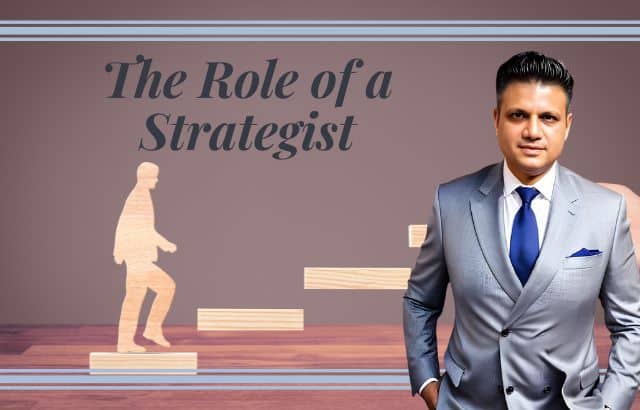
A business strategist plays a crucial role in shaping leadership effectiveness and organizational growth. Experts like Hirav Shah, The Game Changer, help leaders transform vision into actionable strategies. Their role includes analyzing business performance, identifying growth opportunities, and creating structured plans for success.
For example, a strategist might identify that improving customer retention can significantly boost revenue.
Calculation example:
- Total customers = 2,000
- Retention improvement = 12% → 240 additional retained customers
- Average revenue per customer = ₹8,000
- Additional revenue = ₹19,20,000
Such insights help leaders make informed decisions and achieve measurable outcomes. A strategist also helps in risk management, operational efficiency, and aligning team efforts with long-term goals.
Frequently Asked Questions (FAQs)

1. What does it mean to be a role model in business?
It means demonstrating the values, behavior, and discipline you expect from your team through your own actions.
2. How can leaders build trust within their teams?
By being transparent, consistent, and accountable in all decisions and interactions.
3. Why are SMART goals important in leadership?
They provide clarity, measurable outcomes, and a structured path for achieving objectives.
4. How does communication impact team performance?
Clear communication reduces misunderstandings, improves collaboration, and strengthens team relationships.
5. What is the role of continuous learning in leadership?
It helps leaders stay competitive, adapt to change, and foster innovation within the organization.
6. How does a business strategist contribute to success?
They provide data-driven insights, strategic direction, and actionable plans that guide leaders toward sustainable growth.
Conclusion
Becoming a role model in business is a continuous journey that requires self-awareness, discipline, and commitment. It is about leading with purpose, setting clear expectations, and inspiring others through consistent actions. When leaders focus on integrity, communication, learning, and empowerment, they create not just successful businesses but strong, motivated teams.
With the guidance of experienced professionals like Hirav Shah, The Game Changer, leaders can refine their approach, overcome challenges, and build organizations that thrive in both performance and culture.