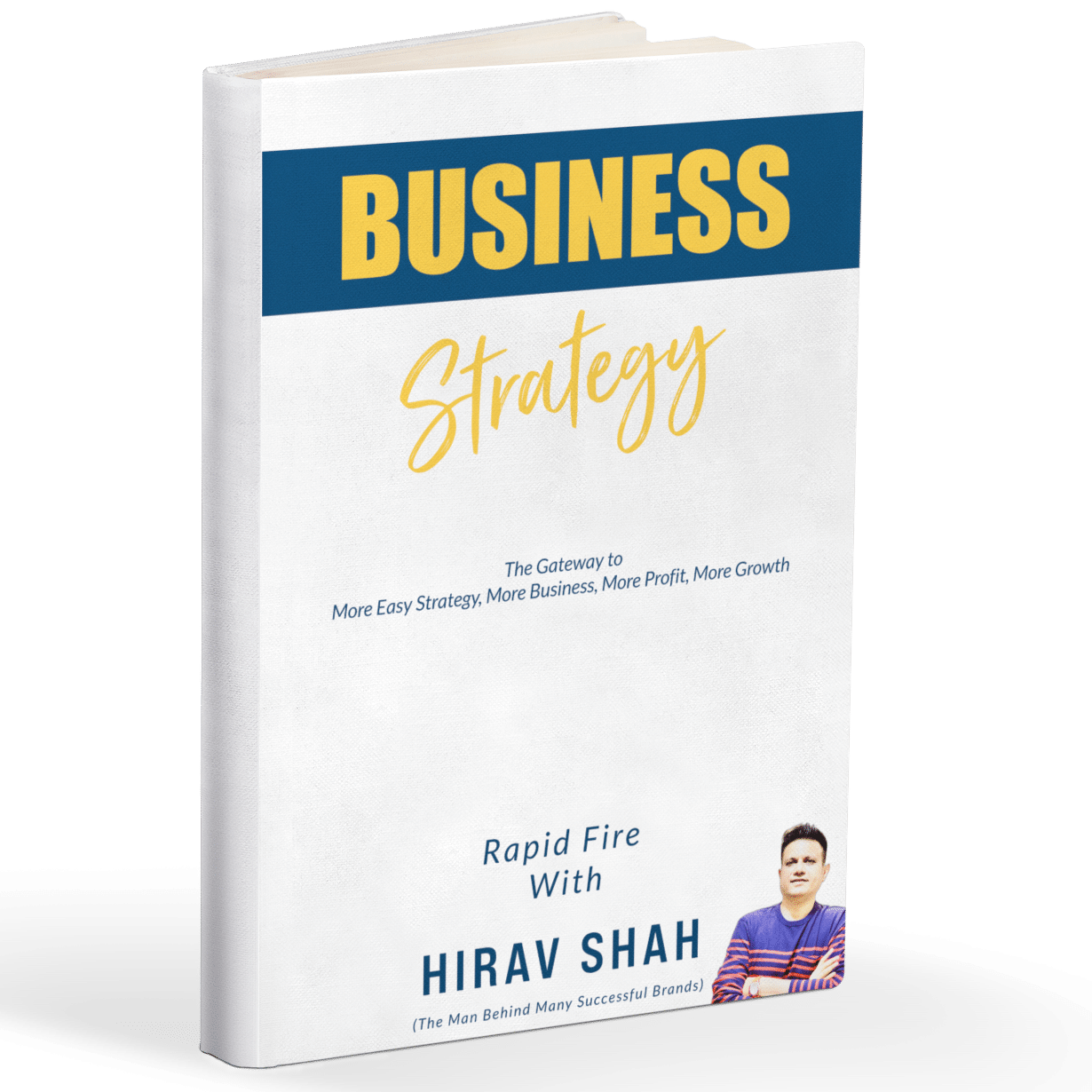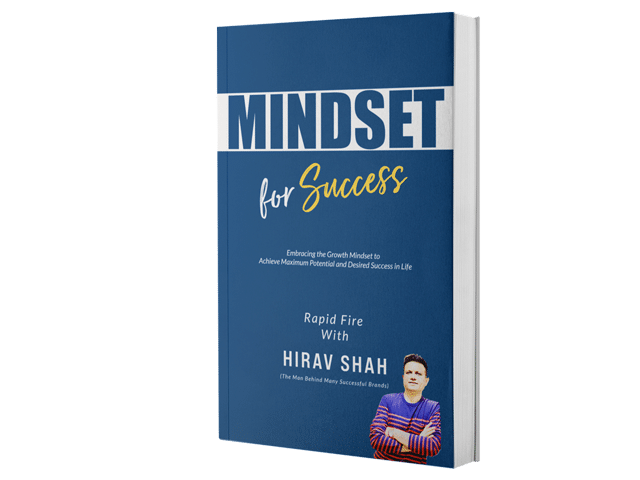

Being an entrepreneur is not just about having a great idea—it’s about building the right skills to turn that idea into a sustainable business. From communication and sales to mindset and problem-solving, business success requires continuous learning and adaptability.
According to Hirav Shah, The Game Changer and a renowned Business Strategist and Business-cum-Brand Transformation Expert, long-term success depends on mastering a core set of generalized skills that create momentum for both life and business.
Let’s explore the 10 essential business skills, along with real-world examples and strategic insights.
Table of Contents
1. See Yourself as a Salesperson

Whether you’re pitching investors, marketing your product, or explaining your idea to a customer—you are always selling.
Example:
A startup founder pitching to investors must sell:
- The vision
- The market opportunity
- The team’s capability
Even job interviews are sales conversations—you are selling your value.
Strategist’s Insight:
A business strategist helps refine your pitch, pricing, and positioning to increase conversions.
2. Learn to Love Criticism

Criticism is not rejection—it’s data.
Example:
If customers say your app is “confusing,” that feedback can guide better UX design and improve retention.
Instead of reacting emotionally, ask:
- What can I improve?
- What pattern do I see?
3. You Can Choose to Be Happy

You can’t control outcomes, but you can control responses.
Example:
A delayed product launch can either:
- Drain your motivation
- Or become a learning experience to improve systems
Successful entrepreneurs choose perspective over panic.
4. Nothing in Life Is Free

Every decision has a cost—money, time, or energy.
Simple Calculation Example:
If you spend:
- 3 hours/day on social media
- That’s 90 hours/month
If your hourly value = ₹1,000
→ Cost = ₹90,000/month of lost productivity
Smart entrepreneurs invest time wisely.
5. Get Better Every Day

Highly paid professionals are hard to replace because their skills are rare.
Example:
Improving negotiation skills by just 1% per day compounds into massive confidence and income growth over a year.
Growth Mindset Formula:
Small daily improvements × consistency = long-term success
6. Create Something of Your Own

Shift from consumption to creation.
Examples:
- Start a blog
- Build a personal brand
- Launch a small online service
Many creators who began blogging or writing in the last two years now run full-time businesses.
Creation builds clarity, confidence, and credibility.
7. Think Big, Act Small

Big goals require small, consistent actions.
Example:
Goal: ₹1 crore annual revenue
Breakdown:
- ₹8.3 lakh/month
- ₹27,500/day
Daily focused actions make large goals achievable.
8. Problems Are Just Unanswered Questions

A problem is simply a question waiting for clarity.
Example:
Low sales =
- Wrong audience?
- Weak messaging?
- Poor pricing?
Calm thinking beats emotional reactions every time.
9. Go Against Your Fears

Fear often marks the path of growth.
Example:
Fear of public speaking?
Start with:
- Small group presentations
- Online videos
- Team meetings
Each small step builds courage and clarity.
10. Check in With Your Mind

Self-awareness is a competitive advantage.
Ask yourself:
- What motivates me?
- What drains my energy?
- What do I truly enjoy?
Entrepreneurs who understand themselves make better decisions and avoid burnout.
Role of a Business Strategist

A Business Strategist like Hirav Shah acts as:
- A clarity provider
- A decision-making guide
- A growth accelerator
They help businesses:
- Identify strengths and gaps
- Align brand with business goals
- Improve profitability through strategic thinking
That’s why Hirav Shah is widely recognized as The Game Changer for modern businesses.
Frequently Asked Questions (FAQs)
Q1. Why are business skills more important than ideas?
Because ideas without execution fail. Skills turn ideas into income.
Q2. Can these skills be learned at any age?
Yes. Business skills are learnable and improve with practice.
Q3. How long does it take to see results?
Consistency for 90–180 days often leads to noticeable growth.
Q4. Do I need a strategist to succeed?
Not mandatory, but guidance reduces costly mistakes and accelerates success.
Final Thoughts

Walk your own path. Don’t blindly follow the crowd.
Most people regret:
- The risks they didn’t take
- The ideas they didn’t try
A few months from now, you’ll be more disappointed by what you didn’t do than by what you did.
So step out of the safe harbor.
Explore. Dream. Build. Discover.
Renowned Business Strategist and Business-cum-Brand Transformation Expert, Hirav Shah—The Game Changer—wishes you all the best for your life and business success.