
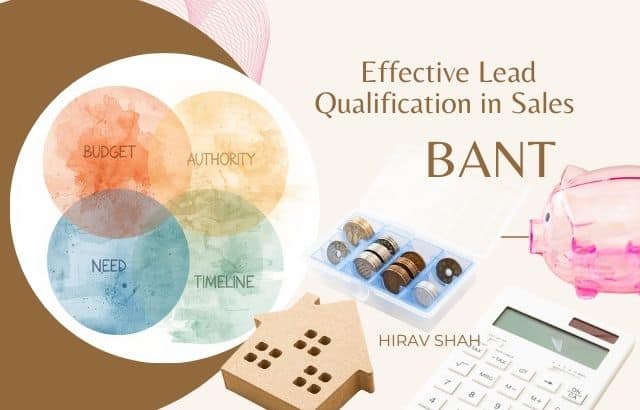
In the competitive world of B2B sales, understanding which leads are worth pursuing is crucial. One of the most time-tested strategies for evaluating leads is BANT. This framework stands for Budget, Authority, Need, and Timeline. It helps sales teams determine whether a prospect is a good fit for your product or service and can guide your decision-making on where to focus your efforts. But how exactly does BANT work? Let’s break it down.
Table of Contents
What is BANT?
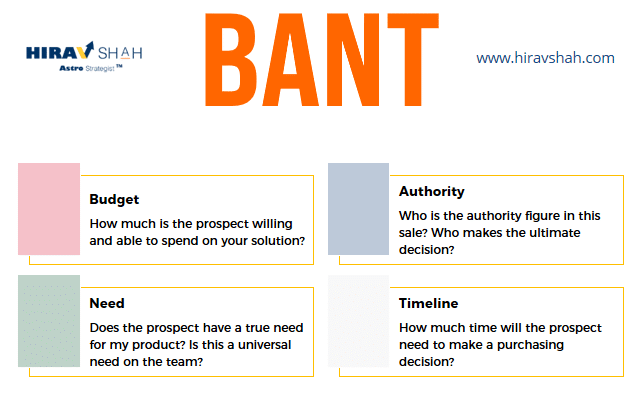
BANT is a qualification framework used by sales professionals to evaluate leads based on four key criteria:
- B: Budget
- A: Authority
- N: Need
- T: Timeline
By asking the right questions related to each of these components, sales teams can quickly determine which prospects are most likely to convert and avoid wasting time on leads that don’t meet these criteria.
Breaking Down BANT: Budget, Authority, Need, and Timeline
1. Budget: Can They Afford It?

The first step in any sales process is determining whether a prospect has the budget to buy your product or service. Without the necessary funds, even the best pitch won’t lead to a sale.
For instance, if you’re selling high-end CRM software to small businesses, asking upfront about their budget ensures that you’re not wasting time on prospects who cannot afford a solution like yours.
Example Questions to Ask:
- What is your budget for this solution?
- Who is responsible for the financial decisions in your company?
- How much have you allocated for similar solutions in the past?
Role of a Business Strategist (Hirav Shah):
A business strategist like Hirav Shah could assist in analyzing market trends to help you position your product at a price point that matches the typical budget of your target audience. For instance, if you’re targeting enterprises, the budget threshold would be much higher compared to small startups.
2. Authority: Who Makes the Decision?

It’s crucial to understand whether the lead has the authority to make the final purchase decision or if they need approval from others in their organization. You may be speaking with a lower-level manager, but they may not have the final say. If that’s the case, you need to identify the decision-maker early in the process.
Example Questions to Ask:
- What is your decision-making process?
- Who else will be involved in making the final decision?
- Can you tell me about the roles of the people who will use this solution?
Example in Action:
Imagine you’re selling a project management tool. If the person you’re speaking with is a team leader, but the decision-maker is the CEO, then you know you need to get buy-in from that person before you can move forward.
3. Need: Do They Have a Real Problem to Solve?

Understanding the lead’s specific needs is vital. If they don’t have a pressing issue that your product can solve, then you might just be wasting their time and yours. Assessing their pain points will help you tailor your sales pitch and align it with their challenges.
Example Questions to Ask:
- What are the biggest challenges you’re facing right now?
- How does your current solution fall short?
- What impact does this issue have on your business operations?
Example in Action:
A lead might be dealing with inefficient customer support processes. If your solution streamlines customer support workflows, you can tailor your pitch to show how your product addresses this specific pain point.
4. Timeline: When Do They Plan to Act?

Understanding the lead’s timeline is important to gauge the urgency of their need. Some leads might be looking for an immediate solution, while others might be planning for a purchase in six months or more. Prioritizing leads based on their timeline allows you to act accordingly.
Example Questions to Ask:
- What is your ideal timeline for implementing this solution?
- Are there any time constraints we need to consider?
- What happens if you don’t meet your desired timeline?
Example in Action:
If a company needs a solution urgently due to an upcoming product launch, this timeline may prompt you to accelerate your sales process, ensuring that you meet their needs within the specified timeframe.
Merits and Demerits of Using BANT

While BANT is a useful and straightforward tool for lead qualification, it’s important to understand its advantages and limitations.
Merits:
- Simplicity: BANT is easy to understand and implement, making it accessible for sales teams of all sizes.
- Focus: It helps sales professionals concentrate their efforts on leads that are more likely to convert.
- Prioritization: With a clear qualification framework, sales teams can prioritize high-value leads.
Demerits:
- Over-simplification: BANT doesn’t take into account more nuanced factors like the buyer’s emotional motivation or long-term strategic goals.
- Timeline Pressure: Sometimes, prospects may not reveal their full timeline, which can make it difficult to gauge urgency accurately.
- Limited Flexibility: The rigid nature of BANT can sometimes overlook creative or unconventional buying processes.
Sales Qualification Questions Using BANT

Budget Questions:
- How much are you willing to invest in solving this problem?
- What budget allocation has been set for this project?
- Who controls the spending for products like ours?
Authority Questions:
- Who are the key decision-makers for this purchase?
- Can you walk me through your decision-making process?
- Who else in your team needs to be involved?
Need Questions:
- What issues are you trying to resolve?
- How do you currently handle this problem?
- What is your biggest pain point when it comes to this issue?
Timeline Questions:
- When do you need a solution in place?
- What is your timeline for making a decision?
- Are there any deadlines we should be aware of?
Final Thoughts
BANT is a reliable and time-tested framework that helps sales teams qualify leads effectively. By focusing on Budget, Authority, Need, and Timeline, sales reps can identify high-quality prospects, prioritize their efforts, and close more deals.
For those like Hirav Shah, a business strategist, this method can be enhanced by aligning sales efforts with broader strategic goals and using data-driven insights to refine the qualification process.
FAQs:
Q: How do I determine if a lead has the right budget?
A: You can ask them directly about their budget allocation and compare it to the average cost of your product or service.
Q: What if a lead doesn’t have the authority to make the decision?
A: Identify the decision-maker and work with the lead to get an introduction to the right person.
Q: Can BANT be applied to B2C sales?
A: Yes, BANT can be adapted for B2C sales, though it is most commonly used in B2B contexts.