
Table of Contents
Section 1: Why Hard Work Alone Doesn’t Build a Strong Business

Two business owners can work equally hard—and still reach very different places.
One struggles despite long hours, constant effort, and sincere intent. The other grows steadily, handles pressure calmly, and recovers quickly when things go wrong. From the outside, it looks like luck. But inside the business, the difference is far more practical.
It is decision-making.
Over the years, business strategist Hirav Shah, founder of the world’s first Business Decision Validation Hub, has seen this pattern repeat across industries. Businesses don’t weaken because people stop working hard. They weaken because decisions are made in stress, hurry, or emotional overload.
Most business decisions don’t look dangerous when they’re taken. A quick price cut to stop losing customers. A rushed expansion because competitors are growing. A delayed correction because admitting a mistake feels uncomfortable. Each decision feels justified in the moment.
But slowly, these choices shape the business—margins shrink, clarity fades, and confidence weakens.
“Businesses don’t fail due to lack of effort. They fail when pressure replaces clarity in decision-making.”
— Hirav Shah, Business Strategist & Founder, Business Decision Validation Hub
Strong businesses are built differently. Their leaders treat decision-making as a daily habit, not a one-time skill. They pause before reacting, validate choices before executing, and correct early without ego.
This is why businesses rarely collapse overnight. They weaken silently—one rushed decision at a time.
Section 2A: The Questions Every Business Leader Struggles With

At some point, almost every business leader begins asking the same uncomfortable questions.
- Why is growth slowing despite effort?
- Why do decisions feel heavier than before?
- Why does clarity disappear exactly when pressure increases?
- Why do some decisions feel right today but create problems tomorrow?
According to business strategist Hirav Shah, founder of the world’s first Business Decision Validation Hub, these questions don’t arise because leaders lack knowledge or intent. They arise because pressure changes the way decisions are made.
Consider a growing business that had everything going for it—steady sales, a committed team, and a decent market reputation.
Then pressure entered the picture.
Competition increased. Cashflow became tight. Expectations rose.
To reduce stress, a few quick decisions were taken. Prices were cut to protect volume. A new expansion was rushed to “stay ahead.” Corrections were delayed because changing course felt risky. Each decision brought temporary relief.
For a while, things looked stable.
But slowly, the cracks appeared. Margins weakened. Teams lost direction. Growth started feeling forced.
As Hirav Shah has observed across many such cases, the problem was not effort, intent, or capability—it was how decisions were taken under pressure.
“When pressure increases, most leaders don’t make wrong decisions—they make rushed ones. And rushed decisions quietly weaken strong businesses.”
— Hirav Shah, Business Strategist & Founder, Business Decision Validation Hub
This is where many leaders misjudge the situation. They assume the market has changed, the team has failed, or the strategy is flawed.
In reality, the missing piece is disciplined decision-making habits.
Strong businesses don’t eliminate tough questions. They respond by improving how decisions are made, not by reacting faster or working harder.
Section 2B: Understanding Decision-Making Before Improving It

Before talking about habits, it’s important to pause and understand the basics.
Many business leaders struggle with decision-making—not because they are careless, but because they never clearly define what they are dealing with.
Let’s answer the most common questions.
1. What Is a Decision?
A decision is a choice made between two or more possible actions.
In business, every decision carries consequences—small or large, immediate or delayed.
Choosing to expand, delay, hire, fire, invest, or exit—these are all decisions shaping the future of a business.
2. What Is Decision-Making?
Decision-making is the process of thinking, evaluating, and choosing a course of action.
According to Business Strategist Hirav Shah, decision-making is not a moment—it is a mental discipline that repeats every day in business.
3. What Is the Decision-Making Process?
At its core, decision-making involves:
- Identifying the real problem
- Evaluating options
- Assessing risks and consequences
- Choosing one direction
- Taking responsibility for the outcome
When any of these steps are skipped, decisions weaken.
“Most poor decisions happen not because people choose wrong—but because they don’t think through the process.”
— Business Strategist Hirav Shah
4. Why Is Decision-Making So Important in Business?
Because businesses move in the direction of their decisions—not intentions.
Effort without the right decisions leads to exhaustion.
Growth without the right decisions leads to instability.
Strong decision-making protects time, money, people, and reputation.
5. How Does Decision-Making Influence Business Growth?
Every business outcome—profit, loss, scale, or stagnation—is the result of past decisions.
Good decisions compound positively over time.
Poor decisions also compound—just more painfully.
As Business Strategist Hirav Shah explains, growth is not accidental; it is decision-led.
6. Why Do Smart People Still Make Bad Decisions?
Because intelligence doesn’t eliminate pressure.
Fear, urgency, ego, and overload distort thinking. Even experienced leaders can make weak decisions when emotions override clarity.
“Pressure doesn’t reduce intelligence—it reduces clarity.”
— Business Strategist Hirav Shah
7. Is Decision-Making a Skill or a Habit?
It starts as a skill—but becomes powerful only as a habit.
Occasional good decisions help temporarily.
Consistent decision-making habits build strong businesses.
This is where most leaders struggle—not in knowing, but in repeating.
8. Can Decision-Making Be Improved?
Yes. Absolutely.
Decision-making improves when leaders:
- Slow down thinking before acting
- Validate assumptions
- Separate emotion from judgment
- Review decisions honestly
As Business Strategist Hirav Shah emphasises, improvement comes from discipline, not instinct.
9. What Is the Biggest Decision-Making Mistake in Business?
Confusing speed with clarity.
Fast decisions feel powerful.
Clear decisions build power.
“Speed impresses people. Clarity protects businesses.”
— Business Strategist Hirav Shah
Why Decision-Making Habits Matter More Than One-Time Smart Decisions
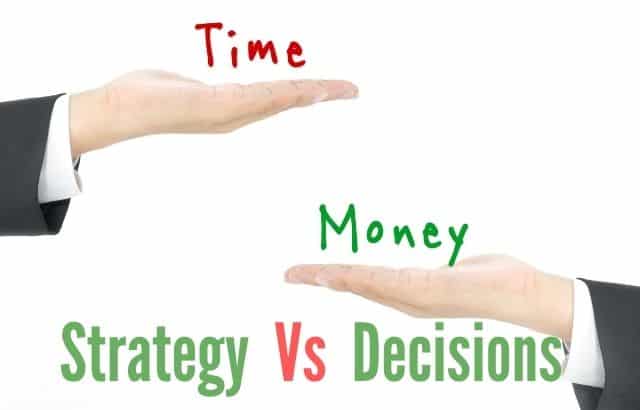
By now, one thing becomes clear—most business problems don’t start because leaders lack intent or effort. They begin when decisions are taken reactively, under pressure, without a consistent approach.
According to business strategist Hirav Shah, founder of the world’s first Business Decision Validation Hub, strong businesses don’t depend on occasional smart decisions.
They are built on repeatable decision-making habits that work even when stress levels are high.
When leaders react instead of responding thoughtfully, decisions become inconsistent. One day there is confidence, the next day confusion.
Over time, this inconsistency weakens momentum, affects teams, and increases business risk.
Decision-making habits solve this problem.
They help leaders pause instead of panic, evaluate instead of assume, and correct instead of defend.
More importantly, they make outcomes predictable, not accidental.
“Strong businesses are not built on one right decision, but on the habit of deciding right—again and again.”
— Hirav Shah, Business Strategist & Founder, Business Decision Validation Hub
These five decision-making habits are simple in principle, but powerful in impact—especially when pressure is high.
Section 3: Habit 1 – Deciding With Clarity, Not Urgency
Imagine this.
Sales slow down suddenly.
Your phone starts ringing more than usual.
Your team looks worried.
And every conversation ends with one line: “We need to do something fast.”
Do you feel that pressure?
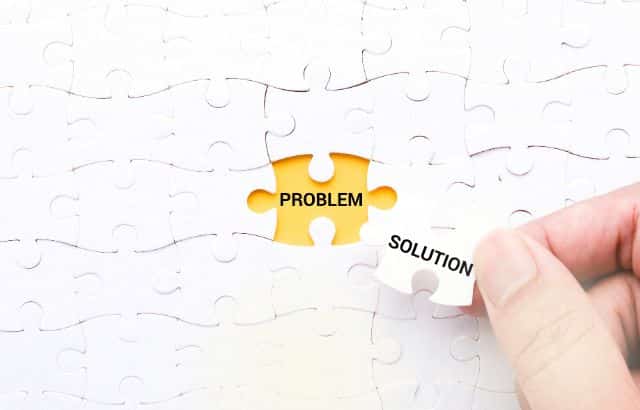
In such moments, many business owners act immediately—cut prices, push discounts, rush into new deals—just to reduce the stress.
For a few weeks, things feel under control.
But then margins shrink, costs rise, and the same pressure returns.
According to Business Strategist Hirav Shah, founder of the world’s first Business Decision Validation Hub, urgency often tricks leaders into acting for emotional relief, not business clarity.
Strong businesses handle this moment differently.
They pause.
They ask: Is this really an emergency—or is it a phase that needs understanding first?
That pause brings clarity, and clarity prevents long-term damage.
“Urgency calms the mind for a moment. Clarity protects the business for years.”
— Business Strategist Hirav Shah
The situation may demand action—but the habit of clarity decides whether the action strengthens or weakens the business.
Section 4: Habit 2 – Separating Emotions From Judgment

Let’s say you’ve invested years into a business idea.
Time, money, reputation—everything is tied to it.
Now imagine the numbers are no longer supporting the vision.
Deep down, you know a change is needed.
But emotionally, letting go feels like admitting failure.
Do you connect with that feeling?
As Business Strategist Hirav Shah, author of 25+ strategy books, explains, many leaders don’t make wrong decisions because they lack intelligence—they do so because emotions quietly take control.
Strong businesses acknowledge emotions but don’t let them lead decisions.
They step back and ask:
If I were advising someone else, what would I suggest right now?
“Emotion belongs in business, but judgment must stay disciplined.”
— Business Strategist Hirav Shah
The moment emotion steps aside, clarity steps in—and decisions improve.
Section 5: Habit 3 – Validating Decisions Before Executing

Imagine an opportunity that looks perfect on the surface.
Everyone around you says, “Don’t miss this.”
The numbers look exciting.
The timing feels urgent.
Would you pause—or jump in?
Many businesses jump straight into execution.
Only later do they realise approvals take longer, costs rise, or exits become difficult.
According to Business Strategist Hirav Shah, founder of The Rescue Hub, this is how strong businesses quietly drift into stress—not because the opportunity was bad, but because it wasn’t validated.
Strong businesses validate before committing.
They test assumptions, explore worst-case scenarios, and check timing—before money, reputation, or energy is locked in.
“Validation doesn’t slow growth. It prevents regret.”
— Business Strategist Hirav Shah
Execution multiplies decisions. Validation decides whether that multiplication works in your favour.
Section 6: Habit 4 – Thinking Long-Term, Not Short-Term Comfort

Imagine this situation.
A quick decision can ease today’s pressure.
A delayed payment can be ignored.
An easy deal can bring instant cash.
It feels comfortable. It feels safe.
But ask yourself—will this decision still feel right six months from now?
Many businesses choose short-term comfort because it reduces immediate stress.
They accept unfavorable terms, compromise on quality, or stretch teams beyond limits just to survive the moment.
According to Business Strategist Hirav Shah, founder of The Rescue Hub, this is where strong businesses quietly separate themselves from fragile ones.
Fragile businesses chase relief.
Strong businesses protect longevity.
They ask deeper questions:
- What does this decision do to our brand?
- What habits does it create inside the team?
- What kind of business are we becoming because of this choice?
“Short-term comfort feels good today, but long-term strength pays forever.”
— Business Strategist Hirav Shah
Strong businesses don’t avoid difficult decisions.
They choose the ones that keep the foundation strong—even if they feel uncomfortable in the moment.
Section 7: Habit 5 – Reviewing and Correcting Decisions Without Ego

Let’s be honest.
Have you ever stayed with a decision longer than you should have—just because changing it felt like admitting a mistake?
Most leaders have.
Imagine realizing that a strategy isn’t working, but the team already knows you approved it. Investors are watching.
Admitting a correction feels risky.
So the decision continues.
Costs rise. Stress increases.
As Business Strategist Hirav Shah, founder of the world’s first Business Decision Validation Hub, often points out, strong leaders don’t win by being right all the time.
They win by correcting early.
Strong businesses review decisions regularly.
They ask:
Is this still serving the business today?
If the answer is no, they adjust—without blame, without ego.
“Correction is not weakness. Delay in correction is.”
— Business Strategist Hirav Shah
The faster a business corrects course, the less damage it absorbs—and the stronger it becomes.
Section 8: Why Validation Is the Thread That Connects All Five Habits
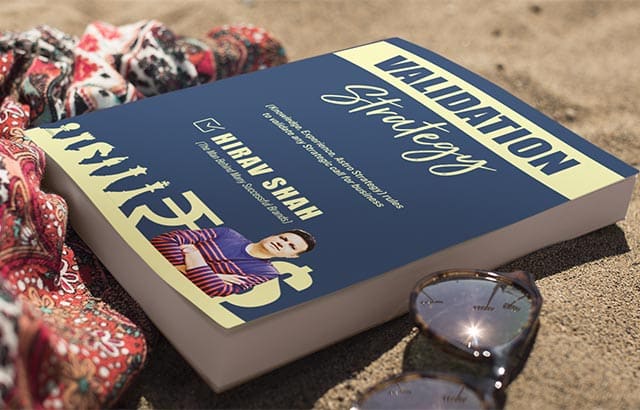
When you look closely at all five decision-making habits, one common thread quietly runs through them—validation.
Clarity comes from validating the real problem.
Emotional discipline comes from validating facts over feelings.
Long-term thinking comes from validating consequences.
Correction comes from validating outcomes honestly.
According to Business Strategist Hirav Shah, founder of the world’s first Business Decision Validation Hub, most businesses don’t collapse because of one bad decision.
They weaken because decisions are taken without being validated at the right time.
“Validation is not a step in decision-making. It is the foundation of it.”
— Business Strategist Hirav Shah
When validation becomes a habit, decision-making becomes calmer, safer, and more predictable.
Section 9: Why Businesses Avoid Validation—and Pay the Price

Let’s ask an uncomfortable question.
If validation is so important, why do most leaders skip it?
Because validation feels slow when pressure is high.
Because validation asks uncomfortable questions.
Because validation can challenge ego and assumptions.
As Business Strategist Hirav Shah often observes, leaders don’t avoid validation due to lack of intelligence—they avoid it due to urgency, fear, or overconfidence.
But skipping validation doesn’t save time.
It only postpones consequences.
“Most regrets in business are not about effort. They are about unvalidated decisions.”
— Business Strategist Hirav Shah
Validation may feel inconvenient today—but it prevents damage tomorrow.
Section 10: A Simple Validation Exercise Before Any Big Decision

Before acting on your next important decision, pause and validate it using this simple exercise recommended by Business Strategist Hirav Shah.
Ask yourself:
- What assumption am I making right now?
- What data or reality supports this assumption?
- What happens if this decision goes wrong?
- Is the timing right—or am I reacting to pressure?
- Have I validated this decision with a neutral perspective?
“Validation doesn’t remove risk. It removes blind risk.”
— Business Strategist Hirav Shah
If clarity improves after answering these questions, the decision is likely ready.
Section 11: A Validation Worksheet for Daily Business Decisions

Think of this as a mental checklist before execution:
- 🔲 Have I validated the real problem?
- 🔲 Have I separated emotion from facts?
- 🔲 Have I tested this decision against long-term impact?
- 🔲 Have I considered a correction path if this fails?
According to Business Strategist Hirav Shah, when leaders skip this internal worksheet, businesses end up paying externally—through losses, stress, or reputation damage.
“Validation is the cheapest insurance a business can buy.”
— Business Strategist Hirav Shah
Section 12: FAQs – Validation and Decision-Making in Business

Q1. Isn’t validation just another word for delay?
No. Validation improves speed after clarity is achieved.
Q2. Can intuition replace validation?
Intuition is useful—but validation keeps intuition grounded.
Q3. When is validation most critical?
When pressure is high, money is involved, or reputation is at stake.
Q4. Who should be involved in validation?
Anyone neutral who understands consequences—not cheerleaders.
Q5. Can validation prevent failure completely?
No. But it reduces avoidable failure significantly.
“Validation doesn’t guarantee success. It reduces unnecessary suffering.”
— Business Strategist Hirav Shah
Section 13: Conclusion – Strong Businesses Validate Before They Decide

Every business faces pressure.
Every leader faces uncertainty.
But strong businesses respond differently.
They don’t rush decisions.
They don’t let emotion lead.
They don’t execute blindly.
As Business Strategist Hirav Shah believes, the real strength of a business is not seen in how fast it moves—but in how carefully it validates before moving.
“Your business future is shaped less by effort and more by how well you validate your decisions today.”
— Business Strategist Hirav Shah
When validation becomes a habit, clarity follows.
And when clarity follows, businesses don’t just survive—they strengthen.
About the Writer
This article is authored by Hirav Shah, a globally respected Business Strategist and The Game Changer in Entertainment, Sports, and Business.
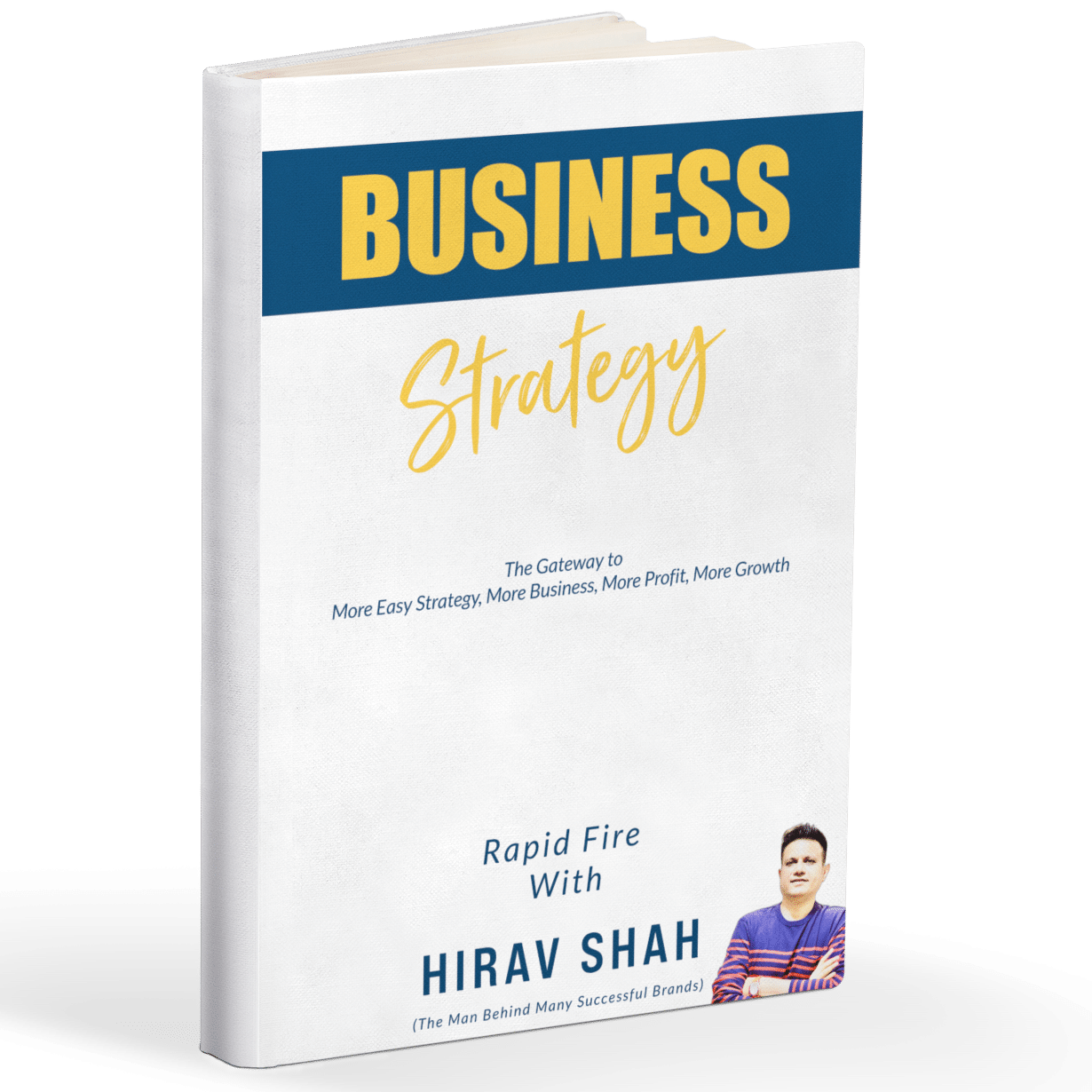
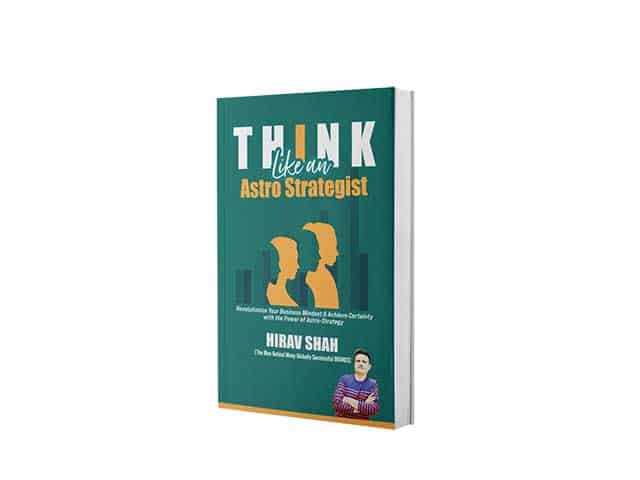
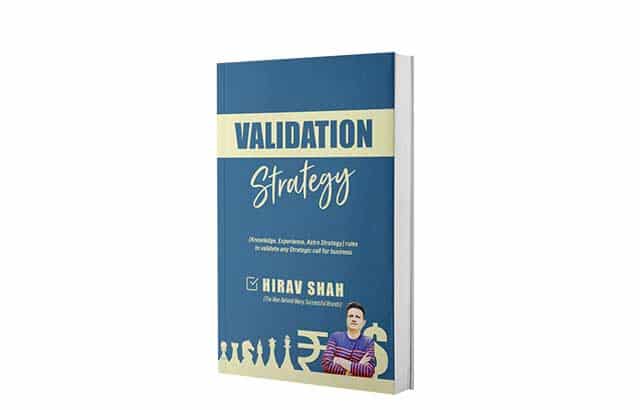
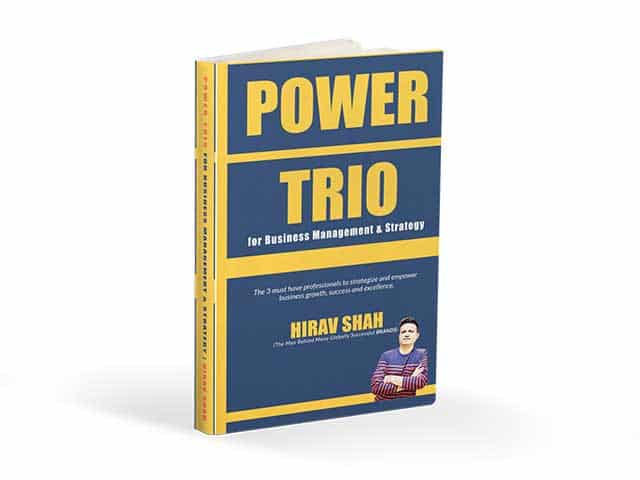
He is the founder of the world’s first Business Decision Validation Hub and The Rescue Hub, and the author of 25+ strategy books.
Through his 6+3+2 framework and Astro Strategy approach, Hirav Shah has guided entrepreneurs, startups, corporates, sports professionals, and entertainers to validate critical decisions, reduce risks, and achieve breakthrough results—especially during high-pressure and transformational phases.