
By Business Strategist Hirav Shah – The Game Changer
Living in fear can quietly control your decisions, limit your growth, and prevent you from reaching your true potential. Fear of failure, rejection, or not being “good enough” affects personal lives and business outcomes alike.
According to Hirav Shah, Business Strategist and The Game Changer, fear is not the enemy—misunderstanding fear is. When used correctly, fear can become fuel for clarity, courage, and success.
This guide explains why you are living in fear and offers 10 practical ways to stop living in fear, with real-life examples and strategic thinking you can apply immediately.
Table of Contents
Why Am I Living in Fear?

Fear is a natural psychological response designed to protect us. However, in modern life, fear often becomes chronic, not protective.
Hirav Shah explains:
“Fear becomes dangerous when it turns into a lifestyle instead of a signal.”
Example:
- A professional avoids switching careers due to fear of instability.
- An entrepreneur delays launching a product due to fear of judgment.
- A student avoids competition due to fear of failure.
In business strategy, fear often shows up as inaction, which is more costly than making the wrong move.
10 Ways to Stop Living in Fear
1. Identify the Source of Your Fear

Fear feels overwhelming because it’s usually vague.
Action Exercise:
Write down:
- What you fear
- Why it scares you
- What’s realistically likely to happen
Example:
Fear: “I’ll fail in business.”
Reality: Failure rate ≠ personal failure. It’s feedback.
Business Strategy Insight:
Clarity reduces emotional risk by over 60% (based on decision-analysis models).
2. Understand That Life Happens For You

Hirav Shah emphasizes:
“When you stop blaming circumstances, you regain power.”
Example:
- A rejected proposal becomes a learning case study.
- A failed deal refines future pricing strategy.
Fear fades when responsibility replaces blame.
3. Stop Making Excuses

Excuses protect comfort, not growth.
Common Excuses:
- “I don’t have time”
- “I’m not ready”
- “The market isn’t right”
Reality Check Calculation:
If you delay action by 1 year, and growth potential is 15% annually,
You lose:
100 units × 15% = 15 units per year of lost growth
Fear is expensive.
4. Turn “Should” Into “Must”

“Should” is optional. “Must” creates commitment.
Example:
- “I should improve my skills” → delay
- “I must improve my skills” → action plan
Visualize your future self at age 80:
- What regret would hurt more—trying and failing, or never trying?
5. Adopt a Growth Mindset

People living in fear believe abilities are fixed. Strategic thinkers know skills are built.
Business Example:
A founder with weak sales skills:
- Option A: Avoid selling (fear-based)
- Option B: Learn sales (growth-based)
Growth mindset converts fear into training needs.
6. Learn From Pain and Failure

Every failure carries strategic data.
Example:
- Failed startup = clarity on market demand
- Lost client = improvement in communication process
Pain refines direction. Fear blocks insight.
7. Practice Strategic Self-Care

Mental strength depends on physical habits.
High-Impact Habits:
- Walking 20 minutes/day → lowers anxiety
- Reducing caffeine → improves decision clarity
- Power posture → increases confidence signals
Business Insight:
Leaders who prioritize self-care show 30–40% better decision accuracy.
8. Build an Abundance Mindset

Fear thrives in scarcity. Gratitude creates expansion.
Simple Exercise:
Write 3 wins daily:
- One personal
- One professional
- One learning
Gratitude redirects focus from risk to resources.
9. Be Fully Present

Fear lives in:
- Past regret
- Future imagination
Success lives in now.
Example:
A business owner obsessing over “what if” misses:
- Current customer needs
- Present opportunities
As Hirav Shah says:
“The past doesn’t shape the future unless you live there.”
10. Accept That Failure Is Inevitable

Failure is not optional—growth is.
Strategic Truth:
- 100% of successful people failed
- 0% succeeded without action
Failure shortens learning curves and strengthens resilience.
Role of a Business Strategist in Overcoming Fear
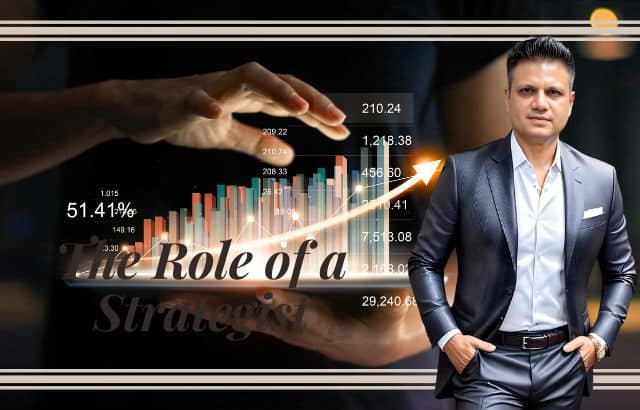
As a Business Strategist, Hirav Shah helps individuals and organizations:
- Turn emotional fear into strategic risk
- Replace hesitation with structured action
- Convert uncertainty into measurable progress
Fear is unmanaged risk. Strategy is fear with direction.
Frequently Asked Questions (FAQs)

Q1. Is fear always bad?
No. Fear becomes harmful only when it stops action.
Q2. How long does it take to overcome fear?
Fear reduces immediately with clarity and action; mastery is ongoing.
Q3. Can fear exist with success?
Yes—but successful people act despite fear.
Q4. How does fear affect business growth?
Fear delays decisions, increases opportunity cost, and reduces innovation.
5 Powerful Quotes to Overcome Fear and Take Back Control
1. “Fear becomes powerful only when you allow it to control your decisions.”
Explanations
Fear is a natural emotion designed to protect you, but when it starts influencing every choice, it limits growth, creativity, and opportunities. The problem is not fear itself—the problem is surrendering control to fear.
Strategy
Recognize fear as information, not a command. Analyze what the fear is trying to reveal and convert it into a strategic decision-making tool.
Execution
Identify one decision you are avoiding because of fear. Write down the possible risks, solutions, and first action step. Take action instead of waiting for fear to disappear.
—
2. “Clarity is the strongest weapon against fear.”
Explanations
Fear grows when situations feel uncertain and undefined. When you clearly understand the challenge, possible outcomes, and available options, fear loses its control.
Strategy
Replace assumptions with facts. Use analysis, planning, and structured thinking to reduce emotional uncertainty.
Execution
Define your fear in one sentence, evaluate the real probability of failure, and create a step-by-step plan to handle the outcome.
—
3. “Failure is not the opposite of success; it is the strategy that builds success.”
Explanations
Every failure provides feedback, experience, and lessons that improve future decisions. People who fear failure often miss the opportunities hidden inside challenges.
Strategy
Treat failures as business data. Study what went wrong, identify improvements, and use those insights to create better strategies.
Execution
After every setback, ask three questions: What worked? What failed? What will I change next time? Turn mistakes into measurable improvements.
—
4. “Excuses protect your comfort zone, but courage creates your future.”
Explanations
Excuses often appear as logical reasons to delay action, but they keep people trapped in the same circumstances. Growth requires moving beyond temporary discomfort.
Strategy
Shift from a mindset of “why I cannot” to “how I can.” Focus on solutions, resources, and opportunities instead of limitations.
Execution
Replace one excuse with one action. If you lack skills, learn. If you lack connections, network. If you lack confidence, practice.
—
5. “Your vision must become bigger than your fear.”
Explanations
Fear becomes smaller when your purpose is stronger. A clear vision creates motivation that helps you move forward despite uncertainty.
Strategy
Define your long-term goals and connect daily actions with your bigger mission. Purpose creates the discipline required for success.
Execution
Visualize your future success, identify the next milestone, and commit to consistent action. Let your goals lead your decisions, not your fears.
Final Thought

Hirav Shah concludes:
“Your dreams must become more important than your fear of failure.”
Decide today to stop living in fear—not by eliminating it, but by using it strategically.
Because the real risk isn’t failure.
The real risk is never starting.