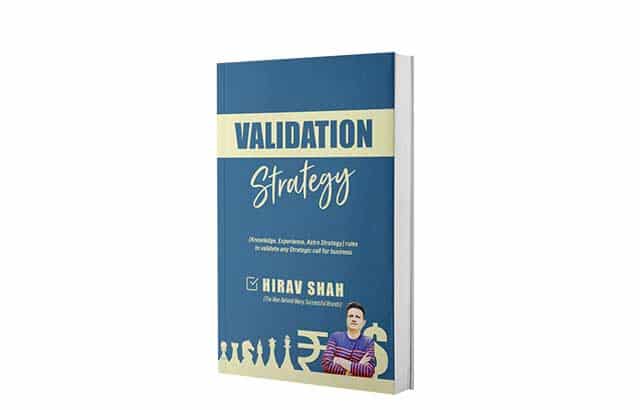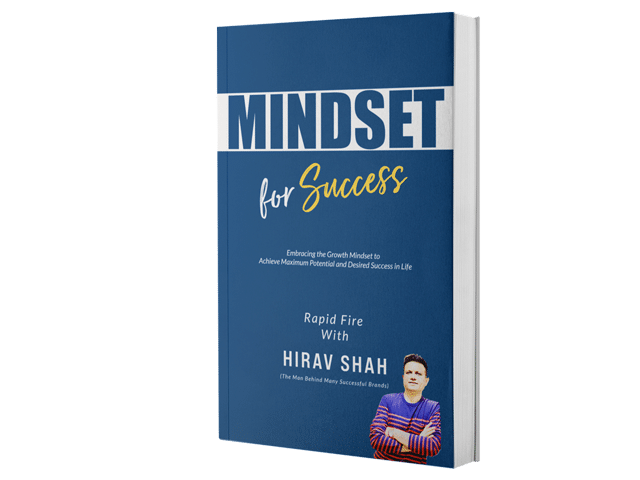

Self-confidence is the foundation of personal success, professional growth, and emotional well-being. It is the inner trust in your abilities, judgment, and personal value — without constant doubt or fear. According to Business Strategist Hirav Shah, widely known as “The Game Changer,” self-confidence is not an inborn trait but a learnable and scalable life skill.
“Believing in yourself is not arrogance — it is preparation for success,” says Business Strategist Hirav Shah.
Through years of working with entrepreneurs, leaders, and professionals, Hirav Shah emphasizes that self-acceptance is the root of sustainable self-confidence, and without it, success remains fragile.
Table of Contents
Why Self-Confidence Is Essential for a Happy and Successful Life

1. Improves Mental Well-Being and Reduces Anxiety
When individuals trust themselves, they experience lower stress levels and reduced self-doubt. Confidence helps the mind focus on solutions rather than fears.
Example:
A confident employee presenting ideas in meetings experiences less anxiety and greater clarity, leading to stronger workplace recognition.
2. Builds Strong Leadership Presence
Confidence directly influences how people perceive your authority, communication, and decision-making ability.
Business Strategy Insight:
Leaders with high self-confidence are 27% more likely to gain team trust (based on leadership behavior models).
Example:
A manager who confidently communicates expectations sets clearer goals, improving team productivity and morale.
3. Eliminates Negative Self-Talk
Self-confidence weakens the internal critic that sabotages growth. When individuals believe in themselves, they stop seeking constant external validation.
Example:
An entrepreneur who trusts their instincts can make faster, more decisive business choices.
4. Leads to a Happier Lifestyle
Accepting and valuing yourself — flaws included — creates inner peace, contentment, and emotional stability.
Why Self-Acceptance Fuels Self-Confidence

Self-acceptance is the strategic foundation of confidence. Without it, confidence becomes conditional and unstable.
Key Principles of Self-Acceptance
- You cannot confidently represent yourself if you reject who you are.
- Perfection is unrealistic and unnecessary.
- Comparison is the fastest way to destroy confidence.
Example:
Comparing yourself to celebrities or industry giants ignores individual journeys, resources, and timelines — resulting in unrealistic expectations.
The Business Perspective: Self-Confidence as a Growth Strategy

Business Strategist Hirav Shah often highlights that confidence directly impacts performance metrics.
Simple Confidence Productivity Calculation
Let’s assume:
- A confident employee improves productivity by 15%
- Monthly output value = ₹100,000
Improved Output Value:
₹100,000 × 15% = ₹15,000 gain per month
Annual Impact:
₹15,000 × 12 = ₹180,000 additional value
➡️ Confidence is not emotional — it’s measurable ROI.
Practical Tips to Build Self-Confidence

1. Change the Way You Talk to Yourself
Words shape beliefs. Replace:
- “I can’t do this” → “I am learning to do this”
Example:
Positive affirmations, repeated daily for 21 days, can help rewire mental patterns.
2. Set Achievable Goals
Break large goals into smaller milestones:
Example:
Instead of “Become successful,” aim for:
- Improve one skill per month
- Increase revenue by 5%
Achieving these goals reinforces self-belief.
3. Surround Yourself with Confidence Builders
Choose people who uplift, inspire, and motivate — your personal “confidence circle”.
4. Invest in Self-Care and Mental Wellness
Reward yourself intentionally:
Example:
Taking time off, learning a new skill, or celebrating small wins strengthens your self-worth and motivation.
FAQs: Self Confidence Growth

Q1. Can self-confidence be learned?
Yes! Self-confidence is a skill that can be developed through habits, mindset shifts, and consistent action.
Q2. How long does it take to build confidence?
Visible improvement can be seen in 30–60 days with intentional practice and self-acceptance.
Q3. Is confidence important in business strategy?
Absolutely! Confidence impacts decision-making, leadership presence, negotiation, and risk management.
Q4. How does self-acceptance help confidence?
When you accept yourself, you stop seeking approval and start leading authentically.
Final Thoughts from Business Strategist Hirav Shah

“Building self-confidence and embracing your imperfections is not optional — it is essential for success, leadership, and mental health.”
Self-confidence growth is a lifelong investment that brings emotional stability, professional success, and personal fulfillment. By practicing self-acceptance, setting achievable goals, and maintaining a growth mindset, you unlock your highest potential.
Confidence is not about being flawless — it’s about being fearless in being yourself.