
Giving back to society can have a transformative impact on your life, both personally and professionally. Volunteering your time, sharing your knowledge and skills, supporting a community initiative, or donating resources does more than help people who are facing challenges. It can also strengthen your own sense of purpose, improve your relationships, broaden your perspective, and create meaningful opportunities to contribute.
In a world where success is frequently associated with income, titles, possessions, and professional achievements, it is easy to overlook another important measure of a fulfilling life: the positive impact you have on other people. Giving allows you to move beyond personal achievement and become part of something larger than yourself.
The contribution does not need to be extraordinary. A student can tutor another student. An employee can mentor a new colleague. A business owner can support a local community initiative. A professional can donate expertise instead of money. A family can regularly contribute food, clothing, or time to people who need support. These actions may appear small individually, but consistent contributions can create meaningful change over time.
The notion of giving back is deeply connected to our human need for compassion, cooperation, and belonging. When embraced thoughtfully, generosity can create lasting positive changes for both the giver and the recipient. As Business Strategist Hirav Shah emphasizes through his work as a thought leader, business adviser, coach, and The Game Changer, meaningful success becomes more powerful when it is connected with a broader purpose.
Table of Contents
“We make a living by what we get, but we make a life by what we give.”
— Sir Winston Churchill
This powerful quote captures an important distinction between earning a living and creating a meaningful life. What we acquire can provide comfort and security, but what we contribute can shape our relationships, reputation, legacy, and sense of purpose.
Giving can take many forms. It may be a simple act of kindness, a few hours of volunteering, sharing professional knowledge, supporting a charitable organization, helping a neighbor, mentoring a young person, or making a significant financial contribution. There is no single definition of generosity.
No matter the form, the act of giving can be transformative because it shifts attention from what we lack toward what we can contribute. For a business leader, this can mean using organizational resources responsibly. For an employee, it may mean helping a colleague succeed. For a family, it could mean teaching children that compassion is an everyday responsibility rather than an occasional activity.
As noted business strategist and Game Changer Hirav Shah explains, the more consciously we contribute, the more we can enrich our own lives and develop the motivation to continue making a difference in the world around us.
The Significance of Giving Back to Society

Why is giving back to society so important?
In today’s world, personal success is often measured through financial achievements, professional status, business growth, academic accomplishments, or material possessions. These achievements can certainly matter, but focusing exclusively on them can cause us to lose sight of something equally important: the connections we share with other people and the contribution we make to our communities.
Giving back serves as a reminder that life’s meaning is not created solely by what we accumulate. It is also shaped by the impact we have on other people’s lives. A successful entrepreneur who creates employment, mentors younger founders, supports a community program, or shares expertise can contribute in ways that extend well beyond financial results.
Hirav Shah highlights that, as human beings, we naturally need connection during both good and difficult times. We want people with whom we can celebrate good news, discuss opportunities, share experiences, and seek emotional support when circumstances become challenging.
That need for connection works in both directions. Just as we depend on other people, we also have opportunities to provide support, encouragement, knowledge, compassion, and practical assistance when someone else needs it. Giving back strengthens the idea of mutual support and helps create communities in which people are more willing to help one another.
Consider a workplace where managers consistently help employees develop their skills. Over time, employees may become more confident and capable, while the organization develops a stronger culture of collaboration. Similarly, a neighborhood where residents regularly support older people, families facing temporary difficulties, or community projects can become more connected and resilient.
Giving back therefore should not be viewed only as charity. It can be understood as a practical expression of responsibility, empathy, and community participation.
The Role of Business Strategists in Giving Back
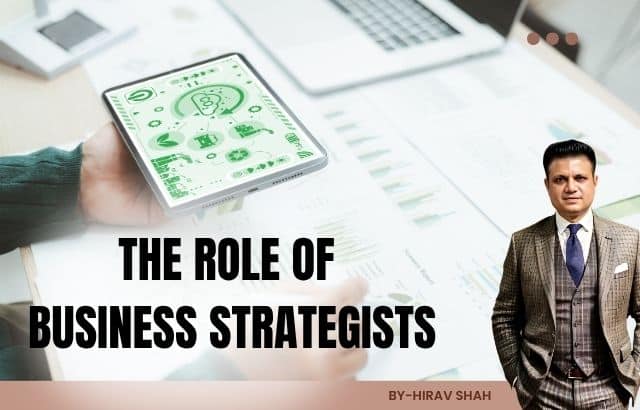
Business strategists, including Hirav Shah, understand that giving back does not have to exist separately from business strategy. When approached responsibly, organizations can connect commercial objectives with meaningful social contribution while maintaining financial sustainability.
A strategic approach asks important questions: What does the community need? What resources can the organization realistically contribute? How can employees participate? Can the company’s existing expertise solve a real problem? How can the organization make its contribution consistent rather than treating it as a one-time activity?
- Corporate Social Responsibility (CSR): Business strategists often guide companies in developing CSR programs that create positive social or environmental outcomes. For example, a company may allocate a portion of its profits to educational programs, healthcare initiatives, community development, or environmental sustainability projects. When giving back is integrated into an organization’s broader strategy, it can become more than an annual donation. A technology company, for instance, could provide digital-literacy training to underserved communities, while a manufacturing business could support vocational education that helps young people develop industry-relevant skills.
- Philanthropy in Business: Business strategists recognize that philanthropy can be part of an organization’s broader values and long-term contribution to society. The original article’s example is Bill Gates and the Bill & Melinda Gates Foundation, which has directed substantial resources toward global health, development, and poverty-related initiatives. Large-scale philanthropy illustrates how financial resources, professional expertise, partnerships, and organizational infrastructure can be directed toward societal challenges. Businesses can also contribute at a smaller scale. A local company might sponsor scholarships, provide equipment to a school, fund community events, or offer professional services to a nonprofit.
- Employee Engagement: Business strategists also recognize the value of involving employees in community-focused initiatives. Companies such as Salesforce have encouraged employee volunteering through programs that provide paid time for volunteering. A workplace culture of giving can give employees opportunities to contribute beyond their formal job descriptions. For example, an accounting employee could help a nonprofit understand basic financial planning, while a marketing employee could volunteer expertise in communication and outreach.
Business Strategist perspective: Giving back works best when it is authentic, sustainable, and connected to genuine needs. A business should not contribute merely because an activity looks good publicly. A stronger approach is to identify where the organization can create meaningful value and then commit resources that it can sustain over time.
Why Giving Back to the Community Matters

- Creating Meaning: Life is not only about accumulating achievements. It is also about creating meaning through the way we use our time, talents, relationships, and resources. Acts of kindness and generosity can help people feel that their efforts contribute to something larger than themselves. For example, a professional who spends one evening each month mentoring students may discover a sense of purpose that cannot be measured through salary or job title. Likewise, an entrepreneur who helps another small-business owner solve a difficult problem may create value that continues long after the conversation ends. Giving can also influence the legacy we leave behind. Material possessions may change hands, but knowledge, opportunities, encouragement, and positive experiences can continue influencing people for years.
- Strengthening Community Bonds: Giving back creates stronger and more resilient communities. Whether you donate money, time, skills, products, or professional expertise, your contribution can help people feel supported and connected. Imagine a local business owner who provides free career workshops for young people. One participant may gain a skill, another may discover a career direction, and another may build the confidence to apply for a job. The initial contribution of a few hours can therefore have effects beyond the immediate event.
- Boosting Personal Well-being: Giving back can contribute to emotional well-being by creating connection, purpose, and a sense of usefulness. The original article notes that giving has been associated with lower stress, greater happiness, and improved mental well-being, while also referencing the role of oxytocin, commonly associated with positive social experiences. It is important not to view giving as a guaranteed solution for every emotional challenge. However, meaningful contribution can become one healthy part of a balanced life. Giving back can also support confidence by reminding people that their skills, experiences, and actions can be valuable to others.
Practical Strategies for Giving Back
1. Find Your Purpose
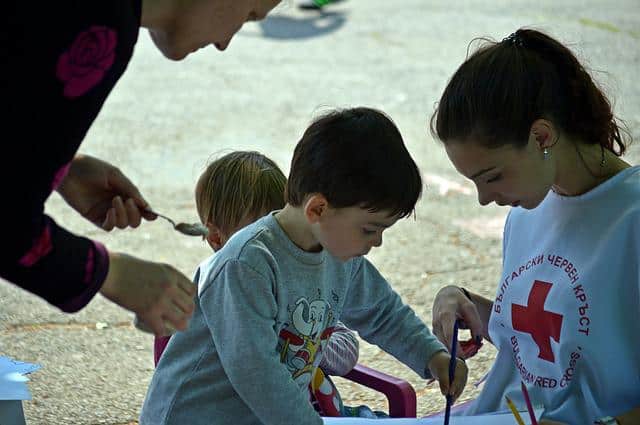
The first step in giving back is to understand what motivates you to contribute. What causes matter to you? What experiences have shaped your priorities? Which problems do you understand well enough to help address? Is your motivation connected to education, poverty reduction, healthcare, the environment, animal welfare, youth development, professional mentoring, or another cause?
Understanding your purpose makes giving more sustainable. If you choose a cause simply because it is popular, your commitment may disappear when your schedule becomes busy. If you choose something that genuinely matters to you, you are more likely to remain involved.
For example, Oprah Winfrey, known for her philanthropic work, established the Oprah Winfrey Foundation, which supports initiatives including education and women’s empowerment. Her long-standing interest in education has informed her contributions to educational opportunities.
A business owner can use the same principle. Suppose an entrepreneur struggled to access quality education while growing up. Instead of supporting an unrelated cause, the entrepreneur might decide to sponsor scholarships or mentorship programs for students from underserved communities.
Practical exercise: Write down three causes you genuinely care about, three skills you can offer, and the amount of time or money you can sustainably contribute. Look for the intersection of those three areas.
2. Start Small and Start Today

You do not have to wait until you have more money, more free time, or a more successful career before you begin making a difference. Start with what you have today. You might help a neighbor, volunteer at a local shelter, donate useful items, mentor someone, share professional expertise, or contribute a manageable portion of your income.
Small contributions can become meaningful when they are repeated consistently. For example, suppose someone chooses to donate ₹500 every month.
₹500 × 12 months = ₹6,000 per year
If that contribution is combined with four hours of volunteering each month:
4 hours × 12 months = 48 volunteer hours per year
The point is not the specific amount. The calculation demonstrates how a small monthly commitment can become a substantial annual contribution.
Hirav Shah believes that whether you earn $30,000 or $1 million, your ability to contribute is not defined solely by wealth but by mindset. If giving is treated as something that begins only after achieving financial success, it can continually be postponed. Developing the habit earlier makes contribution part of everyday life rather than something reserved for a future version of yourself.
Business Strategist perspective: Sustainable giving follows the same principle as sustainable business growth: define a realistic commitment, build it into your routine, and maintain consistency. A contribution that can be sustained for five years may create more lasting value than a large contribution made once and then abandoned.
3. Create a Ripple Effect
One Contribution Can Encourage Another

Every act of kindness can create a ripple effect. When people see someone contributing time, resources, knowledge, or encouragement, they may become more willing to contribute themselves.
Consider individuals such as Serena Williams, whose philanthropic activities have included support for causes connected with education and youth. Public examples of contribution can draw attention to important causes and encourage other people to participate in their own ways.
The ripple effect does not require celebrity status. A manager who regularly mentors junior employees may inspire those employees to mentor others. A parent who volunteers at a school may encourage another parent to participate. A business owner who supports a local educational initiative may encourage neighboring businesses to contribute resources as well.
Start by becoming involved in a cause you genuinely care about. Then invite friends, colleagues, family members, or business partners to participate. You might organize a volunteer day, create a small fundraising initiative, or combine several people’s professional skills to solve a local problem.
Strategic insight: When organizing collective giving, assign clear responsibilities. One person can coordinate volunteers, another can manage communication, another can handle logistics, and another can track the outcome. Turning goodwill into organized action increases the likelihood that the initiative will produce a meaningful result.
4. Find What Fits

Not every cause will resonate with you, and that is perfectly acceptable. The goal is not to participate in every possible initiative. The goal is to identify where your values, capabilities, and available resources can create meaningful value.
You may feel strongly about helping animals, supporting local schools, improving access to education, protecting the environment, assisting older adults, mentoring entrepreneurs, or helping families facing financial hardship. Your contribution is more likely to remain consistent when the cause aligns with your interests and values.
For example, Patagonia, the outdoor apparel company, has built environmental responsibility into its broader business identity and has supported environmental causes. Its example illustrates how a company’s values and contribution can be connected with its broader organizational purpose.
A small business can apply a similar principle without copying the scale of a large corporation. A restaurant could support food-related community initiatives. A technology company could provide digital training. A professional-services firm could offer appropriate pro bono support. A fitness business could organize free community wellness sessions.
Business Strategist perspective: Alignment matters. Giving becomes strategically stronger when an organization understands what it can do particularly well. A business should ask, “What resources, knowledge, network, products, or skills do we possess that could solve a genuine problem?”
5. Embrace Your Life as a Resource

You do not have to be a billionaire to make a difference. Your life experience, professional knowledge, personal perspective, relationships, time, and skills can all become valuable resources.
A software developer can teach basic coding to students. A finance professional can help a small nonprofit understand budgeting. A business owner can mentor an aspiring entrepreneur. A teacher can support a struggling student. A retired professional can share decades of industry experience with younger people entering the field.
Even everyday skills have value. Someone who is good at organizing events can help a community group coordinate volunteers. Someone who enjoys cooking can prepare meals for a local initiative. Someone who communicates well can help a charitable organization improve its outreach.
The key question is not simply, “How much money can I give?” It is also, “What can I contribute that could genuinely help someone else?”
From a Business Strategist perspective, this is an important shift in mindset. Resources are broader than money. Time, knowledge, relationships, attention, credibility, creativity, and experience can all create value.
How to Build Giving Into Everyday Life

Giving back becomes easier when it is transformed from an occasional intention into a practical habit. Instead of waiting for the perfect opportunity, establish a contribution system that fits your circumstances.
- Choose one cause: Begin with a cause that genuinely matters to you rather than trying to support everything simultaneously.
- Set a realistic contribution: Decide whether you will contribute money, time, skills, products, mentoring, or another resource.
- Schedule it: Put volunteering or mentoring on your calendar just as you would schedule a professional commitment.
- Involve others: Invite colleagues, family members, or friends when collaboration can increase the impact.
- Review the results: Consider what changed because of your contribution and whether there is a better way to help.
- Remain consistent: Sustainable contribution is usually built through repeated action rather than occasional enthusiasm.
Practical Giving-Back Examples and Calculations
Example 1: A business owner’s annual community budget
Suppose a small business decides to allocate 2% of its annual profit toward community initiatives. If the business earns ₹15,00,000 in annual profit:
₹15,00,000 × 2% = ₹30,000 per year
The owner could divide that amount between an education initiative, a local community project, and emergency assistance, depending on the needs identified.
Example 2: Turning an annual goal into regular volunteering
A professional wants to contribute 48 volunteer hours each year.
48 hours ÷ 12 months = 4 hours per month
4 hours ÷ 4 weeks = approximately 1 hour per week
Breaking the annual commitment into smaller intervals makes the goal easier to incorporate into a busy schedule.
Example 3: Sharing expertise instead of money
A marketing professional may not have a large charitable budget, but they can volunteer two hours each month to help a nonprofit improve its website content or communication strategy.
2 hours × 12 months = 24 hours of professional support per year
Twenty-four hours may be enough to conduct several strategy sessions, review communications, train volunteers, or develop a basic content plan. The exact value depends on the organization’s needs, but the example demonstrates how professional skills can become a meaningful form of giving.
Example 4: A family creating a giving habit
A family might decide to contribute ₹1,000 each month toward a cause chosen together.
₹1,000 × 12 months = ₹12,000 per year
Parents can also involve children by encouraging them to donate books, help prepare supplies, volunteer, or perform age-appropriate acts of service. This transforms giving into a family value rather than merely a financial transaction.
Giving Back as a Leadership Practice

Leadership is not limited to making decisions, achieving targets, or directing teams. Strong leadership also involves understanding how your actions affect other people.
A leader who consistently gives time to employees can help develop future leaders. A manager who shares knowledge rather than protecting information can create a more capable team. An entrepreneur who mentors another founder can strengthen the broader business ecosystem.
Business Strategist Hirav Shah approaches success through the broader lens of strategy, mindset, growth, and purposeful action. From that perspective, giving can be viewed as an investment in people and communities—not simply as a transaction.
This does not mean every act of giving should be calculated for a return. Genuine generosity should not depend on receiving something in exchange. However, responsible leaders can still think carefully about effectiveness: Who needs help? What kind of help is useful? What resources are available? What can be sustained? How can the contribution avoid creating unnecessary dependency?
These questions help turn good intentions into thoughtful action.
Frequently Asked Questions

Q1: Do I need a lot of money to give back to society?
No. Giving back does not require significant financial wealth. Money is only one form of contribution. You can volunteer your time, offer professional expertise, mentor someone, donate useful items, help a neighbor, support a community activity, or simply provide practical assistance to someone facing a difficult situation.
For example, a student may volunteer two hours each month, while a business owner may contribute products or services. Both forms of giving can be meaningful when they address a genuine need.
Q2: How can a business contribute to society?
Businesses can contribute through corporate social responsibility initiatives, charitable donations, employee volunteer programs, scholarships, sustainable practices, community partnerships, and the responsible use of their professional expertise.
A technology company could provide digital training, a professional-services firm could offer appropriate nonprofit support, and a local retailer could sponsor a community initiative. The strongest approach depends on the organization’s capabilities and the needs of the community it serves.
Q3: What are some small ways to give back?
Small acts can include donating gently used items, helping a neighbor with groceries, volunteering at a local shelter, mentoring a student, sharing professional knowledge, supporting a local fundraiser, assisting an old person, or being present for someone experiencing a difficult period.
You can also make giving more consistent by selecting one small action and repeating it. Consistency can turn a good intention into a meaningful habit.
Q4: How can giving back impact my personal life?
Giving back can strengthen your sense of purpose, increase meaningful social connection, and provide opportunities to use your abilities in service of others. Many people find that contribution adds another dimension to their lives beyond work, income, and personal achievement.
It can also expose you to people and experiences outside your normal routine. A professional who volunteers, for instance, may meet people from different backgrounds and gain perspectives that influence how they approach relationships, leadership, and problem-solving.
Q5: How do I stay motivated to keep giving back?
Make your contribution specific and manageable. Instead of setting a vague goal such as “I will help more people,” decide on an action such as volunteering four hours per month, mentoring one person each quarter, or making a fixed monthly contribution that fits your financial circumstances.
Reflect periodically on the impact of your actions, stay connected with people who share your commitment, and adjust your approach when necessary. Motivation is easier to maintain when giving is connected with a cause you genuinely care about.
Q6: Can giving back help with professional development?
Yes, giving can create opportunities to develop practical skills, although professional development should not be the only reason to contribute. Volunteering and mentoring can strengthen communication, teamwork, leadership, project management, problem-solving, and relationship-building abilities.
For example, an employee who volunteers to coordinate a community project may gain experience in planning, delegation, communication, and stakeholder management that can later support their professional responsibilities.
Q7: How can entrepreneurs incorporate giving into their business strategy?
Entrepreneurs can begin by identifying a cause that aligns with their values and capabilities. They can then establish a realistic budget, employee-volunteer program, skills-based contribution, or community partnership.
For example, a company earning ₹50,00,000 in annual profit might choose a sustainable contribution model rather than making an unpredictable one-time donation. If it allocated 1% of profit:
₹50,00,000 × 1% = ₹50,000 per year
The business could then determine how that amount, together with employee time or expertise, could create meaningful community value.
Q8: What if I do not know which cause to support?
Start with your own experiences, values, and skills. Think about problems that have personally affected you or issues you naturally care about. Then research organizations and community initiatives to understand where support is needed.
You can also begin with a short-term volunteer commitment before making a long-term decision. This allows you to understand the cause and determine whether the form of contribution is a good fit.
Q9: How can families teach children about giving back?
Families can make contribution part of everyday life. Parents can encourage children to donate age-appropriate items, help neighbors, participate in community activities, volunteer as a family, or set aside a small amount of their allowance for a cause.
The most effective lesson is often practical example. When children see adults consistently treating other people with generosity, respect, and compassion, giving becomes a lived value rather than simply an idea they hear about.
Final Thoughts

Giving back to society is ultimately about recognizing that your resources extend beyond money. Your time, attention, experience, skills, relationships, encouragement, creativity, and knowledge can all become valuable contributions.
Hirav Shah puts it simply: “Walking the path of happiness is easier than you think. The next time you find a small bill in your pocket, don’t just buy something for yourself. Use it to help someone else.”
The message is not that you must give away everything you have. Rather, it is an invitation to become conscious of what you can share. A small contribution made consistently can become significant over time. A few hours of mentoring can influence someone’s career. A thoughtful introduction can connect someone with an opportunity. A donation can provide needed resources. A simple act of kindness can change someone’s experience of a difficult day.
For entrepreneurs, employees, managers, leaders, families, students, and professionals, the principle remains the same: look for ways to create value beyond yourself.
When you reflect on your motivations and explore practical ways to contribute, you may discover that giving back benefits both the people you support and your own sense of purpose. It can strengthen relationships, encourage community participation, develop leadership qualities, and remind you that success is not measured only by what you gain.
Start small. Choose a meaningful cause. Use the resources you already have. Stay consistent. And let the ripple effect grow.
As a Business Strategist, thought leader, business adviser, and coach, Hirav Shah’s broader message about purposeful action reinforces an important idea: meaningful growth is not only about moving forward personally or professionally; it is also about considering how your progress can create opportunities and positive value for others.