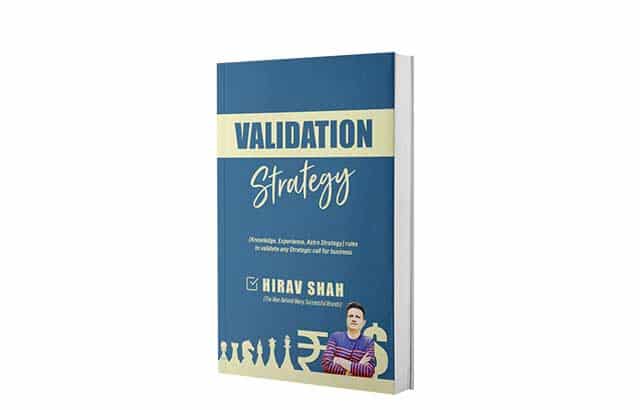
In an era marked by unprecedented challenges and rapid change, the ability to lead effectively in difficult conditions has never been more crucial. The best leaders are distinguished not just by their ability to manage day-to-day operations but by their resilience, adaptability, and strategic foresight in times of uncertainty. Embracing discomfort, seeking new experiences, and continuously evolving are key traits that define exceptional leadership. This guide, inspired by the insights of Astro-Strategist Hirav Shah, explores practical strategies for becoming the best leader in challenging conditions, helping you transform obstacles into opportunities and steer your team to success amidst adversity.
The years 2020 and 2021 were profound tests of our resilience, revealing how we handle challenges, leverage opportunities, and navigate threats. On that note, Astro-Strategist Hirav Shah, renowned for his work with successful global brands, offers invaluable advice on becoming a winner and the best leader, even in the most difficult situations.
Table of Contents
Best leader in challenging conditions – Tips from Hirav Shah

1. Succeed in New Territory: Embrace Discomfort

Stepping into new territory often involves facing unfamiliar risks and challenges. Although seeking comfort is a natural instinct, embracing discomfort can be pivotal for growth. Here’s how you can adopt this mindset:
a. Modify Your Routine
Firstly, making small adjustments to your daily habits can significantly boost your adaptability. For example, if you typically drive to work, consider taking public transportation or biking. This change disrupts your routine, which can enhance your openness to unexpected situations. Similarly, trying different foods for breakfast or lunch can broaden your comfort zone.
b. Meet New People
Secondly, expanding your network by meeting new people can offer fresh perspectives. For instance, if you usually attend industry-specific events, try participating in local community gatherings or international conferences in different fields. Engaging with diverse individuals can introduce you to innovative ideas and approaches.
c. Learn New Skills
Lastly, acquiring new skills can enhance your ability to adapt. For example, if your expertise lies in marketing, consider learning data analytics or coding. This new skill set not only broadens your knowledge but also helps you approach problems from various angles, making you more versatile in addressing challenges.
2. Hone Your Leadership in Uneven Territories

Testing your leadership in varied environments can reveal how adaptable and effective you are. Here’s how to put this into practice:
a. Join a New Professional Group
For instance, if you’re a CEO with a strong background in tech startups, joining a non-profit board or a local business improvement organization can challenge you to apply your skills in new contexts. This exposure helps you understand your leadership strengths and areas for improvement.
b. Volunteer for a New Role
Alternatively, if you’re a manager in a large corporation, volunteering to lead a cross-departmental project or a team focused on a social cause can test your leadership skills in different settings. This role will reveal new challenges and dynamics that enhance your adaptability.
c. Facilitate Workshops
Additionally, organizing and leading workshops outside your usual expertise can refine your leadership skills. For example, if you’re a finance expert, hosting a workshop on strategic planning for startups allows you to apply your knowledge in a new context, improving your leadership effectiveness.
3. Try Switching Places with Others

Switching roles can provide valuable insights and help you step out of your comfort zone:
a. Job Shadowing
One approach is to job-shadow a junior employee in a different department. For example, if your role primarily involves high-level strategy, spending a week with the customer service team can reveal new challenges and opportunities, fostering greater empathy within your organization.
b. Temporary Role Swap
Another effective method is arranging a temporary role swap with a manager or team leader in a different department. If you usually handle marketing, swapping roles with someone in operations can provide a fresh perspective and highlight areas for improvement.
c. Cross-Functional Projects
Finally, leading a cross-functional project that involves multiple departments can enhance your understanding of various operational needs. For instance, if your expertise is in finance, spearheading a project involving marketing, sales, and product development can broaden your insights and improve your leadership skills.
4. Don’t Avoid Disputes and Disagreements

Addressing conflicts directly is crucial for effective leadership. Here’s how to manage disputes proactively:
a. Hold Regular Check-Ins
Firstly, schedule regular one-on-one meetings with team members to discuss emerging issues or concerns. For instance, addressing tension between team members early on through open discussions can prevent conflicts from escalating.
b. Facilitate Conflict Resolution Workshops
Secondly, organizing workshops focused on conflict resolution skills can be highly beneficial. Inviting an expert to train your team in effective communication and negotiation strategies equips everyone to handle disputes more efficiently.
c. Lead by Example
Finally, model constructive conflict resolution during disagreements. If a conflict arises in a meeting, demonstrate how to address it respectfully and find solutions. Your approach will set a positive example for the team in handling conflicts.
Hirav Shah’s Insights: FAQs on Best leader in challenging conditions

Q1: How can modifying my routine help in leadership?
A1: Modifying your routine, such as changing your travel method or trying new foods, helps you adapt to discomfort. This practice can make you more resilient and open to handling new and unforeseen challenges effectively.
Q2: Why is meeting new people important for leaders?
A2: Meeting new people introduces you to diverse perspectives and ideas. Engaging with individuals from different backgrounds can inspire innovation and provide fresh solutions to challenges you may face as a leader.
Q3: What are the benefits of learning new skills for leadership?
A3: Learning new skills, like data analytics or coding, broadens your expertise and enhances your problem-solving capabilities. It helps you approach challenges from different angles and adapt to evolving business environments.
Q4: How can role-swapping improve my leadership skills?
A4: Role-swapping allows you to experience different aspects of your organization, gaining insights into various challenges and strengths. This experience fosters empathy and a more comprehensive understanding of your team’s needs.
Q5: What should I do if I encounter a dispute within my team?
A5: Address disputes promptly and constructively. Hold regular check-ins to discuss potential issues, facilitate conflict resolution workshops, and lead by example to demonstrate effective ways to handle disagreements.
Final Thoughts -Best leader in challenging conditions

Great leadership involves inspiring others and overcoming numerous challenges. Each obstacle is an opportunity to learn, grow, and enhance your emotional intelligence. By embracing discomfort and stepping out of your comfort zone, you pave the way to becoming a super-effective leader, as Hirav Shah concludes.