
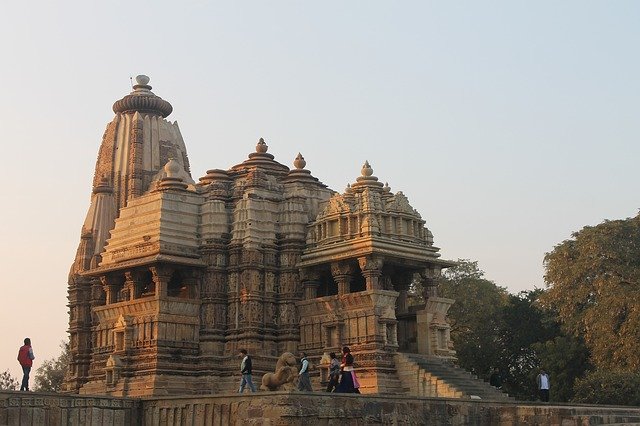
Having a rich history and cultural significance, India is the place for some ancient and magnificent temples. The beautification and devotional vibes make some places even more beautiful and make them as the serene places of worship, says reputed business strategist Hirav Shah
Out of numerous divine worship places across India, Hirav Shah filters a few must-visit temples for the readers.
Table of Contents
1. Tirumala Tirupati Balaji temple

Nikhil B/Wikimedia Commons, CC BY-SA 4.0, via Wikimedia Commons
Fondly known as Venkateshwara Temple, the temple is located on a hill-top and is dedicated to Lord Balaji. The main temple is surrounded by seven hills and the mesmerizing infrastructure at the place will give the devotees an amazing divine experience.
Located in Andhra Pradesh, the temple is often termed as the richest Hindu temple in the world.
2. Maa Vaishno Devi Temple

Anirudh Singh Chauhan, CC BY-SA 4.0, via Wikimedia Commons
Located in the foothills of the mighty Himalayas, Vaishno Devi Temple is known for its architectural and cultural values. Area wise, the temple comes under Jammu and Kashmir and is the most prominent one among other Hindu temples in India.
As the temple is located on the hill-top, to reach the place a 12 km trekking is required. Most of the devotees use horse riding and helicopter to get to the top.
3. Badrinath Temple

Anubha khare, CC BY-SA 4.0, via Wikimedia Commons
Surrounded by Garhwal Hills, Badrinath temple is located in Badrinath town, Uttarakhand. It is one of the listed temples in Char dhams and dedicated to Lord Vishnu.
The stone fascia and shimmering gilded roof finishing of the temple make it a unique one among other temples in India.
Highly popular Mata Murti Ka Mela is being celebrated in the Badrinath temple in a lavish manner.
4. Somnath Temple

Narendralohiya, CC BY-SA 4.0, via Wikimedia Commons
Known as one of the ancient temples in India, Somnath Temple is located at Saurashtra, Gujarat. Even historians are unable to trace the exact time period and how long ago the temple was built.
History says that the temple was destroyed and rebuilt a couple of times and the last time has happened was in 1951, says Hirav Shah.
5. Dwarkadheesh Temple

Scalebelow, CC BY-SA 3.0 <https://creativecommons.org/licenses/by-sa/3.0>, via Wikimedia Commons
Located in Dwarka, the temple is one of the char dhams. This ancient temple has a history of over 2000 years.
The temple was a symbol of identification for Lord Krishna and is a five-storey building built on seventy-two pillars.
History remains the temple as the mythical palace of Lord Krishna.
6. Kashi Vishwanath Temple

AKS.9955, CC BY-SA 4.0, via Wikimedia Commons
Located on the banks of river Ganga, Kashi Vishwanath temple is located at Varanasi town in Uttar Pradesh.
The iconic temple is dedicated to Lord Shiva and is located next to the Dashashwamedh Ghat where the highly popular Ganga Aarti takes place every evening.
The temple and Varanasi town are one of the most attractive places to visit in India.
7. Virupaksha Temple

Gangaraju10888, CC BY-SA 4.0, via Wikimedia Commons
This oldest temple got a place in UNESCO’s list. Virupaksha Temple is located in the temple town Hampi in Karnataka.
Virupaksha Temple is dedicated to Lord Virupaksha, another avatar of Lord Shiva and was built in the seventh century.
The significant element of the temple is that its gopuram is approximately 165 feet in height. The ancient temple is proof of rich heritage and traditional legacy.
8. Jagannath Temple

Gsuruchi06, CC BY-SA 4.0 <https://creativecommons.org/licenses/by-sa/4.0>, via Wikimedia Commons
Dedicated to Lord Vishnu, Puri Jagannath temple is located in Odisha and was built in the 12th century. The temple has spectacular architectural design and is one of the char dhams of the Hindu religion.
The rath yatra being hosted every year in the temple has a nationwide recognition.
The Spiritual Energy of Ancient Temples
1. Kailasa Temple, Ellora (Maharashtra)
The Kailasa Temple, carved entirely from a single monolithic rock, is a masterpiece of engineering and spirituality. Stepping into this serene space, one can instantly feel a sense of calm and quiet strength. The atmosphere here is charged with positive energy, making it an ideal spot to refresh your mind. Many visitors report feeling spiritually uplifted and invigorated by the peaceful surroundings.
Energy Benefits:
- The vastness and solitude allow for deep reflection.
- The stone’s natural vibrations enhance mental clarity.
- The awe-inspiring architecture helps in grounding energy and creating a meditative state.
2. Brihadeeswarar Temple, Thanjavur (Tamil Nadu)
This grand temple is not just an architectural marvel but also a potent energy center. The energy within the temple is felt through the gigantic structure, sacred spaces, and detailed sculptures. It has long been known to refresh those who visit, offering a deep sense of connection with the divine.
Energy Benefits:
- The grand surroundings encourage a feeling of awe and humility, allowing you to reconnect with yourself.
- The temple’s acoustics and the surrounding environment create a peaceful energy that revitalizes both physically and mentally.
3. Somnath Temple, Prabhas Patan (Gujarat)
The Somnath Temple is famous for being one of the most significant Jyotirlingas of Lord Shiva. Situated on the coastline, it carries the power of both the divine and the elements. The sound of the waves crashing against the shore, combined with the spiritual vibrations from the temple, creates an energy field that rejuvenates the mind and body.
Energy Benefits:
- The proximity to the ocean enhances the temple’s energy with the power of water, known for its cleansing and refreshing properties.
- Visitors often experience emotional release, refreshing their inner selves.
4. Vishwanath Temple, Varanasi (Uttar Pradesh)
Varanasi, known as the spiritual capital of India, is home to the Vishwanath Temple. The energy here is unparalleled, with the sacred Ganges flowing nearby, infusing the surroundings with a purifying energy. Many pilgrims believe that a visit here can not only refresh the body but also cleanse the soul.
Energy Benefits:
- The temple’s location on the banks of the Ganges creates a divine and tranquil atmosphere.
- The energy of devotion from the thousands of pilgrims adds to the positive energy in the temple.
5. Konark Sun Temple (Odisha)
Dedicated to the Sun God, the Konark Sun Temple is one of India’s most energetic sites. The temple’s structure, built in the shape of a chariot with twelve wheels, symbolizes the passage of time and the cycles of life. The vibrant energy at this site can refresh and energize anyone who steps into its sacred space.
Energy Benefits:
- The temple’s alignment with the sun creates an energetic connection to cosmic forces, enhancing vitality and energy levels.
- The temple’s history and grandeur inspire mental clarity and uplift the spirit.
6. Jagannath Temple, Puri (Odisha)
The Jagannath Temple is one of the Char Dham pilgrimage sites, and the energy here is both divine and grounding. The annual Rath Yatra (Chariot Festival) attracts millions of devotees, creating an environment full of positive energy. The vibrant atmosphere can refresh and reinvigorate your spiritual energy.
Energy Benefits:
- The chariot procession generates a powerful, collective energy that is both refreshing and inspiring.
- The temple’s sacred presence can renew your sense of devotion and purpose.
7. Meenakshi Temple, Madurai (Tamil Nadu)
The Meenakshi Temple is not only an architectural wonder but also a powerhouse of energy. The temple’s intricately carved towers, or gopurams, are designed to channel spiritual energy, making it a rejuvenating place for visitors. The sheer devotion and vibrancy of the temple’s atmosphere refreshes and recharges one’s inner energy.
Energy Benefits:
- The colorful and vibrant sculptures can stimulate mental energy, clearing blockages and enhancing focus.
- The spiritual energy from rituals and ceremonies revives one’s connection to the divine.
8. Ramanathaswamy Temple, Rameswaram (Tamil Nadu)
Rameswaram is one of the most sacred places in India, with the Ramanathaswamy Temple playing a central role. The temple’s sacred waters and long corridors are known to have a calming and healing energy. Visitors experience a sense of rejuvenation as they walk through the temple, connecting to its divine energy.
Energy Benefits:
- The ritual bathing in the temple’s sacred wells is believed to purify the body and refresh the spirit.
- The serene environment contributes to mental clarity and emotional healing.
How Hindu Temples Recharge and Refresh You
- Vibrations and Sacred Sound
Many Hindu temples are designed to amplify sacred sounds, whether through bell rings, chanting, or conch shell blowing. These sounds have been scientifically shown to influence the brain, lower stress levels, and improve focus, providing an energy boost. - Sacred Geometry and Architecture
The precise planning and architecture of these temples, often based on principles of Vastu Shastra (ancient Indian architecture), are believed to harness cosmic energy. The alignment of temples with natural elements such as water, earth, fire, and air enhances the energy flow within the space. - Meditation and Prayer
The atmosphere in these temples encourages mindfulness, prayer, and meditation. The mental focus needed for these practices helps reduce anxiety and improve emotional well-being. Engaging in prayer or silent contemplation can instantly boost energy levels and refresh the mind. - Healing through Nature
Temples like Somnath and Konark, located near water bodies, are especially effective in rejuvenating energy through the calming influence of nature. The combination of temple architecture and the surrounding environment creates a healing effect that refreshes both physically and spiritually.
Refresh Yourself Through Temple Visits
Visiting ancient and cultural Hindu temples offers more than just a religious experience. The energy within these sacred spaces has a profound effect on your well-being. Whether you’re seeking spiritual growth, emotional healing, or simply a way to refresh your energy, these temples provide the perfect sanctuary. So, the next time you feel drained or disconnected, consider visiting one of these ancient temples and allow the divine energy to restore your balance and vitality.
India, with its deep spiritual and cultural roots, is home to some of the most ancient and awe-inspiring Hindu temples. These temples not only hold religious significance but also reflect the rich history, architectural splendor, and artistic achievements of their time. Let’s explore eight such temples that have stood the test of time and continue to inspire millions of devotees from across the world.
1. Kailasa Temple, Ellora (Maharashtra)
The Kailasa Temple, located in Ellora Caves, Maharashtra, is one of the largest monolithic rock-cut temples in India. Dating back to the 8th century, it was carved out of a single rock by the Rashtrakuta dynasty. The temple is dedicated to Lord Shiva and showcases impressive architectural craftsmanship. The entire structure is carved from top to bottom, a marvel that continues to baffle historians and engineers alike.
Strategist Role: The mastermind behind this creation was the architect and strategist who envisioned a temple carved directly from a single stone, symbolizing divine harmony.
Example: The intricate sculptures inside the temple, depicting scenes from Hindu mythology, highlight the fine artistic skills of that era.
2. Brihadeeswarar Temple, Thanjavur (Tamil Nadu)
Built in the 11th century by the Chola emperor Raja Raja Chola I, the Brihadeeswarar Temple is a UNESCO World Heritage site and a prime example of Dravidian architecture. The temple is dedicated to Lord Shiva and features the world’s largest dome made of granite. The temple’s massive Nandi (bull statue) is carved from a single stone and stands as a testimony to the engineering genius of ancient India.
Strategist Role: The Chola dynasty’s strategic focus on promoting religion and architecture played a crucial role in building such an enduring monument.
Example: The use of granite in the temple’s construction, a rare material in the region, demonstrates the temple’s architectural innovation.
3. Somnath Temple, Prabhas Patan (Gujarat)
Located in the coastal town of Prabhas Patan in Gujarat, the Somnath Temple is considered one of the twelve Jyotirlingas of Lord Shiva. The temple’s history is rich with invasions and reconstructions, but it remains an important pilgrimage site. The temple has been rebuilt several times, most notably by Sardar Vallabhbhai Patel in the 20th century after it was destroyed by invaders.
Strategist Role: The resilience shown by the Indian rulers in rebuilding this temple after repeated invasions showcases the strategic importance placed on preserving cultural heritage.
Example: The current temple, which blends traditional and modern architectural styles, is a symbol of India’s indomitable spirit.
4. Vishwanath Temple, Varanasi (Uttar Pradesh)
Situated in one of the oldest living cities in the world, Varanasi, the Vishwanath Temple is dedicated to Lord Shiva. Its location near the Ganges River makes it one of the most revered spiritual sites. The temple has undergone several reconstructions, the most famous being during the reign of Maharani Ahalya Bai Holkar in the 18th century.
Strategist Role: The temple’s strategic placement near the Ganges reflects the ancient Indian understanding of sacred geography, connecting the physical with the divine.
Example: The golden spire (Shikhara) of the temple, covered with real gold, was added in the 18th century, symbolizing the temple’s grandeur.
5. Konark Sun Temple (Odisha)
The Konark Sun Temple, built in the 13th century by King Narasimhadeva I of the Eastern Ganga dynasty, is dedicated to the Sun God. The temple is designed in the shape of a massive chariot with twelve wheels and seven horses, symbolizing the Sun’s journey across the sky. It is also a UNESCO World Heritage site and an architectural marvel of India.
Strategist Role: The temple’s design reflects the ancient strategists’ understanding of astronomy and the alignment of temples with celestial bodies.
Example: The temple’s chariot wheels are intricately carved and serve as a calendar, marking the passage of time.
6. Jagannath Temple, Puri (Odisha)
The Jagannath Temple in Puri is one of the Char Dham pilgrimage sites and is famous for the Rath Yatra (Chariot Festival). The temple is dedicated to Lord Jagannath (a form of Lord Krishna) along with his siblings, Balabhadra and Subhadra. The temple’s construction dates back to the 12th century and is a blend of Kalinga architecture.
Strategist Role: The temple’s strategy was not only to serve as a religious site but to also create a community around the temple, evident in the grand festivals held throughout the year.
Example: The chariot procession of the Rath Yatra, which attracts millions of devotees, shows the cultural significance of the temple.
7. Meenakshi Temple, Madurai (Tamil Nadu)
The Meenakshi Temple is dedicated to Goddess Meenakshi (a form of Parvati) and Lord Sundareswarar (a form of Shiva). The temple, dating back to the 6th century and expanded during the 17th century, is known for its towering gopurams (gateway towers) decorated with colorful sculptures. It is a significant architectural and cultural landmark in Tamil Nadu.
Strategist Role: The temple’s strategic location near the river Vaigai highlights its importance in the region’s socio-political and cultural life.
Example: The annual Meenakshi Thirukalyanam festival, showcasing the temple’s rich cultural heritage, attracts pilgrims from around the world.
8. Ramanathaswamy Temple, Rameswaram (Tamil Nadu)
The Ramanathaswamy Temple in Rameswaram is dedicated to Lord Shiva and is one of the twelve Jyotirlingas. The temple is famous for its long corridors, one of the longest in the world, and its sacred wells, which are said to have been created by Lord Rama. It is an important pilgrimage site for Hindus.
Strategist Role: The strategic location of the temple on an island made it an essential part of the maritime trade routes and a symbol of both spiritual and economic significance.
Example: The temple’s holy waters, where pilgrims take ritual baths, symbolize purification, which is integral to the spiritual experience.
FAQs about Ancient Hindu Temples in India
1. What makes Hindu temples in India special?
Hindu temples in India are significant not only for their religious value but also for their architectural brilliance and historical importance. Many of them are built using advanced engineering techniques, intricate sculptures, and sacred geography, which reflects India’s rich cultural heritage.
2. Why are some Hindu temples built with large structures and sculptures?
The grand structures and sculptures symbolize the divine and the power of gods. They also serve as a way to connect the material world with the spiritual realm, with every detail meticulously crafted to reflect divine principles.
3. How do ancient Hindu temples impact modern-day India?
Ancient Hindu temples continue to be sites of pilgrimage and spiritual learning. They also serve as cultural landmarks, preserving the architectural and artistic traditions of ancient India while attracting millions of visitors each year, thus contributing to the local economy.
4. Are there any other famous temples in India?
Yes, India is home to many famous temples, including the Akshardham Temple in Delhi, the Golden Temple in Amritsar, and the Lingaraj Temple in Bhubaneswar, which also hold significant cultural, religious, and historical value.
Conclusion

Among numerous Hindu temples across the country, the shortlisted temples have a rich and ancient history added with great cultural and architectural designs, says Astro and business strategist Hirav Shah.