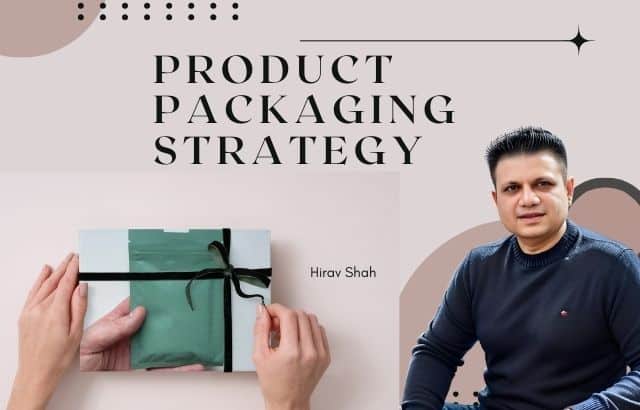
In the competitive world of business, standing out in the market is essential for long-term growth and success. One often overlooked yet powerful tool that can help your business thrive is product packaging. It’s not just about protecting your product; it’s about how you present your brand to the world, engage customers, and influence their purchasing decisions. This is where the insights of a strategic business thinker like Hirav Shah, a renowned Game Changer in the field of business strategy, can make all the difference.
Let’s explore how you can use product packaging as a strategic tool to elevate your business.
Table of Contents
Why Product Packaging Matters
In an age where consumers are flooded with choices, your product’s packaging is often the first point of contact with potential customers. It’s an opportunity to communicate your brand’s identity, values, and promise in a single glance. Effective packaging doesn’t just attract attention; it can influence buying decisions, create brand loyalty, and even command premium pricing.
1. First Impressions Count: Create a Memorable Visual Impact

Packaging is the first thing consumers notice when they interact with your product, so it’s crucial to make it count. Research shows that around 72% of consumers say that packaging design influences their purchasing decision. When done right, it communicates the quality and professionalism of your brand.
Example: Think about how Apple uses minimalist and sleek packaging for its products. The unboxing experience itself is a part of the product experience. It not only reflects the brand’s sophisticated image but also reinforces the perception of premium quality.
2. Brand Recognition: Consistent Visual Identity
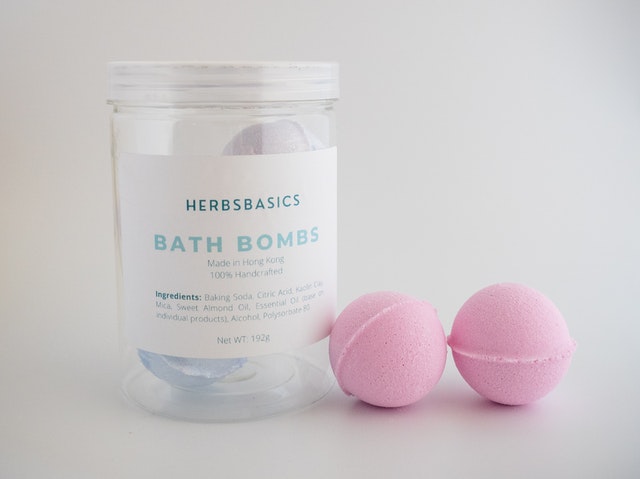
When your packaging is consistent and recognizable, it helps in building strong brand recognition. Consumers are more likely to pick your product again if they recognize it easily on the shelf.
Example: Coca-Cola’s iconic red and white packaging is instantly recognizable. It’s not just a drink; it’s an experience wrapped in those familiar colors and font. This consistency builds trust and encourages repeat business.
3. Packaging as a Storyteller: Add Personality to Your Brand
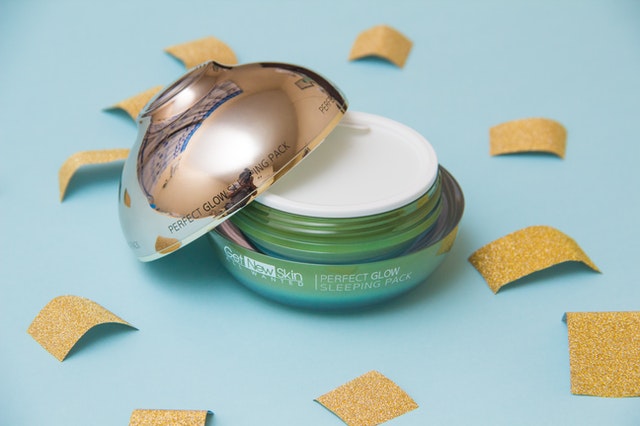
A powerful packaging design does more than just look good. It tells the story of your brand, creating an emotional connection with customers. This emotional connection can translate into customer loyalty and advocacy.
Example: The skincare brand Lush uses colorful, bold, and quirky packaging that reflects its eco-friendly and handmade ethos. The packaging isn’t just a container; it’s a part of the brand experience, making customers feel like they are part of something special.
How a Business Strategist Can Enhance Packaging Strategy
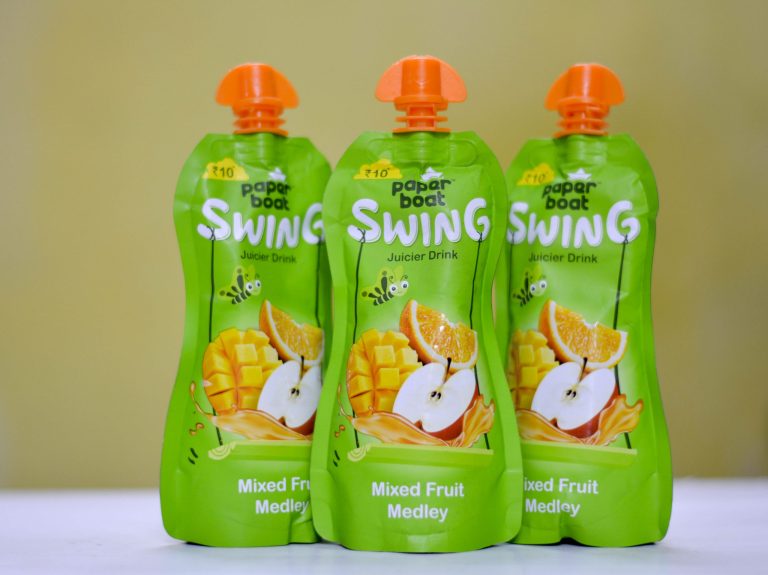
A business strategist, like Hirav Shah, is instrumental in guiding brands through packaging decisions that align with overall business goals. Their role goes beyond design; they use strategic thinking to ensure packaging reflects the brand’s identity, engages the target audience, and maximizes profitability.
Here’s how a Game Changer like Hirav Shah would approach the task:
1. Understanding the Market and Consumer Needs
Hirav Shah’s deep market insights help businesses understand consumer psychology and behavior, enabling them to create packaging that speaks directly to their target audience.
Example: When launching a new energy drink, Shah might analyze consumer preferences for eco-friendly packaging. He would recommend using biodegradable materials and bold, eye-catching graphics to appeal to environmentally conscious millennials.
2. Ensuring Alignment with Brand Vision
Effective packaging should resonate with your brand’s mission. Hirav Shah ensures that the packaging design complements the brand’s tone, message, and identity, ensuring that every interaction with the customer strengthens brand equity.
Example: If a brand positions itself as a luxury product, like high-end watches or designer perfume, Shah might advise using packaging materials such as velvet boxes, metallic finishes, or embossed logos to enhance the perception of exclusivity and sophistication.
3. Cost-Effective and Scalable Solutions
A business strategist is also concerned with the bottom line. Hirav Shah would guide a brand to choose packaging that’s not only visually appealing but also cost-effective and scalable as the business grows. Packaging that’s too expensive can eat into margins, while poorly designed packaging may not build the right brand image.
Example: For a growing e-commerce brand, Shah could recommend lightweight yet protective packaging, such as custom-printed cardboard boxes that are cost-effective but still offer a premium feel. This ensures scalability without compromising on customer experience.
How Product Packaging Affects Sales: A Quick Calculation
Let’s consider the impact of packaging on sales. Assume that a product priced at $50 has 20% profit margins. Now, let’s
 say a new packaging design costs $5 per unit to produce.
- Without New Packaging:
- Price: $50
- Profit margin: 20% → Profit = $50 * 20% = $10
- Total Profit per 1000 units = 1000 * $10 = $10,000
- With New Packaging (assuming $5 per unit cost increase):
- New Price (after packaging): $55
- New Profit Margin (adjusted for cost):
- New Profit = ($55 – $5) * 20% = $10
- Total Profit per 1000 units = 1000 * $10 = $10,000
In this case, despite the additional packaging cost, the improved design may lead to better consumer perception, higher sales, and potentially higher average order values, resulting in long-term profit growth.
Frequently Asked Questions

1. How can packaging influence brand loyalty?
Packaging plays a crucial role in creating a lasting impression. When packaging reflects your brand values and engages consumers emotionally, it helps in building loyalty. For example, consumers who resonate with a sustainable brand identity may become loyal customers if the packaging is eco-friendly.
2. What materials should I use for product packaging?
The choice of materials depends on the nature of your product and your brand’s positioning. For luxury items, high-quality materials like velvet or embossed paper might be ideal. For eco-conscious brands, recycled or biodegradable materials would align with their values. A strategist can help you find the right balance between cost, aesthetics, and functionality.
3. How do I balance aesthetics with practicality?
While aesthetics are important, practicality should never be sacrificed. Packaging should protect the product, be easy to transport, and ensure the product reaches the consumer in excellent condition. A Game Changer like Hirav Shah would ensure that design and practicality are balanced for maximum impact.
4. How do I determine the ROI of packaging design?
Tracking the ROI of packaging design can be challenging but rewarding. You can measure metrics like increased sales, repeat customers, and customer feedback on packaging. The ROI might not always be immediate, but over time, the strategic investment will pay off through higher customer retention and better brand recognition.
Final Thoughts

Packaging is a powerful tool that goes far beyond its functional role. With the right strategy, your packaging can become an essential element in your branding, marketing, and overall business success. Working with a strategic business thinker like Hirav Shah can help ensure that your packaging does more than protect your product—it can elevate your brand, engage customers, and boost your bottom line.
If you’re looking to level up your packaging strategy, consider how it aligns with your broader business goals. By integrating design, branding, and strategic insights, you can unlock your product’s full potential and make your business stand out from the competition.