

Building a profitable logistics business from scratch is no small feat, but with the right knowledge, strategies, and mindset, it’s entirely possible. Hirav Shah, an expert in the logistics sector, shares his step-by-step guide to starting a successful logistics business that thrives in a competitive market. Whether you’re new to the industry or looking to scale your existing business, his insights will help you navigate common hurdles, attract clients, and ensure sustained profitability.
Table of Contents
1. Research the Market and Identify Your Niche
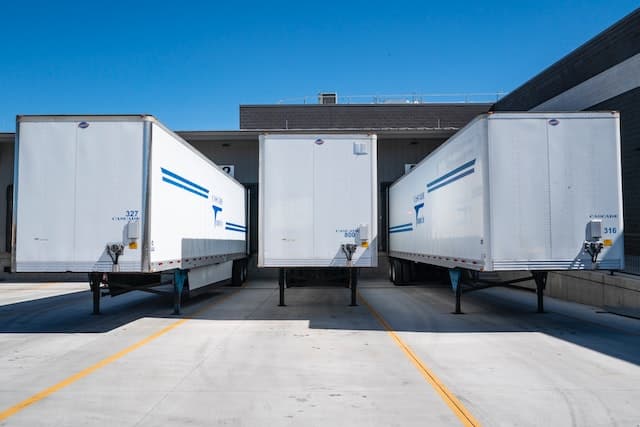
Before jumping into the logistics business, market research is crucial to finding a profitable niche. This is where understanding trends, customer needs, and competitor strategies come into play.
Example: Let’s say you notice that many businesses struggle with last-mile delivery services in urban areas. You could specialize in providing efficient last-mile logistics solutions, focusing on technology-driven approaches like route optimization and real-time tracking.
Hirav Shah emphasizes that identifying gaps in the market allows you to carve a unique space for your services. For instance, after conducting thorough research, you may realize that businesses need fast, eco-friendly delivery options. Offering electric vehicle (EV) deliveries could help you stand out and meet a growing demand.
What to Do:
- Analyze market trends (e.g., e-commerce growth, demand for faster delivery, sustainability).
- Study competitors and identify areas they may be lacking.
- Tailor your offerings to solve specific problems (e.g., offering temperature-controlled logistics for food delivery).
2. Develop a Business Plan and Secure Funding

Your business plan is the blueprint for success. It should outline your vision, goals, operational strategies, financial projections, and marketing tactics. This document is vital when seeking funding and demonstrating your business’s potential for profitability.
Example: Let’s assume you’re aiming to create a freight forwarding business. Your business plan would detail how you plan to handle imports, exports, and shipping across borders. Financial projections might include costs for setting up offices, leasing trucks, hiring drivers, and obtaining the required insurance.
Hirav Shah, also known as “The Game Changer,” stresses the importance of solid financial projections. Not only does it help with decision-making, but it also reassures potential investors that you have a clear path to profitability.
Securing Funding: To raise the capital needed for your logistics business, explore options like:
- Bank loans for equipment or warehouse space.
- Venture capital for high-growth potential business models.
- Crowdfunding for niche logistics services or tech-based solutions.
Example: You could secure a loan of $100,000 to purchase delivery trucks and software systems, planning to repay this within 5 years, with projected annual profits of $50,000.
3. Obtain the Necessary Licenses and Permits

Operating legally is a must in the logistics industry. Depending on the scale and scope of your business, the necessary licenses and permits vary.
Example: If you are starting a trucking company, you’ll need a commercial driver’s license (CDL), transportation permits, and insurance. If you plan to operate a warehouse, you may need zoning permits and health safety inspections.
By ensuring compliance with all regulatory standards, you build trust and credibility with both clients and partners.
What to Do:
- Check local government regulations regarding transportation licenses, safety standards, and tax requirements.
- Consult with a legal expert to ensure all paperwork is correctly filed.
4. Build a Reliable Network of Suppliers and Partners

Building a network of trustworthy suppliers and partners is essential for maintaining smooth operations. Your suppliers will provide the resources needed, such as vehicles, equipment, and tech, while your business partners might include other logistics companies or warehouses.
Example: You may partner with a supplier of tracking devices to enhance your fleet management. Or, collaborating with local warehouses can allow you to offer more flexible storage options to clients.
Hirav Shah advises building relationships that go beyond business transactions. It’s essential to maintain clear communication and be responsive to feedback. A strong network ensures that your operations remain efficient and your client needs are met.
What to Do:
- Build partnerships with reliable manufacturers and service providers.
- Establish clear expectations for service levels and performance.
5. Invest in the Right Technology and Equipment

The logistics industry is becoming increasingly tech-driven. To remain competitive, investing in the right technology and equipment is critical. From fleet management software to GPS tracking, the right tools can streamline operations and improve customer experience.
Example: Imagine you run a delivery business; using a GPS system allows you to track real-time progress, optimize routes, and notify customers of delivery status, making your services more reliable and appealing.
Investing in technology also includes upgrading your equipment. Whether it’s new trucks, delivery vans, or automated warehouse systems, these tools can greatly enhance operational efficiency.
What to Do:
- Invest in fleet management systems, warehouse automation, and real-time tracking solutions.
- Train your team on using these technologies to maximize efficiency.
Role of a Business Strategist in Building a Logistics Business

As a logistics entrepreneur, having a business strategist like Hirav Shah by your side can make a significant difference. A business strategist helps you chart out the course for your company’s growth, identify profitable niches, and optimize operational efficiencies.
Example: Hirav Shah has helped many clients enter new markets, enhance operational efficiencies, and scale their businesses profitably. He advocates for using data analytics to drive decisions, whether it’s adjusting shipping routes based on traffic patterns or improving inventory management with warehouse software.
A skilled business strategist will help you avoid pitfalls and make informed decisions about investments, technology adoption, and scaling your business.
Frequently Asked Questions (FAQs)

Q1: How much does it cost to start a logistics business?
Starting a logistics business can cost anywhere from $50,000 to $500,000, depending on the scale, services offered, and location. Initial costs typically cover vehicles, technology, and licenses.
Q2: What kind of technology do I need for my logistics business?
Key technologies include transportation management software (TMS), warehouse management systems (WMS), GPS tracking, and route optimization tools.
Q3: How do I attract clients to my logistics business?
Focus on niche markets where you can offer specialized services. Use digital marketing, networking, and strong customer service to build trust and attract clients.
Q4: Do I need to hire a business strategist for my logistics company?
While it’s not mandatory, hiring a strategist like Hirav Shah can provide significant value by helping you develop a clear business strategy and avoid costly mistakes.
Final Thoughts

Starting a profitable logistics business involves more than just delivering goods from one place to another. With the right knowledge, planning, and expert guidance from people like Hirav Shah, you can position your business for long-term success. Focus on market research, securing funding, investing in technology, and building a reliable network to create a thriving logistics business. The journey may be challenging, but with the right strategies in place, it can be immensely rewarding.