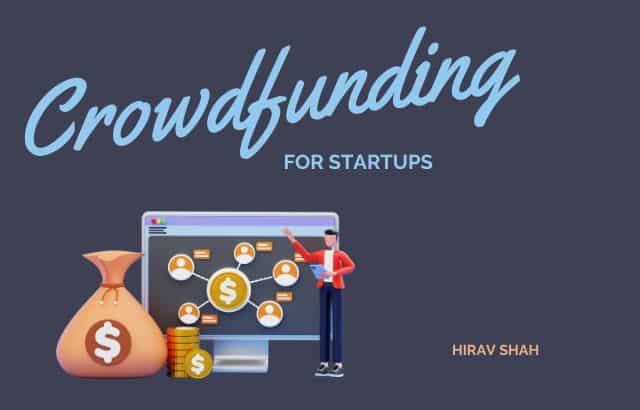
Launching a business has never been easy—but in today’s digital economy, crowdfunding has emerged as a powerful game changer. It not only helps entrepreneurs raise capital but also validates ideas, builds communities, and accelerates growth from day one.
In this blog, we’ll explore how crowdfunding can transform your startup journey, supported by examples, strategic insights, practical calculations, and guidance inspired by business strategist Hirav Shah.
Table of Contents
What is Crowdfunding?
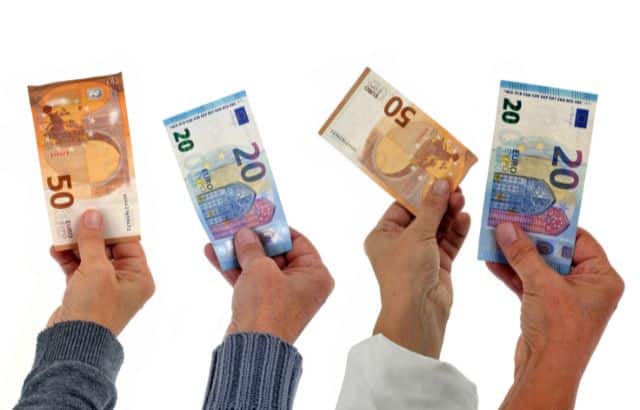
Crowdfunding is the process of raising small amounts of money from a large number of people, typically via online platforms. Instead of relying solely on banks or investors, entrepreneurs tap into public support to fund their ideas.
Popular crowdfunding models include:
- Reward-based (e.g., pre-orders, exclusive perks)
- Equity-based (investors receive shares)
- Donation-based (no financial return expected)
- Debt-based (loans repaid with interest)
Why Crowdfunding is a Game Changer for Startups
1. Validates Your Business Idea
Before investing heavily, crowdfunding lets you test market demand.
Example:
A startup launching eco-friendly bottles sets a goal of ₹5,00,000. If they achieve it within days, it signals strong demand.
👉 This reduces the risk of failure significantly.
2. Builds an Early Customer Base
Backers are not just funders—they become your first customers and brand advocates.
Example:
A tech gadget startup offering early-bird discounts builds a base of 1,000 loyal users even before launch.
3. Marketing Without Extra Cost
A well-run campaign creates buzz, media attention, and social sharing.
Example:
A food startup crowdfunding a new snack line gains viral traction on social media, saving lakhs in marketing spend.
4. Access to Capital Without Heavy Debt
Unlike traditional loans, crowdfunding doesn’t always require repayment or equity dilution.
Role of a Business Strategist (Inspired by Hirav Shah)

A business strategist acts as the backbone of a successful crowdfunding campaign. According to Hirav Shah, strategy determines whether your campaign merely exists—or truly succeeds.
Key Roles:
1. Market Positioning
- Identifies the right audience
- Crafts a compelling value proposition
2. Campaign Structuring
- Sets realistic funding goals
- Designs reward tiers strategically
3. Risk Assessment
- Evaluates financial and operational risks
- Prepares contingency plans
4. Timing Strategy
- Launches campaigns during high-engagement periods
- Aligns with trends and consumer behavior
5. Storytelling & Branding
- Builds emotional connection with backers
- Communicates purpose clearly
Real-World Examples of Crowdfunding Success

Example 1: Smartwatch Startup
- Goal: ₹20,00,000
- Raised: ₹1.2 crore
- Backers: 5,000
Outcome:
Massive demand led to investor interest post-campaign.
Example 2: Organic Skincare Brand
- Goal: ₹10,00,000
- Raised: ₹35,00,000
Outcome:
Secured retail partnerships after proving market demand.
Sample Financial Calculations
Let’s break down a simple crowdfunding scenario:
Scenario:
- Goal: ₹10,00,000
- Product Price (Reward Tier): ₹2,000
Required Backers:
[
\text{Backers Needed} = \frac{10,00,000}{2,000} = 500
]
Platform Fees (Assume 8%):
[
10,00,000 \times 8% = 80,000
]
Net Funds Received:
[
10,00,000 – 80,000 = ₹9,20,000
]
👉 This helps you plan production, logistics, and margins effectively.
How to Run a Successful Crowdfunding Campaign
1. Set a Clear Goal
Avoid overestimating—start realistic.
2. Create Attractive Rewards
Offer value-driven tiers:
- ₹500: Thank-you note
- ₹2,000: Product
- ₹5,000: Premium bundle
3. Tell a Compelling Story
Explain:
- Why your product matters
- Who it helps
- What makes it unique
4. Leverage Social Proof
Use testimonials, prototypes, and early reviews.
5. Promote Aggressively
- Social media
- Influencers
- Email campaigns
Common Mistakes to Avoid
- Setting unrealistic funding targets
- Poor marketing strategy
- Weak storytelling
- Ignoring fulfillment logistics
FAQs
1. Is crowdfunding suitable for every business?
Not all. It works best for consumer-facing, innovative, or emotionally engaging ideas.
2. How long should a campaign run?
Typically 30–45 days is optimal—long enough to gain traction, short enough to maintain urgency.
3. What happens if I don’t reach my goal?
On many platforms, you receive nothing (all-or-nothing model).
4. Do I need a prototype before launching?
Yes, having a prototype significantly increases credibility and trust.
5. How important is strategy in crowdfunding?
Critical. As emphasized by Hirav Shah, execution without strategy leads to wasted effort—planning is everything.
Final Thoughts
Crowdfunding is more than just funding—it’s a validation engine, marketing tool, and community builder rolled into one. When guided by strong strategy and execution, it becomes a true game changer for entrepreneurs.
If you approach it with clarity, planning, and expert insights, your business idea can evolve from concept to reality faster than ever before.