

In the dynamic and ever-evolving fashion industry, branding is everything. A successful fashion brand stands out through its identity, consistency, and ability to resonate with its target audience. Fashion is not just about beautiful apparel; it’s about crafting a story, creating an image, and delivering an experience. Renowned business strategist Hirav Shah provides a comprehensive approach to establishing and maintaining a fashion brand that resonates through the years.
Whether you’re launching a new fashion label or looking to rebrand an existing one, understanding the fundamentals of brand identity, market differentiation, and consistent communication is key. Hirav Shah’s expert advice is essential for creating a timeless fashion brand that can weather changing trends.
Table of Contents
1. Brand Name: The Foundation of Identity

When you think of a high-end fashion brand, the name alone can conjure images of luxury and style. For instance, Versace, Gucci, or Chanel evoke strong associations with premium quality and timeless elegance. But the importance of a name goes beyond recognition—it is rooted in numerological and astrological calculations that can guide the brand’s success.
Hirav Shah emphasizes the significance of naming a business or brand in alignment with astrological factors, ensuring a harmonious connection to the brand’s purpose and future potential. The name should reflect the core values of the brand while resonating with the target audience’s aspirations.
Example: Consider “Prada”—the name itself is clean, sharp, and easy to remember. It also fits the brand’s luxury positioning, with a smooth yet impactful sound that complements its high-end product offering.
2. Building Market Differentiation

In a saturated market, standing out is paramount. Fashion brands must create a distinct position, not only through their products but also through their messaging. By focusing on what makes your brand unique—whether it’s craftsmanship, sustainability, or exclusivity—you ensure that customers connect with your identity on a deeper level.
For example, Stella McCartney has carved out a niche in sustainable luxury fashion. The brand’s commitment to cruelty-free materials and eco-friendly processes is a key differentiator in the luxury space, attracting environmentally conscious consumers.
The Role of the Business Strategist: A business strategist helps analyze competitors, identify gaps in the market, and position the brand effectively. The strategist works to define the brand’s unique value proposition and ensure it’s communicated clearly across all touchpoints.
3. The Power of Logo Design
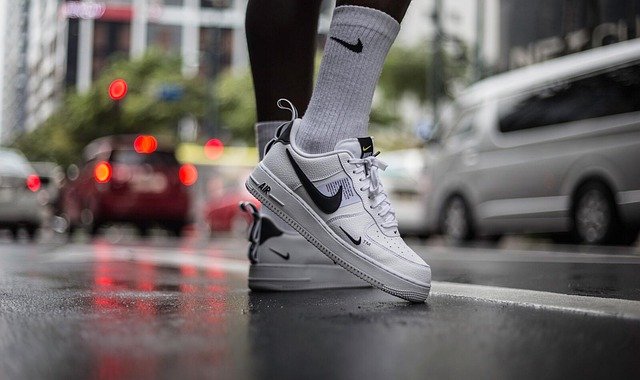
Your logo is the face of your brand. It’s the symbol that customers will instantly associate with your products and values. Hirav Shah believes that a carefully designed logo has the power to evoke emotion and build trust. Whether you’re aiming for minimalism or intricate detailing, the logo should reflect the essence of your brand.
Example: Think of Louis Vuitton’s iconic “LV” monogram. Its simple yet luxurious design is instantly recognizable and has become synonymous with high-end fashion.
Color Psychology: When selecting colors for your logo, consider the psychology behind each hue. For example, purple often symbolizes luxury and exclusivity, while green can represent eco-friendliness, making it ideal for environmentally conscious brands.
4. Understanding Your Target Audience

Knowing your customers inside out is crucial for tailoring your products, marketing strategies, and overall brand experience. Hirav Shah advises businesses to create detailed profiles, or “fashion avatars,” of their ideal customers. This includes understanding their demographics, interests, values, and lifestyle preferences.
Example: Chanel is known for catering to affluent women who seek timeless, elegant fashion. By knowing their audience, Chanel is able to continuously deliver products that resonate with their target demographic, from haute couture to fragrances.
The Role of the Business Strategist: The strategist aids in gathering customer data, analyzing trends, and segmenting audiences to ensure the brand’s offerings align with customer desires.
5. Choosing the Right Marketing Strategy

In today’s digital world, leveraging online platforms is essential to connect with your audience. Fashion brands must adopt a targeted approach to marketing, choosing the right channels based on their customers’ preferences. High-end brands often use Instagram, Pinterest, and YouTube, while more affordable fashion lines might target younger consumers on Snapchat or TikTok.
Example: Manish Malhotra, a top Indian designer, shares behind-the-scenes videos and product reveals on Instagram and YouTube, offering exclusive insights into the design process, which resonates deeply with his audience.
Marketing Strategy Tips:
- Video marketing: Show the design process, behind-the-scenes footage, and how-to videos for styling your products.
- Blogging: Offer valuable content like fashion tips, styling advice, or seasonal trends. Consistent blogging helps improve search engine rankings and attracts organic traffic.
6. The Impact of Quality and Sustainability

Today’s consumers are increasingly concerned with sustainability and ethical fashion. A brand that delivers not only style but also quality and ethical practices builds long-term trust with its audience. Companies like Patagonia and Reformation are pioneers in this space, proving that quality, sustainability, and style can coexist.
Hirav Shah emphasizes that consumers today are looking for transparency. If your brand is committed to sustainable practices, highlight them across all platforms. Quality is equally important—ensure your products stand the test of time both in design and construction.
7. Using Technology for Innovation

The fashion industry is rapidly adopting new technologies like 3D printing, virtual fashion shows, and AI-driven trend forecasting. By incorporating cutting-edge technologies into your design process or marketing strategies, you can stay ahead of the competition.
Example: Balenciaga used virtual reality to showcase its collections in an immersive digital format, allowing consumers to experience the brand in new, interactive ways. This approach appeals to a younger, tech-savvy audience while reinforcing the brand’s innovation.
The Role of the Business Strategist: A strategist helps integrate new technologies into your business operations, ensuring that they align with your brand’s values and customer expectations.
FAQ: Key Questions about Fashion Branding

1. How can I create a strong brand identity?
By focusing on what sets your brand apart and ensuring consistency in your messaging, logo, colors, and customer interactions, you can build a strong, recognizable identity. The help of a business strategist can guide you in this process.
2. Why is the logo so important for my fashion brand?
A logo is the first thing your customers will see and associate with your products. It must reflect your brand’s values and identity. A well-crafted logo leaves a lasting impression and communicates your brand’s purpose.
3. How can I stay relevant in a fast-changing industry?
Staying relevant requires continuous innovation, understanding customer needs, and adapting to trends. Use social media, collect customer feedback, and embrace new technologies to keep your brand fresh.
4. How can a business strategist help my fashion brand?
A business strategist can provide invaluable insights into market trends, customer behavior, and operational efficiency. They help you position your brand effectively, manage growth, and navigate challenges.
Conclusion: Building a Timeless Fashion Brand

Creating a fashion brand that stands the test of time requires a thoughtful approach to every aspect of branding. From choosing the right name and logo to understanding your audience and embracing technology, every detail contributes to building a brand that resonates with your customers. With guidance from business strategist Hirav Shah, you can lay the foundation for a successful and enduring fashion brand.
By focusing on key aspects like brand identity, market differentiation, and consistent marketing strategies, you ensure that your brand will continue to thrive season after season.