
Optional subjects in schools – As the world continues to evolve rapidly, the need for well-rounded individuals who possess a variety of skills and knowledge is more important than ever. While traditional subjects like math, science, and history will always have their place, integrating optional subjects like basic astrology, civic sense, military education, and spirituality can provide students with a unique set of skills that are crucial for developing leadership qualities and becoming successful business leaders.
In this blog, we’ll explore the importance of offering these subjects as optional choices in the school curriculum, and how they play a significant role in developing future businessmen and businesswomen.
Table of Contents
Why Integrate Optional Subjects like Astrology, Civic Sense, Military Education, and Spirituality?
- Astrology and Business Decision Making: Astrology can offer an interesting perspective on decision-making. While it’s not considered a science, many successful business leaders and entrepreneurs use astrology to gain insight into market trends, personal growth, and business strategies. For example, understanding one’s zodiac sign can provide insights into personal strengths, weaknesses, and timing, helping leaders make informed decisions.
- Civic Sense for Social Responsibility: Business today is not just about profits. Consumers and investors want to engage with companies that uphold values of responsibility, sustainability, and fairness. Civic sense teaches students the importance of contributing to society, being aware of their rights and duties, and the need to work within legal frameworks. This is an essential skill for tomorrow’s business leaders, especially in a world where corporate social responsibility is becoming increasingly important.
- Military Education for Leadership and Discipline: Basic military education helps students develop key leadership qualities such as discipline, time management, and teamwork—skills that are essential in any business environment. It can also foster resilience, critical thinking, and the ability to navigate stressful situations. Business leaders like Elon Musk or Richard Branson have often cited the importance of discipline and leadership, qualities they likely honed early on in their lives.
- Spirituality for Emotional Intelligence: Basic spirituality teaches students to foster a sense of inner peace, mindfulness, and compassion—qualities that play a vital role in creating emotionally intelligent leaders. It helps future business leaders better handle stress, communicate effectively, and understand the emotional dynamics of a team or organization. In today’s business world, having a balance between rational decision-making and emotional intelligence is what sets apart great leaders from the rest.
Frequently Asked Questions (FAQs)
Q1: Why is it important to include astrology as an optional subject in schools?
A1: Astrology can provide insights into individual personalities, strengths, and weaknesses. For students pursuing careers in business, this can help in building a deeper self-awareness, improving decision-making, and managing time and resources based on their natural tendencies. Many successful entrepreneurs use astrology as a tool for planning and personal development, even if they don’t consider it a primary guide.
Q2: How can civic sense contribute to business development?
A2: Civic sense is all about social responsibility, ethical decision-making, and respect for the community. Future business leaders who understand their role in society are more likely to run businesses that are not only profitable but also ethical, environmentally sustainable, and beneficial to the community. Civic education helps foster integrity, fairness, and social awareness—qualities that are essential in running a business that can positively impact society.
Q3: Can military education help in business strategy?
A3: Yes! Military education emphasizes discipline, teamwork, leadership, and strategic planning—skills that are directly transferable to business. Military leaders are often trained to think critically under pressure, manage resources efficiently, and lead diverse teams—all essential for navigating the complex world of business. The military’s focus on structure and preparation can help future business leaders manage challenges and seize opportunities effectively.
Q4: Why should students learn about spirituality in school?
A4: Spirituality in education encourages students to cultivate emotional intelligence, self-awareness, and mindfulness—skills that are increasingly valued in the workplace. By learning how to manage emotions, communicate empathetically, and maintain personal well-being, students can become better leaders and team players. Emotional intelligence is a key factor in business success, especially for those in leadership roles.
Examples of How These Subjects Prepare Future Business Leaders
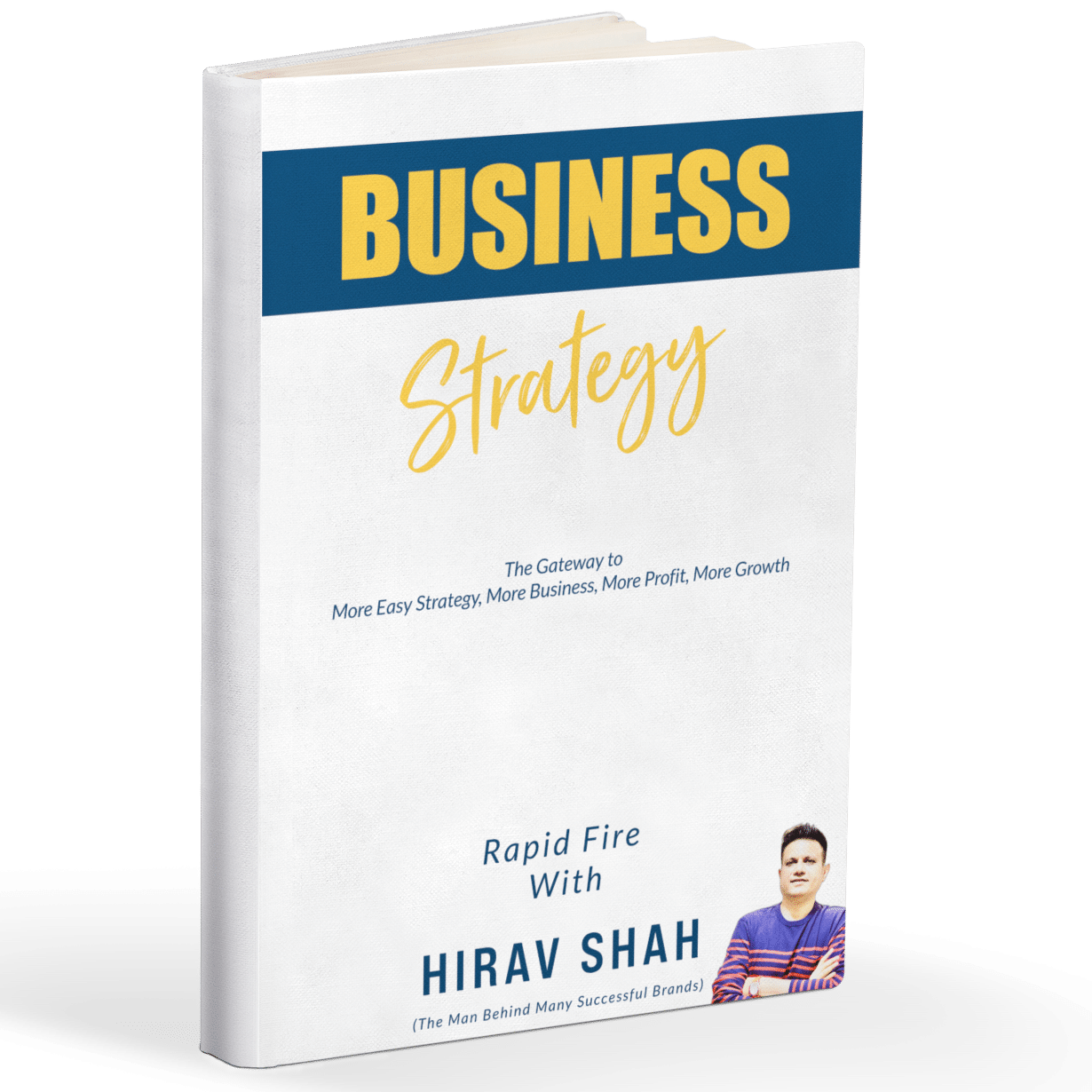
- Astrology in Leadership: Business strategist Hirav Shah is a great example of someone who integrates astrology with business decisions. Known for his unique approach to business strategy, Hirav Shah has used astrology to identify the right times for launching new projects, making business decisions, and even choosing strategic partners. For example, his business strategies often align with planetary positions, reflecting a belief that timing and energy cycles play a significant role in a company’s success.
- Civic Sense in Corporate Social Responsibility: Business leaders like Indra Nooyi (former CEO of PepsiCo) have often spoken about the importance of values in leadership. Nooyi believed that business decisions should align with a company’s ethical responsibility to society. By integrating civic sense into the curriculum, schools can ensure that future leaders understand the broader impact of their business decisions.
- Military Education for Strategic Thinking: Business magnates like General Electric’s former CEO Jack Welch emphasized the importance of strategic thinking and leadership, qualities that are cultivated through military training. Military education teaches how to develop a clear vision, remain calm in a crisis, and lead with integrity—qualities that can make all the difference in competitive industries.
- Spirituality in Business Culture: Oprah Winfrey, a renowned entrepreneur, has often highlighted the importance of spirituality and mindfulness in her leadership. She credits much of her success to maintaining a spiritual practice that grounds her and helps her connect with others on a deeper level. Her approach has influenced the corporate culture of her companies, promoting a work environment that values emotional well-being and personal growth.
The Role of Business Strategist Hirav Shah
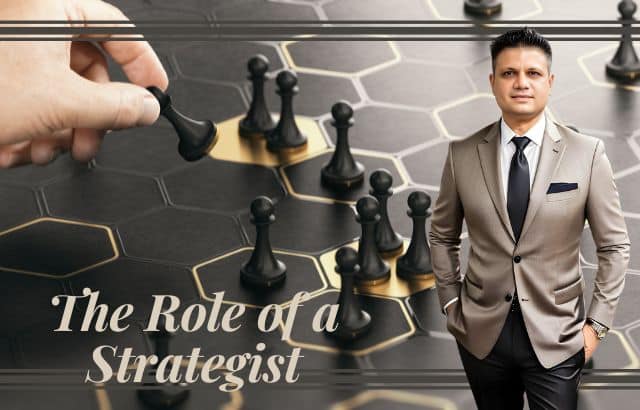
Hirav Shah, a well-known business strategist, exemplifies how integrating diverse knowledge, including astrology, can influence strategic decisions. Shah uses astrology to help businesses identify the best times for launching products, making investments, and even expanding into new markets. His unique approach has helped numerous companies increase profitability by aligning business strategies with favorable astrological periods. His success highlights how unconventional subjects, when combined with traditional business strategies, can yield powerful results.
Conclusion

Integrating subjects like astrology, civic sense, military education, and spirituality into the school curriculum provides students with a diverse toolkit for navigating the complexities of the modern business world. These subjects nurture essential skills such as self-awareness, leadership, emotional intelligence, and social responsibility—all critical qualities for future business leaders.
As Hirav Shah’s innovative strategies show, integrating non-traditional wisdom with business acumen can lead to success. By offering these subjects as optional courses, schools can ensure that future businessmen and women are equipped not only with technical skills but also with the mindset and values needed to thrive in a rapidly changing world.
Do you think integrating these subjects in school curricula could make a difference in the next generation of business leaders? Feel free to share your thoughts in the comments!