

A startup team is brainstorming in an open, airy office with large windows that flood the space with natural light. The walls are adorned with vibrant artwork, and plants sit on every desk, creating a relaxed yet energized atmosphere. In the corner, a cozy lounge area invites employees to take a break and recharge. Across the room, a modern meeting space is equipped with cutting-edge technology for seamless collaboration.
This is the kind of office environment business strategist Hirav Shah believes can unlock a team’s full potential. With the right design, an office becomes more than just a place to work—it becomes a hub for creativity, collaboration, and productivity.
If you’re looking to elevate your office environment, Hirav Shah’s expert insights can help guide the way. From choosing the right layout to incorporating wellness-focused features, the transformation of your office space can lead to a more effective and motivated workforce. In this blog, we’ll dive into how small changes to your office interior can have a big impact on your team’s success.
Table of Contents
1. The Role of Office Design in Productivity

When employees are surrounded by an environment that supports their well-being, they are more likely to be engaged and productive. Hirav Shah emphasizes that office spaces should be designed to encourage collaboration, reduce stress, and improve focus. Simple design changes such as introducing natural light, open spaces, and ergonomic furniture can drastically improve the productivity levels of employees.
Key Areas to Focus On:
- Natural Lighting: Hirav Shah points out that exposure to natural light boosts employee mood and energy, helping reduce fatigue.
- Ergonomics: Investing in comfortable, adjustable seating and desks can prevent physical strain and improve focus.
- Breakout Spaces: Creating areas for casual conversation and relaxation can increase employee creativity and mental clarity.
2. Create an Inspiring Environment for Creativity
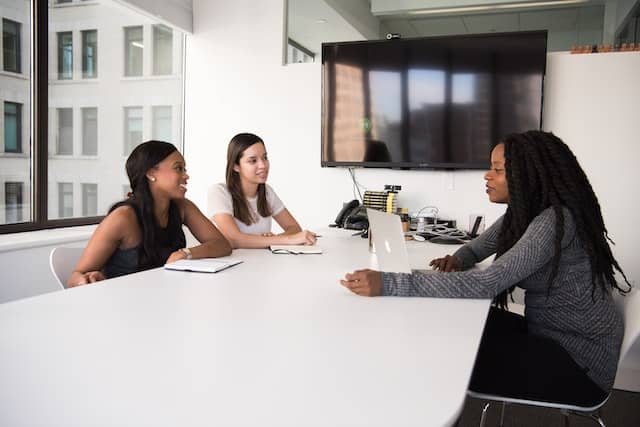
An inspiring work environment can spur innovation and creativity. Hirav Shah advises business owners to incorporate elements that stimulate employees’ imaginations. Whether it’s adding some greenery, using colors that promote focus (like blue or green), or integrating artwork that aligns with the company’s culture, small changes can have a big impact on your team’s creativity.
How to Enhance Creativity:
- Vibrant Colors: Shades like blue and green can help employees focus and feel more relaxed.
- Artistic Touches: Consider incorporating local art or motivational quotes on the walls.
- Greenery: Indoor plants are not only aesthetically pleasing but also reduce stress and increase cognitive function.
3. Optimizing the Layout for Collaboration and Focus
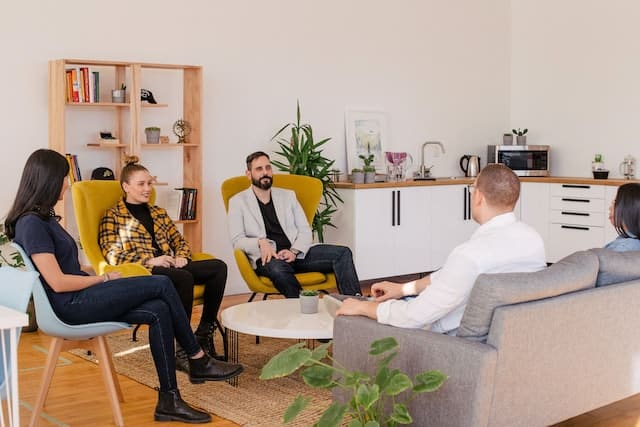
While open-plan offices are popular, Hirav Shah believes that the key is balance. An office should cater to both collaboration and quiet, focused work. Designing your office layout with designated spaces for collaboration, private work, and meetings can help employees switch between modes more effectively.
Layout Considerations:
- Private Zones: Designate areas for individual work that are quiet and free from distractions.
- Collaborative Spaces: Create open spaces or meeting rooms that encourage teamwork and brainstorming.
- Flexible Furniture: Having movable furniture allows you to reconfigure spaces based on the task at hand.
4. Integration of Technology for Efficiency

Technology plays a huge role in today’s work environments. Whether it’s through high-speed internet, smart boards, or video conferencing setups, the right technological tools can make work more efficient. Hirav Shah advocates for the seamless integration of these tools into office interiors to enhance workflow and communication.
Tech Considerations for an Effective Office:
- Smart Meeting Rooms: Incorporate video conferencing and digital collaboration tools for remote meetings.
- Efficient Lighting and Temperature Control: Smart lighting and thermostats can improve comfort and reduce energy costs.
- High-Speed Connectivity: Ensure the internet infrastructure supports the demands of a modern, digital workplace.
5. Focus on Employee Well-being
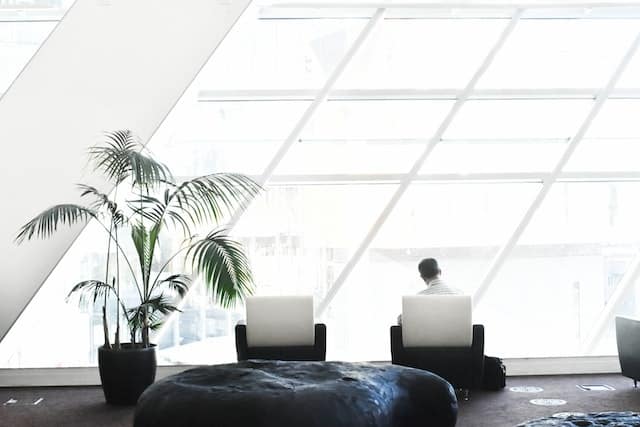
A healthy office environment doesn’t just focus on aesthetics; it’s also about supporting employees’ mental and physical health. Hirav Shah suggests incorporating wellness features, such as quiet rooms for meditation, fitness areas, or even wellness programs, to ensure your team stays physically and mentally fit.
Wellness-Oriented Features:
- Quiet Rooms for Relaxation or Meditation: These spaces help employees de-stress and recharge.
- Fitness Options: A small gym or an active workspace promotes physical health.
- Soundproofing: Reduce noise pollution to maintain focus and calm.
Frequently Asked Questions (FAQs)

1. How can the right office design improve employee productivity?
The right office design creates an environment that fosters comfort, minimizes distractions, and encourages both collaboration and focused work. This helps employees perform better and maintain high levels of engagement.
2. What are some simple design changes that can increase employee effectiveness?
Simple changes like introducing ergonomic furniture, maximizing natural light, incorporating plants, and creating quiet zones for focused work can significantly boost employee productivity and well-being.
3. What is the best layout for a modern office?
The best office layout is one that balances open collaborative spaces with private areas for focused work. A combination of flexible furniture, meeting rooms, and breakout areas allows for versatility and collaboration.
4. How can office design influence employee creativity?
Office design that incorporates vibrant colors, artwork, and natural elements like plants helps create a space that inspires creativity. Spaces that allow for brainstorming and informal collaboration can also spark innovation.
5. How does office design impact mental and physical well-being?
An office that integrates elements like ergonomic furniture, wellness spaces, and natural light can reduce stress, prevent physical strain, and improve mental clarity, leading to healthier and more productive employees.
6. Can technology really improve office productivity?
Absolutely! Integrating technology like high-speed internet, smart meeting rooms, and digital collaboration tools can enhance communication, streamline processes, and increase overall efficiency in the workplace.
7. What role do break areas play in office productivity?
Break areas are essential for giving employees the mental space they need to recharge. A well-designed break room or lounge helps employees refresh and return to their tasks with renewed focus and creativity.
Conclusion

The design of your office space is far from just a superficial matter—it’s a fundamental element that influences your team’s productivity, creativity, and overall well-being. By integrating strategic design principles recommended by Hirav Shah, such as incorporating natural light, optimizing layouts for collaboration and focus, and fostering an environment of wellness, you can create a workspace that not only looks good but performs even better. When employees feel comfortable, inspired, and equipped with the right tools, their potential for success skyrockets.
So, if you’re ready to elevate your office and transform it into a space that drives productivity and effectiveness, consider the strategies shared by Hirav Shah. After all, a thoughtful workspace can be a game-changer for your business.
Want to know more about how to strategically design your office for maximum impact? Ask Hirav Shah directly! Whether it’s about layout ideas, wellness features, or tech integration, he can help you design an office that works as hard as your team.