
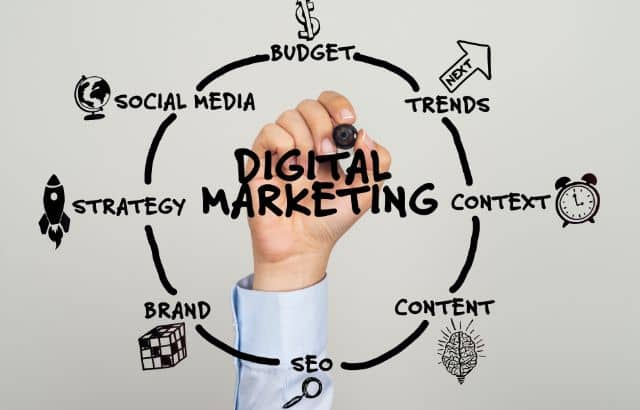
In today’s fast-paced digital age, thriving as a brand requires a strong digital marketing strategy. Gone are the days when traditional advertising alone could sustain a brand’s success. With the ever-evolving digital landscape, brands must adapt and harness the power of digital marketing to stay relevant and competitive. In this blog, we will explore how brands can thrive using digital marketing strategies
Table of Contents
What is Brand Digital Marketing?

Brand digital marketing is a comprehensive strategy that uses online channels to promote a business, build brand awareness, and drive sales. These channels include websites, social media platforms, email marketing, search engines, and more. The aim is to leverage these tools effectively to communicate your brand’s message, attract your target audience, and convert them into loyal customers.
Understanding Your Target Audience

The foundation of any successful digital marketing strategy begins with a deep understanding of your target audience. Digital tools and platforms provide invaluable insights into consumer behavior, allowing brands to create more personalized and relevant content. By analyzing data on demographics, interests, and online behavior, brands can tailor their messages to resonate with their audience.
Creating Engaging Content

Content is king in the digital realm. Brands that consistently produce high-quality, engaging content can build strong connections with their audience. Whether it’s blog posts, videos, infographics, or social media updates, compelling content not only informs but also entertains and inspires. The key is to provide value to your audience, whether through educational, entertaining, or emotionally resonant content.
Leveraging Social Media

Social media platforms are a powerful tool for building brand awareness and fostering customer engagement. Brands can reach a wide audience through platforms like Facebook, Instagram, Twitter, and LinkedIn. It’s essential to maintain an active presence, interact with followers, and use a consistent brand voice across all platforms. Paid advertising on social media can also help boost visibility and reach a broader audience.
Optimizing for Search Engines (SEO)

Search Engine Optimization (SEO) is vital for ensuring that your brand’s online content is discoverable by search engines. Brands should invest in keyword research and on-page SEO optimization to improve their website’s ranking on search engine results pages (SERPs). Appearing at the top of SERPs can significantly increase organic traffic and brand visibility.
Email Marketing

Email marketing remains a potent tool for nurturing leads and maintaining customer relationships. Brands can use email campaigns to deliver personalized content, promotions, and updates to their subscribers. Building a segmented email list allows for more targeted messaging, increasing the chances of conversion.
Utilizing Influencer Marketing

Influencer marketing involves partnering with individuals who have a significant online following in your niche. These influencers can promote your products or services to their engaged audience, increasing brand visibility and credibility. It’s crucial to choose influencers whose values align with your brand and target audience.
Analytics and Data-Driven Decisions

Digital marketing provides a wealth of data and analytics tools to measure the performance of your campaigns. Brands should regularly analyze metrics like website traffic, conversion rates, click-through rates, and social media engagement. This data-driven approach enables brands to refine their strategies, allocate resources effectively, and make informed decisions for future campaigns.
Adapting to Emerging Trends

The digital marketing landscape is ever-evolving, with new trends and technologies constantly emerging. Successful brands stay ahead by being adaptable and open to trying new strategies. Whether it’s embracing new social media platforms, exploring augmented reality marketing, or harnessing the power of chatbots, being innovative can set your brand apart.
The Role of a Brand Digital Marketing Strategist

A brand digital marketing strategist is the mastermind behind the entire digital marketing campaign. This role is essential for crafting tailored strategies that align with the brand’s goals, audience preferences, and current market trends. Strategists work across various domains like SEO, social media marketing, content creation, and email campaigns to ensure cohesive brand messaging.
Example:
Hirav Shah, a renowned business strategist, emphasizes the importance of creating data-driven marketing strategies. He believes that understanding consumer behavior through analytics is key to achieving marketing success. For example, a strategic decision to focus on Instagram ads for a beauty brand helped increase their brand visibility by 40% within six months.
Key Digital Marketing Tactics for Brand Growth

Search Engine Optimization (SEO):
SEO ensures that your brand ranks high on search engines like Google. By optimizing your website and content for keywords that your audience is searching for, you increase your chances of being found organically.
Example:
A well-known local café implemented a geo-targeted SEO strategy to rank for keywords like “best coffee shop near me.” As a result, they experienced a 50% increase in foot traffic from local customers.
Social Media Marketing:
Platforms like Facebook, Instagram, LinkedIn, and TikTok are powerful tools for brand promotion. With targeted ads, engaging content, and influencer partnerships, brands can foster deeper relationships with their audience.
Example:
A fitness brand collaborated with a popular influencer to showcase their products. This partnership led to a 25% increase in product sales and a 15% increase in brand followers on social media.
Email Marketing:
Email marketing remains one of the most effective ways to nurture leads and convert them into loyal customers. Personalized email campaigns help keep your audience engaged and informed about your brand’s offerings.
Example:
An e-commerce brand used segmented email lists to send personalized offers to returning customers, resulting in a 20% increase in repeat purchases over the course of three months.
Content Marketing:
Creating valuable content that resonates with your target audience is crucial. Blog posts, videos, infographics, and podcasts can all help educate, entertain, and inform your audience while promoting your brand.
Example:
A tech company created a series of educational blog posts around “How-to” guides, which not only helped them rank higher on search engines but also boosted their credibility and trust with their audience.
How to Measure Brand Growth through Digital Marketing

As a brand, it’s important to track key performance indicators (KPIs) to measure your digital marketing success. Here are a few metrics that can indicate growth:
Website Traffic:
Increased website traffic shows that more people are discovering your brand online.
Calculation Example:
If your website traffic was 10,000 visits per month last year, and it grows to 15,000 visits this year, your growth rate is:
Growth Rate=15,000−10,00010,000×100=50%
Growth Rate=10,00015,000−10,000×100=50%
Conversion Rate:
The conversion rate indicates the percentage of website visitors who take the desired action (like purchasing or signing up).
Calculation Example:
If you had 1,000 visitors to your site and 50 completed a purchase, your conversion rate would be:
Conversion Rate=501,000×100=5%
Conversion Rate=1,00050×100=5%
Return on Investment (ROI):
Digital marketing campaigns require investment. The ROI measures how much profit you earned in return for your investment in marketing.
Calculation Example:
If you spent $1,000 on a Google Ads campaign and made $3,000 in sales, your ROI would be:
ROI=3,000−1,0001,000×100=200%
ROI=1,0003,000−1,000×100=200%
FAQs on Brand Digital Marketing

Q1: How long does it take for digital marketing to show results?
A: It varies depending on the strategy and goals. SEO efforts can take a few months to show results, while paid campaigns like Google Ads can drive immediate traffic and conversions. Consistency is key.
Q2: Is social media the best way to promote my brand?
A: Social media is incredibly effective for brand visibility and engagement. However, it works best when combined with other strategies like SEO, email marketing, and content marketing to create a holistic approach.
Q3: Can I handle brand digital marketing on my own, or do I need a strategist?
A: While you can certainly try it on your own, hiring a skilled digital marketing strategist like Hirav Shah can save you time and ensure that your campaigns are data-driven, cost-effective, and aligned with your brand’s objectives.
Q4: What are the best platforms for brand digital marketing?
A: It depends on your target audience. Instagram and Facebook are great for visual brands, while LinkedIn works well for B2B. Google Ads can help drive traffic, while email marketing nurtures leads.
Conclusion

Brand digital marketing is essential for businesses looking to thrive in the digital age. By employing the right strategies and working with a skilled digital marketing strategist, you can accelerate growth, build lasting relationships with customers, and drive success. As Hirav Shah advises, it’s important to stay agile and continuously analyze your campaigns to adapt and optimize for better results.
So, if you’re looking to grow your brand through digital marketing, start implementing these strategies today and track your progress to see how far you can go!