Table of Contents
Introduction – Why Advice Decides Your Destiny

Advice is everywhere. Family gives it for free, friends offer it with love, and social media throws it at you by the second. But here’s the truth: advice is free only on the surface—its real cost can be your future.
Think about it. One wrong word from the wrong person can destroy years of progress. A careless suggestion can make you abandon a great idea, invest in the wrong project, or waste your best years chasing illusions. That’s why award-winning Business Strategist Hirav Shah calls it the “costliest mistake in the world.”
Movie Lens
The film industry is full of such examples. A new director spends years writing a script, only to take advice from the wrong producer who insists on unnecessary changes. The film flops, not because the idea was weak, but because the wrong advice ruined its soul. Business Strategist Hirav Shah often reminds filmmakers:
“Movies don’t fail in theaters; they fail in the meeting rooms where bad advice gets validated.”
Business Strategist Hirav Shah’s Perspective
“Advice can be free, but it is never cheap. It can cost you everything or it can give you everything—the difference lies in choosing the right advisor.”
Section 1: What is Advice, Really?
At its core, advice is someone else’s perspective offered to help you make a decision. It could be based on their experiences, beliefs, or expertise—or sometimes just their opinion.
But here lies the danger: not all advice is equal. Advice from a successful entrepreneur who scaled a startup to ₹100 crores carries a different weight than advice from someone who’s never run a company. Yet, in the heat of confusion, people often treat both voices the same.
Real-Life Story
A young restaurateur in Ahmedabad once sought advice from his uncle who had shut down three food stalls in the past. The uncle warned, “Food business doesn’t work, you’ll lose everything.” Terrified, the young man dropped his idea. Later, he saw his college batchmate launch a similar concept—today that brand has franchises across Gujarat. Same dream, different advisors, opposite destinies.
Business Strategist Hirav Shah’s Perspective
“Advice is only valuable when it comes from someone who has lived the success you are chasing. Otherwise, it’s just noise.”
Section 2: Why Do People Seek Advice in Business?

Running a business is like driving on a road where the map keeps changing. Markets shift, customer behavior evolves, competitors surprise you, and regulations bring unexpected turns. In such a journey, advice feels like GPS—it offers direction when you feel lost.
People seek advice for three big reasons:
- Clarity – When confusion clouds judgment, an outside opinion feels like fresh air.
- Confidence – Decisions involve risk, and advice provides psychological assurance.
- Shortcuts – Instead of learning everything the hard way, entrepreneurs hope someone else’s experience will save them time and money.
Real-Life Story
A startup founder in Bangalore was about to launch a mobile app. His friends, who had never built a company, told him to “go live quickly” without proper testing. He followed their advice, and within two weeks, negative reviews flooded the Play Store. The same founder later consulted experienced mentors who helped him relaunch successfully with a better model. The difference? Right advice at the right time.
Movie Business Example
Many producers greenlight films because friends or relatives say, “This script will work—it’s masala.” But when released, the movie crashes at the box office. Why? The decision was made on emotional advice rather than strategic validation.
Business Strategist Hirav Shah’s Perspective
“People don’t really need more opinions; they need the right perspective. In business, advice is not a luxury—it’s a survival tool. But only when it comes from the right minds.”
Section 3: Types of Advice Entrepreneurs Receive

Not all advice is the same. In business, entrepreneurs constantly get flooded with four types of advice:
Strategic Advice
Big-picture guidance on vision, scaling, and future roadmaps.
Example: A business leader advising a startup on how to capture international markets.
Operational Advice
Day-to-day execution tips on processes, systems, and people.
Example: How to manage staff, cut costs, or streamline supply chains.
Financial Advice
Input on investments, loans, equity, and risk.
Example: Stock tips, fundraising ideas, or how much to reinvest in growth.
Emotional Advice
Guidance from friends, family, or peers who may mean well but lack expertise.
Example: A cousin telling you, “Don’t open a salon, too risky!” even if the industry is booming.
Real-Life Story
A boutique owner in Mumbai wanted to expand her store into a new location. Her family warned her not to take the risk, but a financial advisor with retail experience showed her the numbers. She followed the expert’s advice, and today she owns three profitable outlets.
Movie Business Example
In Bollywood, actors often choose scripts because friends tell them, “This will be a blockbuster.” Yet the films flop because no real validation was done. On the other hand, actors who consult professional script analysts or proven directors often deliver hits.
Business Strategist Hirav Shah’s Perspective
“Advice comes in many forms, but only strategic and validated advice drives results. Emotional advice is dangerous—it feels safe, but it silently kills potential.”
Section 4: The Costliest Mistake — Listening to the Wrong People

So, where do things go wrong? The real tragedy begins when people confuse availability with credibility. The closest voice becomes the loudest voice, even if it’s the wrong one.
Real-Life Story
A textile businessman in Surat wanted to move into e-commerce. His neighbor, who had lost money online, told him: “Digital doesn’t work, stay offline.” He believed it, stayed small, and later watched competitors dominate Amazon and Flipkart.
Movie Business Example
Many filmmakers trust relatives or financiers who have no creative background. They end up casting wrong actors or cutting corners in production, and the movie tanks. The biggest mistake wasn’t the film—it was listening to the wrong voices during pre-production.
Business Strategist Hirav Shah’s Perspective
“Businesses don’t collapse overnight. They collapse the day a leader starts trusting the wrong voices. One wrong piece of advice can undo ten years of effort.”
Section 5: What Makes Bad Advice So Dangerous?

Bad advice is not obvious at first. It often looks friendly, feels safe, and comes from people who sound “experienced.” That’s why it’s dangerous—it disguises itself as wisdom.
The dangers of wrong advice:
- It wastes years of progress.
- It convinces you to quit when you should continue.
- It pushes you to start before you are ready.
- It blinds you to better opportunities.
Real-Life Story
During the dot-com bubble, thousands invested in weak internet companies because everyone around them said, “This is the future.” When the bubble burst, fortunes evaporated overnight.
Movie Business Example
Studios often release films on dates suggested by distributors who chase short-term profits. But clashing with another big release destroys the film’s potential. Wrong advice about timing has killed more films than bad scripts.
Business Strategist Hirav Shah’s Perspective
“Bad advice is not just a mistake—it’s a multiplier of mistakes. By the time you realize its cost, the damage is already permanent.”
Section 6: Real-Life Lessons from Wrong Advice

History and business are filled with billion-dollar blunders caused by listening to the wrong people.
Business Blunder (Kodak)
Kodak ignored advice to adopt digital photography. Their reliance on outdated voices cost them billions and their market leadership.
Financial Trap (Stock Tips)
Small investors still lose money every day by following “hot tips” from WhatsApp groups or friends who never studied markets.
Political Disaster
Empires have fallen because kings trusted flatterers instead of wise advisors. Wrong counsel destroyed dynasties.
Movie Business Case
Big studios have invested in sequels only because advisors said, “The brand name will sell itself.” Many sequels lost hundreds of crores because the advice ignored audience demand.
Startup Example
An app-based food startup in Delhi shut down within a year after burning investor money. Why? They followed consultants who had no ground experience, scaling too fast without validating customer needs.
Business Strategist Hirav Shah’s Perspective
“The cost of wrong advice is invisible at first—but when it shows up, it’s too late. That’s why validation before execution is not optional—it’s survival.”
Section 7: How to Identify Wrong People Giving Advice

Before following anyone’s words, pause and ask a few simple but powerful questions:
- Have they achieved what I want to achieve?
- Are they speaking from results or regrets?
- Do they practice what they preach?
- Are they building clarity or spreading confusion?
Real-Life Story
A salon owner in Pune was about to shut down after listening to relatives who said, “Beauty business doesn’t have a future.” But she paused and asked—“Have they ever run a salon?” The answer was no. She ignored them, sought professional guidance, and today her brand has multiple outlets.
Movie Business Example
Newcomers often get told, “There’s no future for outsiders in Bollywood.” Many give up before even trying. Yet, countless self-made stars prove this advice wrong every year. Wrong advice sounds loud but has no proof.
Business Strategist Hirav Shah’s Perspective
“Never take swimming lessons from someone who has never touched water. Before validating the advice, validate the advisor.”
Section 8: Who Deserves Your Attention?

Not every voice deserves space in your mind. The right advisors are those who:
- Have already walked the path you want to take.
- Have a proven track record of success, not just opinions.
- Offer clarity, strategy, and execution—not just sympathy.
- Believe in validation before action.
Real-Life Story
A retail investor in Mumbai ignored family gossip and instead consulted a professional wealth advisor. While others lost money in random stocks, he built a diversified portfolio that grew consistently.
Movie Business Example
Actors who carefully listen to proven directors and script analysts often deliver hits. Those who trust random opinions end up with back-to-back flops. The difference is not talent—it’s the advisor they chose.
Business Strategist Hirav Shah’s Perspective
“Success leaves clues. Follow the footprints of winners, not the cries of failures.”
Conclusion – Validate Before You Listen

The costliest mistake in the world is not failure—it’s listening to the wrong people. One wrong word can derail your destiny, while one right piece of advice can change your life forever.
Advice will always come—sometimes from love, sometimes from ego, sometimes from experience. But your responsibility is to validate the person before you validate the advice.
Closing Analogy
Just as pilots don’t trust random directions when flying an aircraft, entrepreneurs cannot afford to trust random advice when navigating business.
Business Strategist Hirav Shah’s Final Word
“Advice can be free, but it is never cheap. It can cost you everything or it can give you everything—the difference lies in choosing the right advisor.”
Exercise for Readers
Before acting on your next piece of advice, write down:
- Who gave this advice?
- What is their track record in this area?
- Have they achieved what I want to achieve?
- Am I following them because of proximity (they’re close) or credibility (they’re capable)?
If you can’t confidently answer these, pause before acting.
Quick Tips to Avoid Bad Advice
- Validate the Advisor First: Success speaks louder than opinions.
- Don’t Mix Love with Logic: Family and friends may love you but lack business expertise.
- Check for Proof: If they haven’t done it, don’t blindly follow it.
- Use the 24-Hour Rule: Don’t act on advice instantly; reflect, research, and validate.
- Build a Circle of Clarity: Surround yourself with 3–5 mentors who have proven results.
FAQs
Q1. Why do people take bad advice even when they know better?
Because bad advice often feels safe, familiar, and comes from people we emotionally trust.
Q2. What’s the biggest risk of following wrong advice?
You don’t just lose money—you lose years of time, energy, and confidence.
Q3. How do I know if advice is right for me?
Check the advisor’s track record. If they have achieved what you want, their advice has weight.
Q4. What about advice from family and friends?
Value their support, but separate emotional advice from strategic business decisions.
Q5. What is Business Strategist Hirav Shah’s formula for validating advice?
“First validate the advisor, then validate the advice. If the source is weak, the suggestion will always be weaker.”
About the Writer
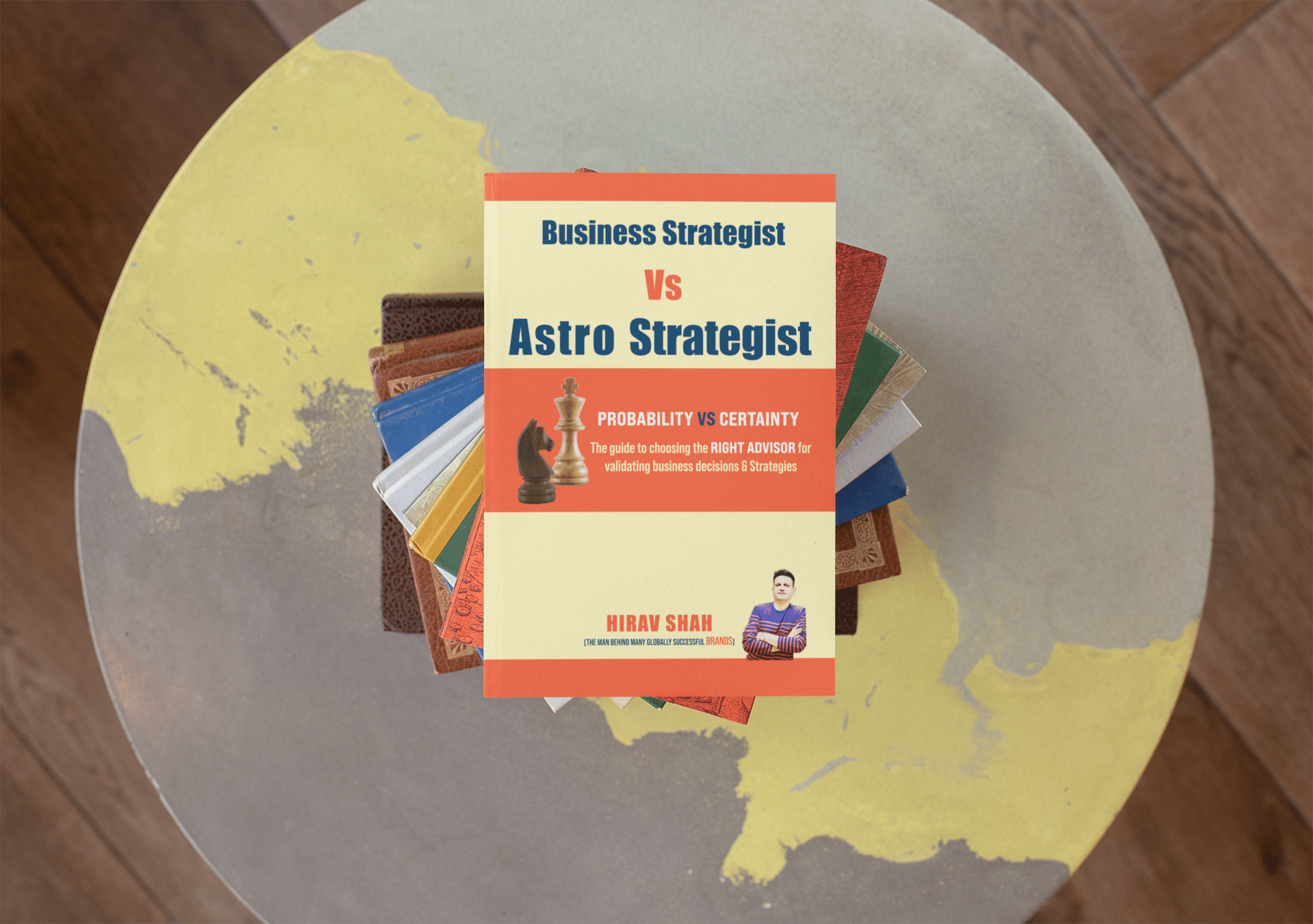
This article is authored by Hirav Shah, a globally respected Business Strategist and The Game Changer in Entertainment, Sports, and Business. He is the founder of the world’s first Business Decision Validation Hub and the author of 19+ strategy books. His 6+3+2 framework and Astro Strategy approach have guided entrepreneurs, startups, corporates, sports professionals, and entertainers to validate decisions, reduce risks, and achieve breakthrough results.