
Branding isn’t just for big corporations with massive marketing budgets. Small businesses, including construction companies, can leverage branding to build recognition, trust, and loyalty with customers. Whether you’re just starting or looking to refresh your construction business’s brand, effective branding doesn’t have to be overwhelming. In fact, focusing on a few key areas can have a lasting impact.
Here’s a step-by-step guide on how to brand your small construction business with small yet efficient steps:
Table of Contents
1. Define Your Brand Identity

Before diving into marketing materials or logo design, take the time to define who you are as a business. Your brand identity is more than just a logo or slogan—it’s the essence of your business and how you want your clients to perceive you.
Questions to ask:
- What is your company’s mission and vision?
- What are your core values (e.g., quality, reliability, sustainability)?
- What makes your construction business different from others? (e.g., personalized service, innovative designs, eco-friendly materials)
- What is the personality of your brand? Is it professional and formal, or more casual and approachable?
Tip: Write a short statement or mission that communicates the purpose and values of your company. This will serve as the foundation for all branding efforts moving forward.
2. Create a Memorable Logo
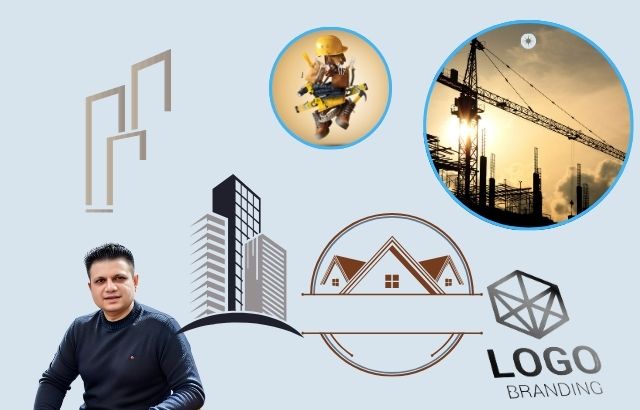
Your logo is often the first thing people will see, so it’s essential that it reflects your business. A strong logo doesn’t need to be complex—just memorable, simple, and professional. Think about what you want the logo to communicate. Are you emphasizing durability, craftsmanship, or modern design?
If you’re working with a designer, make sure to provide them with a clear idea of your brand’s personality and what you want the logo to represent. If you’re designing it yourself, tools like Canva or Adobe Spark can help you create a clean, effective design.
Tip: Choose colors and fonts that reflect your brand’s personality. For instance, blue can convey trust and professionalism, while green may symbolize eco-consciousness.
3. Build an Easy-to-Navigate Website
In today’s digital world, having a website is non-negotiable, even for small construction businesses. Your website serves as a hub for potential clients to learn about your services, view past projects, and get in touch with you.
Focus on the essentials:
- A brief introduction to your company
- A gallery showcasing past work
- Clear and concise contact information
- Customer testimonials or reviews to build trust
Your website doesn’t need to be fancy, but it should be professional, easy to navigate, and mobile-friendly (many clients will check your site from their phones).
Tip: Consider adding a blog section to your website to share construction tips, project updates, and industry insights. This can help improve SEO and establish your authority in the field.
4. Leverage Social Media

Social media is a powerful tool for construction businesses. While it may seem like something only big brands can capitalize on, small businesses can use social platforms to showcase their work, connect with clients, and promote brand awareness.
Focus on platforms like Facebook, Instagram, and LinkedIn:
- Instagram: Share photos and videos of your projects, behind-the-scenes shots, or even time-lapse videos of construction progress.
- Facebook: Post updates on completed projects, safety tips, or industry news to keep your audience engaged.
- LinkedIn: Connect with industry professionals, post thought leadership articles, and highlight your business’s accomplishments.
Tip: Social media isn’t just about posting—it’s about engaging. Respond to comments, participate in local community groups, and interact with potential clients.
5. Utilize Local SEO

When people search for a construction business, they often look for local options. Local SEO (Search Engine Optimization) can help your business show up in local search results, which is essential for attracting nearby clients.
- Claim your Google My Business listing: This is a free tool that helps your business show up in Google searches and on Google Maps. Make sure to include up-to-date contact info, business hours, photos, and customer reviews.
- Optimize your website for local search: Include location-specific keywords in your website’s content (e.g., “Houston residential construction” or “Miami commercial construction”).
Tip: Encourage satisfied clients to leave positive reviews on Google, Yelp, or other platforms. This helps boost your credibility and improves your search ranking.
6. Create Consistent Marketing Materials

Once you have a logo and website, it’s time to ensure that all of your marketing materials are cohesive. From business cards to vehicle wraps, consistency is key. Use the same color palette, fonts, and design elements across all platforms and materials.
Some materials to consider:
- Business Cards: Keep it simple but informative with your logo, contact details, and a tagline.
- Brochures: These are especially helpful for showcasing your services or detailed projects.
- Vehicle Wraps: A mobile billboard for your business. A branded vehicle is a great way to market while on the road.
Tip: Keep your messaging clear and simple. Clients should immediately understand what you do and how they can reach you.
7. Network and Build Relationships

Branding isn’t just about how your business looks; it’s also about how you connect with clients and the community. Word of mouth and referrals play a huge role in construction businesses. Attend local business events, join community groups, and network with suppliers, contractors, and potential clients.
Building strong relationships will increase your reputation, which in turn strengthens your brand. A recommendation from a trusted friend or business can be more valuable than any advertisement.
Tip: Offer referral incentives to clients or partners who recommend your business. A simple thank-you note or a small gift can go a long way in fostering loyalty.
8. Track Your Brand’s Performance

Once your branding efforts are in place, it’s important to measure how well they’re working. Are you getting more inquiries? Is your social media engagement increasing? Is your website traffic growing?
Use tools like Google Analytics for your website and track your social media insights to understand your audience better and adjust your strategy as needed.
Tip: Pay attention to client feedback—both positive and negative. Constructive criticism can help you improve your brand and services over time.
Conclusion

Branding your small construction business doesn’t have to be a complex or expensive process. By focusing on key areas like defining your brand identity, creating a memorable logo, building a user-friendly website, leveraging social media, and networking within your community, you can build a strong and effective brand without breaking the bank.
Remember, consistency and authenticity are vital. Your brand should reflect who you are, what you stand for, and why customers should choose you over competitors. By taking small but efficient steps, you’ll create a solid foundation for your construction business to grow and thrive.
Ready to Build Your Brand?

The construction industry is competitive, but with the right branding, your business can stand out. Which of these steps are you planning to implement first? Or, if you’ve already started branding your business, what’s been the most effective strategy for you? Let’s chat!