
Table of Contents
Foreign exchange Rate
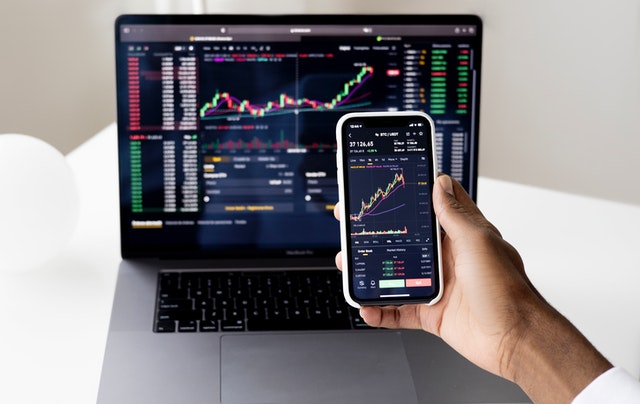
An exchange rate is a relative cost of one currency expressed in terms of another currency (or group of currencies).
The factors impressing foreign exchange rate are vital.
Factors influencing exchange rate can be economic, political, and psychological.
To analyze the factors influencing exchange rate changes, we had a chat with Hirav Shah
Foreign exchange rates are an important way of measuring a country’s economic health, and a great way to assess the suitability of an economy for business expansion. This is why the exchange rate markets are so closely watched.
What influences movements in exchange rates? And more, what makes them ‘volatile’? That word gets thrown around a lot in the foreign exchange space, but what does it mean?

Speaking on the topic Hirav Shah says, “Foreign exchange rates are the most-watched, analyzed, and manipulated economic measures in the country. The importance is such that they affect foreign investment and the balance of trade. Exchange rates are the value of a currency in comparison to the other. They are highly volatile and can confuse someone who transfers money regularly. Several factors affect them, one being interest and inflation rates.”
7 Crucial Factors that impact the Foreign exchange rate
Let’s critically analyze the factors determining exchange rate.
1. Interest and inflation rates
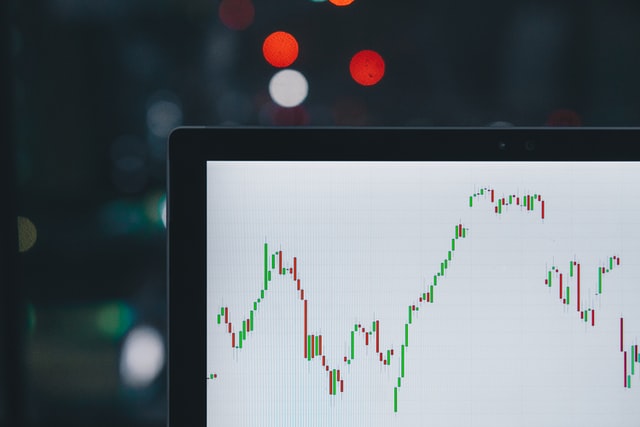
Inflation is where the cost of goods and services increases over time. Interest rates are the amount that banks charge on borrowing money. These factors are linked since people tend to borrow and spend more when the interest rates are low, thereby increasing costs. These rates are direct indicators of the country’s current and future economic performance. Such aspects have a direct impact on forex exchange throughout the globe. A rise in the rate of interest means an increase in the value of the local currency.
2. Current account deficit
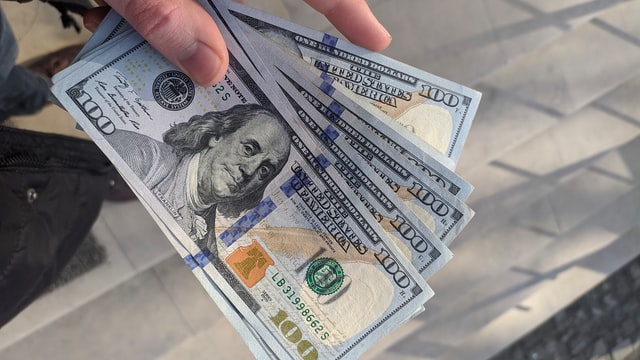
The existing account is the balance of trade between the country and its trading partners. It is the difference in value between goods and services trades with other countries. If a country purchases more than it sells, then the balance of trade is a deficit. This too directly affects the foreign exchange rates, considering the country needs more foreign capital, thus decreasing the popularity of local currency.
3. Government debt
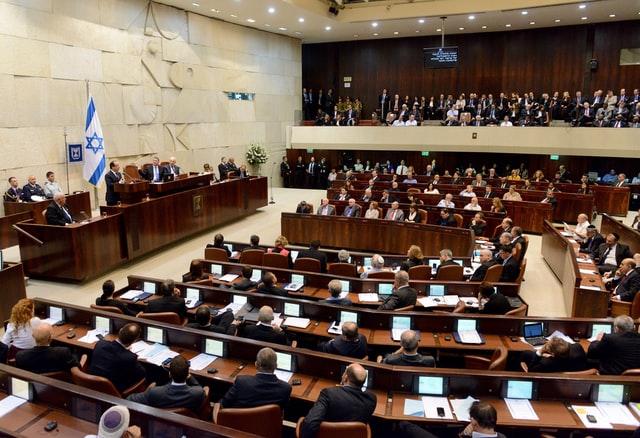
It is the total national debt owned by the Central Government. A country that owns massive Government debt is likely to attract foreign investment and capital, leading to inflation. If the foreign investors foresee a rise in Government debts, they may sell their bonds in the open market. This results in an oversupply of the local currency, thereby diminishing the value.
4. Trade terms
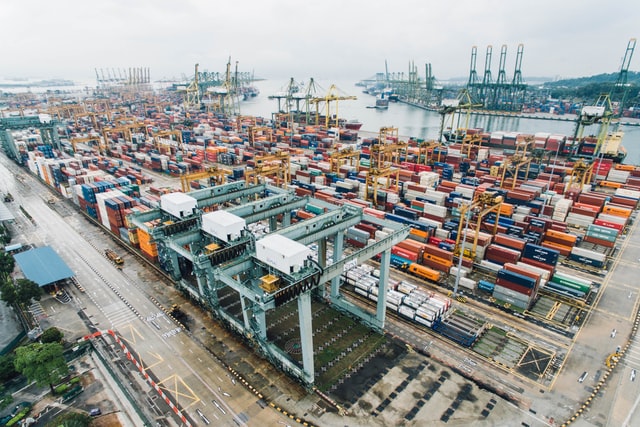
It is the ratio of export rates of a country to its import prices. When the export prices increase, the import rates improve trade wise. This results in higher revenue and increases the demand for the local currency. So, the value of the currency also rises. Hence, cumulatively, it results in appreciation of the foreign exchange rate.
5. Economic performance
One of the major factors that affect the financial performance of the country is politics. A country that carries decent political stability attracts more foreign investment and vice versa. It results in an appreciation of the value of the domestic currency. The security also impacts financial and trade policies, thereby affecting the value of forex exchange.
6. Recession

The interest rates of the country are likely to fall under recession. This diminishes the chances to acquire foreign capital. Hence, it weakens the currency of the country in question, thereby weakening the exchange rate.
7. Speculation
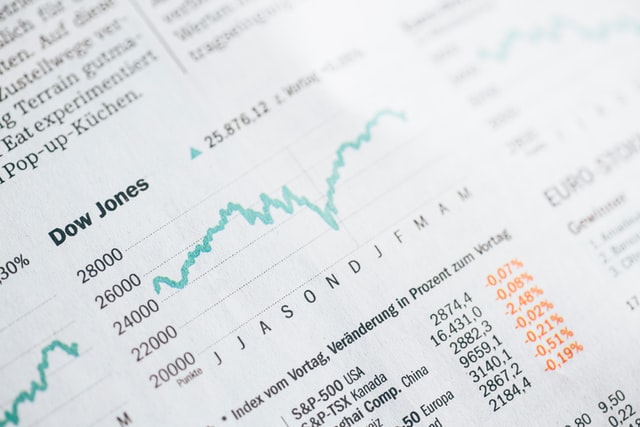
Investors demand more money when the country’s currency value is expected to soar. Therefore, the currency value rises owing to its demand. This leads to a rise in foreign exchange rates.
Frequently Asked Questions (FAQs) about Foreign Exchange Rate Factors

1. What are the main factors that affect the foreign exchange rate?
The main factors affecting foreign exchange rates include:
- Interest Rates: Higher interest rates attract foreign capital, increasing the demand for a currency.
- Inflation Rates: Countries with lower inflation typically see their currency appreciate in value because their purchasing power increases relative to higher inflation countries.
- Economic Indicators: Economic growth, employment rates, GDP, and trade balances impact currency value.
- Political Stability: Countries with stable governments and economies tend to have stronger currencies.
- Market Sentiment: Investor perceptions about the strength of a country’s economy and political stability can sway currency values.
- Government Debt: High levels of national debt can lead to inflation, lowering the currency’s value.
- Supply and Demand: If a currency is in demand for international trade, investment, or tourism, its value will rise.
Example:
A rise in U.S. interest rates may attract more investments, thus increasing demand for the U.S. dollar and causing its value to rise against other currencies like the Euro.
2. How do interest rates impact foreign exchange rates?
Interest rates play a significant role in determining currency values. Higher interest rates provide better returns on investments in a country, leading to higher demand for that country’s currency.
Example:
If the Federal Reserve in the U.S. raises interest rates, it may attract foreign investments, causing an increase in demand for the U.S. dollar, strengthening its value against currencies like the British Pound or the Japanese Yen.
Stat: When the Federal Reserve increased interest rates in 2018, the U.S. Dollar Index rose by 5.3% against a basket of six major currencies.
3. How does inflation affect the foreign exchange rate?
Inflation decreases a currency’s purchasing power, making it less attractive to foreign investors. A higher inflation rate often leads to a depreciation of the currency.
Example:
If a country like Turkey experiences high inflation, the Turkish lira will likely weaken against more stable currencies like the U.S. dollar or Euro.
Stat: Between 2018-2022, the Turkish Lira lost more than 70% of its value against the U.S. dollar due to high inflation and economic instability.
4. What role does political stability play in foreign exchange rates?
Countries with political stability and clear governance structures tend to have stronger currencies. Conversely, political instability can cause fear and decrease demand for the currency.
Example:
During the Brexit referendum in 2016, the British Pound plunged by over 10% in a matter of days due to concerns about the political future of the UK.
5. How do economic indicators impact currency values?
Economic indicators such as GDP growth, employment rates, and trade balances can influence the strength of a currency. A growing economy typically results in a stronger currency.
Example:
If the U.S. reports strong GDP growth and low unemployment, this will likely increase confidence in the U.S. economy and strengthen the dollar against other currencies.
Stat: In 2020, the U.S. dollar strengthened when the country’s GDP grew at a 33.1% annualized rate in Q3, signaling recovery from the pandemic.
6. What is the role of government debt in currency values?
Higher government debt can lead to inflation, eroding the currency’s value. Countries with large amounts of debt may face the risk of default or devaluation.
Example:
In 2011, the Euro dropped against the U.S. dollar as concerns grew over Greece’s debt crisis and the potential for a default.
7. What are some short-term factors that affect foreign exchange rates?
In the short term, foreign exchange rates can be heavily influenced by:
- Speculation: Traders’ predictions about future economic conditions can lead to rapid changes in currency value.
- Natural Disasters or Crises: Unforeseen events can disrupt economies, impacting the value of the currency.
Example:
The Japanese Yen strengthened in 2011 after the earthquake and tsunami, as Japanese investors repatriated funds for rebuilding, increasing demand for the yen.

Hirav Shah adds, ‘Now we know what influences the markets, you’re already far more prepared than the majority. From here, you can use these factors to your advantage when planning a currency strategy that uses any potential volatility to your advantage.”
“For example, by partnering with a global money transfer specialist when dealing with different currencies around the world, you can take advantage of tools designed for that specific purpose.”
Business strategist Hirav Shah wraps up by saying, “Exchange rates are subject to fluctuation concerning there are so many factors involved. It can be quite distressing for those who transfer funds frequently. However, observing the exchange rates closely can determine the right time to make transfers.”