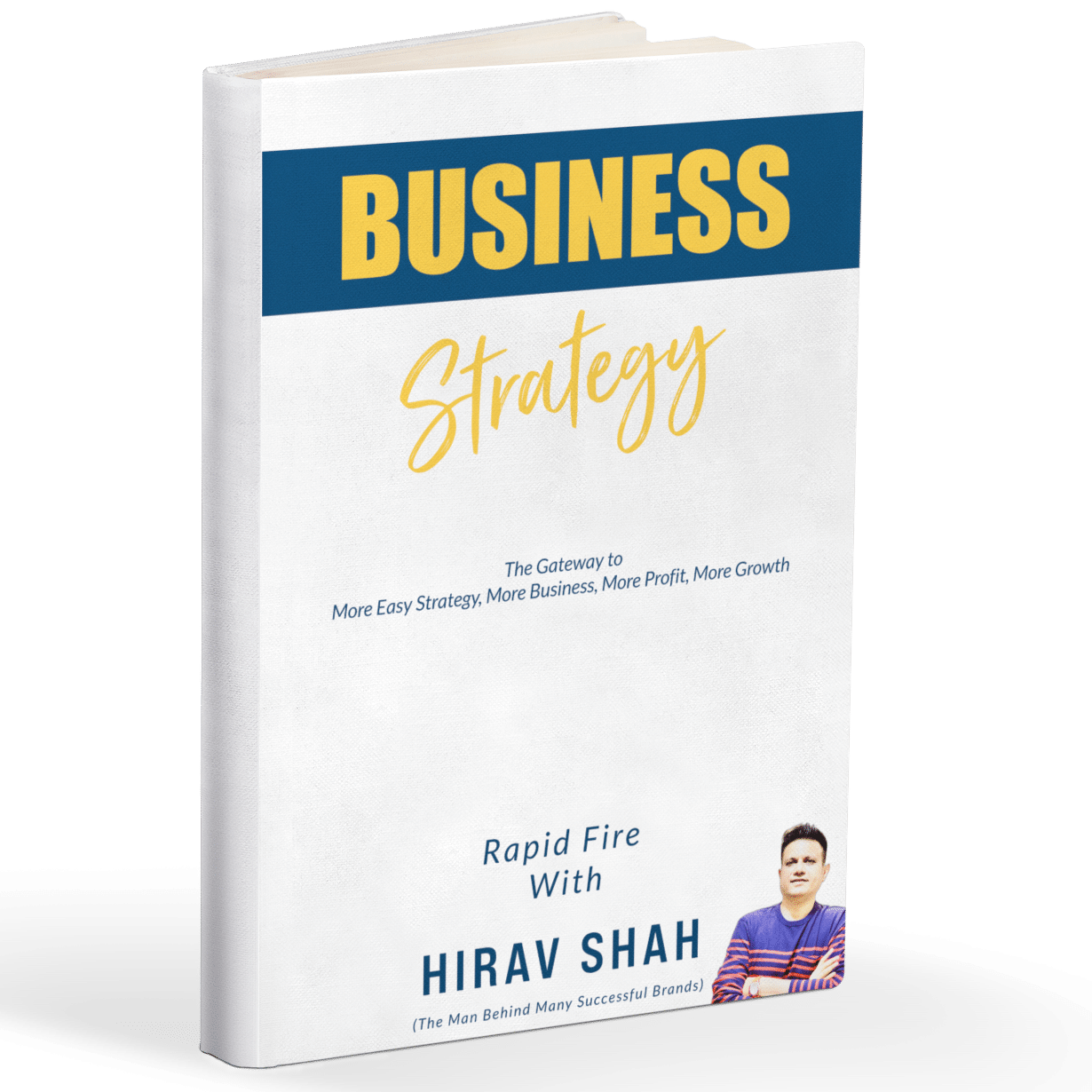

In today’s hyper-competitive business environment, organizations spend millions on technology, marketing, and operational efficiency—yet many overlook one of the most powerful drivers of sustainable growth: validation.
Validation is more than emotional support or interpersonal politeness. In business, it is a strategic leadership skill that builds trust, increases employee performance, strengthens customer loyalty, and enhances decision-making. In personal life, it reinforces confidence, emotional resilience, and self-worth.
According to renowned business strategist Hirav Shah, companies that understand human psychology and emotional intelligence outperform those focused only on numbers. Strategy is not only about market positioning; it is about understanding people—employees, customers, investors, and stakeholders.
This article explores how validation influences confidence, leadership, organizational growth, and long-term business success while offering practical frameworks, strategic examples, and measurable business applications.
Table of Contents
Understanding Validation: The Foundation of Human Confidence

Validation is the process of acknowledging and accepting another person’s emotions, perspectives, or experiences as understandable and meaningful.
It does not necessarily mean agreement. Instead, validation communicates respect, empathy, and recognition.
In professional and personal environments alike, validation creates psychological safety—a critical factor in trust-building and high performance.
Validation generally falls into three categories:
1. Emotional Validation

This involves recognizing and respecting someone’s emotional experience.
Example:
A startup founder says:
“We missed our quarterly targets, and I’m frustrated.”
A validating response would be:
“It makes complete sense that you feel disappointed after investing so much effort into this quarter.”
This response reduces defensiveness and opens the door for productive problem-solving.
2. Cognitive Validation

Cognitive validation acknowledges another person’s thinking process or perspective, even when opinions differ.
Example in business negotiations:
“I understand why you believe aggressive expansion is the right move considering current market demand.”
This approach promotes collaborative decision-making instead of confrontation.
3. Behavioral Validation

Behavioral validation recognizes why someone acted in a certain way based on circumstances.
Example:
“I understand why your team reacted cautiously after the previous campaign underperformed.”
This form of validation improves accountability without creating fear.
Why Validation Matters in Modern Business Strategy

Many businesses focus heavily on systems and performance metrics while ignoring emotional dynamics within teams and customer relationships.
However, validation directly impacts:
- Employee retention
- Customer loyalty
- Leadership effectiveness
- Brand trust
- Team innovation
- Crisis management
- Organizational resilience
Business strategist Hirav Shah frequently emphasizes that businesses grow faster when leaders understand both market psychology and human behavior.
In high-growth organizations, employees who feel heard become more innovative, collaborative, and productive.
The Psychology Behind Validation and Confidence
Human beings naturally seek acknowledgment and understanding. When people feel dismissed, ignored, or undervalued, confidence declines.
Conversely, validation activates emotional security and self-belief.
The Confidence Loop
Validation creates a positive psychological cycle:
- A person feels heard
- Stress and emotional resistance decrease
- Confidence improves
- Performance increases
- Results improve
- Self-esteem strengthens further
This cycle applies equally to:
- Employees
- Entrepreneurs
- Clients
- Leaders
- Teams
- Customers
Validation in Leadership: A Competitive Advantage

The most effective leaders today are not merely authoritative decision-makers. They are emotionally intelligent strategists.
Strong leaders validate concerns before implementing solutions.
Example: Crisis Management in a Startup
Imagine a technology startup facing sudden funding pressure.
A poor leadership response:
“Stop worrying and just work harder.”
A strategic validating response:
“I understand why the uncertainty is creating anxiety. Let’s review our runway, prioritize revenue-generating projects, and create a clear action plan together.”
The second response:
- Maintains morale
- Reduces panic
- Encourages collaboration
- Builds trust
- Increases productivity during pressure
This is where strategic leadership becomes transformational.
Validation and Employee Performance

Organizations often underestimate how much validation impacts productivity.
Employees who feel respected and acknowledged:
- Take greater initiative
- Contribute more ideas
- Stay longer with the company
- Perform better under pressure
- Develop stronger loyalty
Case Study Scenario: Sales Team Motivation
A mid-sized SaaS company noticed declining sales performance.
Instead of criticizing employees, management introduced:
- Weekly recognition meetings
- Personalized performance feedback
- Public acknowledgment of effort
- Open listening sessions
Results After 6 Months
| Metric | Before | After |
|---|---|---|
| Employee Retention | 72% | 89% |
| Monthly Sales Growth | 4% | 14% |
| Employee Satisfaction | 6.1/10 | 8.7/10 |
The company discovered that emotional validation directly improved business performance.
Strategic Analysis: The ROI of Validation in Business

Validation is not just emotionally beneficial—it creates measurable financial returns.
Example ROI Calculation
A company invests ₹5,00,000 annually in:
- Leadership communication training
- Employee recognition programs
- Team engagement systems
After implementation:
- Employee turnover drops by 20%
- Recruitment costs reduce by ₹8,00,000
- Productivity increases by 12%
- Revenue improves by ₹15,00,000 annually
ROI Formula
ROI=\frac{Net\ Profit}{Investment}\times100
ROI Example
Net Gain = ₹15,00,000 + ₹8,00,000 savings − ₹5,00,000 investment
Net Gain = ₹18,00,000
ROI:
ROI=\frac{18,00,000}{5,00,000}\times100=360%
This demonstrates that emotional intelligence initiatives can generate significant business value.
Validation in Client Relationships
Customer relationships are strengthened when businesses validate concerns instead of becoming defensive.
Example: Client Retention Strategy
A marketing agency receives a complaint:
“We’re unhappy with campaign performance.”
An ineffective response:
“The ads are working fine.”
A strategic validating response:
“I understand your concern regarding ROI expectations. Let’s review the campaign data together and identify optimization opportunities.”
This approach:
- Preserves trust
- Prevents escalation
- Improves retention
- Opens collaborative dialogue
How Validation Drives Innovation

Innovation thrives in psychologically safe environments.
Employees contribute more ideas when they know:
- Their perspectives matter
- Mistakes will not be punished unfairly
- Leaders listen actively
- Creativity is encouraged
Companies with high-validation cultures often outperform competitors because employees become active contributors rather than passive workers.
This is particularly important in:
- Technology startups
- Creative industries
- Consulting firms
- Research organizations
- High-growth enterprises
Self-Validation: The Hidden Driver of Entrepreneurial Success

Entrepreneurs face rejection, uncertainty, criticism, and financial pressure regularly.
Without self-validation, confidence deteriorates quickly.
Business strategist Hirav Shah often highlights that successful entrepreneurs develop internal resilience before external success.
Practical Self-Validation Techniques
1. Replace Destructive Self-Talk
Instead of:
“I failed.”
Say:
“This result did not work, but I learned valuable information.”
2. Track Progress Metrics
Keep measurable records of:
- Revenue growth
- Skill development
- Customer acquisition
- Team improvements
- Strategic milestones
Progress builds confidence.
3. Focus on Long-Term Vision
Short-term setbacks should not define long-term capability.
Every major business success story includes periods of uncertainty and failure.
Validation and Strategic Decision-Making

Validation improves decision quality because it encourages diverse perspectives.
Leaders who validate team input gain:
- Better market insights
- Stronger risk analysis
- More innovation
- Higher engagement
Example: Product Expansion Decision
A retail company considers entering a new market.
Instead of dismissing junior employees, leadership encourages feedback from:
- Sales teams
- Customer service
- Market researchers
- Logistics managers
This broader validation process identifies operational risks early and prevents costly mistakes.
Validation During Organizational Change
Mergers, restructuring, layoffs, and rapid growth create emotional uncertainty.
Leaders who fail to validate employee concerns often face:
- Resistance
- Productivity loss
- High attrition
- Internal conflict
Strategic Communication Example
“I understand this transition is challenging. Our goal is to create long-term stability, and we will support the team throughout the process.”
Validation reduces fear while maintaining transparency.
The Role of Business Strategists in Organizational Growth

A business strategist does far more than create expansion plans.
Strategists analyze:
- Market conditions
- Consumer behavior
- Leadership effectiveness
- Organizational psychology
- Operational risks
- Growth scalability
Experts like Hirav Shah integrate emotional intelligence with strategic planning.
This combination helps businesses:
- Improve team performance
- Strengthen brand loyalty
- Build resilient leadership cultures
- Increase long-term profitability
The modern strategist understands that sustainable growth depends equally on numbers and people.
Practical Applications of Validation in Business

Daily Leadership Meetings
Instead of immediately correcting employees, first acknowledge effort and perspective.
Example:
“I appreciate the initiative you took here. Let’s refine the execution strategy.”
Sales Negotiations
Validation reduces resistance.
Example:
“I understand budget constraints are a major concern. Let’s explore a phased implementation model.”
Investor Communication
During difficult quarters:
“We recognize investor concerns regarding margins. Here’s our strategy for operational improvement over the next two quarters.”
Startup Team Building
Founders who validate employees build stronger startup cultures and improve retention during scaling phases.
Long-Term Business Impact of Validation

Organizations that consistently practice validation often experience:
- Higher employee engagement
- Stronger leadership pipelines
- Reduced conflict
- Increased innovation
- Better customer loyalty
- Improved mental well-being
- Sustainable growth
Validation creates cultures where people feel respected, motivated, and confident enough to perform at their best.
Frequently Asked Questions (FAQs)
1. Does validation mean agreeing with everyone?
No. Validation means acknowledging emotions or perspectives without necessarily agreeing with them.
Example:
“I understand why you feel that way.”
2. Can validation improve workplace productivity?
Yes. Employees who feel respected and understood are more motivated, collaborative, and committed to organizational goals.
3. How does validation affect customer loyalty?
Customers remain loyal to brands that listen to concerns respectfully and respond empathetically.
4. Is validation important during business crises?
Absolutely. During uncertainty, validation reduces fear, improves communication, and strengthens leadership credibility.
5. How can entrepreneurs practice self-validation?
Entrepreneurs can:
- Track achievements
- Reframe failures as learning opportunities
- Practice self-compassion
- Focus on long-term growth
6. Why do business strategists emphasize emotional intelligence?
Because business success depends heavily on people, relationships, trust, communication, and leadership effectiveness.
Conclusion: Validation as a Growth Strategy

Validation is not weakness. It is strategic intelligence.
In both business and personal life, people perform better when they feel heard, respected, and understood.
From leadership and employee engagement to customer retention and entrepreneurial confidence, validation influences nearly every aspect of long-term success.
Business strategist Hirav Shah continues to emphasize that sustainable growth comes from combining strategic thinking with human understanding.
The companies and leaders who master validation gain more than emotional goodwill—they gain trust, resilience, innovation, loyalty, and competitive advantage.
In a world increasingly driven by technology and automation, the ability to genuinely understand and validate people may become one of the most valuable business assets of all.