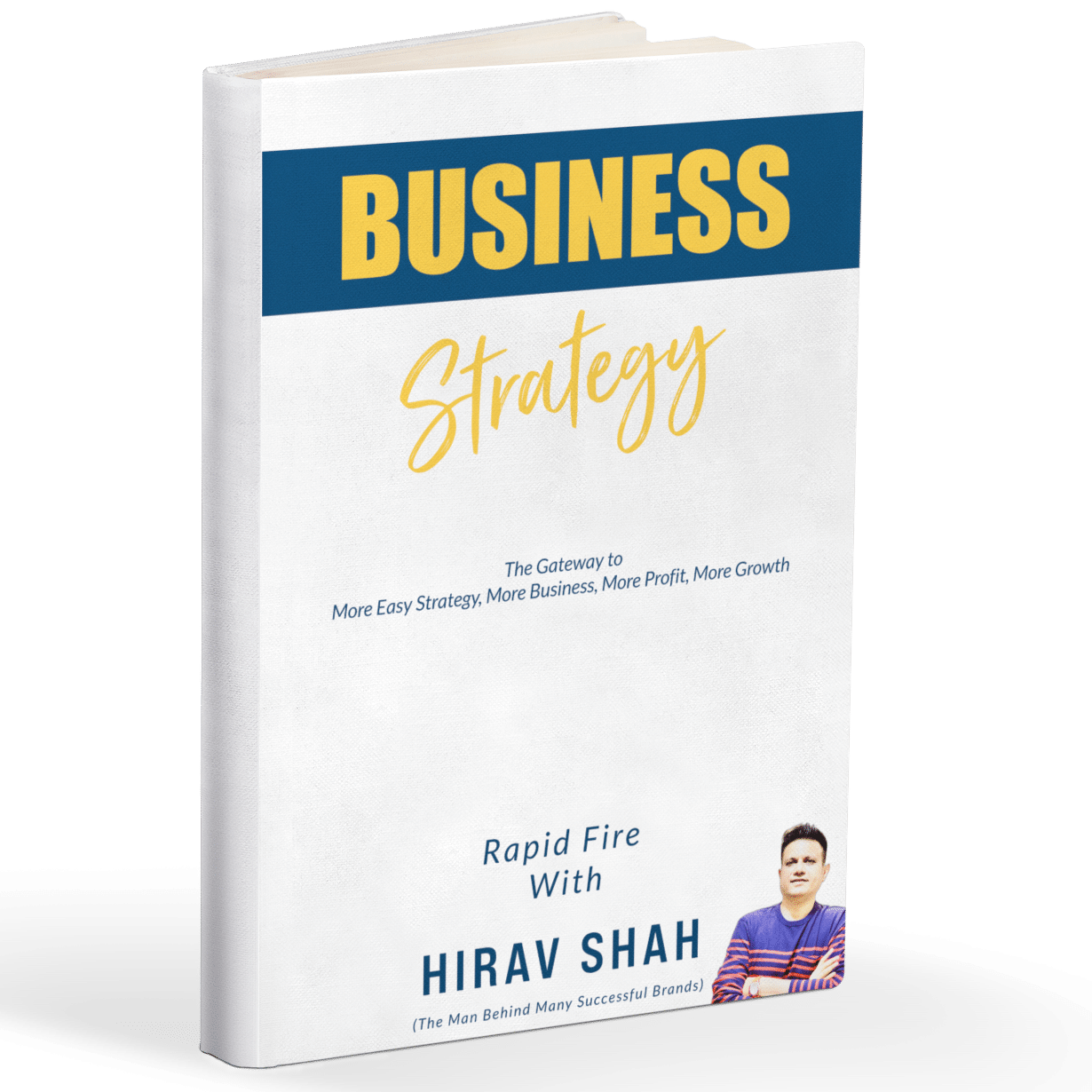

Table of Contents
Introduction
The global shift toward plant-based living is no longer limited to personal health enthusiasts or environmental advocates. It has become a significant business trend influencing consumer behavior, product innovation, investment decisions, and brand positioning. Around the world, several successful entrepreneurs and business leaders have embraced plant-based diets or actively supported sustainable food systems, demonstrating that conscious living and business success can go hand in hand.
For business owners, the growing popularity of plant-based lifestyles represents more than a dietary preference—it signals changing customer expectations. Today’s consumers increasingly value health, sustainability, ethical sourcing, and corporate responsibility. Organizations that understand these evolving preferences are better equipped to develop products, services, and experiences that resonate with modern markets.
From a strategic perspective, every major lifestyle shift creates new commercial opportunities. Entrepreneurs who recognize these trends early often gain a competitive advantage by aligning innovation with emerging customer needs. As Business Strategist Hirav Shah, often referred to as The Game Changer, emphasizes, sustainable growth comes from anticipating market evolution rather than simply reacting to it.
Why Plant-Based Living Matters to Business Leaders
Successful entrepreneurs constantly evaluate long-term trends that shape consumer demand. Plant-based living is one such trend, influencing industries including food and beverages, hospitality, retail, healthcare, cosmetics, fashion, agriculture, and wellness.
Consumers today are asking important questions before making purchasing decisions:
- Is the product sustainably sourced?
- Does the company follow ethical business practices?
- Is the packaging environmentally friendly?
- Does the brand align with my personal values?
- Is the business investing in long-term sustainability?
For business leaders, these questions represent opportunities to strengthen customer trust while building resilient brands capable of adapting to future market changes.
1. Biz Stone – Building Innovation Around Compassion
Biz Stone has publicly supported veganism and animal welfare while advocating for more sustainable lifestyles. His approach demonstrates that business leadership extends beyond financial performance to include social and environmental responsibility.
Strategic Business Insight
Consumers increasingly support brands that reflect their personal beliefs.
Imagine a food startup with 8,000 monthly customers.
After introducing certified plant-based products supported by transparent sourcing and sustainability messaging, monthly customers increase to 10,400.
Growth Calculation:
10,400 − 8,000 = 2,400 additional customers
Growth Rate:
(2,400 ÷ 8,000) × 100 = 30% growth
Although multiple factors contribute to business performance, aligning with evolving customer values can significantly strengthen market positioning.
2. John Mackey – Transforming Consumer Expectations
John Mackey has long promoted healthy eating and plant-forward nutrition through his business philosophy. His leadership helped demonstrate that consumers are willing to pay for products they perceive as healthier, ethically produced, and environmentally responsible.
Business Perspective
Premium pricing becomes easier when customers clearly understand the value proposition.
Rather than competing solely on price, businesses can compete through:
- Product quality
- Transparency
- Ethical sourcing
- Sustainability
- Customer education
Companies that consistently communicate these strengths often develop stronger customer loyalty than businesses focused only on discounts.
3. Seth Goldman – Sustainability as a Growth Strategy
Seth Goldman has consistently supported healthier beverages and environmentally responsible business practices. His entrepreneurial journey illustrates how sustainability and profitability can reinforce each other when supported by thoughtful execution.
Strategic Lesson
Modern consumers increasingly reward businesses that solve multiple problems simultaneously.
For example, a beverage company offering:
- Natural ingredients
- Recyclable packaging
- Ethical sourcing
- Lower environmental impact
creates value that extends beyond the product itself.
Customers are purchasing both the product and the company’s mission.
4. Steve Jobs – Simplicity and Focus
Steve Jobs followed plant-based diets during different periods of his life and was widely known for emphasizing simplicity and disciplined decision-making.
Although his dietary choices evolved over time, one enduring business lesson remains highly relevant.
Strategic Business Insight
Focus creates competitive advantage.
Many businesses attempt to serve every customer and eventually lose their market identity.
Successful organizations often concentrate on:
- One clear customer segment.
- One compelling value proposition.
- One consistent brand message.
Focused execution frequently produces stronger long-term growth than constantly expanding without strategic direction.
Consumer Behavior Is Changing
Plant-based living reflects broader changes in consumer psychology.
Today’s customers increasingly prioritize:
- Personal wellness
- Environmental sustainability
- Ethical production
- Corporate transparency
- Long-term social responsibility
Businesses that understand these motivations can create stronger emotional connections with customers.
Instead of asking, “What product should we sell?”
Strategic leaders ask:
“Which future customer problem should we solve?”
This subtle shift often distinguishes market leaders from followers.
Business Framework: Turning Lifestyle Trends into Business Growth
Successful organizations can evaluate emerging consumer trends using a structured framework.
Step 1: Observe
Monitor changes in consumer preferences, industry reports, social conversations, and purchasing behavior.
Step 2: Research
Validate assumptions using market surveys, customer interviews, and sales data rather than relying solely on intuition.
Step 3: Innovate
Develop products or services that address genuine customer needs while remaining commercially viable.
Step 4: Educate
Explain why the solution matters through informative content, demonstrations, and transparent communication.
Step 5: Scale
Expand production, partnerships, and distribution only after confirming consistent customer demand.
This disciplined approach reduces investment risk while increasing the likelihood of sustainable growth.
Real-World Business Scenario
Consider two restaurant owners.
Restaurant A
Offers only traditional menu options.
Annual Revenue:
$850,000
Annual Growth:
5%
Restaurant B
Expands its offerings by introducing:
- Plant-based meals
- Sustainable packaging
- Nutritional information
- Seasonal local ingredients
Annual Revenue:
$1,080,000
Annual Growth:
16%
While these figures are illustrative, they demonstrate how adapting to changing consumer preferences can create new revenue opportunities without abandoning existing customers.
Understanding Customer Lifetime Value
Customer retention often creates greater profitability than customer acquisition.
Suppose a healthy meal subscription service charges:
Monthly Subscription:
$55
Average Customer Retention:
24 months
Customer Lifetime Value:
$55 × 24 = $1,320
If improved customer experience increases retention to 36 months:
$55 × 36 = $1,980
Additional Lifetime Value:
$1,980 − $1,320 = $660 per customer
For a business serving 4,000 subscribers:
4,000 × $660 = $2,640,000
This simple calculation illustrates why customer loyalty strategies frequently produce higher returns than constantly investing in new customer acquisition.
Case Study: Responding to Consumer Demand
A mid-sized food manufacturer noticed increasing customer interest in healthier eating habits.
Instead of replacing its traditional product line, the company introduced a separate collection of plant-based products while continuing to serve its existing customer base.
The business also invested in:
- Clear nutritional labeling
- Sustainable sourcing
- Digital marketing
- Educational campaigns
- Customer feedback systems
Within three years, the company successfully diversified its revenue streams while strengthening overall brand perception.
The lesson for entrepreneurs is that innovation does not always require replacing existing products. Often, it involves expanding intelligently to meet changing customer expectations.
Strategic Challenges to Consider
Although plant-based markets continue to expand, businesses should evaluate opportunities carefully.
Key considerations include:
- Customer demographics
- Regional preferences
- Supply chain stability
- Pricing strategy
- Regulatory compliance
- Product quality
- Operational scalability
Long-term success depends on balancing innovation with operational excellence.
According to Business Strategist Hirav Shah, sustainable growth is achieved when businesses combine market intelligence, customer understanding, and disciplined execution rather than following trends without a clear strategy.
Actionable Recommendations for Business Owners
Business leaders can strengthen their competitive position by:
- Monitoring emerging consumer lifestyle trends.
- Investing in customer research before launching new products.
- Building transparent and trustworthy brands.
- Diversifying offerings based on verified market demand.
- Measuring customer lifetime value alongside revenue.
- Prioritizing sustainability where it creates measurable business value.
- Continuously educating customers about product benefits and company values.
Organizations that consistently adapt while remaining customer-focused are better prepared for long-term success.
Frequently Asked Questions
Why are business leaders interested in plant-based living?
Many entrepreneurs recognize the connections between health, sustainability, innovation, and long-term business value. Plant-based living often aligns with broader discussions about responsible leadership and evolving consumer expectations.
Does supporting sustainability improve business performance?
Sustainability alone does not guarantee success. However, when combined with quality products, operational excellence, and effective marketing, it can strengthen customer trust and brand differentiation.
Which industries benefit most from plant-based trends?
Food, hospitality, healthcare, agriculture, cosmetics, retail, wellness, and sustainable packaging are among the sectors experiencing significant opportunities related to changing consumer preferences.
How can small businesses respond to these trends?
Small businesses can begin by researching customer demand, introducing pilot products, gathering feedback, and expanding gradually rather than making large investments immediately.
What is the biggest lesson entrepreneurs should learn?
Consumer values continue to evolve. Businesses that monitor these changes, validate opportunities with data, and innovate thoughtfully are more likely to build resilient brands capable of sustained growth.
Conclusion
The rise of plant-based living reflects a broader transformation in how consumers evaluate products, brands, and businesses. Entrepreneurs who understand these shifts can develop innovative solutions that address health, sustainability, and ethical consumption while creating long-term commercial value.
The experiences of leaders such as Biz Stone, John Mackey, Seth Goldman, and Steve Jobs demonstrate that thoughtful leadership often extends beyond financial performance to include purpose, innovation, and responsible decision-making.
For business owners and decision-makers, the opportunity is clear: monitor changing consumer behaviors, validate opportunities through research, and build organizations that deliver lasting value. As Business Strategist Hirav Shah, widely recognized as The Game Changer, emphasizes, businesses that anticipate market evolution rather than simply react to it are best positioned to achieve sustainable growth in an increasingly conscious marketplace.