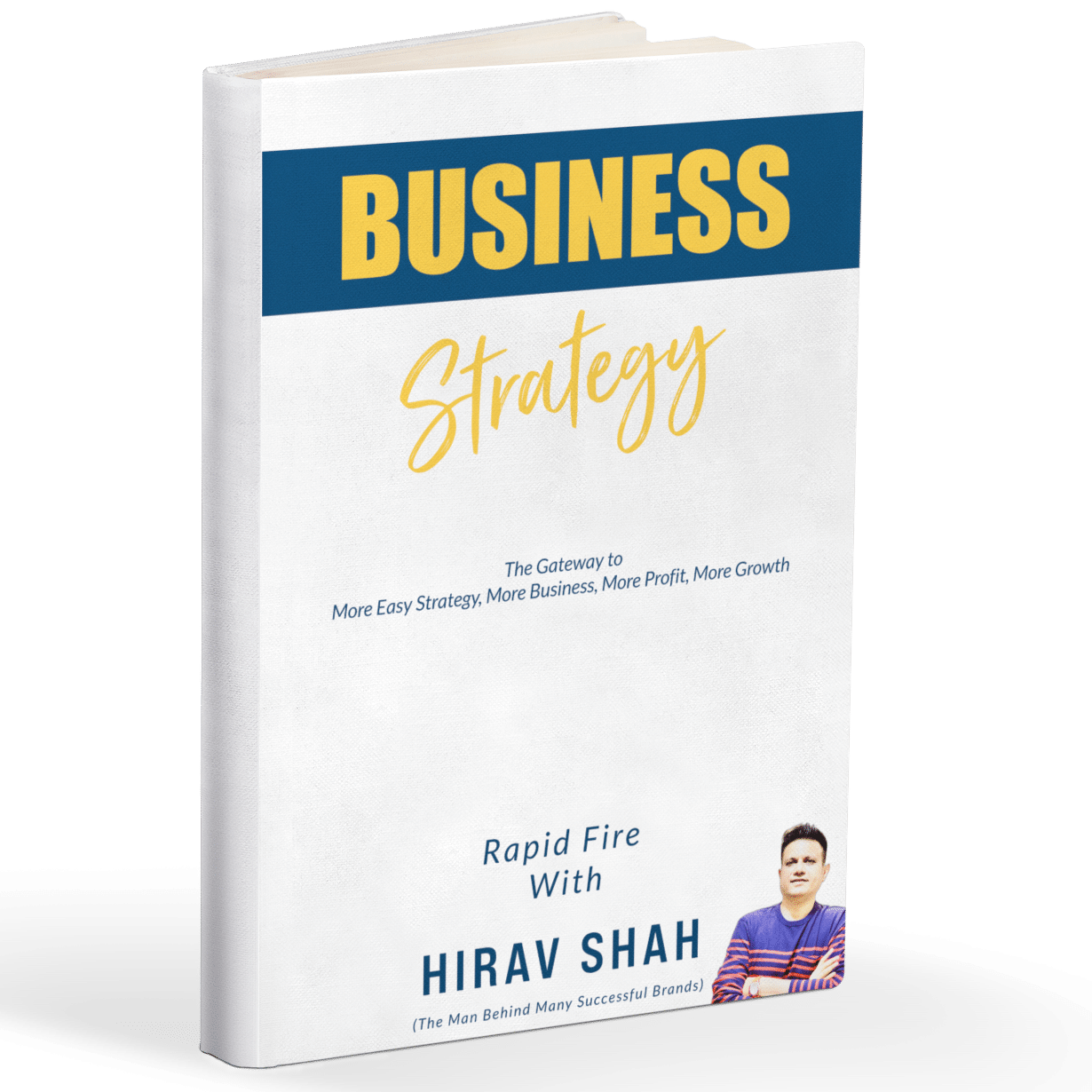

Mastering the game of money is a skill that can be learned with the right strategy, mindset, and tools. From personal finance management to scaling businesses for massive growth, achieving financial success requires more than just earning a paycheck – it involves careful planning, consistent execution, and adaptability. In this blog, we will dive into practical strategies for mastering the game of money, with insights from one of the world’s most sought-after business strategists, Hirav Shah.
Table of Contents
Understanding Money: More Than Just Currency

Money isn’t just a medium of exchange; it’s a tool that can help you build wealth, create opportunities, and enhance your quality of life. In the context of business, money is a resource that can fuel expansion, support innovation, and create a lasting legacy. But mastering money is about more than just earning it—it’s about managing it, investing it wisely, and leveraging it for future growth.
Hirav Shah, India and USA’s Top Business Strategist, has worked with some of the most successful businesses around the world to help them turn ideas into scalable enterprises. His insights into financial strategy have helped companies navigate challenges, unlock value, and achieve exceptional growth.
Key Roles of a Strategist in Mastering Money

A Skilled Business Strategist Wears Many Hats
A business strategist plays a pivotal role in guiding organizations and individuals toward financial growth. Here are some key roles that a business strategist assumes to help clients master the game of money:
1. Financial Visionary
A strategist helps you set clear, realistic financial goals, focusing not just on short-term profits but also on long-term sustainability.
Example: When Hirav Shah helped a mid-sized tech firm grow its revenue, he focused not only on boosting immediate profits but also on securing long-term investments and creating an exit strategy for investors. This approach turned the company into a market leader within five years.
2. Risk Mitigator
A strategist understands the risks involved in business and helps mitigate them by diversifying investments and ensuring cash flow stability. This is particularly crucial when scaling a business or entering new markets.
Example: Shah’s advice to a food processing company was to diversify their supplier base, ensuring that if one supplier faced issues, the business wouldn’t be impacted severely. This approach kept the company’s operations running smoothly during uncertain times.
3. Resource Allocator
The effective allocation of resources—whether time, money, or talent—is crucial to mastering money. A strategist helps businesses focus on areas that yield the highest return on investment (ROI).
Example: Shah helped a startup decide where to invest its initial capital for maximum impact, recommending prioritizing product development and customer acquisition over extensive marketing campaigns early on. This approach enabled the startup to scale efficiently without overspending.
4. Innovation Catalyst
Mastering the game of money often means staying ahead of trends. A strategist drives innovation by identifying emerging opportunities and helping businesses adapt quickly.
Example: Hirav Shah helped a manufacturing company pivot to digital automation, which led to a drastic reduction in costs and improved their production efficiency, giving them a competitive edge in the market.
5. Turnaround and Validation Expert
When businesses face financial setbacks, a strategist helps by creating turnaround strategies and validating business ideas for future success.
Example: A struggling retail chain sought Shah’s expertise, and through his turnaround strategy, they focused on improving operational efficiency and revamping their product line. This not only saved the business but also resulted in a 30% increase in revenue over the next 12 months.
A business strategist is key to navigating financial challenges and opportunities, guiding businesses to sustainable growth, risk management, and long-term success.
The Key Financial Strategies for Mastering Money

Investing Smartly
Investing money wisely is crucial. It’s not about putting all your eggs in one basket; instead, it’s about understanding risk and reward.
Example: Hirav Shah encourages business owners to invest in assets that offer consistent returns, such as real estate, stocks, or high-performing businesses. Diversification is key to reducing financial risk while ensuring growth.
Calculation Example: Suppose you invest $10,000 in a stock that grows by 10% annually. After 5 years, your investment would have grown to:
10,000×(1+0.10)5=10,000×1.61051=16,105.1010,000 \times (1 + 0.10)^5 = 10,000 \times 1.61051 = 16,105.1010,000×(1+0.10)5=10,000×1.61051=16,105.10
So, your $10,000 investment would turn into approximately $16,105 after 5 years, assuming a steady 10% annual return.
Managing Cash Flow
Cash flow is the lifeblood of any business. Without it, companies cannot meet their obligations, pay employees, or invest in growth. Strategic management of cash flow ensures a business stays afloat and can seize opportunities when they arise.
Example: A local construction business that Hirav Shah worked with was struggling with cash flow. By analyzing their revenue cycles and supplier payment terms, Shah helped them extend payment terms with suppliers, improving their cash flow by 20%.
Leveraging Debt Strategically
While debt can be a tool for growth, it must be used wisely. A strategist helps you take on debt that can be used to fuel expansion or acquire valuable assets, while ensuring it doesn’t jeopardize the business’s financial health.
Example: A SaaS company used debt financing to scale its operations and hire additional staff to meet growing demand. This strategic use of debt helped them grow rapidly without sacrificing equity.
Building Passive Income Streams
Diversifying your income sources and building passive income is an essential aspect of mastering money. This could involve investments, royalties, or creating products that generate income over time.
Example: Shah’s advice to an entrepreneur included creating an online course based on their expertise. This passive income stream helped the entrepreneur generate money while focusing on their primary business.
By applying these principles—investing wisely, managing cash flow, leveraging debt, and building passive income—you can set yourself up for sustainable growth and success.
FAQs on Mastering the Game of Money: Ask Hirav

- What is the most important aspect of mastering the game of money?
- The most important aspect is having a clear financial vision and strategy. Without clear goals and a strategic plan, it’s difficult to accumulate and grow wealth.
- How can I start managing my finances better?
- Start by tracking your expenses, setting a budget, and identifying areas where you can cut costs. Focus on building an emergency fund and investing wisely for future growth.
- What role does innovation play in mastering money?
- Innovation plays a key role in staying competitive and finding new ways to generate revenue. A strategic mindset helps identify and capitalize on opportunities to innovate, ensuring long-term success.
- How can I ensure my business is financially stable?
- Regularly monitor your cash flow, manage debts responsibly, diversify revenue streams, and reinvest profits into scaling your operations. A business strategist can help you identify areas for improvement and risk mitigation.
- Can I master money by focusing only on one income source?
- While it’s possible, it’s generally more secure and profitable to have multiple income streams. Diversification reduces risks and opens up new opportunities for growth.
Conclusion

Mastering the game of money requires more than just earning; it involves strategizing, managing resources, and making smart decisions about investments, cash flow, and debt. With the guidance of a top business strategist like Hirav Shah, companies and individuals can achieve financial success by focusing on long-term sustainability and consistent growth. Whether you’re looking to turn around a struggling business, accelerate growth, or innovate for future success, employing the right strategies will ensure you’re playing the game of money like a pro.
Take action today: Start by setting your financial goals, diversifying your investments, and seeking the expertise of a seasoned strategist to help you navigate the complexities of financial success. The game of money is yours to win.