

Table of Contents
What is Online Reputation Management (ORM)?

Hirav Shah, a renowned Astro Strategist and Business Astrologer, defines Online Reputation Management (ORM) as the process of addressing negative feedback, managing online mentions, and responding to stories or posts that could harm your brand’s image. In today’s digital world, ORM is crucial in safeguarding your business against negative public perception and ensuring that your brand maintains a positive reputation across various platforms.
Example
If a customer posts a negative review about your product on a public platform like Yelp or Google, ORM involves quickly acknowledging their complaint, offering a resolution, and ensuring that other potential customers see your commitment to quality service.
Why is Reputation Management Important?

According to Hirav Shah, “A poor reputation can damage sales and brand image. For example, your restaurant might have a few bad online reviews from the past, but these negative comments can linger on search engines and affect your potential customers’ perception.”
ORM works to address negative customer feedback and proactively manage your brand’s online reputation. By doing so, businesses ensure that negative information doesn’t overshadow their positive qualities and growth.
Example
If a potential customer searches for your business online and sees several negative reviews, they may be hesitant to engage with you. However, by addressing these reviews and presenting solutions, you can demonstrate your commitment to customer satisfaction.
How to Manage Your Online Reputation?
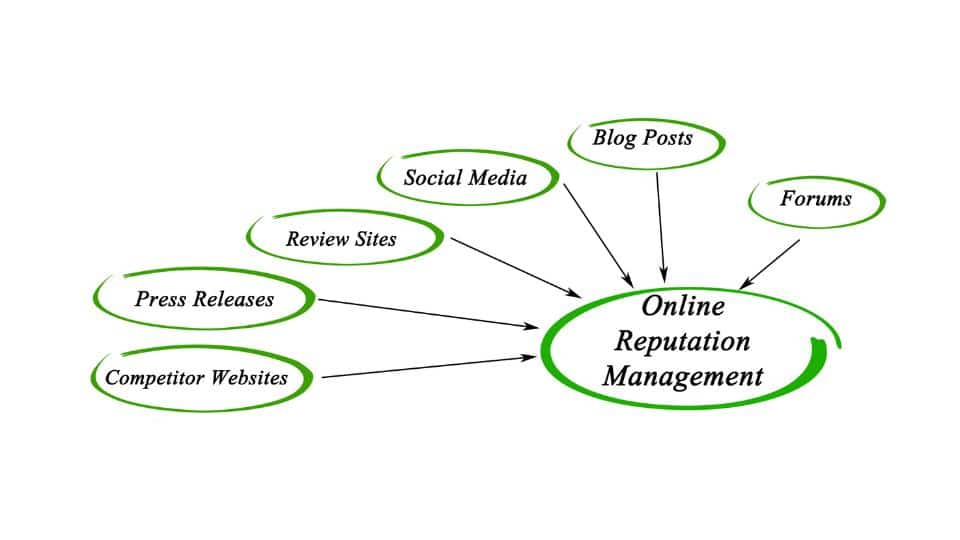
Managing your online reputation requires strategy, effort, and consistency. Hirav Shah highlights a few techniques that businesses can use to safeguard their image:
1. Monitor Your Online Presence
Constantly monitor what’s being said about your business online. Set up Google Alerts or use ORM tools like Brand24 or Mention to track online mentions. Early intervention helps you address issues before they spiral out of control.
Example
Let’s say a negative review of your company is posted on Facebook, but you quickly see it in your alert system. By responding within hours, you can prevent the issue from spreading to a wider audience and hurting your business reputation.
2. Engage with Customers on Social Media
Social media is one of the most important faces of a business. It allows direct communication between your brand and your customers. Respond promptly to feedback, whether it’s positive or negative, and foster deeper connections with your audience.
Example
If a customer shares a positive experience about your brand on Instagram, thank them publicly. If a customer shares a concern or criticism, address it with respect and offer a solution. This shows that you are responsive and care about your customers’ experience.
3. Encourage Positive Reviews
Encourage satisfied customers to leave positive reviews. Positive reviews not only improve your reputation but also help your brand rank higher in search engine results, which increases customer trust.
Example
If you run an e-commerce site, consider offering discounts or small incentives for customers who leave positive reviews. This helps build social proof for potential customers, increasing their likelihood of making a purchase.
4. Create High-Quality Content
Producing engaging and positive content that aligns with your brand values can push negative mentions further down in search results. Blog posts, testimonials, and success stories are great ways to enhance your brand’s online presence.
Example
For example, a tech company could publish a case study highlighting how its products improved a client’s efficiency. By ranking this content highly on search engines, the negative feedback on the company’s service may be pushed down.
Is Reputation Management Ethical?
ORM is ethical as long as it focuses on addressing genuine customer concerns and enhancing transparency. However, paying for fake reviews or manipulating online feedback is unethical and can severely damage your brand’s credibility.
Example
While many businesses may be tempted to pay for positive reviews, it’s important to maintain integrity. A business that engages in unethical ORM practices risks losing the trust of its audience when they realize the manipulation.
Common ORM Strategies

1. Responding to Negative Feedback
One of the key aspects of ORM is responding to negative feedback. Acknowledge the issue and offer a solution, which shows that you care about your customers’ concerns and are actively trying to make improvements.
Example
If a customer leaves a negative review about your restaurant’s slow service, respond with, “Thank you for your feedback! We apologize for the delay. We’re working on improving our service and hope you’ll give us another chance soon!”
2. Improving Customer Service
Exceptional customer service is the cornerstone of a good reputation. Regularly assess your customer service practices and make necessary improvements to ensure satisfaction.
Example
If multiple reviews highlight slow response times, consider training your customer support team to address queries more promptly and efficiently. Customers are more likely to leave positive feedback if they feel valued.
3. Building a Positive Online Presence
Content marketing and SEO play a crucial role in ORM. The more high-quality, positive content you have on your website and social media, the less likely negative feedback will impact your brand.
Example
A company offering yoga classes could publish success stories from clients who’ve had transformative experiences. The positive stories will dominate search results and create a stronger, more positive brand image.
Frequently Asked Questions (FAQs)

1. How does ORM impact sales?
ORM directly affects sales. A positive online reputation can lead to higher trust and more sales, while a negative reputation can deter potential customers. For example, 87% of consumers read online reviews before making a purchase, according to BrightLocal.
2. Can ORM improve SEO?
Yes, ORM can improve SEO. By pushing down negative content and publishing positive, keyword-rich content, you can enhance your online visibility, which can increase organic traffic to your website.
3. Is ORM only for large businesses?
No! ORM is equally important for small businesses. Reputation is built over time, and managing it consistently is key for businesses of any size to gain trust and attract customers.
4. How long does ORM take to show results?
ORM is a long-term strategy. It can take several months to see significant changes in your online reputation. However, responding quickly to negative reviews and creating positive content can help speed up the process.
Conclusion

Hirav Shah concludes, “Customers judge your brand by what they hear and see about it online. Use online reputation management to reinforce the positive image of your brand. Reacting to negative feedback and engaging with customers will show that your company cares and is always ready to improve.”
By implementing effective ORM strategies, you can build a strong, trusted online presence that will attract more customers, improve sales, and sustain long-term success.