Every business owner wants one thing—customers who trust their products and are willing to buy. But here’s the hard truth: you’re not the only player in your niche. Many businesses compete for the same audience, and some already enjoy higher trust and visibility.
So how do you bridge that gap?
According to Hirav Shah, The Game Changer and Business Strategist, one of the most effective yet underutilized tools is a well-planned product demonstration strategy.
When executed correctly, product demonstrations don’t just showcase your offering—they remove doubt, build confidence, and accelerate buying decisions.
Table of Contents
What Is Productive Demonstration?

Hirav Shah explains:
“A product demonstration is not just promotion—it’s proof. The goal is to let customers experience the product so their decision becomes emotional and logical at the same time.”
In simple terms, a product demonstration is a hands-on or virtual experience that allows potential customers to:
- Understand how a product works
- Experience its value firsthand
- Eliminate uncertainty before purchasing
Types of Product Demonstrations
- In-person demos (shopping centers, trade shows, kiosks)
- Virtual demos (live video, webinars)
- Trial-based demos (free samples, limited-time access)
The Strategic Role of a Business Strategist

A business strategist like Hirav Shah ensures that demonstrations are not random activities but revenue-focused initiatives.
Key Strategic Roles
- Identifying where demonstrations should happen
- Defining who the target audience is
- Structuring demos to trigger trust and urgency
- Measuring ROI and optimizing future campaigns
Without strategy, demos entertain.
With strategy, demos convert.
Why Shopping Centre Promotions Still Work
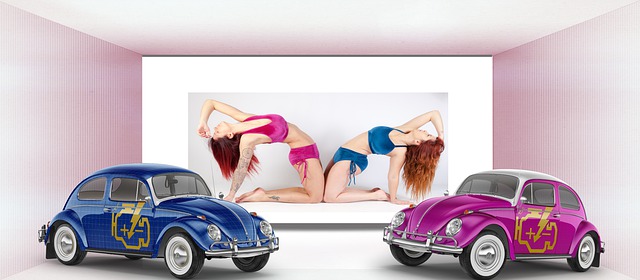
Despite being labeled “old-school,” shopping centre promotions remain one of the highest-exposure marketing formats.
Why They’re Effective
- High daily footfall
- Direct access to decision-makers
- Immediate interaction and feedback
- Strong brand recall
Example
If a shopping centre receives 30,000 visitors per day, and:
- 5% stop at your kiosk → 1,500 people
- 20% try your product → 300 trials
- 10% convert → 30 sales per day
If your product costs ₹2,000:
Daily revenue = ₹60,000
Monthly potential (20 days) = ₹12,00,000
That’s the power of strategic exposure.
Let Customers Try Before They Buy

One major reason businesses fail is lack of trust. Customers don’t want to gamble their money on something unfamiliar.
Hirav Shah emphasizes:
“People don’t buy products; they buy certainty.”
Example: Ultra-Portable Speakers
Instead of listing features:
- Let customers connect their phone
- Play their favorite song
- Experience sound quality instantly
Once the emotional connection is made, price resistance drops dramatically.
Designing the Right Demonstration Environment

Your demonstration must match:
-
- Location
- Audience mindset
- Buying intent
Examples
| Location | Demo Style |
|---|---|
| Shopping Mall | Interactive, fast, engaging |
| Trade Show | Technical, feature-driven |
| Investor Meeting | ROI-focused, data-backed |
| Public Event | Visual, emotional |
A strategist ensures your demo fits the psychology of the environment.
Sample Cost vs Return Calculation

Demo Setup Cost (per day):
- Kiosk rental: ₹5,000
- Staff: ₹3,000
- Samples & logistics: ₹2,000
Total: ₹10,000
If daily sales = ₹60,000
- Net gain: ₹50,000/day
- ROI: 500% per day
This is why product demonstrations are investments, not expenses.
FAQs: Product Demonstration Strategy

1. Is product demonstration suitable for small businesses?
Absolutely. In fact, small businesses benefit more because demos build trust faster than ads.
2. How long should a product demo be?
Ideally 2–7 minutes. Short enough to keep attention, long enough to prove value.
3. Are virtual demos effective?
Yes, especially for software, education, and service-based businesses.
4. What is the biggest mistake businesses make?
Demonstrating features instead of benefits and outcomes.
5. Who should design the demo strategy?
A business strategist like Hirav Shah, The Game Changer, who aligns demonstrations with sales psychology and growth goals.
Final Thoughts

Product demonstrations are no longer optional—they are essential trust-building tools in a competitive market.
When guided by strategic thinking, demonstrations:
- Increase brand visibility
- Reduce buying hesitation
- Shorten sales cycles
- Improve conversion rates
As Hirav Shah, The Game Changer, rightly puts it:
“When customers experience value themselves, selling becomes effortless.”