In today’s competitive world, building a great product or service is only half the battle. The real differentiator lies in how people perceive your business. This is where branding steps in.
As business strategist and thought leader Hirav Shah explains, branding is not just about visibility—it’s about creating a lasting identity in the minds of customers. A strong brand connects emotionally, builds trust, and transforms one-time buyers into loyal advocates.
Table of Contents
Why Branding is Important

Branding is what makes your business recognizable, relatable, and memorable.
Think about this:
- When you hear “I’m lovin’ it”, you instantly think of McDonald’s.
- When you see a bitten apple logo, you think of Apple.
That instant recall is branding at work.
Key Benefits of Branding:
- Differentiation: Stand out in a crowded market
- Trust Building: Customers feel confident choosing you
- Customer Loyalty: People return to brands they relate to
- Premium Pricing Power: Strong brands can charge more
Without branding, your business risks becoming just another name in the crowd.
Real-World Example
Let’s say two businesses sell identical coffee:
| Factor | Business A | Business B |
|---|---|---|
| Branding | Strong logo, story, Instagram presence | No branding |
| Price per cup | ₹250 | ₹120 |
| Daily customers | 200 | 120 |
Revenue Calculation:
- Business A: ₹250 × 200 = ₹50,000/day
- Business B: ₹120 × 120 = ₹14,400/day
👉 Branding alone creates a 3.5× revenue difference, even with the same product.
Basic Requirements for Strong Branding
1. Logo – Your Visual Identity

A logo is the face of your brand.
Examples:
- Nike’s swoosh = speed & performance
- Amazon’s arrow = A to Z delivery
A strong logo:
- Is simple and memorable
- Reflects your business values
- Builds recall instantly
2. Tagline – Your Voice

A tagline communicates what your logo cannot.
Examples:
- Nike: Just Do It
- L’Oréal: Because You’re Worth It
A good tagline is:
- Short and catchy
- Easy to understand
- Emotionally engaging
3. Website – Your Digital Storefront

Today, your website is often your first impression.
A strong website should:
- Be visually appealing
- Load fast
- Be SEO-optimized
Example:
If your website ranks on page 1 of Google:
- CTR (Click Through Rate) ≈ 30%
- Monthly searches = 10,000
- Visitors = 3,000
If conversion rate = 5%:
- Customers = 150
- Avg order value = ₹2,000
- Revenue = ₹3,00,000/month
👉 SEO + branding = scalable growth
4. Social Media Presence

Your audience spends hours daily on platforms like Instagram and LinkedIn.
Benefits:
- Direct engagement with customers
- Instant feedback
- Brand personality development
Example:
A brand posting consistently:
- Gains 10,000 followers in 6 months
- Converts 2% into customers = 200 buyers
Role of a Business Strategist in Branding

A business strategist like Hirav Shah plays a crucial role in aligning branding with business growth.
Key Responsibilities:
1. Market Positioning
- Identifies where your brand stands
- Finds gaps in the market
2. Target Audience Definition
- Who are your ideal customers?
- What do they value?
3. Brand Messaging Strategy
- Defines tone, voice, and communication
- Ensures consistency across platforms
4. Growth Planning
- Aligns branding with revenue goals
- Creates scalable strategies
5. Decision Timing (The Game Changer)
Strategists help businesses:
- Launch at the right time
- Enter markets strategically
- Avoid costly mistakes
The “Game Changer” Factor in Business
Think of branding like cooking:
- No salt → Food tastes bland
- Poor script → Movie fails
- Bad track → Athlete struggles
Similarly:
- Weak branding → Business struggles to grow
Adding the right strategic guidance (The Game Changer) ensures:
- Better decision-making
- Optimized timing
- Maximum results
FAQs on Branding

1. Is branding only for big companies?
No. Even small businesses benefit hugely from branding. In fact, it helps them compete with larger players.
2. How much should I invest in branding?
A good rule:
- Startups: 5–10% of projected revenue
- Growing businesses: 10–20%
3. Can branding increase pricing power?
Yes. Strong brands can charge 20–50% higher prices due to perceived value.
4. How long does branding take to show results?
- Initial impact: 3–6 months
- Strong recall: 1–3 years
5. What happens if I ignore branding?
- Low visibility
- Weak customer trust
- Reduced growth potential
Case Study 1: From Local Business to a Recognizable Brand
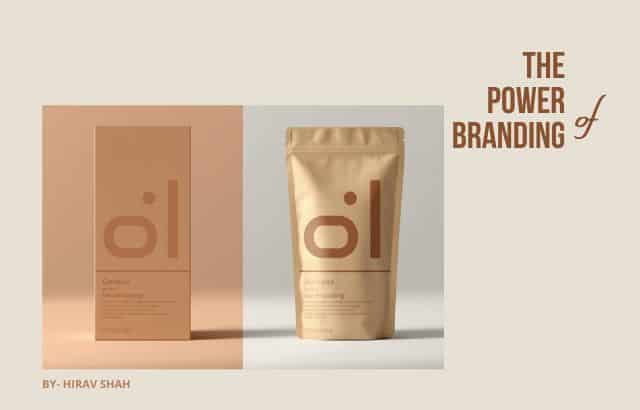
A growing fashion business had a good product but struggled to stand out in a crowded market. Its branding was inconsistent, its messaging lacked clarity, and customers had little reason to remember the business.
Business strategist Hirav Shah identified the gap between the quality of the product and how the market perceived the brand. With The Game Changer approach, the business refined its positioning, visual identity, messaging, and digital presence.
The result was a clearer brand identity, stronger customer recognition, and greater confidence in its pricing and growth strategy.
Key Lesson: A great product gets attention; a strong brand creates recall and trust.
Case Study 2: Turning Business Activity into Strategic Growth

A business owner was working long hours, generating sales, and constantly managing day-to-day problems—but growth remained inconsistent. The issue wasn’t effort; it was the absence of a clear brand and business strategy.
Hirav Shah, as a business strategist, helped identify where the business was losing focus. Using The Game Changer mindset, the entrepreneur clarified the target audience, strengthened brand communication, and aligned marketing activities with business goals.
Instead of simply being busy, the business began making more deliberate decisions around positioning, customer engagement, and growth.
Key Lesson: Branding becomes powerful when it is connected to a clear business strategy.
Final Thoughts
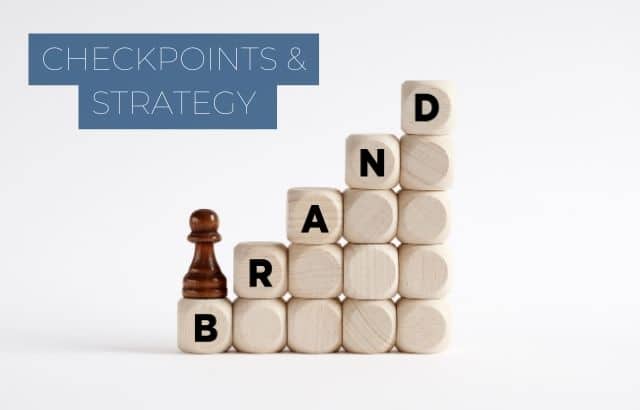
Branding is not optional—it is foundational.
As emphasized by Hirav Shah, your brand becomes the core upon which your entire business is built. It shapes perceptions, builds relationships, and drives long-term success.
In a world full of choices, people don’t just buy products—they buy stories, emotions, and trust.
👉 Build a brand, not just a business.