

Restaurant branding is one of the most crucial elements in determining whether your business will thrive or falter. A strong, clear, and appealing brand can make all the difference in attracting and retaining customers. However, many restaurant owners fall into common pitfalls when it comes to branding, which can hurt their reputation and hinder their chances of long-term success.
According to industry insights, approximately 60% of new restaurants fail within the first three years of opening. While this can be attributed to various operational challenges, branding plays a significant role in the high failure rate. Business Strategist Hirav Shah, a leader in brand development and business turnaround, emphasizes that marketing and branding strategies are integral to the success of any restaurant. As he often states, “A great restaurant with fantastic food, ambiance, and service still needs strong branding to attract the right customers. Without it, even the best offerings can go unnoticed.”
In this blog, we’ll explore some of the most common restaurant branding mistakes and how to avoid them to create a strong, resilient brand.
Table of Contents
1. Restaurant Branding Mistakes – Forcing Your Story

Many restaurant owners make the mistake of pushing their personal vision or passion onto their team and customers. While it’s essential to have a clear brand story, you need to ensure it aligns with the collective vision of your team and resonates with your customers. As Hirav Shah advises, “Don’t try to force your passion on your team; instead, discover their passion and align it with your brand’s values.” A disconnected vision can create tension internally and result in a weak brand image.
For example, if a restaurant owner is passionate about vegan cuisine but the team doesn’t share that enthusiasm, it could lead to inconsistencies in service or a lack of authenticity, making it difficult for customers to connect with the brand. It’s essential to harmonize your personal vision with your team’s energy to ensure brand consistency and engagement.
2. Restaurant Branding Mistakes – Following Restaurant Trends Blindly

It’s tempting to jump on the latest food trends or adopt a “trend-chasing” mindset. However, following trends blindly without researching their market viability can result in failure. A restaurant that simply replicates another popular concept often struggles to establish a unique identity.
Hirav Shah suggests that instead of blindly following trends, restaurant owners should research their target market, identify gaps, and then find ways to innovate within those categories. For example, if ramen is trending but a specific type of ramen has been over-saturated in the market, you might consider offering a unique fusion of ramen with local flavors or a distinctive presentation to differentiate your brand.
3. Restaurant Branding Mistakes – A Confusing Restaurant Concept
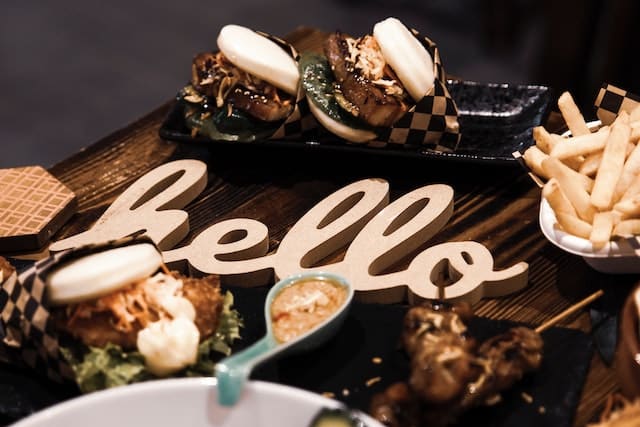
While being unique is important, having a concept that is too abstract or overly complicated can confuse customers. If a restaurant doesn’t fit neatly into a recognizable category, it may be hard for potential customers to understand what it offers, leading them to overlook it entirely.
For example, a restaurant offering both fine dining and casual fast food in one space may confuse diners as to what experience they’re in for. Customers often look for clarity in what type of food, ambiance, and experience to expect. A clear, easily identifiable concept—whether it’s a contemporary Italian eatery or a cozy Mexican taco bar—ensures that customers know exactly what they’re getting when they walk through the door.
4. Naming Your Restaurant Without a Clear Strategy
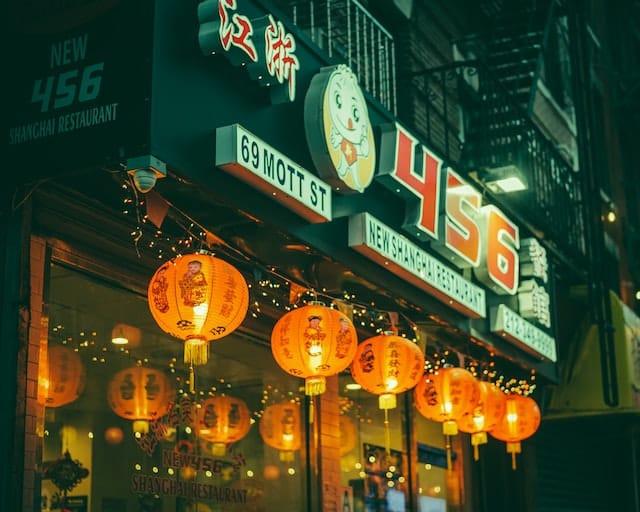
Choosing the right name for your restaurant is a major creative endeavor. It should be unique, memorable, and reflective of your restaurant’s brand identity. Many owners rush to name their restaurant without having a clear brand strategy in place. This can lead to confusion or misalignment in messaging.
To avoid this mistake, Hirav Shah advises consulting with branding experts who can help you choose a name that resonates with your target audience and complements your overall brand identity. He adds that incorporating astrology and other market research can be a unique approach to help determine the best name that aligns with your restaurant’s essence.
5. Focusing Too Much on the Logo
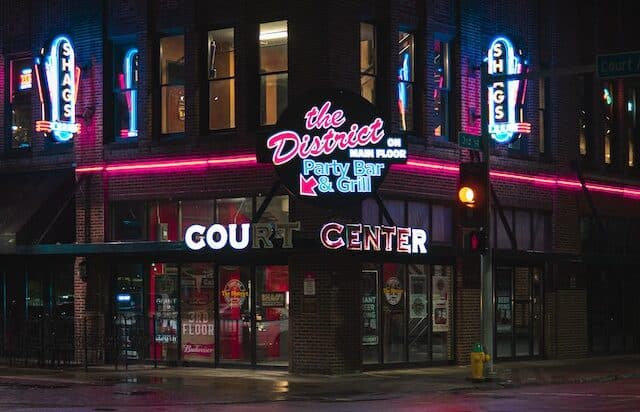
While a logo is an important visual element of your brand, it’s not the be-all and end-all of your branding efforts. A restaurant’s brand identity goes far beyond just a logo. It encompasses the food, the atmosphere, the customer experience, and the emotional connection customers have with the brand.
Consider Chipotle’s success—its logo is simple, but its brand identity is powerful, relying on consistent messaging, high-quality food, and a commitment to sustainability. Instead of fixating on just a logo, ensure you’re investing in a full visual identity that includes cohesive design for your menu, signage, website, and social media.
6. Neglecting Consistency

Consistency in branding is crucial. Whether it’s your logo, menu design, staff uniforms, or digital presence, every element of your restaurant should align with your brand identity. Consistency creates a sense of reliability and professionalism that resonates with customers.
For example, if your restaurant’s theme is vintage, the decor, food presentation, and staff uniforms should reflect this style. Inconsistent branding can confuse customers and make your restaurant feel disjointed, diminishing its appeal.
7. Ignoring the Target Audience
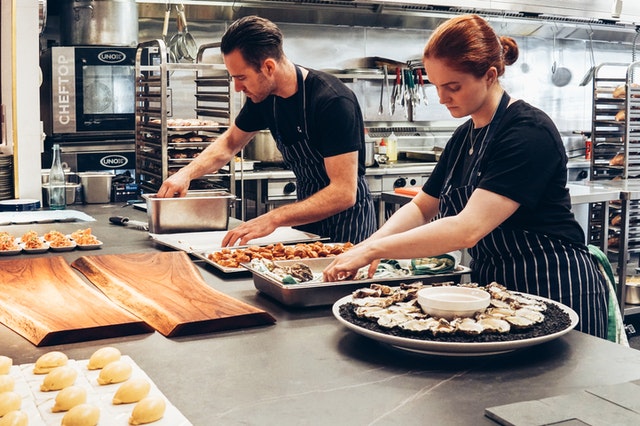
One of the biggest mistakes in restaurant branding is neglecting the preferences and tastes of your target audience. Your branding should be tailored to appeal to the demographic that is most likely to visit your restaurant. Conducting thorough market research is key to understanding what your customers want and need.
For instance, a high-end steakhouse would likely target business professionals or food connoisseurs, while a family-friendly pizza joint would focus on casual dining experiences for families and children. Understanding these differences will allow you to tailor your branding and messaging accordingly.
8. Overcomplicating the Menu

While creativity is vital in developing your menu, overcomplicating it can overwhelm diners. A menu should be clear, easy to navigate, and focused on the restaurant’s best offerings. A cluttered menu makes it difficult for customers to decide what to order and can dilute your brand’s identity.
For example, a restaurant with 50 menu items might confuse customers about what the restaurant truly excels at. Instead, a focused menu of 12-15 high-quality dishes can showcase the restaurant’s specialties while ensuring a more memorable dining experience.
9. Neglecting Customer Feedback

Restaurant branding is an ongoing process. Ignoring customer feedback, whether positive or negative, can harm your brand’s reputation. Encourage feedback from your customers, and use it to adapt and improve. Consistently meeting customer expectations strengthens brand loyalty.
Take Starbucks, for example. Over the years, it has continually adapted based on customer feedback, from the introduction of vegan options to mobile ordering. Listening to your customers and evolving accordingly keeps your brand fresh and relevant.
10. Underestimating Staff Training

Your staff are the face of your restaurant and play a key role in how customers perceive your brand. Poor customer service or a lack of knowledge about the menu can quickly tarnish your reputation. Investing in staff training to ensure your team is knowledgeable and aligns with your brand’s values is essential.
For instance, a fine dining restaurant should train its staff to provide impeccable service, while a casual diner may focus on friendly and speedy service. Regardless of the restaurant type, customer-facing employees should embody your brand identity.
Final Thoughts on Restaurant Branding
Creating a strong restaurant brand takes time and resources, but the rewards are substantial. As Hirav Shah states, “Your restaurant’s brand is not just your product or your logo. It’s the emotional connection you create with your customers. It’s about telling a story that resonates with them.” Avoiding these common branding mistakes will help you create a brand that stands out, builds customer loyalty, and ensures long-term success.
FAQs on Restaurant Branding

Q: How do I choose the right name for my restaurant?
A: The name should reflect your restaurant’s concept, values, and the experience you aim to provide. You can work with branding experts to find a name that aligns with your restaurant’s identity and audience.
Q: Should I focus on a trendy concept or create something unique?
A: While trends can be appealing, it’s essential to research your target market and offer something that sets you apart from the competition. A unique concept with long-term viability will likely be more successful than simply chasing trends.
Q: How can I ensure consistency in my branding?
A: Develop a clear brand strategy and maintain it across all touchpoints, including logo design, menu, decor, staff uniforms, and online presence. Consistency fosters trust and recognition.
Q: How can I measure the success of my restaurant branding?
A: Measure your branding success through customer feedback, reviews, repeat visits, and social media engagement. If customers resonate with your brand, it will be reflected in these metrics.
Q: Can astrology help in my restaurant branding?
A: While astrology is an unconventional tool, some business strategists, like Hirav Shah, integrate astrology with branding to understand a restaurant’s potential success. By aligning business strategies with astrological insights, it can provide a unique advantage.
By avoiding these common branding mistakes and implementing a strategy tailored to your restaurant’s identity and target market, you can build a brand that attracts customers and secures long-term success in the competitive restaurant industry.