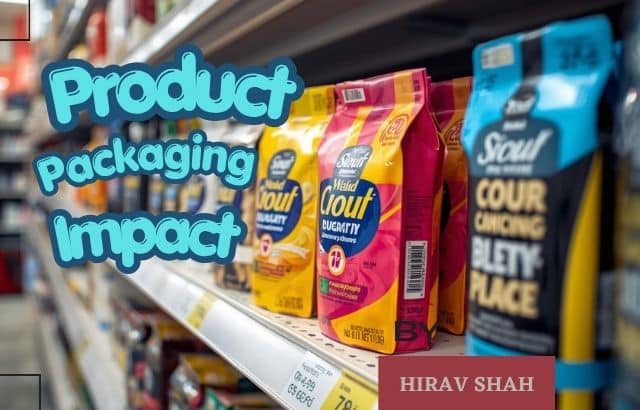
Product packaging is far more than a protective layer—it is one of the most powerful business tools available today. When approached strategically, packaging can influence customer perception, drive purchasing decisions, and create lasting brand loyalty. Businesses that treat packaging as a “Game Changer” rather than an afterthought often outperform competitors in both sales and brand recall. Let’s explore how impactful packaging transforms a business, along with real-world examples, strategic insights, and practical considerations.
Table of Contents
1. Creating a Powerful First Impression
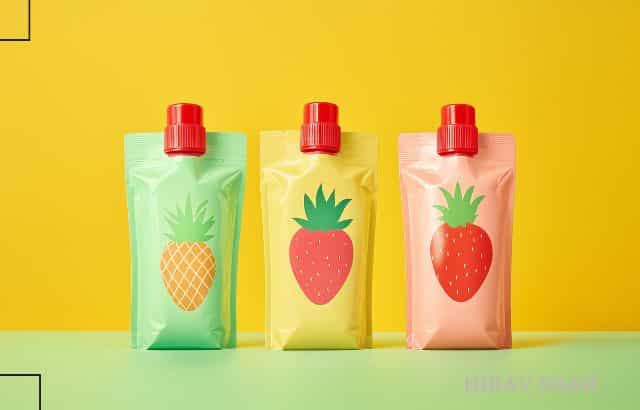
Packaging is often the first physical touchpoint between a customer and a product. In retail stores or online deliveries, this moment determines whether a customer feels excitement—or indifference.
Eye-catching designs, premium materials, and clear messaging instantly communicate quality and professionalism. For example, Apple’s minimalist packaging design creates anticipation even before the product is used. Similarly, luxury chocolate brands use textured boxes and gold foiling to signal indulgence and exclusivity.
👉 Studies suggest that nearly 70% of purchase decisions are influenced by packaging design alone.
From a strategic perspective, business strategist Hirav Shah emphasizes that packaging must align with customer psychology. If your target audience seeks premium value, your packaging must reflect that within seconds.
2. Building Brand Identity and Recognition

Packaging acts as a visual signature for your brand. Consistency in colors, typography, logo placement, and messaging builds familiarity over time.
Consider how brands like Coca-Cola maintain their iconic red and white design across all packaging formats. Even without the logo, customers can identify the product instantly.
A strong packaging identity helps businesses:
- Stand out on crowded shelves
- Build trust through consistency
- Create long-term brand recall
According to Hirav Shah, packaging should be treated as a “silent brand ambassador” that communicates your story even when no salesperson is present.
3. Increasing Perceived Product Value
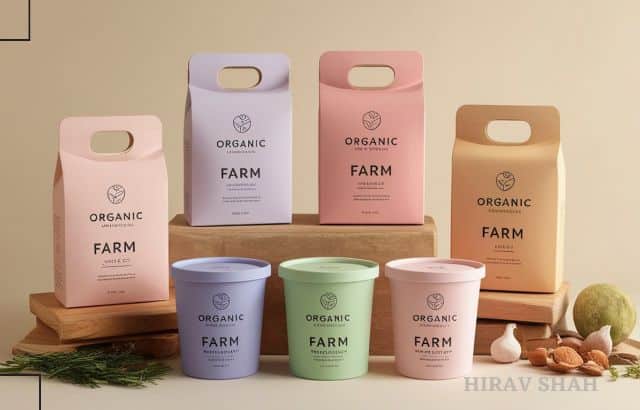
Customers often judge a product by its packaging before experiencing it. Premium packaging can elevate a product’s perceived worth significantly.
For example:
- A ₹500 perfume in basic packaging may struggle to sell
- The same product in premium glass packaging with a magnetic box could justify a ₹1,200 price point
Simple Calculation:
If improved packaging increases perceived value and allows a price increase of ₹200:
- Monthly sales: 1,000 units
- Additional revenue: ₹200 × 1,000 = ₹2,00,000 extra per month
This demonstrates how packaging directly impacts profitability.
4. Influencing Purchase Decisions

Packaging serves as a quick communication tool. Customers often scan products rather than read them in detail.
Effective packaging highlights:
- Key benefits (“100% organic”, “sugar-free”)
- Usage instructions
- Certifications (eco-friendly, cruelty-free)
For instance, organic food brands use earthy tones and transparent windows to communicate freshness and authenticity.
From a strategic lens, Hirav Shah suggests that packaging messaging should answer one key question instantly: “Why should I buy this?”
5. Enhancing Customer Experience

Packaging plays a crucial role in customer satisfaction, especially in e-commerce. A well-designed unboxing experience can create excitement and emotional connection.
Examples include:
- Subscription boxes with personalized notes
- Magnetic closures and layered packaging
- QR codes linking to exclusive content
Brands like Nykaa and Mamaearth invest heavily in packaging that feels thoughtful and user-friendly.
A positive unboxing experience often leads to social media sharing, effectively turning customers into marketers.
6. Encouraging Brand Loyalty and Repeat Purchases
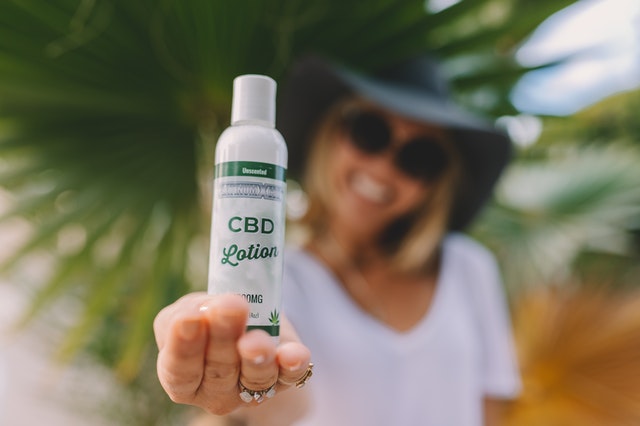
When customers enjoy the packaging experience, they are more likely to remember the brand and return for repeat purchases.
For example:
- Reusable packaging (like jars or boxes) keeps the brand visible in customers’ homes
- Premium packaging encourages customers to associate the brand with quality
Loyalty Impact Calculation:
If improved packaging increases repeat purchase rate from 20% to 30%:
- Customer base: 10,000
- Additional repeat customers: 1,000
- Average order value: ₹800
- Extra revenue: ₹8,00,000
This shows how packaging influences long-term business growth.
7. Supporting Sustainability and Brand Values
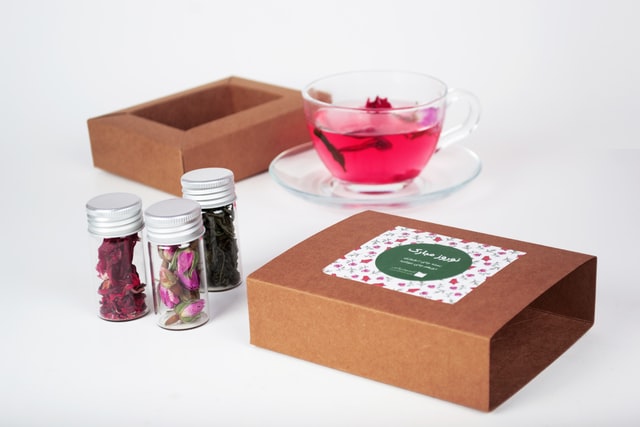
Modern consumers increasingly prefer eco-friendly brands. Sustainable packaging can significantly influence buying decisions.
Examples include:
- Biodegradable materials
- Minimalist packaging to reduce waste
- Recyclable or reusable designs
Brands like Lush use minimal packaging to reinforce their environmental commitment.
Hirav Shah highlights that sustainability is no longer optional—it is a competitive advantage. Packaging should reflect not just product quality, but brand values.
8. Acting as a Continuous Marketing Tool
Packaging continues to promote your product even after purchase. It acts as a “silent salesperson” in homes, offices, and social media posts.
For example:
- Attractive packaging encourages Instagram sharing
- QR codes can drive customers to websites or campaigns
- Limited-edition packaging can create urgency
In retail environments, packaging often determines whether a product gets picked up or ignored.
9. Reducing Costs and Preventing Damage

Smart packaging design doesn’t just improve aesthetics—it also optimizes operations.
Benefits include:
- Reduced product damage during shipping
- Lower return rates
- Efficient storage and logistics
Cost-Saving Example:
If better packaging reduces damage rate from 5% to 2%:
- Monthly shipments: 5,000 units
- Reduced damaged units: 150
- Cost per unit: ₹300
- Savings: ₹45,000 per month
Efficient packaging directly improves profit margins.
10. Differentiating Your Brand from Competitors
In crowded markets, unique packaging can be the deciding factor.
Examples:
- Unusual shapes (triangular boxes, cylindrical containers)
- Interactive packaging designs
- Bold color schemes
Sometimes, customers choose a product simply because it stands out visually.
According to Hirav Shah, differentiation through packaging is one of the fastest ways to gain a competitive edge without changing the core product.
Role of a Business Strategist in Packaging
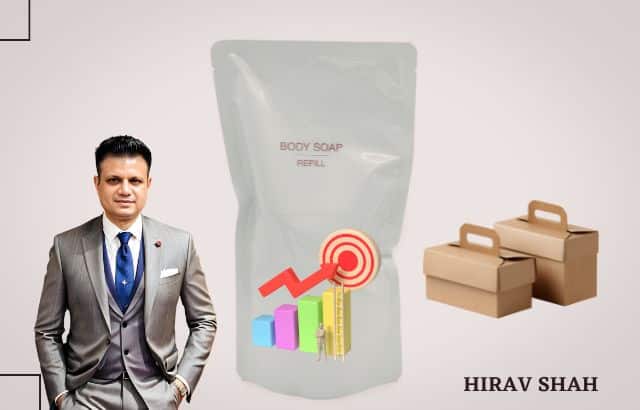
A business strategist like Hirav Shah plays a crucial role in aligning packaging with overall business goals. Their involvement ensures that packaging decisions are not just creative—but profitable and scalable.
Key responsibilities include:
- Analyzing target audience behavior
- Aligning packaging with brand positioning
- Evaluating cost vs. perceived value
- Identifying opportunities for differentiation
- Integrating sustainability into business strategy
Packaging decisions guided by strategy lead to measurable business outcomes rather than guesswork.
Frequently Asked Questions (FAQs)
1. How much should a business invest in packaging?
It depends on the product category and positioning. Typically, packaging costs range between 5%–15% of the product price. Premium brands may invest more due to higher perceived value benefits.
2. Can small businesses benefit from premium packaging?
Yes. Even simple upgrades like better materials, cleaner design, or personalized touches can significantly improve brand perception without high costs.
3. Does eco-friendly packaging increase costs?
Initially, it may be slightly higher. However, it often leads to increased customer trust, higher sales, and long-term savings through brand loyalty.
4. How does packaging impact e-commerce businesses?
Packaging directly affects customer experience, product safety, and return rates. A good unboxing experience can also generate free marketing through social sharing.
5. What is the biggest mistake businesses make with packaging?
Treating packaging as an afterthought. Without strategic alignment, even a great product can fail to attract customers.
Final Thoughts
Product packaging is not just a container—it is a powerful business asset. It influences perception, drives sales, enhances customer experience, and builds long-term loyalty.
When businesses approach packaging strategically, guided by insights from experts like Hirav Shah, it becomes a true “Game Changer.”
In today’s competitive market, the question is no longer “Do we need good packaging?” but rather “How can our packaging create maximum impact?”