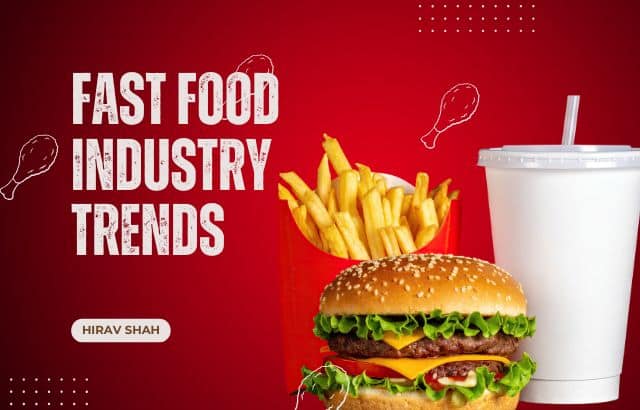
The fast food industry is evolving rapidly, driven by technology, changing consumer behavior, and the constant demand for speed and convenience. Innovation is no longer optional—it’s the backbone of growth.
According to renowned business strategist Hirav Shah, success in this industry depends on one key principle: understanding customer needs and delivering value faster, smarter, and more efficiently.
Let’s explore the major trends shaping the future—along with real-world examples, strategic insights, and practical calculations for entrepreneurs.
Table of Contents
1. Voice-Operated Ordering Systems
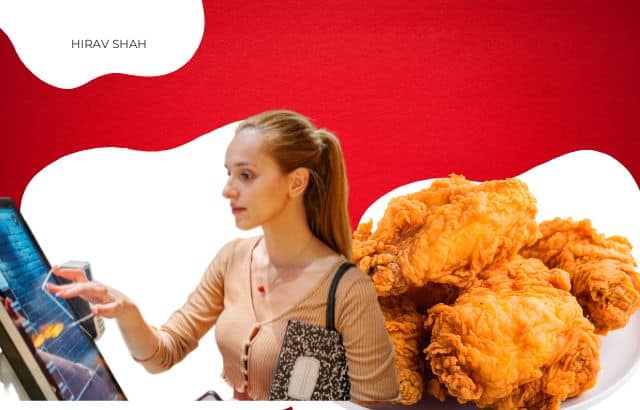
Speed is everything. Customers don’t want to stand in long queues anymore.
Voice-enabled ordering systems powered by AI are changing how customers interact with restaurants.
How It Works:
- Customers place orders using voice commands
- AI recognizes speech and processes orders instantly
- Suggests add-ons based on previous purchases
- Stores order history for personalization
Example:
Imagine a customer saying, “Order my usual burger combo.” The system instantly recalls past orders and processes it within seconds.
Business Impact Calculation:
- Average manual order time: 2 minutes
- Voice order time: 45 seconds
- Orders per hour increase:
- Manual: 30 orders/hour
- Voice AI: ~80 orders/hour
Revenue potential can increase up to 2.5 times during peak hours.
Strategic Insight:
Hirav Shah emphasizes that businesses reducing friction in customer interaction will dominate the market.
2. Third-Party Delivery Systems
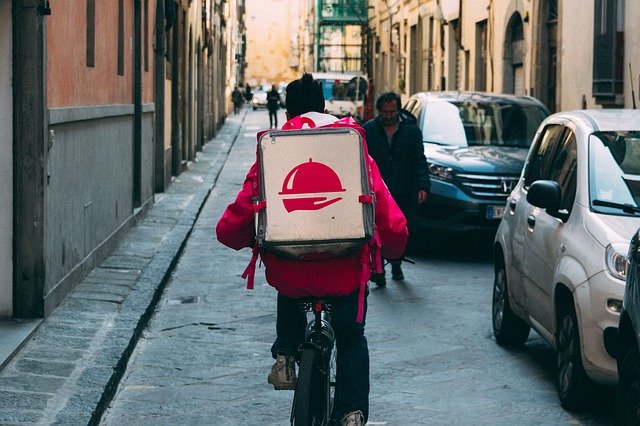
Convenience has shifted from dining out to eating at home. Food delivery platforms are now essential.
Key Benefits:
- Wider customer reach
- No need for in-house delivery infrastructure
- Increased order volume
Example:
A small burger outlet partnering with delivery platforms can expand its reach from a 2 km radius to 10 km, increasing daily orders from 100 to 300.
Cost vs Profit:
- Commission: 20–30%
- Increased volume: up to 200%
Net gains remain positive due to scale.
Strategic Role of Hirav Shah:
- Identifies the right pricing strategy to maintain margins
- Suggests menu engineering with high-margin delivery items
- Advises on selecting platforms based on target audience
3. Smart Food Pickup Cabinets
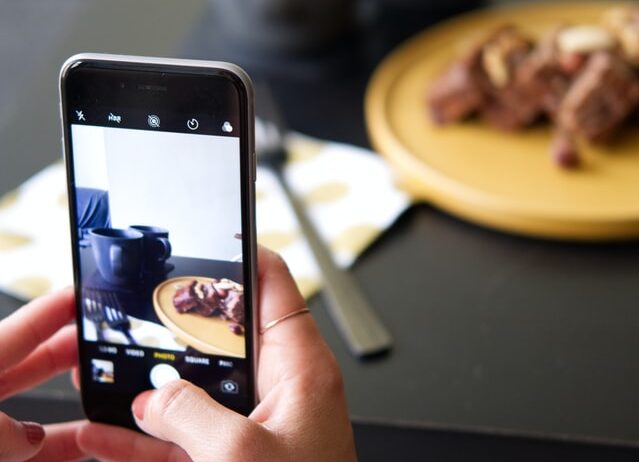
This innovation blends automation with convenience.
How It Works:
- Customers order via mobile apps
- Food is stored in temperature-controlled lockers
- Customers scan a QR code to collect their order
Example:
A restaurant in a busy office area installs 20 pickup lockers, reducing crowding, eliminating waiting time, and improving order accuracy.
Efficiency Calculation:
- Staff needed for order handover: 2 employees
- With cabinets: no dedicated staff required
Monthly savings:
- ₹25,000 × 2 = ₹50,000
Strategic Insight:
According to Hirav Shah, automation helps reallocate human effort toward growth rather than eliminating jobs.
4. Drive-Through Supermarkets
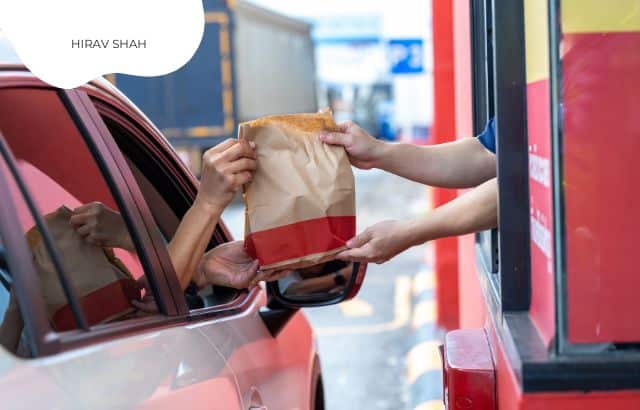
This concept is redefining convenience in grocery and food retail.
How It Works:
- Customers drive through the store
- Pick items from rotating shelves
- Items move via conveyor belt to billing
Example:
A family completes weekly grocery shopping in 15 minutes compared to 60 minutes in a traditional store.
Throughput Advantage:
- Traditional checkout: 20 customers/hour
- Drive-through system: 60 customers/hour
This results in three times higher operational efficiency.
Strategic Role:
Hirav Shah advises selecting high-traffic locations, optimizing store layout, and focusing on fast-moving products.
Role of a Business Strategist
Hirav Shah plays a critical role in helping businesses navigate these changes.
Key Contributions:
- Market positioning and audience targeting
- Technology adoption with strong ROI focus
- Revenue optimization through pricing and bundling
- Risk management and scalability planning
- Customer behavior analysis to enhance experience
Sample Business Growth Calculation
Consider a fast food outlet before and after innovation.
Before Innovation:
- Daily orders: 120
- Average order value: ₹200
- Daily revenue: ₹24,000
After Implementing Voice Ordering, Delivery, and Pickup Cabinets:
- Orders increase to 300
- Average order value increases to ₹260
New Revenue:
- 300 × ₹260 = ₹78,000 per day
This reflects a 225% increase in revenue.
FAQs

Are these technologies expensive to implement?
Initial costs can be high, but most businesses recover investment within 6–12 months due to increased efficiency and revenue.
Will automation reduce jobs?
No, it shifts roles toward customer engagement and business expansion rather than repetitive tasks.
Is third-party delivery profitable?
Yes, when supported by proper pricing strategies and optimized menus.
What should a new entrepreneur focus on first?
Start with digital ordering, delivery integration, and strong branding before moving to automation.
How important is customer data?
Customer data is critical for making informed decisions, improving retention, and increasing sales.
Final Thoughts
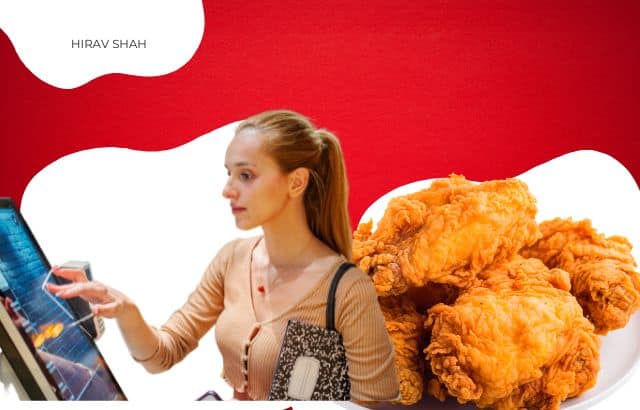
The fast food industry is entering a phase where technology meets convenience. Businesses that adapt quickly will lead, while others risk falling behind.
As Hirav Shah highlights, change is inevitable, but strategic adaptation is what drives success.
For anyone looking to enter or grow in this space, the formula remains clear: understand customers, adopt smart technology, and execute with the right strategy.