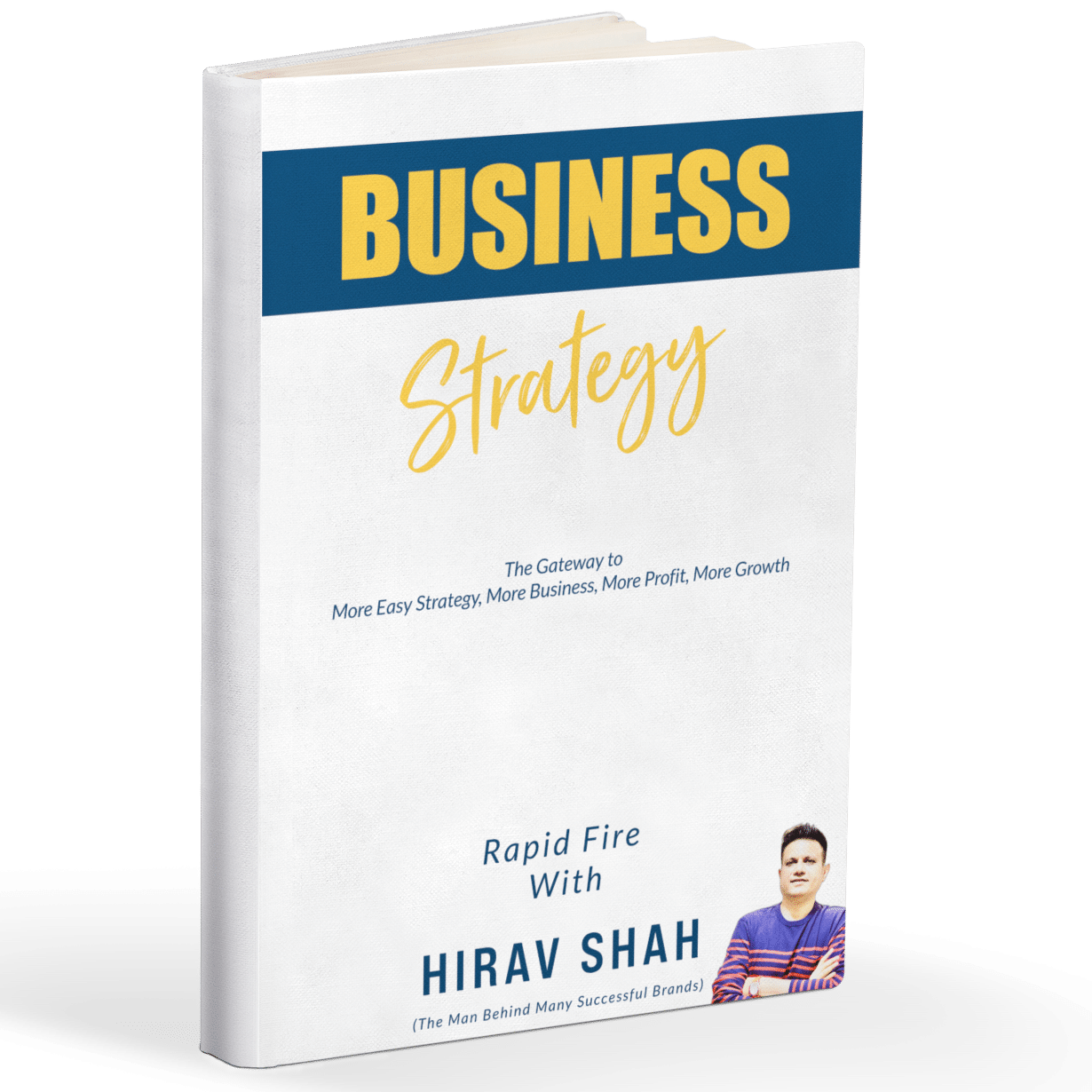

In the ever-evolving landscape of business, having a robust strategy is paramount for success. One powerful tool to enhance your business strategy is the SWOT analysis, which evaluates your organization’s Strengths, Weaknesses, Opportunities, and Threats. When used effectively, combining a clear business strategy with a thorough SWOT analysis can lead to sustainable growth and competitive advantage.
Table of Contents
Understanding SWOT Analysis
What is SWOT Analysis?
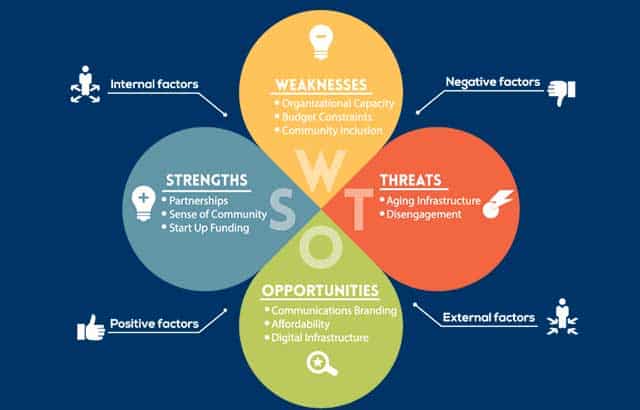
SWOT analysis is a strategic planning technique that helps organizations identify internal and external factors affecting their performance. It consists of four components:
- Strengths: Internal attributes that are beneficial to achieving your goals.
- Weaknesses: Internal factors that may hinder progress.
- Opportunities: External conditions that can be leveraged for growth.
- Threats: External challenges that could pose risks to the organization.
The Perfect Recipe: Integrating SWOT with Business Strategy
Step 1: Identify Your Business Goals
Before diving into SWOT analysis, clarify your business goals. Are you looking to increase market share, launch a new product, or enhance customer satisfaction? Clear objectives will guide your SWOT analysis.
Step 2: Conduct a SWOT Analysis
Gather your team and brainstorm each quadrant of the SWOT matrix.
Example: Let’s consider a small coffee shop looking to expand its business.
- Strengths:
- High-quality, locally sourced coffee
- Loyal customer base
- Experienced baristas
- Weaknesses:
- Limited marketing budget
- Small physical location
- Dependence on local foot traffic
- Opportunities:
- Growing demand for specialty coffee
- Potential for online sales and delivery
- Partnerships with local businesses for events
- Threats:
- Increasing competition from larger chains
- Economic downturn affecting discretionary spending
- Supply chain disruptions for coffee beans
Step 3: Develop Your Business Strategy
Using insights from the SWOT analysis, craft a business strategy that capitalizes on strengths and opportunities while addressing weaknesses and threats.
Strategy for the Coffee Shop:
- Leverage Strengths: Promote high-quality coffee and skilled baristas in marketing campaigns.
- Address Weaknesses: Allocate a portion of revenue to a digital marketing strategy to boost online presence.
- Capitalize on Opportunities: Explore partnerships for events and initiate an online ordering system.
- Mitigate Threats: Conduct regular market analysis to stay ahead of competition and diversify suppliers to reduce risks.
Step 4: Monitor and Adjust
Regularly revisit your SWOT analysis and business strategy to adapt to changing market conditions. A successful strategy is a living document that evolves as your business grows.
Why Result Coaching Matters

Result coaching plays a crucial role in guiding businesses through this process. Coaches can provide an external perspective, accountability, and expertise that can help organizations implement their strategies effectively. Here are a few reasons why result coaching is vital:
- Objectivity: Coaches can identify blind spots and provide unbiased feedback.
- Motivation: They inspire teams to stay committed to their goals, even during challenging times.
- Skill Development: Coaches help develop essential skills and competencies within the team, fostering a culture of continuous improvement.
FAQs About Combining Business Strategy with SWOT Analysis

Q1: How often should I conduct a SWOT analysis?
A: It’s recommended to conduct a SWOT analysis at least annually or whenever significant changes occur in your business or industry.
Q2: Can SWOT analysis be done by one person?
A: While one person can conduct a SWOT analysis, involving a diverse team can yield more comprehensive insights.
Q3: What if my SWOT analysis reveals many weaknesses?
A: Use this as a foundation to develop strategies for improvement. Focus on leveraging strengths to address weaknesses.
Q4: How do I know if my business strategy is working?
A: Set measurable goals and regularly review performance against these metrics. Adjust your strategy as necessary based on results.
Q5: How can I find a good business coach?
A: Look for coaches with experience in your industry, positive testimonials, and a coaching style that aligns with your business culture.
Correlation Between Result Coaching and SWOT Analysis
1. Enhanced Clarity and Focus
Result coaching helps individuals and teams gain clarity about their goals and objectives. By aligning coaching sessions with a SWOT analysis, businesses can better identify their strengths and weaknesses, ensuring that everyone is focused on the most impactful areas for growth.
2. Accountability and Action Plans
Result coaches work with clients to create actionable plans based on insights from SWOT analysis. Coaches hold teams accountable for implementing strategies that address weaknesses and leverage strengths, ensuring that the analysis translates into tangible results.
3. Skill Development
Coaches can provide targeted training to address weaknesses identified in the SWOT analysis. By developing the necessary skills within the team, businesses can transform potential vulnerabilities into strengths, enhancing overall performance.
4. Adaptability to Change
Both result coaching and SWOT analysis emphasize the importance of adaptability. As external opportunities and threats evolve, coaches can guide teams in regularly updating their SWOT analysis and adjusting their strategies accordingly.
5. Objective Perspective
Coaches bring an outside perspective that can identify blind spots in a SWOT analysis. Their experience can help businesses interpret findings more effectively and develop well-rounded strategies that consider both internal and external factors.
6. Continuous Improvement
The combination of result coaching and SWOT analysis fosters a culture of continuous improvement. Regular coaching sessions can encourage teams to revisit their SWOT analysis periodically, ensuring that they remain agile and responsive to changes in their business environment.
Conclusion

Combining a well-defined business strategy with a comprehensive SWOT analysis is essential for any organization looking to thrive. This powerful duo not only helps in identifying potential challenges and opportunities but also guides businesses toward achieving their goals. With the support of result coaching, you can ensure that your strategy is not just a plan on paper but a roadmap to success. Embrace the process, and watch your business flourish!